
Headlines
Tribute: Adieu Comrade Shehi Ali Abubakar

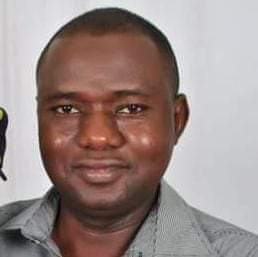
By Dr Ibrahim Musa
“For each and everyone of us men and women, the young and old, the leaders and the led, the haves and have-nots; there is a time to be born and a time to die. In between is a privilege to live; to live to the glory of your creator, to the glory of humanity and to the glory of your nation.” ~ James Haruna Audu
When I picked the pen to write about you, it suddenly dawned on me that you are gone forever. I will never see you again and nor will you ever get to read my tribute about you. Such an overwhelming thought finally broke my emotional shield and tears flowed like a river on my cheeks.
I have tried first to convince myself that the news of your death was just a nightmare, hoping that I would wake up with a racing heart to see everything going on fine. Alas! As the clock ticked and ticked, and time passed- the shocking reality began to sink: “Kulli man alaiha faan. Wa yabqa wajhu Rabbika zuljalali wal ikram.”
Shehi is someone I adored for his stellar qualities. His charisma, courage, demeanor, taste and enterprising style made him a dream leader for our generation. Although by rank and age he was far above me, yet he treated me as one of his closest allies and a confidant.

Whenever I was bored with work at office, I would rush to his tastefully furnished office where we usually dwelled in socio-political discourse. He was always angry at the sorry state of our national infrastructures. He was literally bitter about the bad leadership that came to define the Nigeria of our generation. Little wonder that for the past 16 years he had devoted to the Project Buhari and invested so much in his own unique way to see that Buhari has emerged as the president of Nigeria. Immediately Buhari was announced as the winner of 2019 election, Shehi joyfully organized one of the biggest open-invite “walima” to celebrate the victory.
He remained optimistic that Buhari would eventually turn around the fortunes of this country. This was the typical Shehi who was so passionate about his choices. Love or hate him, you would not find pretense in his dictionary. At a point he was offered a political appointment to be the head of a health-related agency- but he instantly turned down the offer by pointing out to the government his conflict of interest. Even the person who brought the news of that appointment to him was left completely amazed by his forthrightness. I am not aware of many people capable of doing that.
To say that I am presently devastated is an understatement. Losing such kind of a trusted and dependable comrade at a prime age always create a huge void. We had many shared dreams for the development of our state, Kano and country, Nigeria. As our most distinguished mentor Dr. Michael DeBaun would say, “Shehi has done more non-imaging transcranial Doppler scan (TCD) for patients with SCD than any other expert in the world.”
He had successfully trained several radiologists, medical officers and nurses the rare skills to do TCD, which has now become a standard of care for our patients in Kano and Kaduna states. If not for his untimely demise, he would have been the first radiologist in the world to use the Artificial Intelligence (AI) mannequin specifically designed for TCD training.
I remember his vision of venturing into big data science for TCD. Professionally, he had his path well laid down for him. On the business front, the Ray Scan he founded a couple of years ago is probably the biggest indigenously driven private diagnostic center in Kano. He was like the proverbial Midas, everything he touched turned into gold. His was a life completely devoted to family and humanity- from philanthropy, leadership of professional groups to community service. Considering that these legacies would survive him, I take solace in the fact that he lives through his good deeds.
I have a take home message for his immediate family. He was certainly a good man! His son Murad, daughter Fatima and the unborn child would live to be proud of him as a father. He did everything humanly possible to leave behind a good family name; and I could see that his kids have that trait to step into the big vacant shoes with time. To Zainab (his dearest wife), I pray that you may have the fortitude to bear this irreparable loss. This is, indeed, a trying time but God is sufficient for you. We pray for Allah to repose Shehi’s soul in Jannatul Firdaus.
Adieu brother
Adieu comrade
Dr Musa, is a Consultant Hematologist at AKTH



Nasiru Yusuf Ibrahim
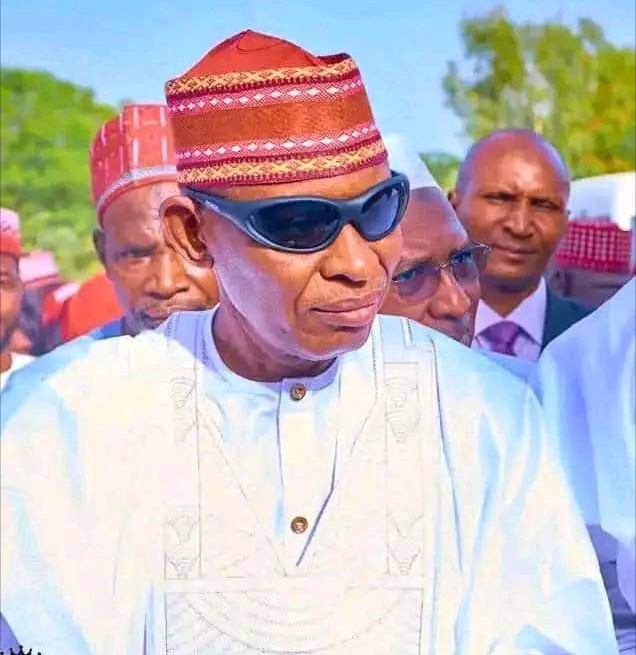
The Kano State Government has directed all civil servants who have attained their statutory retirement age or completed the required length of service to immediately vacate their offices and hand over government property in their possession.
KANO FOCUS reports that the directive was contained in Circular issued on Tuesday by the Establishment Directorate, Office of the Head of Civil Service, Kano State.
The circular, signed by the Permanent Secretary, Establishment, Abba A. Danguguwa, on behalf of the Head of Civil Service, was titled: “Unauthorized Continuance in Service After Statutory Retirement by Civil Servants in Ministries, Departments and Agencies (MDAs) of Government – Call for Immediate Handing Over of Official Documents, Properties.”
The government said it had observed that some civil servants continued to remain in office and operate in official capacities after reaching their statutory retirement period.
According to the circular, such conduct was a “negation to the reputation of the Civil Service of Kano State,” noting that the service had a long-standing tradition of ensuring seamless transition by retiring civil servants.
It described the continued stay in service after retirement as a direct infraction and aberration of relevant provisions of the State Civil Service Rules and other applicable service regulations.
The government stressed that it was legally and administratively untenable for any officer to remain in service or perform official functions beyond the statutory limit.
Consequently, all civil servants who had retired either by age or length of service were directed to immediately exit and hand over all official documents, government property and duties to their immediate subordinates in their respective ministries, departments and agencies.
The circular also directed all Accounting Officers, including Permanent Secretaries and Chief Executives, as well as Directors of Administration and Personnel Management, to ensure strict and immediate compliance with the directive.
It warned that any officer found aiding, abetting or condoning the continued stay of a retired officer in service would face appropriate disciplinary action in accordance with the Civil Service Rules.
The directive takes immediate effect, the circular stated.
Nasiru Yusuf Ibrahim
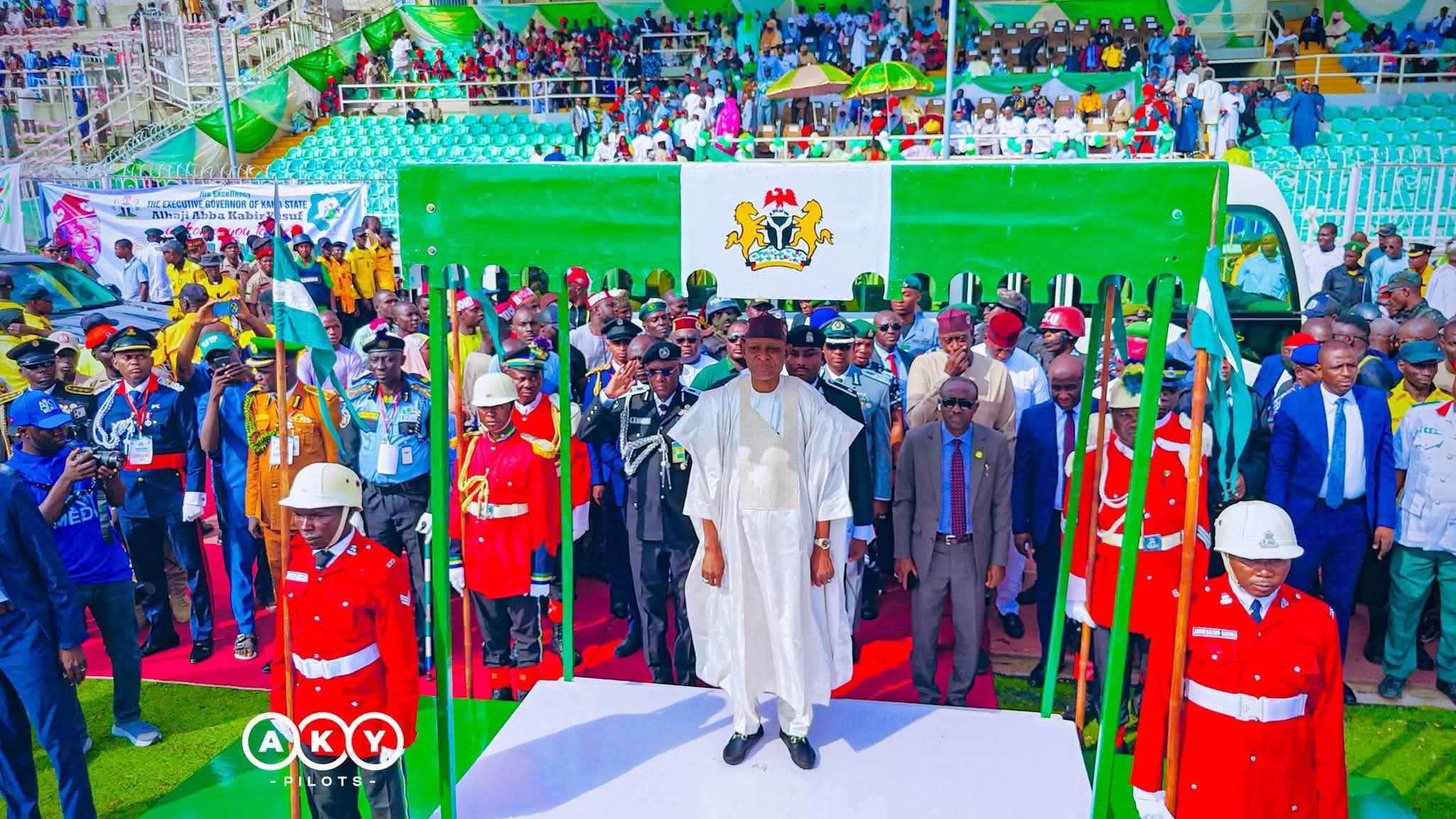
Kano State Governor Abba Kabir Yusuf says his administration has settled approximately N32 billion out of the N48 billion inherited backlog of gratuities and related liabilities owed to retirees in the state.
KANO FOCUS reports that Gov Yusuf disclosed this on Thursday while addressing residents at the 66th Independence Anniversary celebration held at the Sani Abacha Indoor Stadium in Kano.
The governor said the government had also sustained the regular payment of monthly pensions while increasing the minimum monthly pension from N5,000 to N20,000.
He said the welfare of workers and pensioners remained a priority of his administration, citing timely payment of salaries, improved remuneration and measures aimed at strengthening the public service.
According to him, the state has maintained the practice of paying workers’ salaries on or before the 25th of every month while implementing the N71,000 minimum wage for civil servants.
Gov Yusuf also said his administration was sponsoring public servants for professional training, including programmes at the Administrative Staff College of Nigeria (ASCON), to strengthen their administrative and leadership capacity.
He reaffirmed the government’s commitment to building a professional and motivated workforce, while ensuring that the contributions and sacrifices of serving workers and retirees were recognised and treated with dignity.

Nasiru Yusuf Ibrahim
Experts in reproductive health have called for improved access to contraceptive services in Nigeria, saying women and girls should be provided with accurate information and the freedom to make informed choices about family planning.
KANO FOCUS reports that they made the call on Wednesday during a virtual engagement organised by the Network of Reproductive Health Journalists of Nigeria (NRHJN) to mark the 2026 World Contraception Day.
Speaking at the event, Executive Director of the Centre for Bridging Health Gaps (CBHG), Dr Moriam Jagun, said misconceptions surrounding family planning remained a major barrier to contraceptive uptake.
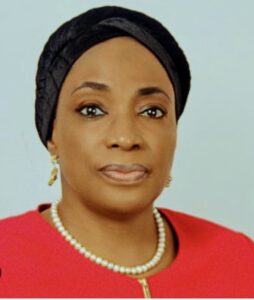
Dr Moriam Jagun
Jagun said neither Islam nor Catholicism was against family planning, urging the media and health stakeholders to address religious and cultural misconceptions with accurate information.
She said fears that contraceptive use could cause infertility, cancer, excessive bleeding and other health problems also discouraged some women from using family planning methods.
According to her, such concerns should not simply be dismissed as myths, but should be addressed through honest counselling and evidence-based information that enables women to make informed decisions.
Jagun said contraceptive prevalence remained low in Nigeria, putting the national average at about 15 per cent, compared with 31 per cent in Lagos.
She also cited research showing that educated people were more likely to embrace family planning than those with lower levels of education.

She therefore called for greater attention to marginalised, vulnerable and underserved communities, saying national averages could conceal significant inequalities in access to reproductive health services.
Jagun said access should not be measured simply by whether contraceptives were available in health facilities.
She identified financial, physical, social, cultural and religious, as well as informational barriers that could prevent women from accessing services even when contraceptives were available.
“Availability is not the same as access,” she stressed, noting that a woman could have contraceptives available at a health facility but still be unable to obtain them because of cost, distance, stigma, provider attitudes or lack of information.
She also cautioned healthcare providers against allowing personal beliefs or biases to interfere with professional responsibilities, particularly when dealing with young and unmarried women seeking contraception.
According to her, providers should inform and support clients rather than make reproductive decisions on their behalf.
Jagun further urged stakeholders to prioritise adolescents, rural women, women with disabilities and other underserved populations in the design and delivery of family planning services.

She said the success of family planning should not be measured only by the number of women accepting contraceptives, but also by whether clients were properly informed, offered options, made voluntary choices and retained the freedom to change or discontinue a method.
On the role of the media, she urged journalists to rely on accurate and evidence-based information and avoid sensational reporting.
She also advised the media to clearly distinguish family planning and contraception from abortion in their reporting to prevent misinformation and confusion.
Presenting on the theme “A Choice for All: Agency, Intention, Access,” Executive Director of Media, Health and Rights Initiative of Nigeria (MHR), Mrs Alu Azege, said contraceptive access should be viewed beyond the mere availability of commodities.
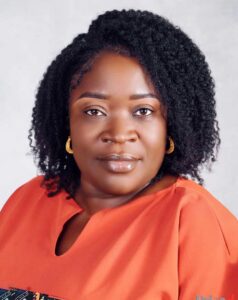
Mrs Alu Azege
Azege, who is also Chair of the Media and Visibility Subcommittee of the 9th Nigerian Family Planning Conference, said genuine access required women to have information, options, privacy, affordability, respectful counselling and freedom from pressure or judgment.
She said the word “all” in the World Contraception Day theme was particularly significant, stressing that contraceptive access should include unmarried young women, adolescents, widows, market women, students and other groups that could face barriers to services.
Azege described the media as an important channel for reproductive health information, particularly as young people increasingly encounter contraceptive information through social media before meeting healthcare providers.
She said traditional media could complement social media by verifying information, debunking myths, amplifying questions from young people and holding authorities accountable for gaps in health service delivery.
She also highlighted both the opportunities and risks associated with artificial intelligence, saying AI could provide personalised, private and accessible reproductive health information, but warned that bias, misinformation and unequal access to technology could undermine its benefits.
In her welcome address, President of NRHJN, Mrs Oluyinka Shokunbi, said every Nigerian woman and girl should have access to safe contraception and the ability to decide if, when and how often to have children.
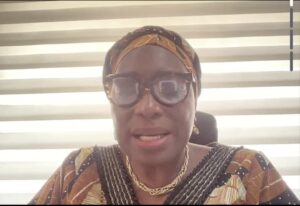
Mrs Oluyinka Shokunbi
Shokunbi said contraceptive access could help prevent unintended pregnancies, improve maternal and child health and advance women’s ability to pursue education, careers and participation in public life.
She said cultural, religious and information barriers continued to limit access to contraception, while young people were increasingly turning to social media and artificial intelligence for sexual health information.
She called for unhindered access to accurate information and contraceptive choices, particularly for women and girls who remain underserved by existing health systems.
KANO FOCUS reports that the engagement was held under the 2026 World Contraception Day theme,“No Barriers, Just Choices: Contraceptive Access Now!”

Kano Govt Orders Retired Civil Servants to Vacate Offices, Hand Over Government Property

Nigeria’s Data Demand Surges 47% as Stakeholders Seek Fresh Investment in Digital Infrastructure

Kano must make government procurement work for made-in-Kano

Kano Settles N32bn Pension, Gratuity Liabilities, Says Gov Yusuf

Family Planning: Experts Urge Nigeria to Remove Barriers to Contraceptive Access

Kano leads again as NECO successes rise to 74,413
Kano tops states in 2026 NECO results, Governor Yusuf hails students

INEC holds campus debate on elections, democracy at BUK

Kano Govt Suspends Durbar Processions, Horse Riding in Metropolis

