
Headlines
Five factors that increase divorce rate in Kano


Aminu Abdullahi
A sociologist at Bayero University Kano (BUK) Aminu Sabo Dambazau has identified five factors that increase the rate of divorce in Kano state.
Mr Dambazau told Kano Focus on Thursday that the factors including mismatched characters, rivalry, forced marriage, suspicion, and dissatisfaction.
Mismached characters
Mr Dambazau said intending couples rush into marriage without understanding each other.

“Some people misuse the courtship period in solely expressing their feelings without exploring the characters and expectations of their partners.
“They neither understand the obligations and responsibilities of marriage nor do they have the chance to find out the characters, habits, and life views of each other.
“Therefore after marriage when their true characters appear they would start to have problem in their marriages.” Mr Dambazau said.
Rivalry
The scholar said about 45% of divorce cases in Kano state are caused by co-wife rivalry.
He said a lot of marriages come to an end the moment the husband starts wooing a second wife.
“Most women do not accept a co-wife and prefer to end the marriage than share their husbands with another woman.
“This habit leads to the breakup of many marriages,” he stated.
Forced marriage
Mr Dambazau said another major factor that causes divorce in Kano state is forced marriage.
He said women are still forced into marrying a man they do not love due to financial or social pressure on the parents.
“Whenever a wife doesn’t like her husband she will do anything possible to get a divorce.
“Frankly speaking, forced marriage will never last as no one can stay with a person he hates,” he stated.
Suspicion
The BUK sociologist said suspicion among couples contributes immensely to the high rate of divorce in Kano state.
“No couple will live in peace as long as they are suspicious of one another.
“Unfortunately this is a growing problem as some women always check their husband’s phones in order to find incriminating evidence.” Mr Dambazau said.
Dissatisfaction
He added that some husbands fail to gratify the needs of their wives such as feeding, clothing, and sexual desire.
“Whenever a husband fails to feed his wife he will not get respect from her.
“How will you marry a woman when you cannot cater for her needs?
“This is what is happening in our society.” The lecturer said.
The road to divorce
Some divorcees in Kano corroborated the scholar’s findings.
Maryam Abdullahi, mother of a one year old child said she left her husband after a year because he refused to allow her continue with her studies.
“I was married off to him immediately after completing secondary school even though I told my parents that I want to continue to a higher institution.
“Before the marriage, he promised to allow me continue with my education but he broke the promise after our wedding.” She said.
Ms Abdullahi said she does not regret her decision to end the marriage.
“By God’s will I’ll fulfill my ambition and I’m optimistic to have my desired husband,” Maryam said.
Unfair husband
Another divorcee Surayya Abubakar whose marriage ended after eight months said her husband was giving priority to her co-wife.
“He favored her over me and used to buy things for her that he was not buying for me.
“When I complained, he divorced me.
“Our parents met several times but the mediation was in vain as he did not change.
“I also asked him if I was offending him but he said I wasn’t.” Ms Abubakar said.
I’ll never marry again
But Ramla Yusuf whose marriage lasted five months explained that her husband was a fraud who posed as a rich business man before the marriage.
“I realized that he was a liar during the wedding dinner when he couldn’t provide the bridal gown.
“He lied that he owned a big house but I was taken to an old rental house.
“It turned out that he was jobless and penniless.
“I really suffered in his hand and after only five months I asked him to divorce me.” She said.
Ms Yusuf added that she does not plan to marry again as she didn’t know that marriage could be so painful.
Dirty woman
On his part, a male divorcee, Usman Shehu said he divorced his wife after a year of marriage because she was dirty and did not know how to cook delicious meals.
“I cautioned her to change her habit but she refused and I also complained to her parents but still nothing changed.
“I swear she can spend two days without taking a bath – she was not a wife anybody will bear to live with,” Mr Shehu said.
Another person Umar Ibrahim said he divorced his wife because she did not respect him and his family.
“We married for love but I did not know she was bad until she came to my house.
“She cheated me severely and also inflicted tension between my family and I,” he lamented.
Mr Ibrahim said has been sleeping well since he divorced her two months ago.
How to reduce divorce in Kano
Mr Dambazau, who has a PhD in Sociology, said the best means of reducing the rate of divorce in Kano state is to revive the defunct Zauren Sulhu community forum established by the Ibrahim Shekarau administration.
“Zauren Sulhu was one of the ways to discuss community issues such as marital problems.
“The forum will listen to both sides and counsel them without leading to divorce. He said.
Mr Dambazau said the families of the couples can mediate and save the marriages from divorce.
Islamic perspective
An Islamic cleric Nuhu Muhammad said there are things that couples should observe before getting married.
“Every woman or man should make sure their partner has Islamic knowledge and good character.
“Prophet Muhammad (pbuh) said you should marry whoever you agree with his religiosity,” he said.
Mr Muhammad advised couples to avoid telling lies before marriage because most marriages breakdown due to false expectations.
“They don’t display who they are because they blindly want to possess each other so after the marriage when the truth is revealed they divorce.” The Islamic scholar said.
He therefore advised couples to build their marriages based on the teachings of Islam and exercise patience with one another.

Nasiru Yusuf Ibrahim
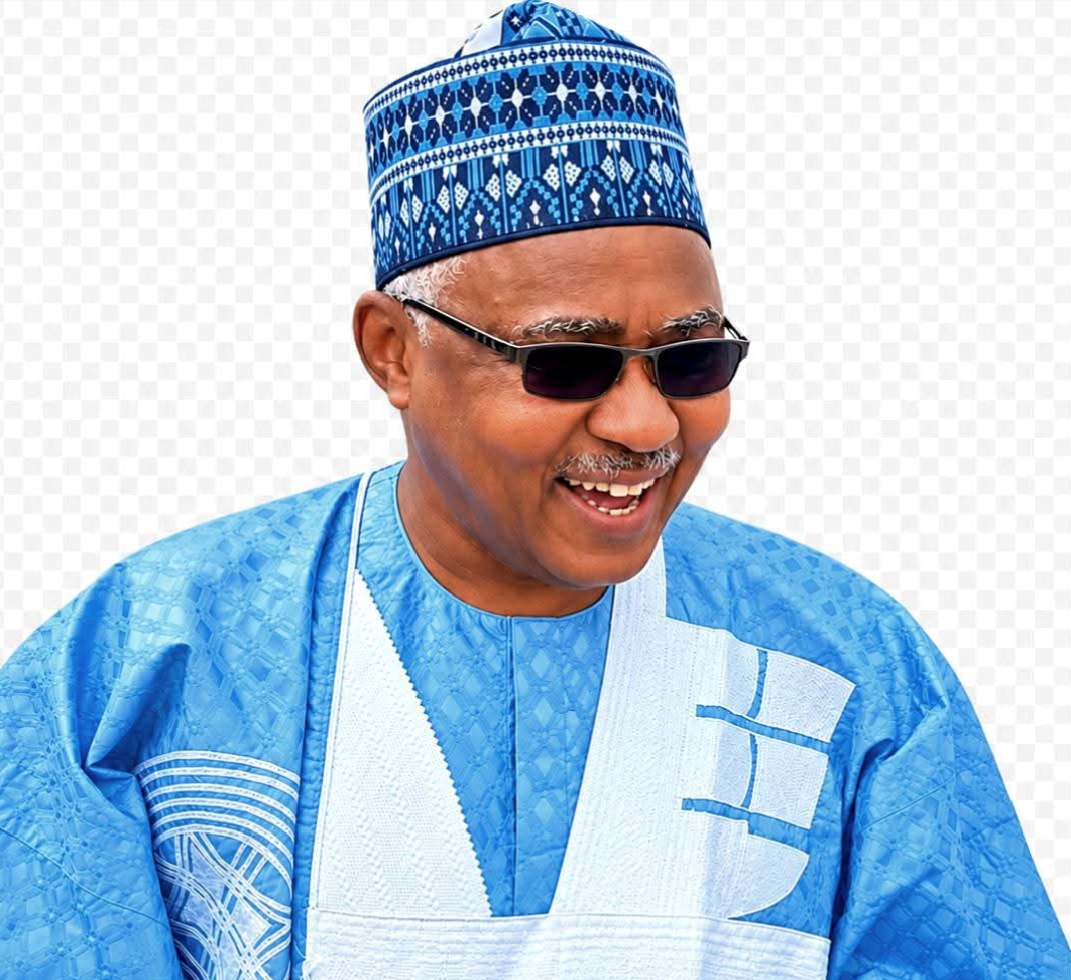
Political allies and loyalists of former Managing Director of the Nigerian Ports Authority (NPA), Arc Aminu Dabo, have begun resigning from the All Progressives Congress (APC) in Kano State following his withdrawal from the ruling party.
KANO FOCUS reports that the supporters, operating under the political group Dabo Alheri Ne, reportedly include members across Kano State’s 44 local government areas.
Barely two days after Dabo announced his resignation from the APC, a prominent stakeholder of the group, Garba Zakiru Dambatta, said members had welcomed the decision and were showing solidarity by submitting their resignation letters to their respective ward party chairmen.
Dambatta, a former APC chairman in Dambatta Local Government Area, said the group’s members were disappointed with what they described as the prolonged marginalisation of Mr Dabo and his supporters within the party.
According to him, despite Mr Dabo’s contributions to the APC and efforts to strengthen the party and manage disagreements among its members, some key stakeholders had continued to sideline him and his loyalists in party activities.
Dambatta reaffirmed the group’s commitment to standing by Mr Dabo’s political decisions and supporting his future political journey.
He also urged the former NPA managing director not to succumb to political pressure or reverse his decision to leave the party.
“This step you have taken, we have the conviction that it is the beginning of a new chapter of goodness in your life,” Dambatta said.
Among the prominent members of the group identified as supporting Mr Dabo’s decision are Abba Rabee’u, a former Senior Special Assistant on Political Awareness; Almustapha Jilani Danmalam, a former Senior Special Assistant on Education; Jamilu Abdullahi Zangon-Mata, a former Senior Special Assistant on Entrepreneurship; and Fahd A. Dabo, a former Special Assistant on Youth Mobilisation.
The individuals reportedly served during the second term of former Kano State Governor Abdullahi Umar Ganduje.
The group also said several other party loyalists and supporters were backing Dabo following his resignation.
However, the statement did not provide the number of members who had formally resigned from the APC or indicate whether the party leadership had responded to the development.

Nasiru Yusuf Ibrahim
Five players of Kano Pillars Amputee Football Club have been invited to the national camp of Nigeria’s Special Super Eagles ahead of the 2026 Amputee Football World Cup in Mexico.
KANO FOCUS reports that invited players are Isah Yusuf, Abba Musa, Habu Friday, Emanuel Betel and Usman Ahmed. They are currently in Abuja with the national team as preparations intensify for the global tournament.
The Team Manager of Kano Pillars Amputee Football Team, Jamilu Uba Adamu, disclosed this in an interview with Ashiru Rabiu Gidan Tudu, Information Officer of the Kano State Sports Commission.
Adamu described the invitation as recognition of the players’ dedication, discipline and outstanding performances.
He expressed confidence that the players would represent Kano State and Nigeria with honour at the championship.
According to him, the call-up also demonstrates Kano Pillars’ commitment to nurturing talented amputee footballers and contributing to the development of the sport in Nigeria.
The 2026 Amputee Football World Cup is scheduled to take place from November 13 to 22 in San Juan de los Lagos, Mexico. A total of 24 countries, including seven African nations, are expected to participate.
The Executive Chairman of the Kano State Sports Commission, Muhammad Tukur Babangida, congratulated the five players on their invitation, describing it as well deserved.
Babangida expressed confidence that they would justify the confidence reposed in them by the national team selectors.
He assured the players of the commission’s continued support and urged them to remain focused, disciplined and committed to making Kano State and Nigeria proud on the international stage.
Ibrahim Khalil
A chieftain of the All Progressives Congress (APC) in Kano State, Aminu Dabo, has resigned as the party’s caucus chairman in Dambatta Local Government Area and withdrawn his membership of the ruling party.
KANO FOCUS reports that Dabo, a former Managing Director of the Nigerian Ports Authority (NPA), announced his resignation in a letter dated October 7, 2026, addressed to the APC chairman of Dambatta Gabas Ward.
In the letter, personally signed by him, Dabo said he took the decision after careful consideration of personal reasons and his future endeavours.
He confirmed his resignation during a telephone conversation from Abuja on Wednesday, saying he had formally submitted the letter to the appropriate party officials in Dambatta for necessary action.
“I remain grateful for the cordial relationship I enjoyed and appreciative of the experience gained during my time of service,” he said.
The former NPA managing director also thanked the party’s leadership for the opportunity and confidence reposed in him to contribute to its development and progress during his membership.
“I sincerely appreciate the support and opportunity I have received from the party leadership,” he added.
A statement issued by Abdullahi Othman, Media and Publicity Aide to Dabo Dabo, said the former NPA MD did not disclose further details about his reasons for leaving the APC in the resignation letter.

Dabo’s resignation triggers wave of defections from APC in Kano

Five Kano Pillars Amputee Players Invited to Special Eagles Camp Ahead of World Cup

BUK Professor advocates microfinance to tackle food insecurity, poverty

General Elections 2027: Abba Kabir Yusuf traverses the path to victory
Former NPA MD Aminu Dabo resigns as APC caucus chairman in Dambatta

Kano leads again as NECO successes rise to 74,413
Kano tops states in 2026 NECO results, Governor Yusuf hails students

Kano Govt Suspends Durbar Processions, Horse Riding in Metropolis

ACF begins Dangote Refinery IPO sensitisation campaign in Kano

