
Headlines
Kano to redeploy 5,000 civil servants to classrooms

Nasiru Yusuf
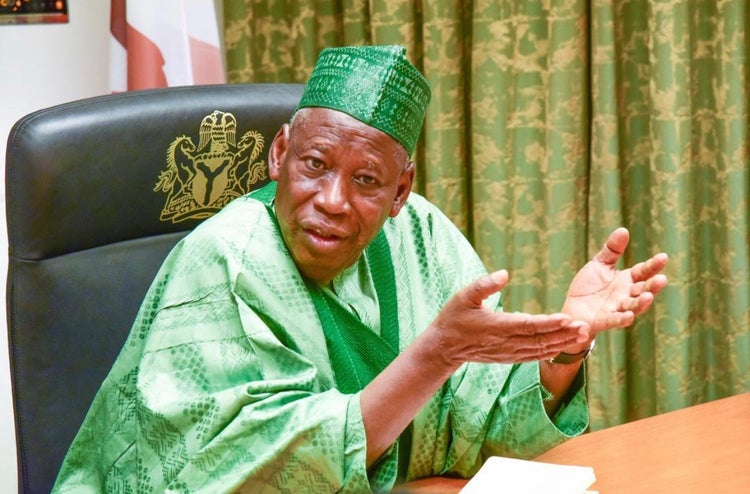
Kano state Executive Council has directed the state head of service to redeploy about 5, 000 civil servants with requisite qualification in education to classrooms.
KANO FOCUS reports that the state commissioner for Information, Muhammad Garba, announced at a press briefing in his office on Sunday.
He said the directive followed a recommendation of the Technical Committee set up to look into the teaching staff challenges bedeviling free education policy,
“While adopting the report of the committee established by the Office of the Secretary to the State Government to identify such categories of civil servants with NCE , B ED or diploma in Education, the council, at its weekly meeting on Wednesday, also accepted the immediate establishment of an implementation committee.

“The affected staff serving in Ministries, Departments and Agencies (MDAs) as well as Local Government Areas (LGAs) with vital teaching credentials are to be dispatched to fill existing posts in schools including tertiary institutions in the state,” Mr Garba revealed.
He said the committee discovered that there were 575 officers with teaching qualification serving in MDAs, while 3, 712 others were found in the 44 LGAs with duplicate functions.
Malam Garba stated that of this number, 19 of them have Ph ds, 55 Masters, 1,100 B Eds, 2,366 NCE and 10 Diploma in Education.
Mr Garba added that the committee’s findings also revealed that 508 officers, three of them with Phds/Masters, 79 B Ed, 421 with NCE and five others with Diploma in Education were found in local governments engaged in administrative duties.
The commissioner pointed out that zonal offices and local government areas have large concentration of officers.
“For instance, while there’s an LGEA with only 60 staff, others have up to 274 with a state average of 151 per LGEA. Under ideal condition, and especially with the advancement in Information and Communication Technology (ICT), 25 officers can perform the management of an LGEA,” he added.
To this end, the commissioner said, all civil servants found in MDAs with teaching qualification and with more than five years to retire are to be posted back schools to teach, NCE holders under the state Universal Basic Education (SUBEB) should remain, officers with B Ed are to be deployed to either Junior Secondary School or Senior Secondary School, while those with higher degrees are to be sent to tertiary institutions.
Mr Garba also indicated that the reintegrated civil servants are to be given two weeks induction before deployment to schools and an additional one week refresher training every term.
The commissioner further stated that the setting up of the committee was in response to the learning crisis and government’s commitment to achieving the education 2030 agenda which seeks to ensure the provision of education and promote lifelong learning opportunities for all.
He announced that a policy and strategy would also be developed to make it compulsory for all public office holders and senior civil servants to be engaged in schools within their locality at least twice every month for the purpose of information and inspection visits to encourage pupils to study.
Mr Garba said the draft Teacher Education Policy for the state would be finalized with the recently NCE approved National Physical Therapy Examination (NPTE) to promote standards in recruitment, redeployment incentives and provision of teaching and learning resources.

Nasiru Yusuf Ibrahim
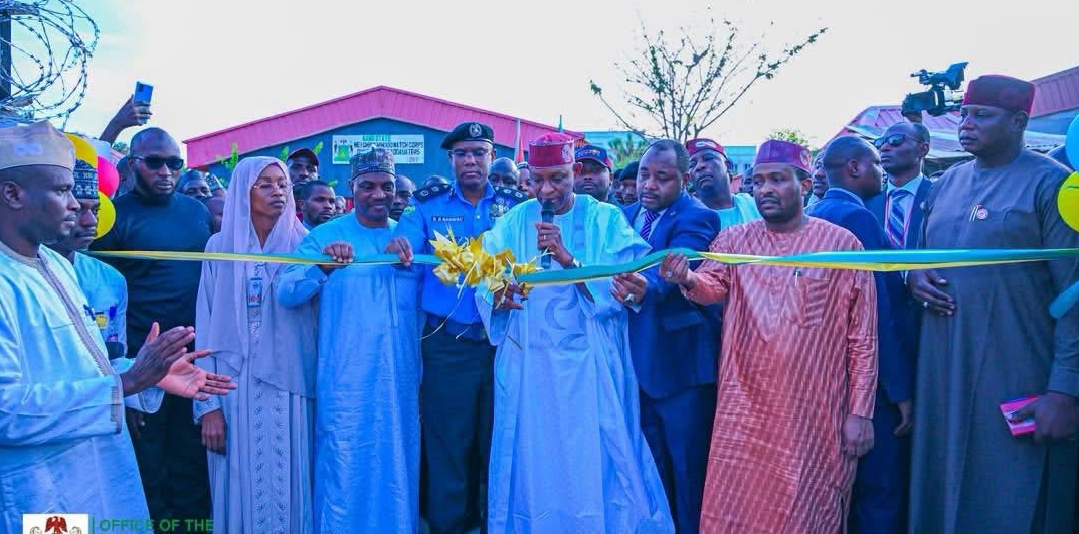
Kano State Governor, Abba Kabir Yusuf, has commissioned a Quick Response Squad of the Multi-Agency Task Force on Drug Abuse and Illicit Trafficking, alongside operational equipment worth hundreds of millions of naira, as part of efforts to intensify the fight against drug abuse, thuggery and illicit trafficking.
KANO FOCUS reports that the commissioning took place on Thursday, marking another step in the state government’s efforts to tackle substance abuse through enforcement, rapid response, rehabilitation, skills acquisition and reintegration of affected persons into society.
Speaking at the ceremony, Gov Yusuf expressed satisfaction with what he described as progress recorded in the fight against drug abuse across the state.
“I am the happiest man in Kano today as we continue to push drug abuse down to the barest minimum,” he said.
The governor said the newly established squad would strengthen the operational capacity of the task force by enabling it to respond promptly to reports, drug-related incidents and emerging threats associated with illicit trafficking.
He explained that the provision of operational equipment was part of his administration’s commitment to equipping relevant agencies with the necessary tools to address the drug menace.
Gov Yusuf, however, stressed that the campaign should go beyond arrest and prosecution, noting that rehabilitated persons must be given opportunities to acquire skills and engage in legitimate economic activities.
He said the government would sustain skills acquisition and apprenticeship programmes to keep rehabilitated persons meaningfully engaged and reduce the risk of relapse into drug use and other criminal activities.
The governor commended the chairman and members of the task force for their dedication and commitment, saying the achievements recorded within a relatively short period demonstrated the importance of collaboration among government agencies and other stakeholders.
Accompanied by the Speaker of the Kano State House of Assembly, Jibril Ismaila Falgore, and other senior government officials, Gov Yusuf inspected the newly commissioned facility and the equipment procured for the task force.
In his remarks, the Chairman of the Multi-Agency Task Force on Drug Abuse and Illicit Trafficking, Barr Muhyi Magaji Rimin Gado, said the Quick Response Squad and the newly acquired equipment would enhance the agency’s capacity to respond effectively to drug-related challenges.
He reaffirmed the task force’s commitment to sustaining its operations against substance abuse and illicit trafficking, assuring the governor that it would not relent in carrying out its mandate.
Barr Rimin Gado expressed appreciation to the governor for providing political and operational support, which he said had strengthened the task force’s activities.
He noted that tackling drug abuse required collective responsibility, involving government institutions, security and regulatory agencies, traditional and religious leaders, parents, communities and educational institutions.
The chairman pledged that the task force would sustain its preventive, enforcement, rehabilitation and reintegration programmes while strengthening collaboration with relevant stakeholders to reduce substance abuse and illicit drug trafficking in the state.

Nasiru Yusuf Ibrahim
Nafisah Yusuf Hassan, a magistrate in Kano State, has been recommended for appointment as a judge of the Kano State High Court by the National Judicial Council (NJC).
KANO FOCUS reports that Hassan is among four judicial officers from Kano State recommended for elevation to the High Court bench out of 28 candidates selected nationwide.
The other nominees are Halima Yahuza Ahmad, Abdullahi Abdulsalam Bature and Musa Ibrahim Umar.
The NJC disclosed the recommendations in a statement issued by its Deputy Director of Information, Kemi Babalola-Ogedengbe, following its consideration of candidates for judicial appointments across the country.
The council said all recommended candidates were expected to be sworn in by their respective state governors without delay.
Hassan’s recommendation follows her years of service in the Kano State judiciary, where she has reportedly distinguished herself through diligence, professionalism and careful handling of cases.
She has been commended for her commitment to judicial ethics, diligence and fairness in the discharge of her responsibilities, achievements that contributed to her career progression within the judiciary.
Her elevation is part of a broader development in the Kano State judiciary, with four magistrates from the state successfully scaling the selection process for appointment to the High Court.
The four nominees were reportedly assessed during the selection exercise and demonstrated strong professional competence, while their service records were found to be free of adverse remarks.
Their recommendation marks a significant step in their judicial careers and is expected to strengthen the judicial workforce in Kano State upon their formal appointment.
Nasiru Yusuf Ibrahim
The Kano State Accountability Forum on Education (K-SAFE) says it has tracked nearly 1,000 education projects across the state as part of efforts to promote transparency, accountability and effective service delivery in the education sector.
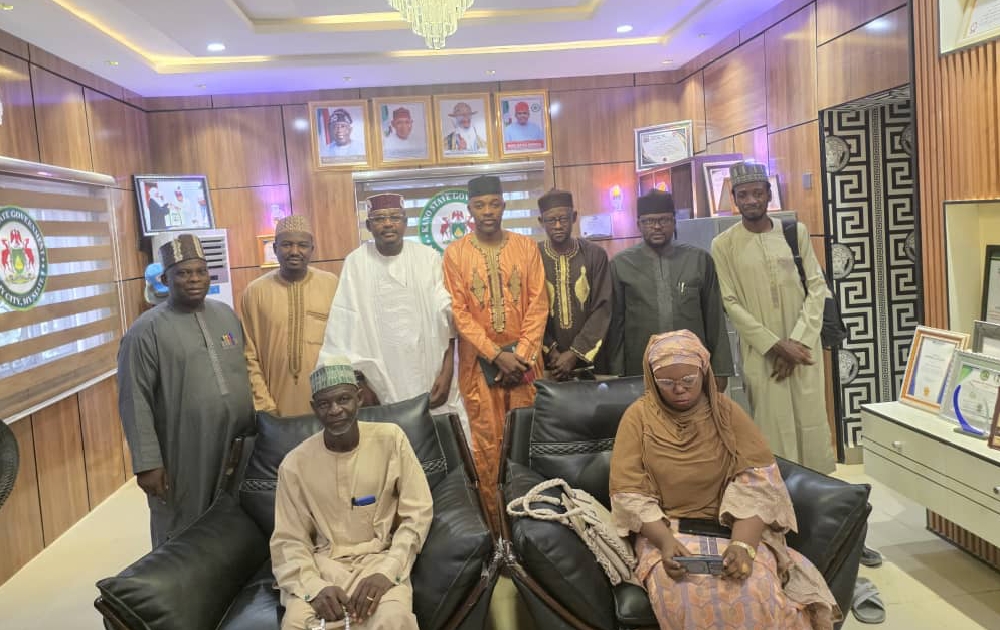
KANO FOCUS the coalition’s Co-Chair, Dr Auwalu Halilu, disclosed this on Wednesday during an advocacy visit to the Kano State Ministry of Public Procurement and Project Monitoring.
Dr Halilu said K-SAFE had monitored projects in more than six local government areas, covering interventions implemented by the State Universal Basic Education Board (SUBEB), Kano State Senior Secondary Education Management Board and Local Education Authorities (LEAs).
He explained that the monitoring exercise involved physical inspections and documentation of projects through photographs, videos and geographical locations.
According to him, reports of the findings had been submitted to relevant ministries, departments and agencies (MDAs), highlighting projects that met required standards and those requiring further attention.
He cited Rimin Gado Local Government Area, where the coalition tracked more than 80 education projects, adding that it planned to extend the exercise to all 44 local government areas of the state.
The K-SAFE Co-Chair said the visit was aimed at presenting the coalition’s activities to the ministry and exploring areas of collaboration in procurement and project monitoring.
He called for the inclusion of civil society organisations in procurement and monitoring processes, particularly tender board activities and field inspections, to strengthen independent oversight and provide them with firsthand information on government projects.
Dr Halilu also requested the ministry’s support in organising capacity-building programmes for civil society organisations on procurement procedures, due process, project standardisation, monitoring and evaluation.
He said such training would enhance civil society organisations’ understanding of procurement regulations and the technical requirements guiding project implementation.
Responding, the Commissioner for Public Procurement and Project Monitoring, Dr Nura Iro Ma’aji, welcomed the delegation and acknowledged the coalition’s contributions to supporting the state government’s efforts in the education sector.
He expressed the ministry’s readiness to collaborate with K-SAFE through information sharing and other relevant engagements to strengthen accountability and ensure compliance with due process.
“From our side, we are ready to work together because we know what they have been doing to support Kano State Government in the education sector,” he said.
Dr Halilu further disclosed that the coalition and its partner organisations had carried out the monitoring exercise without financial sponsorship, describing it as a demonstration of their commitment to transparency and accountability.
He reaffirmed K-SAFE’s commitment to sustaining engagement with relevant government agencies, civil society organisations and the media to strengthen oversight of education projects across Kano State.

Mother of former Kano NUJ chairman Abbas Ibrahim dies at 91

Kano commissions Quick Response Squad to tackle drug abuse, thuggery

Nafisah Yusuf Hassan, three others recommended for appointment as Kano high court judges

K-SAFE tracks nearly 1,000 education projects in Kano, seeks procurement monitoring role

GSS Army Day Bukavu Wins Maiden Kano Secondary Schools Tug of War Championship

Indonesian scholar proposes waqf model to reform almajiri education in Nigeria

Veteran NTA manager Dahiru Biso loses wife at 58

Two suspected bandits killed, N10m ransom recovered in Kano

Gov Yusuf Joins APC Leaders at Kaduna Presidential Campaign Flag-Off as Kano Delegation Draws Attention

