
News
Akande tasks telecom operators on licensing obligations


Nasiru Yusuf
The Chairman, Board of Commissioners of the Nigerian Communications Commission (NCC), Adeolu Akande, has urged telecoms licensees across different segments of the Nigerian telecommunications sector on the need to adhere strictly to their licensing obligations in order to ensure robust provision of services to the consumers.
KANO FOCUS reports that Akande made the call in his remark at the third edition of NCC’s 2021 “Talk to The Regulator” (TTTR) Forum, which took place at Visa Karena Hotels, Port Harcourt, over the weekend.
At the forum held with a focus on “Improving Stakeholder Satisfaction”, Akande stated that the essence of conducting the stakeholder engagement forum across the country’s geo-political zones was to demonstrate to the Commission’s licensees that responsibility does not end in issuing of licenses alone but rather in working with the licensing authority to address issues affecting their operations.
Beyond the issuance of licences to operators, Akande declared that the Commission is legitimately concerned with providing the necessary regulatory frameworks and initiatives capable of ushering in an environment that encourages seamless implementation of the licence conditions.
“In return, we expect the licensees to deliver on their licensing conditions and I want to use this opportunity to challenge our licensees to always comply with their licensing obligations and conditions in order to provide the much-needed services to the generality of Nigerians,” he said.
Speaking earlier on the centrality of the stakeholder engagement to the regulatory activities of the Commission, NCC’s Executive Vice Chairman and Chief Executive Officer (EVC/CEO), Umar Garba Danbatta said the Commission considers feedback from stakeholder’s engagement initiatives imperative for building a robust licensing regime in the Nigerian telecom sector.
The EVC, who was represented at the forum by NCC’s Executive Commissioner, Stakeholder Management, Adeleke Adewolu, reiterated the Commission’s commitment to stakeholder engagement as a means of deepening collaboration with NCC’s licensees, identifying areas of concern, and jointly developing and implementing practical solutions.
The NCC boss noted that the focus of deliberations for the series of stakeholder engagement had been on licensing processes, policies, and procedures, all geared towards improving Stakeholder Satisfaction, a central factor to all NCC’s regulatory activities. He emphasised the need to curate insights from each geo-political zone to encourage mutually-beneficial relationships and enhance understanding between the Commission and its key stakeholders.
According to Danbatta, measurable success has been recorded essentially because of Commission’s focus on prioritising stakeholders. “Achievements such as contributions to Gross Domestic product (GDP) grew to 14.42 per cent in Q2’2021; active internet subscriptions have reached over 140 million; teledensity which now stands at 99.98 per cent; and 40.01% per cent broadband penetration, all as at the end of September, 2021,” he said.
Speaking further, Danbatta said to achieve national policy targets and maintain progressive growth in the telecoms industry, “efforts must be jointly made to harness the full cooperation of licensees to highlight areas hampering the progress of the Commission’s stakeholders.
“We have started making necessary adjustments to reflect the views of our licensees in Kano and Lagos. Port Harcourt will not be an exception,” Danbatta assured.
He reiterated that the meeting is organised in keeping with the Commission’s strategic objectives, which seek to guarantee continuous interface with the critical stakeholder in the industry, for collaboration in seeking solutions to challenges of licensing in Nigeria.
Further underscoring the significance of stakeholder engagement and sensitisation in the Commission, Danbatta said the forum affords stakeholders a platform to raise questions about the challenges of licensing and their operations. He said such forum also avails the Commission ample opportunity to adequately respond to the concerns that may be raised.
At the Focus Group Discussions (FGD), participants reviewed and discussed licensing trends, regulatory process, implementation of Annual Operating Levy (AOL) regulations, assigning of short codes, type-approval obligations, and Commission’s expectations.
Commission’s propositions for the survival of smaller licensees were also discussed in a session termed “Listen to the licensee,” as they were not only given ample time to air their grievances but also made to proffer solutions for Management’s consideration.
“Also, mutually-beneficial positions on multiple taxations, surrendered licences, Right-of-way (RoW) for Internet Service Providers (ISPs), Global System for Mobile Communications (GSM) boosters, amongst others, were part of the issues discussed.”
The Port Harcourt edition of the TTTR was sequel to previous editions of the stakeholder engagement forum which took place in Kano on October 16, 2021 and Lagos on November 25, 2021.
The event had in attendance members of NCC Board: Millionaire Abowei; Clement Baiye; Chief Uche Onwude; as well as Director, Technical Standards and Network Integrity, Bako Wakil; and his counterpart in Licensing and Authorisation, Muhammed Babajika, whose department facilitated the organisation of the forum.
Nasiru Yusuf Ibrahim
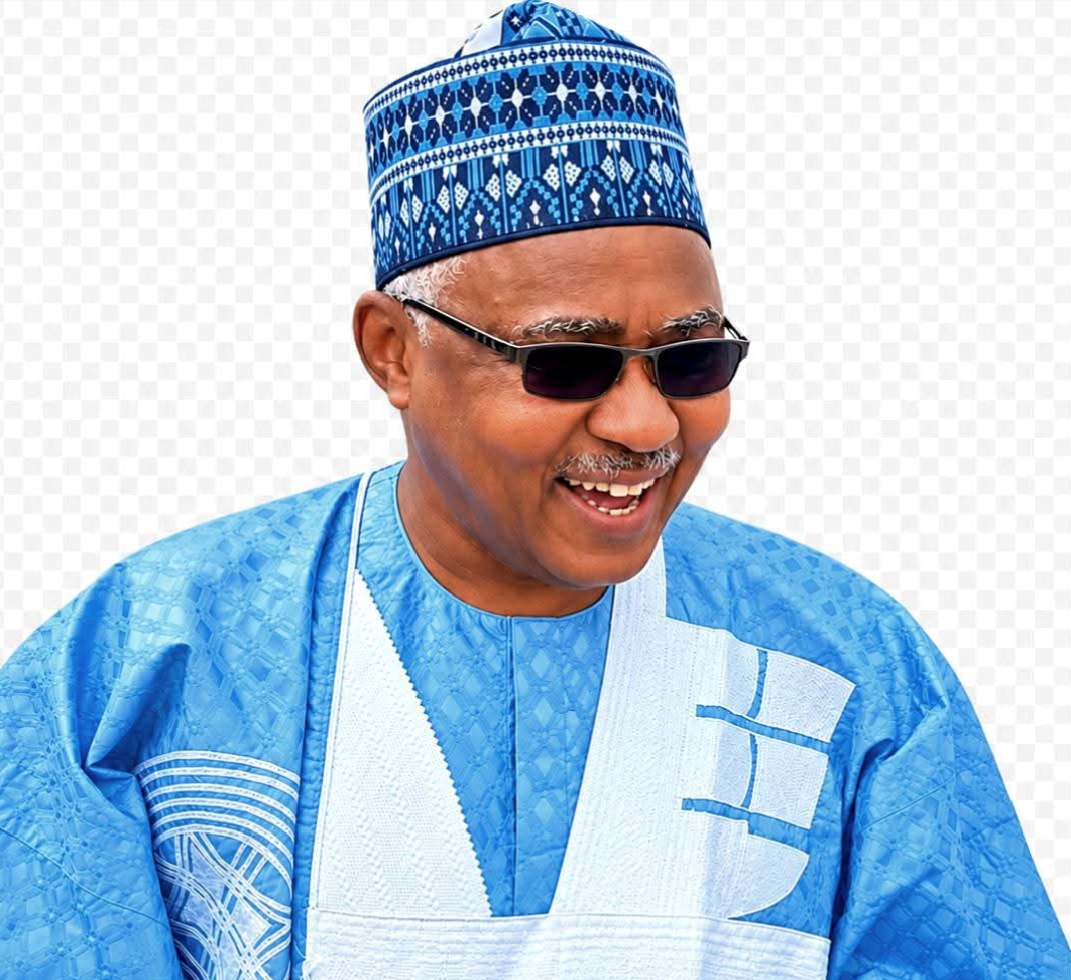
Political allies and loyalists of former Managing Director of the Nigerian Ports Authority (NPA), Arc Aminu Dabo, have begun resigning from the All Progressives Congress (APC) in Kano State following his withdrawal from the ruling party.

KANO FOCUS reports that the supporters, operating under the political group Dabo Alheri Ne, reportedly include members across Kano State’s 44 local government areas.
Barely two days after Dabo announced his resignation from the APC, a prominent stakeholder of the group, Garba Zakiru Dambatta, said members had welcomed the decision and were showing solidarity by submitting their resignation letters to their respective ward party chairmen.
Dambatta, a former APC chairman in Dambatta Local Government Area, said the group’s members were disappointed with what they described as the prolonged marginalisation of Mr Dabo and his supporters within the party.
According to him, despite Mr Dabo’s contributions to the APC and efforts to strengthen the party and manage disagreements among its members, some key stakeholders had continued to sideline him and his loyalists in party activities.
Dambatta reaffirmed the group’s commitment to standing by Mr Dabo’s political decisions and supporting his future political journey.
He also urged the former NPA managing director not to succumb to political pressure or reverse his decision to leave the party.
“This step you have taken, we have the conviction that it is the beginning of a new chapter of goodness in your life,” Dambatta said.
Among the prominent members of the group identified as supporting Mr Dabo’s decision are Abba Rabee’u, a former Senior Special Assistant on Political Awareness; Almustapha Jilani Danmalam, a former Senior Special Assistant on Education; Jamilu Abdullahi Zangon-Mata, a former Senior Special Assistant on Entrepreneurship; and Fahd A. Dabo, a former Special Assistant on Youth Mobilisation.
The individuals reportedly served during the second term of former Kano State Governor Abdullahi Umar Ganduje.
The group also said several other party loyalists and supporters were backing Dabo following his resignation.
However, the statement did not provide the number of members who had formally resigned from the APC or indicate whether the party leadership had responded to the development.


Nasiru Yusuf Ibrahim
Five players of Kano Pillars Amputee Football Club have been invited to the national camp of Nigeria’s Special Super Eagles ahead of the 2026 Amputee Football World Cup in Mexico.
KANO FOCUS reports that invited players are Isah Yusuf, Abba Musa, Habu Friday, Emanuel Betel and Usman Ahmed. They are currently in Abuja with the national team as preparations intensify for the global tournament.
The Team Manager of Kano Pillars Amputee Football Team, Jamilu Uba Adamu, disclosed this in an interview with Ashiru Rabiu Gidan Tudu, Information Officer of the Kano State Sports Commission.
Adamu described the invitation as recognition of the players’ dedication, discipline and outstanding performances.
He expressed confidence that the players would represent Kano State and Nigeria with honour at the championship.
According to him, the call-up also demonstrates Kano Pillars’ commitment to nurturing talented amputee footballers and contributing to the development of the sport in Nigeria.
The 2026 Amputee Football World Cup is scheduled to take place from November 13 to 22 in San Juan de los Lagos, Mexico. A total of 24 countries, including seven African nations, are expected to participate.
The Executive Chairman of the Kano State Sports Commission, Muhammad Tukur Babangida, congratulated the five players on their invitation, describing it as well deserved.
Babangida expressed confidence that they would justify the confidence reposed in them by the national team selectors.
He assured the players of the commission’s continued support and urged them to remain focused, disciplined and committed to making Kano State and Nigeria proud on the international stage.
Nasiru Yusuf Ibrahim
Professor Muhammad Ahmad Makarfi of Bayero University, Kano (BUK), has identified inclusive microfinance as a critical tool for addressing food insecurity and poverty in Nigeria.
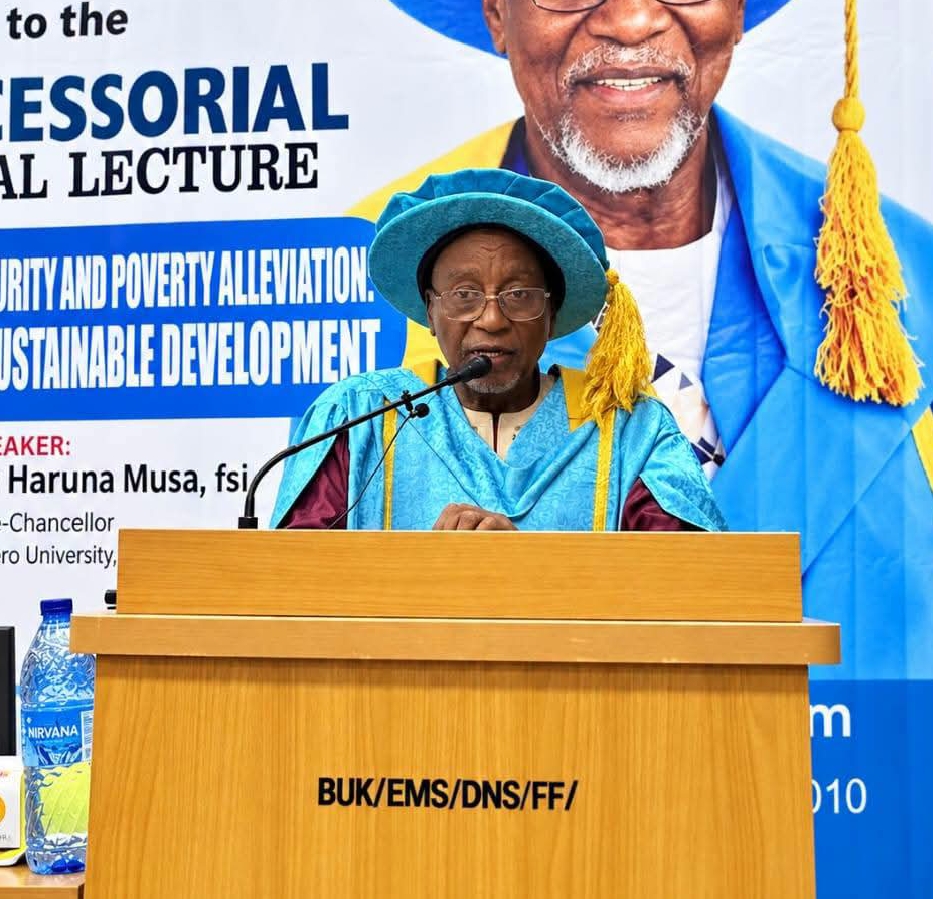
KANO FOCUS reports that Prof. Makarfi, of the Department of Agricultural Economics and Extension, made the recommendation while delivering the university’s 64th Professorial Inaugural Lecture on Thursday, October 14, 2026, at the CBN Centre of Excellence.
The lecture, titled *“Innovative Options for Nigeria’s Food Security and Poverty Alleviation: The Microfinance Pathway to Sustainable Development,”* examined how improved access to affordable financing could boost agricultural production and strengthen rural livelihoods.
The professor said that despite Nigeria’s vast agricultural resources, food production and rural livelihoods continued to face challenges, including limited access to affordable finance, insecurity, climate change, inadequate infrastructure and low agricultural productivity.
He argued that expanding access to agricultural finance, particularly for smallholder farmers, would encourage investment, improve productivity and strengthen the country’s food security.
Prof. Makarfi reviewed Nigeria’s agricultural financing policies and interventions, highlighting the need for innovative credit delivery systems that would make funding more accessible, affordable and sustainable for farmers.
He identified microfinance institutions and Islamic finance models as potential avenues for improving access to agricultural credit.
In his recommendations, the professor said sustainable food security and poverty reduction required policies that prioritised increased domestic agricultural production through better access to finance, modern technologies, quality farm inputs and markets.
He also called for stronger microfinance institutions, expanded farmer-friendly financing mechanisms and an enabling environment to attract investment across the agricultural value chain.
According to him, such measures would improve agricultural productivity, enhance livelihoods and accelerate Nigeria’s sustainable development.
Earlier, the Vice-Chancellor of BUK, Professor Haruna Musa, who chaired the lecture, was represented by the Deputy Vice-Chancellor, Academics, Professor Ahmad Muhammad Tsauni.
Prof. Musa commended the lecturer for choosing a topic that addressed critical issues surrounding food insecurity, livelihoods and agricultural development.
The Dean of the Faculty of Agriculture, Professor Aminu Sulaiman, who presented the lecturer’s citation, said Mr Makarfi had published more than 150 local and international publications, contributed 10 book chapters and authored eight books.
Professor Mahmoud Ibrahim Daneji, who represented the Head of the Department of Agricultural Economics and Extension, delivered the vote of thanks.

Dabo’s resignation triggers wave of defections from APC in Kano

Five Kano Pillars Amputee Players Invited to Special Eagles Camp Ahead of World Cup

BUK Professor advocates microfinance to tackle food insecurity, poverty

General Elections 2027: Abba Kabir Yusuf traverses the path to victory
Former NPA MD Aminu Dabo resigns as APC caucus chairman in Dambatta

Kano leads again as NECO successes rise to 74,413
Kano tops states in 2026 NECO results, Governor Yusuf hails students

Kano Govt Suspends Durbar Processions, Horse Riding in Metropolis

ACF begins Dangote Refinery IPO sensitisation campaign in Kano

