
News
Ministerial Inauguration: Buhari assigns Defence, Agric to Kano

Maude Rabiu Gwadabe
President Muhammadu Buhari has assigned the ministries of Defence and Agriculture to the two nominees from Kano state.
KANO TODAY reports that Bashir Salihi Magashi, a retired general in the Nigerian Army received the Defence portfolio while renowned farmer Muhammadu Sabo Nanono has been assigned to the Ministry of Agriculture.
Both nominees were inaugurated on Wednesday morning along with 41 others.
Mr Buhari retained the Ministry of Petroleum to himself.

Buhari nominates Sabo Nanono, Bashir Magashi as ministers
He also created new ministries such as Police Affairs and Humanitarian Services.
The full list of ministers and their ministries:
- President Muhammadu Buhari – Minister of Petroleum
- Mohammed Musa Bello – Adamawa State – Minister of Federal Capital Territory, FCT
- Godswill Akpabio – Akwa Ibom State – Minister of Niger Delta
- Chris Ngige – Anambra State – Minister Labour and Employment
- Sharon Ikeazor – Anambra State – Minister of Environment
- Adamu Adamu — Bauchi State – Minister of Education
- Ambassador Maryam Katagum – Bauchi State – Minister of State Industry
- Timipre Sylva – Bayelsa State – Minister of State for Petroleum
- George Akume – Benue State – Minister of Special Duties
- Mustapha Baba Shehuri – Borno State – Minister of Agriculture and Rural Development
- Goddy Jedy Agba – Cross River State – Minister of State, Power
- Festus Keyamo – Delta State – Minister of State, for Niger Delta
- Ogbonnaya Onu – Ebonyi State – Minister of Science and Technology
- Osagie Ehanire — Edo State – Minister of Health
- Clement Ike – Edo State — Minister of State for Budget
- Richard Adeniyi Adebayo – Ekiti State – Minister of Industry, Trade and Investment
- Geoffrey Onyeama – Enugu State – Minister of Foreign Affairs
- Ali Isa Pantami – Gombe State – Minister of Communication
- Emeka Nwajiuba – Imo State – Minister of State for Education
- Suleiman Adamu – Jigawa State – Minister of Water Resources
- Zainab Ahmed – Kaduna State – Minister of Finance
- Muhammad Mahmood – Kaduna State – State Environment
- Sabo Nanono – Kano State – Minister of Agriculture and Rural Development
- Bashir Salihi Magashi – Kano State – Minister of Defence
- Hadi Sirika – Katsina State – Minister of Aviation
- Abubakar Malami – Kebbi State – Minister of Justice/Attorney General of the Federation
- Ramatu Tijjani – Kogi State – Minister of State, Federal Capital Territory (FCT)
- Lai Mohammed – Kwara State – Minister of Information and Culture
- Gbemisola Saraki – Kwara State – Minister of State, Transportation
- Babatunde Fashola – Lagos State – Minister of Works and Housing
- Adeleke Mamora – Lagos State – Minister of State for Health
- Mohammed H. Abdullahi – Nasarawa State – Minister of State, Science and Technology
- Zubair Dada – Niger State – Minister of State, Foreign Affairs
- Olamilekan Adegbite – Ogun State – Minister of Mines and Steel Development
- Tayo Alasoadura – Ondo State – Minister of State, Labour and Employment
- Rauf Aregbesola – Osun State – Minister Interior
- Sunday Dare – Oyo State – Minister of Youth and Sports
- Paulen Tallen – Plateau State – Minister of Women Affairs
- Rotimi Amaechi – Rivers State – Minister of Transportation
- Maigari Dingyadi – Sokoto State – Minister of Police Affairs
- Sale Mamman – Taraba State – Minister of Power
- Abubakar D. Aliyu – Yobe State – Minister of State, Works and Housing
- Sadiya Umar Faruk – Zamfara State – Minister of Humanitarian Affairs, Disaster Management
- Dr. Ikechukwu Ogah – Abia State – Minister of State Mines and Steel

Nura Abdullahi
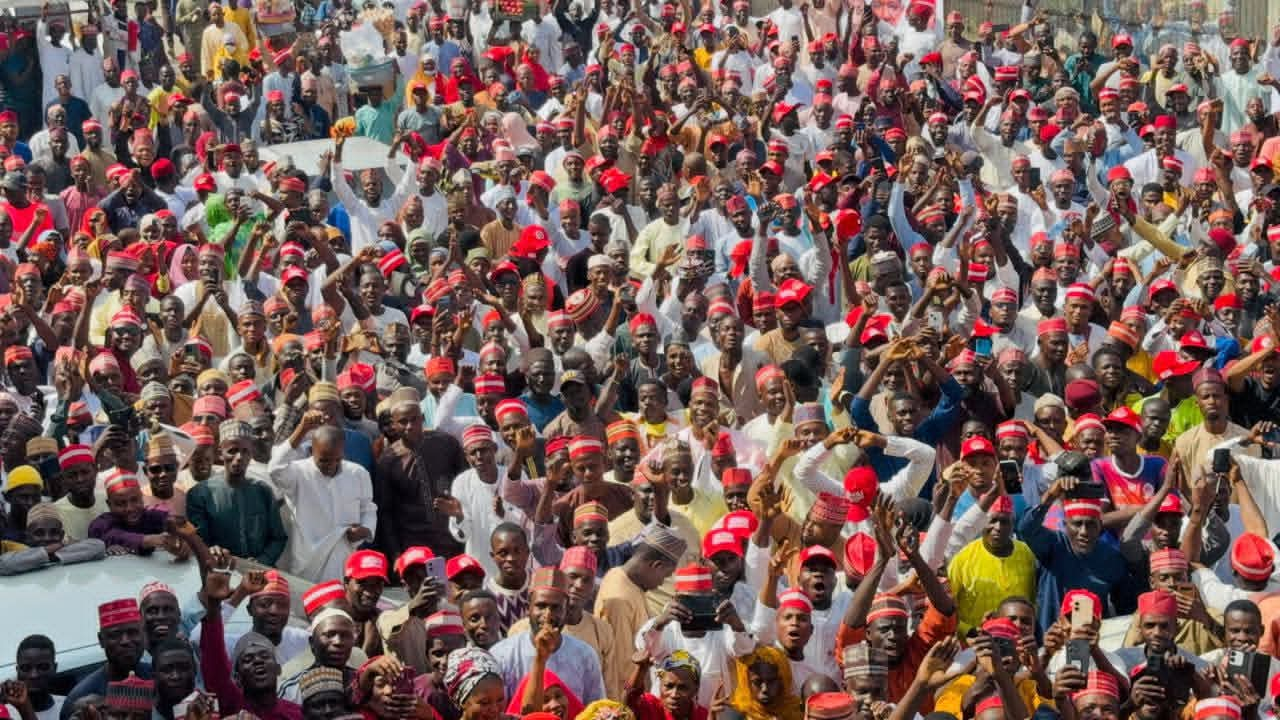
The Kwankwasiyya Movement has announced the appointment of new officials into strategic leadership positions as part of efforts to strengthen its organisational structure and enhance grassroots mobilisation.
KANO FOCUS reports that the announcement was made in an official statement issued by Saifullahi Hassan, media aide to Rabiu Musa Kwankwaso.
According to the statement, the appointments are in line with the movement’s commitment to strengthening leadership coordination and advancing its ideals across all levels.
Those appointed include AVM Ibrahim Umaru as Chief Security Officer; Dr. Yusuf Kofar Mata as Secretary, State Caucus; Hon. Nasiru Sule Garo as Secretary, CRC; Hon. Sanusi Surajo as Director of Mobilisation; Hon. Adamu Kibiya as Secretary, Kano PROPA; and Hon. Mustapha Rabi’u Musa as Secretary, Kwankwasiyya.
The movement said the appointments reflect its dedication to effective organisation and strategic engagement, noting that the newly appointed officials are expected to contribute significantly to the advancement of its objectives.
It congratulated the appointees and expressed confidence in their ability to diligently discharge their responsibilities in service to the movement and its supporters.
Ibrahim Khalil
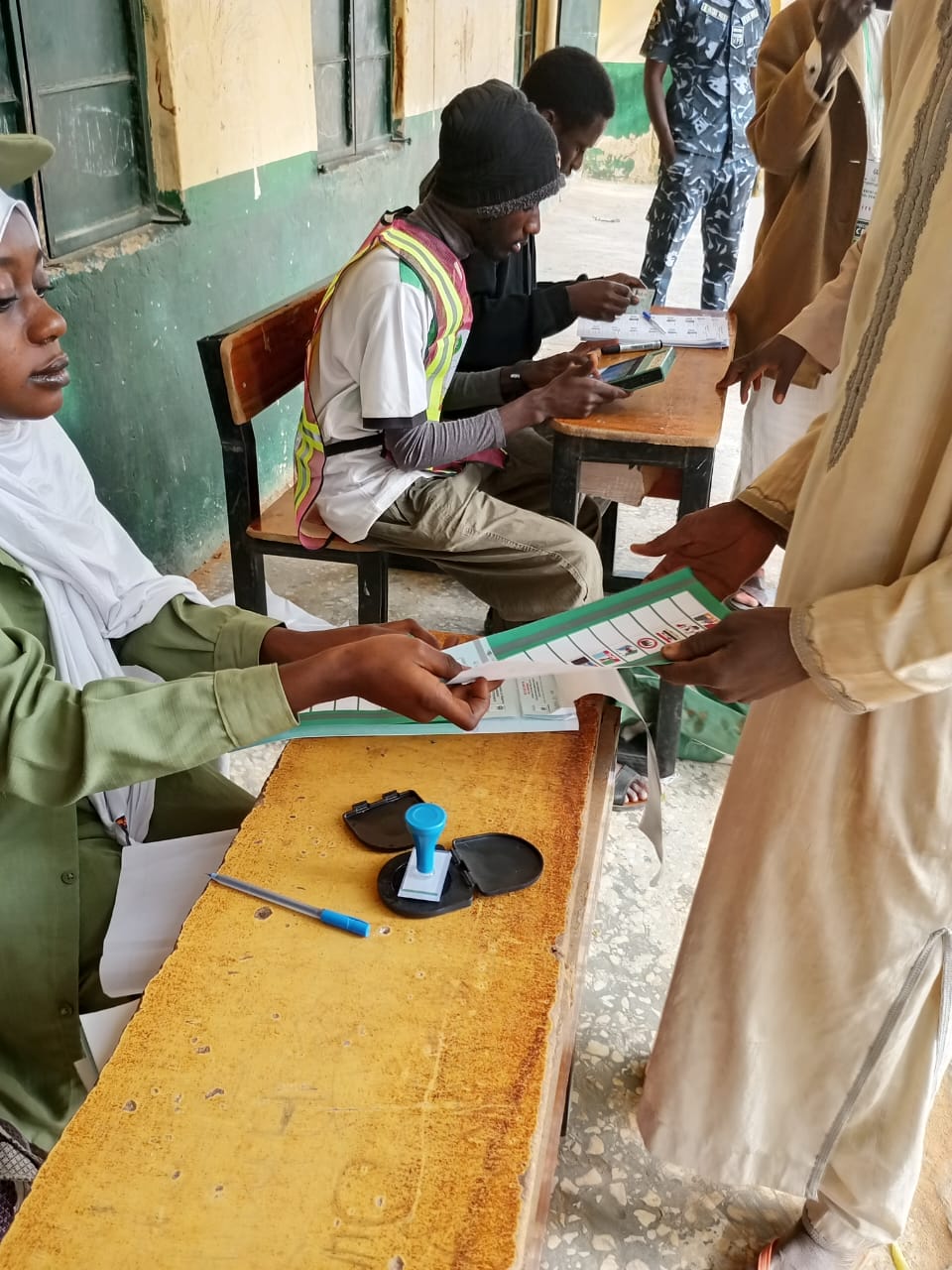
The Kwankwasiyya Movement has clarified its stance on the ongoing bye-elections in Kano Municipal and Ungogo State Assembly constituencies, saying its decisions were guided by compassion and principle rather than political expediency.
In a press statement issued on Saturday, and signed by its spokesperson, Habibu Sale Mohammed, Ph.D., the movement said the bye-elections followed the tragic death of the two lawmakers who represented the constituencies.
According to the statement, both deceased lawmakers were elected on the platform of the New Nigeria Peoples Party (NNPP) and were committed members of the Kwankwasiyya Movement until their passing.
The movement disclosed that its National Leader, Rabiu Musa Kwankwaso, in the spirit of compassion and continuity, supported the nomination of the deceased lawmakers’ children as the party’s flag bearers. The arrangement, it said, was adopted as a consensus during the mourning period.
However, the group noted that following the defection of Governor Abba Kabir Yusuf to the All Progressives Congress (APC), there were changes in the political landscape.
It alleged that on the eve of the final submission of candidates to the Independent National Electoral Commission (INEC), new nominations were made under the APC platform, including the House Leader in Ungogo Local Government and a Senior Special Assistant to the Governor for Kano Municipal.
The statement further claimed that after public backlash and disapproval, there was a reversal leading to the adoption of the same individuals earlier nominated under the NNPP, but this time as APC candidates. It added that the nominees subsequently resigned their NNPP membership and moved to the APC.
Despite the development, the Kwankwasiyya Movement said its National Leader maintained his earlier position that the children of the deceased lawmakers should be allowed to return to the State Assembly, regardless of the platform on which they were contesting.
The movement stated that the NNPP deliberately refrained from substituting the candidates’ names after their resignation from the party, describing the action as evidence that there is only one recognised and legitimate NNPP structure in Kano State.
It added that the absence of NNPP candidates on the ballot for the bye-elections, as recognised by INEC, puts to rest speculation about parallel party structures in the state.
Reaffirming its core values of loyalty, justice and compassion, the Kwankwasiyya Movement urged the public to disregard what it described as attempts to distort facts for political advantage.
Nasiru Yusuf Ibrahim
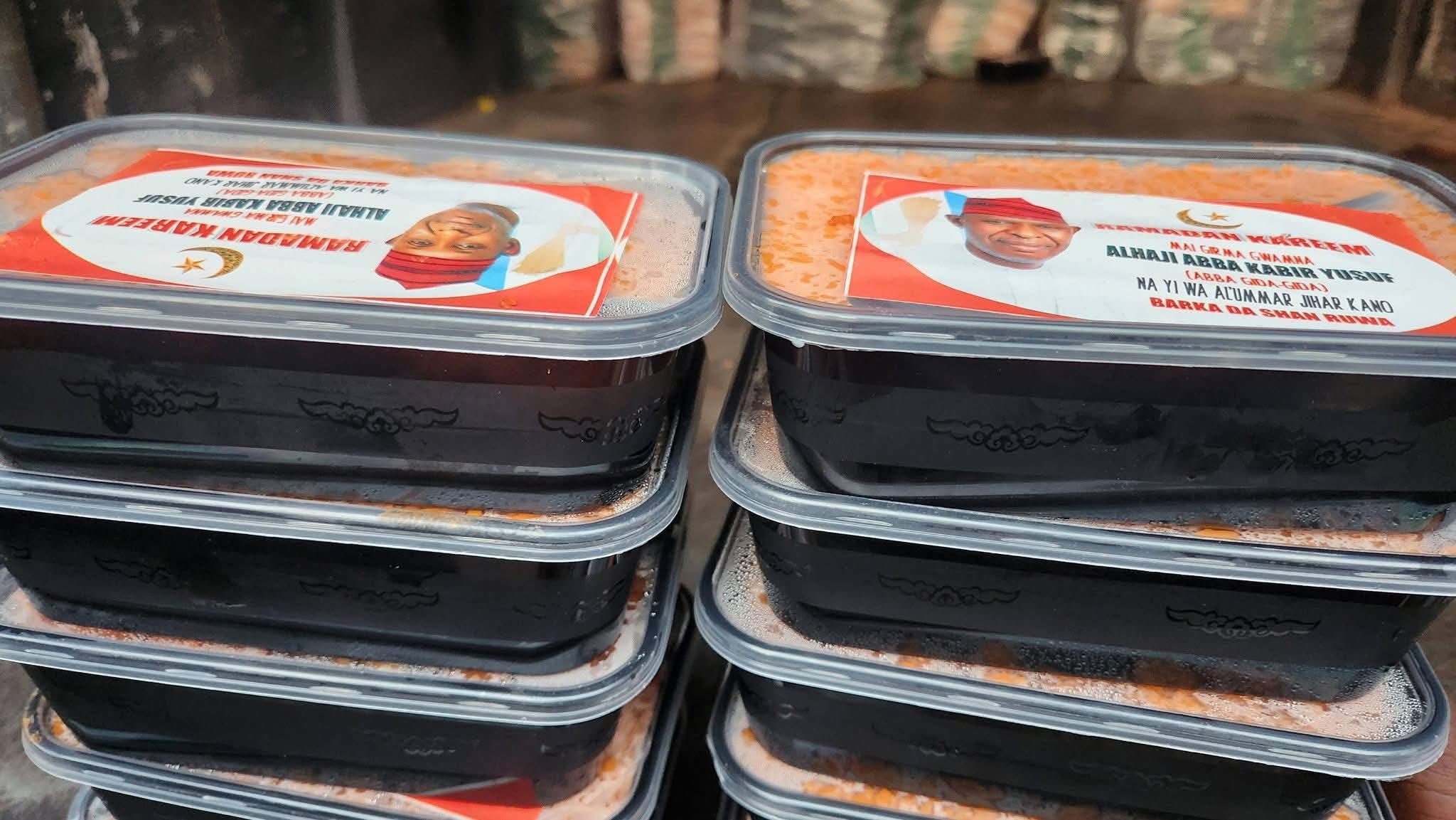
The Kano State Government has commenced the distribution of food items ahead of the 2026/1447AH Ramadan, following the approval of a Ramadan Feeding Programme Committee by Governor Abba Kabir Yusuf.
KANO FOCUS reports that the development was contained in a statement issued on Thursday by the Governor’s spokesperson, Sunusi Bature Dawakin Tofa.
According to the statement, food distribution began on Thursday, February 19, 2026, across 115 feeding centres located within the eight metropolitan local government areas of Kano State.
The governor said the initiative is designed to support the less privileged and ease the burden of fasting during the holy month of Ramadan. He urged members of the newly constituted committee to discharge their responsibilities with dedication, transparency and fear of God to ensure the success of the programme.
Committee Composition
The committee is chaired by the Commissioner for Religious Affairs, Ahmed Tijani Auwalu.
Other members include the Commissioner for Local Government, Muhammad Tajo Othman; Commissioner for Health, Dr. Abubakar Labaran Yusuf; Commissioner for Environment, Dr. Dahiru Hashim; Chairman of the Hisbah Board, Sheikh Ibrahim Shehu Maihula; and several special advisers and directors-general.
Also serving on the committee are the Accountant General of the State, Jamila Magaji Abdullahi; the Director General of the Hisbah Board, Abba Saidu Sufi; Director General, Media and Publicity, Sunusi Bature Dawakin Tofa; and Director General, Protocol, Abdullahi Ibrahim Rogo, among others.
All chairmen of the eight metropolitan local government areas—Tarauni, Fagge, Kano Municipal, Gwale, Nassarawa, Dala, Kumbotso and T/Wada—are members of the committee, alongside representatives from the Government House and the Zakkat Commission.
Akibu Isa Murtala, Special Adviser on Administration, will serve as Secretary, while Bilkisu Shehu Maimota, Permanent Secretary/AGS in the SSG’s Office, will serve as Co-Secretary.
Governor Yusuf reaffirmed that the Ramadan Feeding Programme remains a key social intervention initiative of his administration, aimed at promoting unity and providing relief to vulnerable residents across Kano State during the fasting period.

Kwankwasiyya movement announces key leadership appointments

Lamin Sani Kawaji: The Gallant Commander Behind Murtala Sule Garo

Kwankwasiyya movement explains position on Kano bye-elections

Kano begins Ramadan food distribution as Gov. Yusuf constitutes feeding committee

Friday Sermon: Imam Gusau urges Muslims to protect wealth through Zakah

Lami Maccido, first person to appear on screens of NTA Kano, CTV 67, dies at 72

Governor Yusuf Appoints Acting DG for Pilgrims Board, Names Provost for Anti-Corruption Institute

Kano Hospitals Board opens recruitment for consultant pediatricians

Kano govt investigates reported disease outbreak in Garko community

