
Headlines
Pantami warns against opening strange emails, using pirated software


Nasiru Yusuf
The Minister of Communications and Digital Economy, Dr. Isa Ali Ibrahim Pantami, has re-stated that the federal government is committed to strengthening cybersecurity in the country.
Dr Pantami gave this assurance on Thursday while delivering a keynote address at the Annual Cyber Security Conference organised by the Nigerian Communications Commission (NCC) at the Transcorp Hilton Hotel, Abuja.
The conference with the theme, “Strengthening the Security and Resilience of the Nation’s Communications Infrastructure” was attended by representatives from Ministries, Departments and Agencies (MDAs) of government, telecom companies, Information and Communication Technology (ICT) organisations, cyber security experts as well as representatives of institutions and agencies in the security governance sector and other relevant stakeholders.
According to the Minister, the volume of money being lost to cyber criminals globally explained the government’s commitment to securing the country’s national telecommunications infrastructure through necessary technical, legal and policy initiatives.

Dr Pantami affirmed that the National Digital Economy Policy and Strategy (NDEPS) unveiled by President Buhari on November 28, 2019, is aimed at deepening access to digital services for a more efficiently and effectively run economy. Accordingly, the Minister said the sixth of the eight pillars of the NDEPS thematically focused on ‘Soft Infrastructure’ is conceptualized to improve the cyber security architecture in the country.
“This Conference by the NCC is, therefore, fitting, as it aligns with the digital economy agenda of the government. So, as we deepen access to digital services in the country, I have to say that people need to know that once they are online, they are exposed to risks.
“For instance, just opening an email that you are not sure of the sender exposes your system and data to risks. Also, using pirated software should be avoided and we must update our software regularly to avoid being target of cyber criminals,” Dr Pantami said.
Speaking earlier, Prof. Umar Dambatta, Executive Vice Chairman, NCC, said the maiden annual cybersecurity summit highlights the importance and centrality of collaborative efforts in the advancement of cyber security measures to provide precautions and protection of critical communications infrastructure.
According to Dambatta, “the event was designed to provide a platform for discussion on developing a joint coordination for incidence response for the communication industry, introducing cyber insurance, bridging the cyber workforce gap, strengthening national cooperation, exchange of information, and development of comprehensive strategies that will address the cyber security challenges confronting the communications industry in Nigeria.”
The EVC stated that in addressing cybercrimes and boosting cyber security, technical measures and appropriate legal instruments must be put in place to enhance the resilience and integrity of ICT infrastructure and also to safeguard our activities in the cyberspace.
While restating the Commission’s efforts towards ensuring that the Internet is safer to use, Mr Dambatta emphasized the role of education to mitigate the negative impacts of cybercrime. The EVC highlighted the measures being taken by the Commission as follows:
– Collaboration with relevant stakeholders to embark on a nationwide cyber security awareness.
– Establishmet of a Cyber Security Incidence Response Team (CSIRT) Centre.
– Collaboration with relevant security agencies in the development of the National Cyber Security Policy;
– Development of Technical Framework for the Use of Social Media Network in Nigeria.
– Development of contents for consumer awareness and collaboration with stakeholders on the development of Data Privacy and Protection Act; and
– Carrying out a comprehensive risk and vulnerability assessment of the communications infrastructure and the industry.
The EVC also informed the audience at the conference that the Commission will soon commence a multi-stakeholder process for the development of an Industry Wide Obligation of Minimum Cyber Security Provisions which will apply to all operators.
The plenary session of the conference was followed with four panel discussions focused on: Developing a Joint Coordination for Incidence Response for the Communications Industry; Developing Cyber Insurance Product Stream: Barriers and Incentives; and Regulating Cyber Security Service Provision; and Bridging the Cyber Workforce Gap.





Nasiru Yusuf Ibrahim
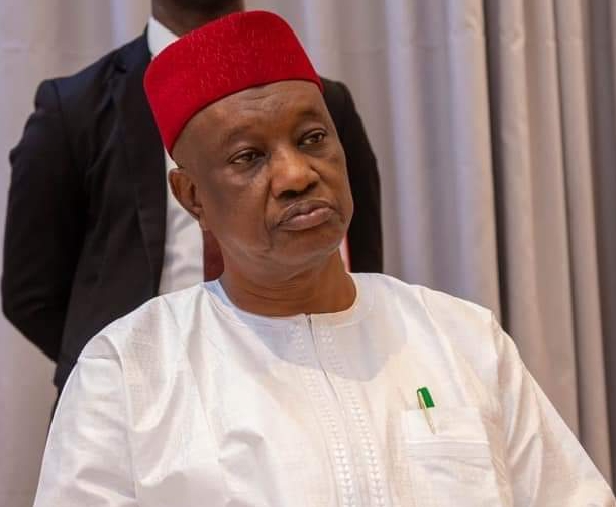
Alhaji Aliyu Lawan, popularly known as Majidadin Dambatta, has congratulated Alhaji Umar Haruna Doguwa on his election as Chairman of the All Progressives Congress (APC) in Kano State.
In a congratulatory message shared via Facebook, Lawan described Doguwa’s emergence as well deserved and expressed confidence in his ability to lead the party effectively in the state.
He also extended his congratulations to other executive members elected alongside Doguwa into various party offices, noting that their emergence reflects the trust and confidence reposed in them by party members and stakeholders across Kano State.
According to him, the development is a clear testament to the dedication, loyalty and commitment of the newly elected leaders to the unity, stability and progress of the party.
Lawan further prayed that Allah grants the new chairman and his team wisdom, strength and foresight as they assume the responsibility of steering the affairs of the APC in Kano State.
He expressed optimism that the new leadership would promote harmony, inclusiveness and effective leadership within the party, while bringing renewed vigour, unity and success to the APC in the state and beyond.
Nasiru Yusuf Ibrahim
The Kano State House of Assembly has issued a notice of impeachment to the Deputy Governor of Kano State, Comrade Aminu Abdulsalam Gwarzo.
KANO FOCUS reports the notice followed the presentation of a report by the Majority Leader of the House, Hon. Lawan Hussaini Chediyar Yan Gurasa, during plenary on Wednesday. The sitting was presided over by the Speaker, Jibril Isma’il Falgore.
While presenting the report, the Majority Leader explained that the action was taken in line with Section 188 of the Constitution of the Federal Republic of Nigeria, which outlines the procedure for the impeachment of a governor or deputy governor.
According to him, the impeachment notice was endorsed by 38 members of the Assembly.
He further stated that once the notice is formally served on the deputy governor, he will have 14 days to respond to the allegations contained in the document.
The development marks the beginning of the constitutional process that could lead to the impeachment of the deputy governor if the procedure continues as stipulated by law.
Nasiru Yusuf Ibrahim
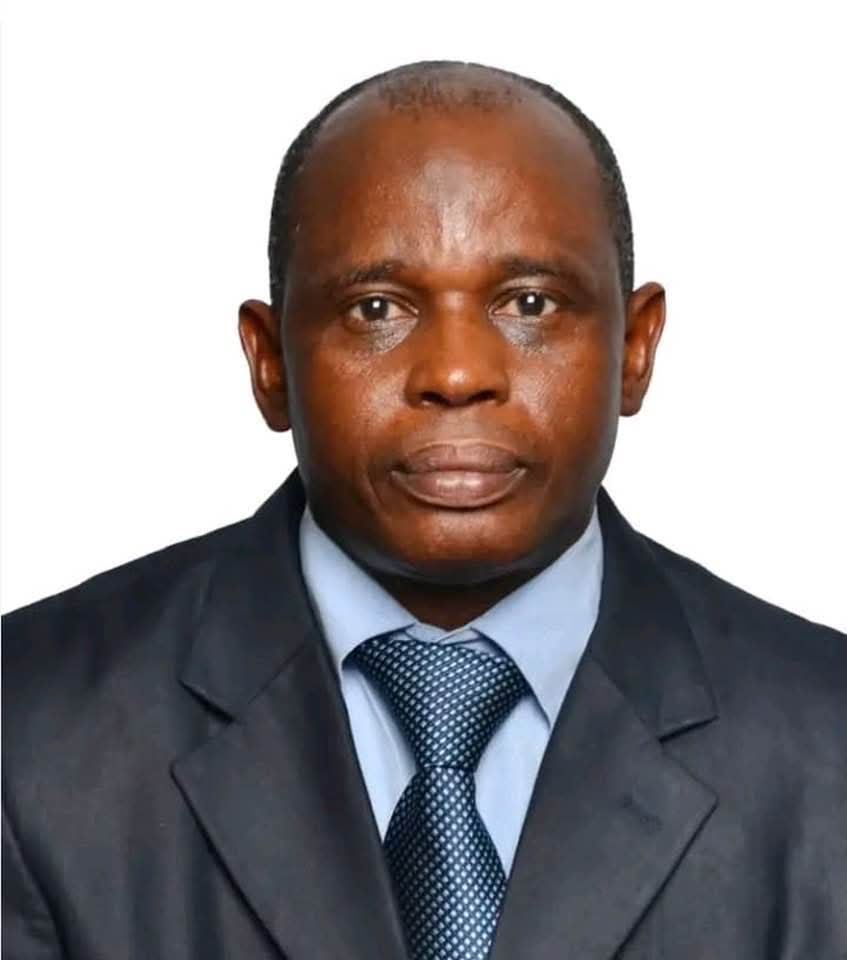
Governor Abba Kabir Yusuf has expressed deep sorrow over the death of former Kano State Commissioner of Finance and renowned academic, Professor Kabiru Isa Dandago.
KANO FOCUS reports that the governor’s reaction was contained in a statement issued on Wednesday by his spokesperson, Sunusi Bature Dawakin Tofa, Director General, Media and Publicity, Government House, Kano.
Governor Yusuf described the late Prof. Dandago as a dedicated public servant and accomplished scholar whose contributions to education and governance left lasting footprints in Kano State.
He noted that the former finance commissioner served the state with integrity and commitment and was widely respected for his professionalism, humility and passion for knowledge.
According to the governor, Kano State has lost a valuable son whose experience and wisdom greatly enriched both public service and the academic community.
Governor Yusuf extended his heartfelt condolences to the family of the deceased, the academic community and the people of Kano State over what he described as an irreparable loss.
He prayed that Almighty Allah forgives the shortcomings of the late Prof. Dandago, grants him Aljannatul Firdaus and gives his family and loved ones the fortitude to bear the loss.

Majidadin Dambatta congratulates Doguwa on emergence as Kano APC chairman

Kano Assembly issues impeachment notice to Deputy Governor Gwarzo

Gov. Yusuf mourns former Kano finance commissioner, Prof. Dandago

Abba Care: A Lifeline of Compassion in Kano State
GATCOSA President, Prof. Kabiru Isa Dandago is dead

Lami Maccido, first person to appear on screens of NTA Kano, CTV 67, dies at 72

Kano begins Ramadan food distribution as Gov. Yusuf constitutes feeding committee

Kano Police announce movement restrictions ahead of assembly by-elections

Kano Govt announces March 1 for schools’ Ramadan break

