
News
Civil Society Group Commends NCC for Digital Economy Initiatives


Nasiru Yusuf
The Civil Society Groups for Good Governance (CSGGG), a coalition of over 180 civil society organizations, has commended the Management of the Nigerian Communications Commission (NCC) led by its Executive Vice Chairman (EVC), Umar Garba Danbatta, for driving various regulatory initiatives for the development of country’s digital economy.
KANO FOCUS reports that the president of the group, Ogakwu Dominic, gave the commendation during a visit to the Commission’s Head Office in Abuja on Thursday, October 21, 2021 to present an award and appreciation letter to the EVC.
According to Dominic, the certificate of performance presented to the EVC was in recognition of his efforts in driving regulatory initiatives under his supervision and more importantly, to appreciate NCC’s support for the successful hosting of a recently-concluded ‘RoundTable on Digital economy’.
“The EVC has demonstrated high level of patriotism, commitment and statesmanship and as such, the Certificate of Performance (CoP) we are presenting today is to commend you for your renowned track record as a leader with great passion focused on effective growth and advancement of the Nigerian economy as the basis for enhanced national development,” Dominic said.

Receiving the delegation on behalf of the EVC, the Assistant Director, Digital Economy, NCC, Uket Bassey, appreciated the award and certificate presented to the NCC boss, saying it is symbolic of the fact that, an important organisation like the Civil Society Groups for Good Governance appreciate the good work the Commission has been doing to create digital access for all and sundry.
Bassey said, as the telecom regulator, the Commission aims to support and partner with all relevant stakeholders and Nigerians at large.
This, according to him, will ensure that the growth of the country’s socio-economic system is sustained through promotion of universal access and service to all Nigerians, regardless of their circumstances.

Nasiru Yusuf Ibrahim
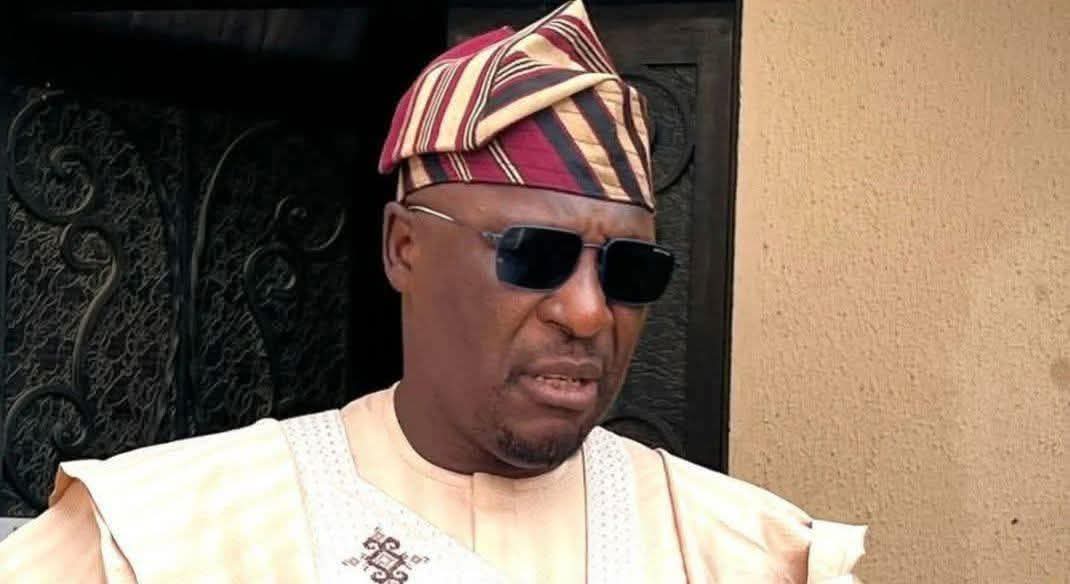
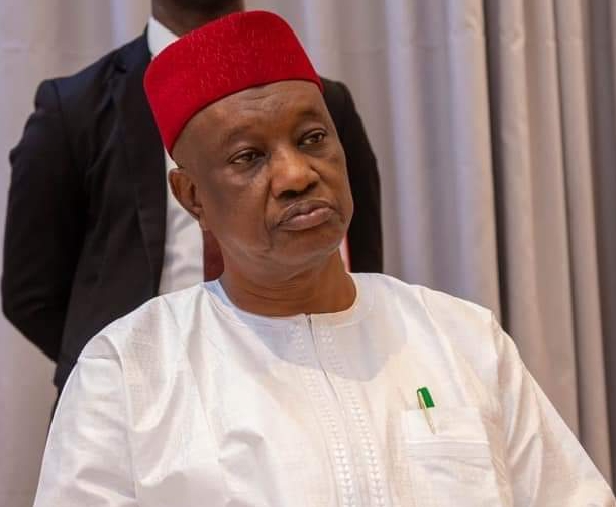
Alhaji Aliyu Lawan, popularly known as Majidadin Dambatta, has congratulated Alhaji Umar Haruna Doguwa on his election as Chairman of the All Progressives Congress (APC) in Kano State.
In a congratulatory message shared via Facebook, Lawan described Doguwa’s emergence as well deserved and expressed confidence in his ability to lead the party effectively in the state.
He also extended his congratulations to other executive members elected alongside Doguwa into various party offices, noting that their emergence reflects the trust and confidence reposed in them by party members and stakeholders across Kano State.
According to him, the development is a clear testament to the dedication, loyalty and commitment of the newly elected leaders to the unity, stability and progress of the party.
Lawan further prayed that Allah grants the new chairman and his team wisdom, strength and foresight as they assume the responsibility of steering the affairs of the APC in Kano State.
He expressed optimism that the new leadership would promote harmony, inclusiveness and effective leadership within the party, while bringing renewed vigour, unity and success to the APC in the state and beyond.
Nasiru Yusuf Ibrahim
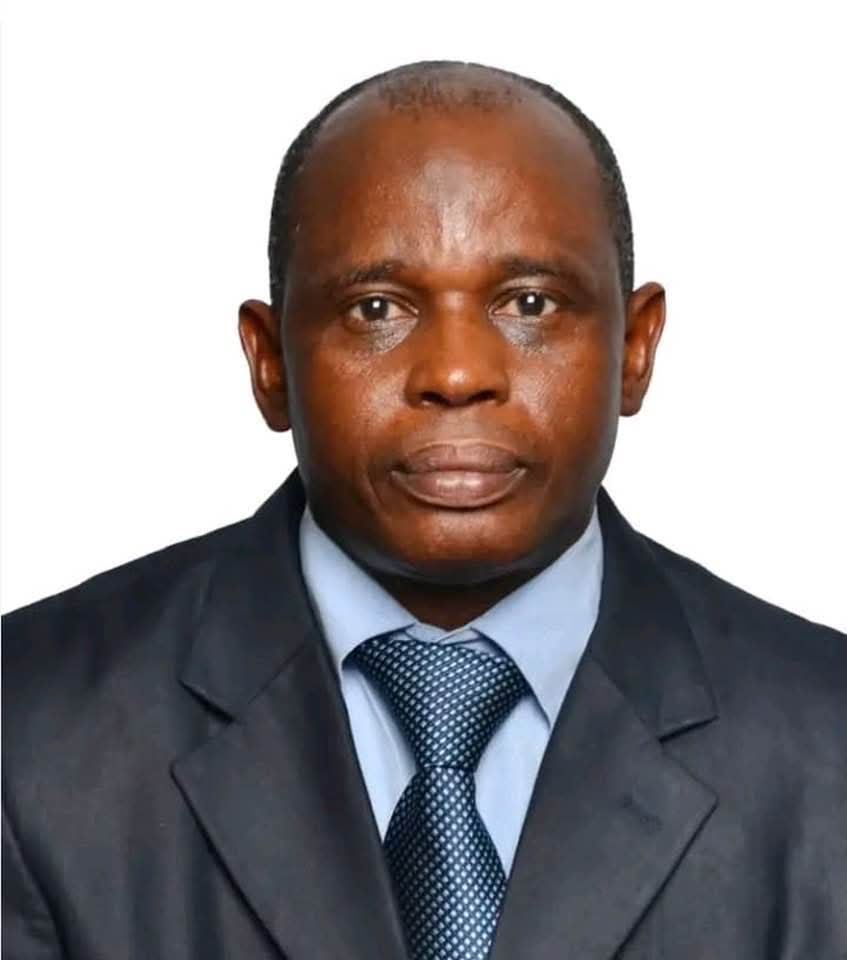
The Kano State House of Assembly has issued a notice of impeachment to the Deputy Governor of Kano State, Comrade Aminu Abdulsalam Gwarzo.
KANO FOCUS reports the notice followed the presentation of a report by the Majority Leader of the House, Hon. Lawan Hussaini Chediyar Yan Gurasa, during plenary on Wednesday. The sitting was presided over by the Speaker, Jibril Isma’il Falgore.
While presenting the report, the Majority Leader explained that the action was taken in line with Section 188 of the Constitution of the Federal Republic of Nigeria, which outlines the procedure for the impeachment of a governor or deputy governor.
According to him, the impeachment notice was endorsed by 38 members of the Assembly.
He further stated that once the notice is formally served on the deputy governor, he will have 14 days to respond to the allegations contained in the document.
The development marks the beginning of the constitutional process that could lead to the impeachment of the deputy governor if the procedure continues as stipulated by law.
Nasiru Yusuf Ibrahim
Governor Abba Kabir Yusuf has expressed deep sorrow over the death of former Kano State Commissioner of Finance and renowned academic, Professor Kabiru Isa Dandago.
KANO FOCUS reports that the governor’s reaction was contained in a statement issued on Wednesday by his spokesperson, Sunusi Bature Dawakin Tofa, Director General, Media and Publicity, Government House, Kano.
Governor Yusuf described the late Prof. Dandago as a dedicated public servant and accomplished scholar whose contributions to education and governance left lasting footprints in Kano State.
He noted that the former finance commissioner served the state with integrity and commitment and was widely respected for his professionalism, humility and passion for knowledge.
According to the governor, Kano State has lost a valuable son whose experience and wisdom greatly enriched both public service and the academic community.
Governor Yusuf extended his heartfelt condolences to the family of the deceased, the academic community and the people of Kano State over what he described as an irreparable loss.
He prayed that Almighty Allah forgives the shortcomings of the late Prof. Dandago, grants him Aljannatul Firdaus and gives his family and loved ones the fortitude to bear the loss.

Majidadin Dambatta congratulates Doguwa on emergence as Kano APC chairman

Kano Assembly issues impeachment notice to Deputy Governor Gwarzo

Gov. Yusuf mourns former Kano finance commissioner, Prof. Dandago

Abba Care: A Lifeline of Compassion in Kano State
GATCOSA President, Prof. Kabiru Isa Dandago is dead

Lami Maccido, first person to appear on screens of NTA Kano, CTV 67, dies at 72

Kano begins Ramadan food distribution as Gov. Yusuf constitutes feeding committee

Kano Police announce movement restrictions ahead of assembly by-elections

Kano Govt announces March 1 for schools’ Ramadan break

