
Headlines
Kano Partners UNESCO, Korea to enhance technical, vocational education


Nasiru Yusuf Ibrahim
Kano State Government would work closely with United Nations Educational, Scientific and Cultural Organization (UNESCO) and Republic of Korea to enhance technical and vocational education across the state.
KANO FOCUS reports that the State Commissioner of Education Alhaji Umar Haruna Doguwa gave the assurance on Friday during a stakeholders meeting with a team under UNESCO project popularly known as Better Education for Africa’s Rise (BEAR III).
Doguwa said there is no better time to hold such stakeholders meeting on education than now as the present administration of Alhaji Abba Kabir Yusuf embarks on creating policies and programmes aimed at boosting the education standard in the state.

” This is the best time when the Government of Alhaji Abba Kabir Yusuf embarks on developing new agenda that are meant to revitalize the entire system of education in Kano which suffered neglect for some years. One of this agenda is to give technical and vocational training to our teaming youth to become self reliance.
” Kano State Government is therefore ready to work with this project under UNESCO and Republic of Korea to enhance technical and vocational training more especially among our students in primary and post primary schools ” he stated.
Doguwa however called on the project coordinator to look in to the possibility for making upward review of the share appropriated to Kano state under the project considering it’s population.
” I want to tell you that Kano State is a very big state that can stand for another country in terms of population. We have about 5.3 million students in primary and post primary schools and this explained the need for Kano to be given the largest shares under this project ” Doguwa demanded.
He further explained that in Kano there are more than 20 institutes meant to provide empowerment skills on different programmes, stressing that government would welcome any intervention from the donor partners to make those institutes more productive.
Earlier, the Head of office UNESCO Abuja Abdourahamane Diallo said the stakeholders meeting was organized to give the general overview of Better Education for Africa’s Rise project which is going to be implemented in Kano.
Mr. Diallo explained that the project is a joint initiative between UNESCO and Republic of Korea to strengthen the technical and vocational education and training (TVET) systems of selected countries in Africa.
” The third phase of the BEAR project will be implemented in four new beneficiary countries in West Africa including Cote d’ivoire, Ghana, Nigeria and Sierra leone from 2023-2024 building on the positive and sustainable outcomes of the BEAR II project.
” Therefore Better Education for Africa’s Rise project (BEAR III) aims to give young people in West Africa better chance of accessing decent employment by promoting sustainable improvement in the technical and vocational education and training system of beneficiary countries ” he disclosed.
Presenting the project overview, the project regional coordinator of BEAR III Manish Joshi said the project is designed to at the end of the day achieve three basic outcomes that include making the project more relevant to the need of the beneficiary countries, enhancing the quality of technical and vocational education and training delivered to trainees and improving perception of the project among young people.
At the end of the stakeholders meeting, the team was led by the Commissioner of Education Alhaji Umar Haruna Doguwa for a visitation exercise to state farm land at Karfi in Kura Local Government Area and Dangote Utra-Model Skills Acquisition Center.





Nasiru Yusuf Ibrahim
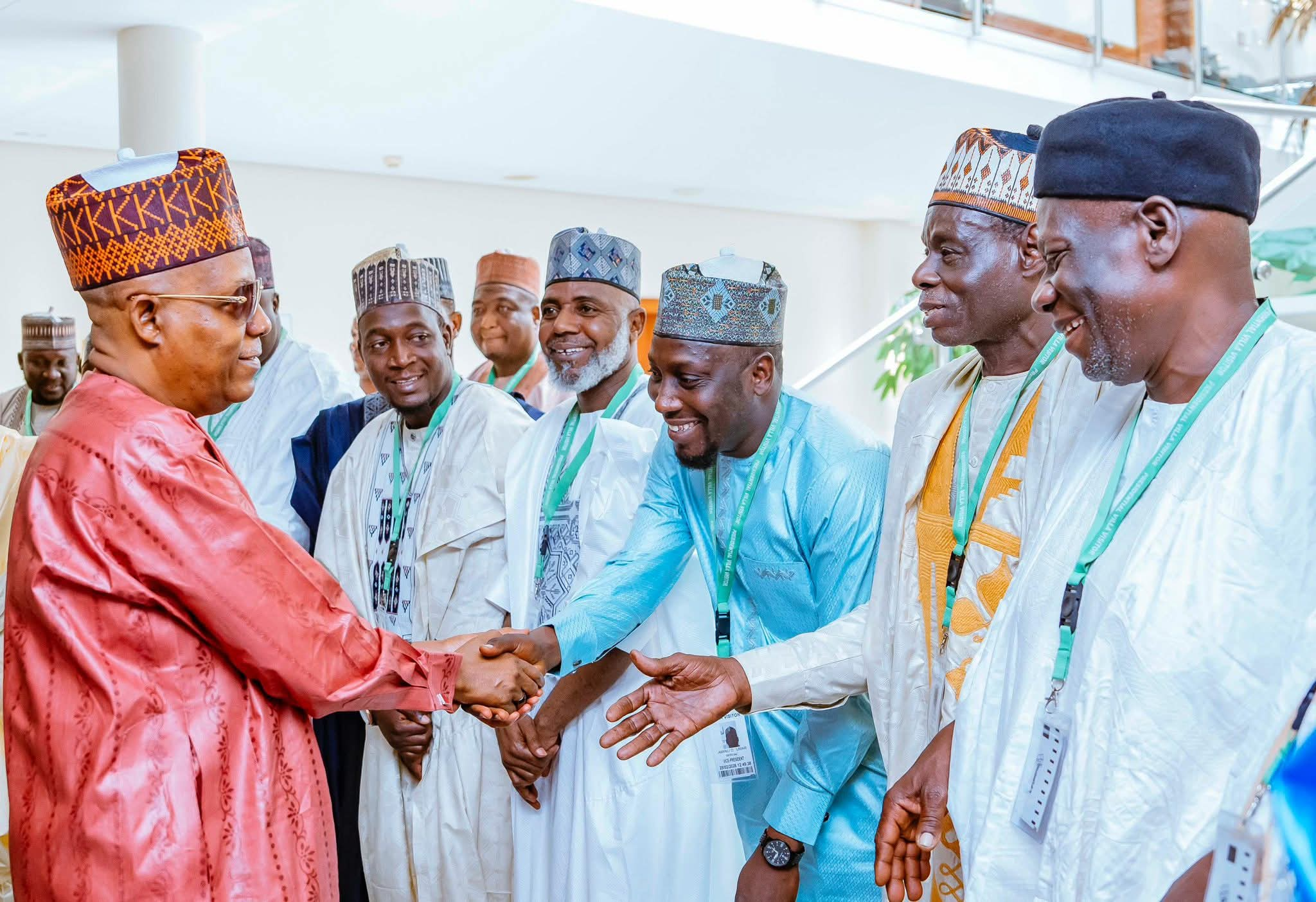
Nigeria’s Vice President, Kashim Shettima, on Tuesday received a delegation from the Association of Kano Business Community at the Presidential Villa, Abuja, during a thank-you visit to President Bola Ahmed Tinubu.
KANO FOCUS reports that the delegation expressed appreciation to the Federal Government for its support to traders and other victims affected by the recent fire incident that razed several sections of the popular Singer Market in Kano.
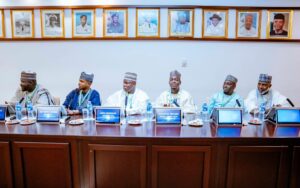
Speaking during the meeting, the Vice President reaffirmed the Federal Government’s commitment to collaborating with the Kano State Government and relevant agencies to prevent a recurrence of fire outbreaks in markets across the state.
He assured the delegation that President Tinubu has the interests of Kano people at heart, noting that the N5 billion approved as immediate relief for victims was based on the findings of a preliminary assessment of the damage caused by the inferno.
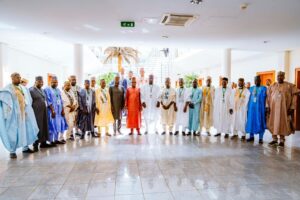
Shettima reiterated that the Federal Government would continue to support efforts aimed at restoring commercial activities and strengthening safety measures in markets to protect lives and property.
Nasiru Yusuf Ibrahim
The Kano State Government has inaugurated a 23-member committee to oversee the transparent and equitable distribution of financial assistance and relief materials to victims of the recent Singer Market fire disaster.
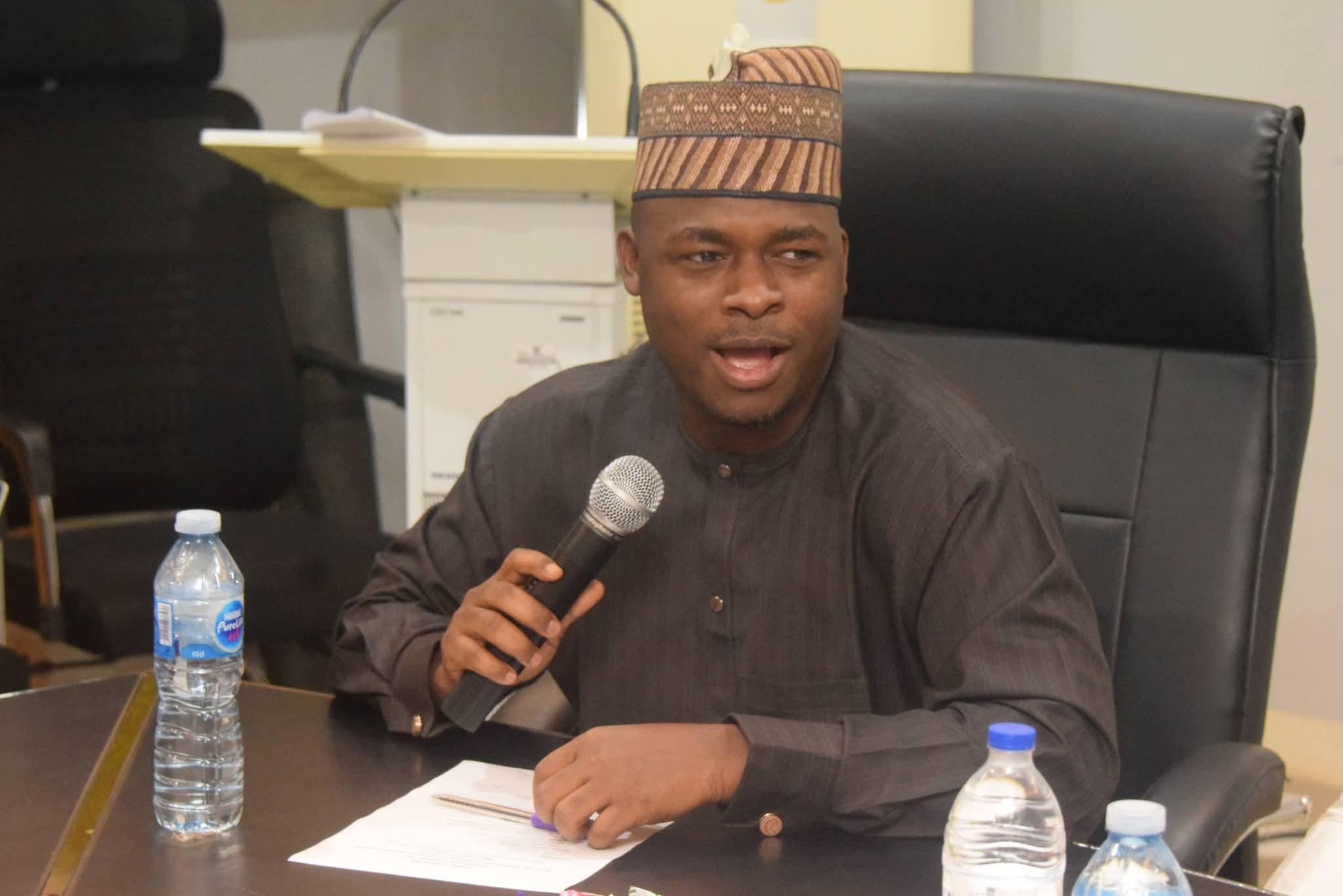
KANO FOCUS reports that the inauguration was carried out on behalf of the Secretary to the State Government, Umar Faruq Ibrahim, who chairs the committee. The event was presided over by the state Attorney-General and Commissioner for Justice, Abdulkarim Kabiru Maude.
According to the Attorney-General, the committee comprises representatives from key government agencies, security services, the Kano Emirate Council, religious leaders, and affected traders.
He said the panel’s mandate includes assessing the extent of losses, verifying genuine victims, ensuring timely distribution of support, and recommending measures to prevent future fire incidents.
The intervention follows support approved by President Bola Ahmed Tinubu, as well as contributions from the APC Governors Forum. It also comes in addition to earlier assistance provided by Governor Abba Kabir Yusuf and the Deputy Senate President, Barau I. Jibrin.
The state government reaffirmed its commitment to supporting victims of the disaster and restoring commercial activities at Singer Market.
Nasiru Yusuf Ibrahim
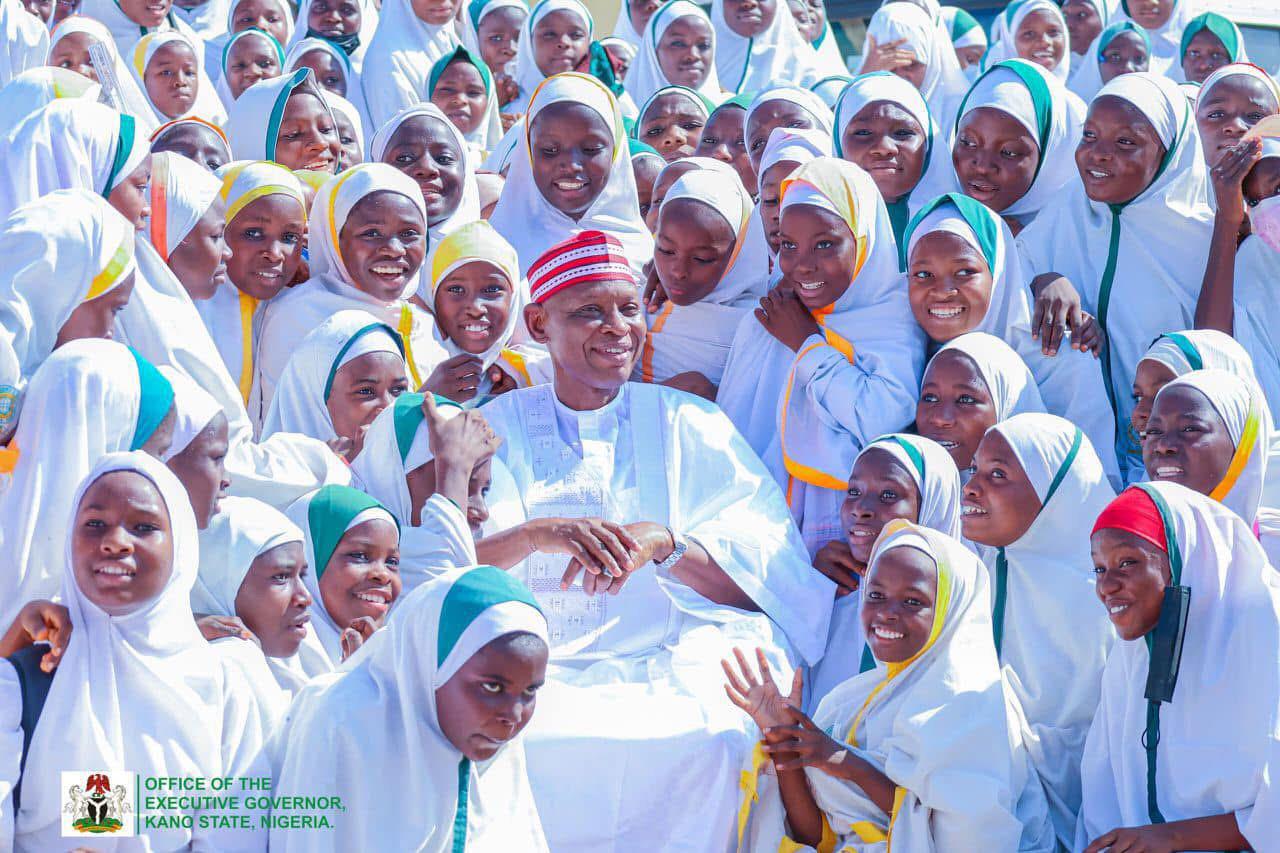
The Kano State Government has announced Saturday, March 1, 2026, as the commencement date for the Eid-el-Fitr break for all public and private primary and post-primary schools in the state.
KANO FOCUS reports that the announcement, contained in the approved 2025/2026 academic calendar, applies to both day and boarding schools across the state.
According to a statement issued by the Director of Public Enlightenment, Musbahu Aminu Yakasai, parents and guardians of pupils and students in boarding schools are expected to convey their wards home by the early hours of Friday, February 28, 2026.
The statement further explained that boarding school students are to resume on Sunday, March 22, 2026, while day students are to resume on Monday, March 23, 2026.
It added that the second term will continue from Sunday, March 22, 2026, and end on Saturday, April 18, 2026.
The government directed all public and private schools in the state to comply strictly with the directive, warning that non-compliance would be treated as a breach of government instructions.
The Commissioner for Education, Ali Haruna Abubakar Makoda, urged parents and guardians to ensure full compliance with the approved resumption dates.
He appreciated parents and residents of the state for their continued cooperation and support to the ministry, and wished pupils and students a successful completion of the Ramadan fast and hitch-free Sallah celebrations.

Kano business community thanks FG for N5bn Singer market relief

Kano Govt inaugurates 23-member committee to disburse Singer market fire relief

Kano Govt announces March 1 for schools’ Ramadan break

NCC board chair hosts licensed telecoms operators in Lagos

Stakeholders seek stronger nutrition financing at local government level

Lami Maccido, first person to appear on screens of NTA Kano, CTV 67, dies at 72

Governor Yusuf Appoints Acting DG for Pilgrims Board, Names Provost for Anti-Corruption Institute

Kano govt investigates reported disease outbreak in Garko community

K-SAFE appeals to Kano Executive Council to pass revised education bill

