
Headlines
Gov Yusuf declares state of emergency on education, set to construct 1,000 classrooms, employ 10,00 teachers


Nasiru Yusuf Ibrahim
Governor Abba Kabir Yusuf on Saturday declared a state of emergency on education in the state, with a promise to immediately employ 10, 000 teachers across the state.
KANO FOCUS reports that the declaration took place at the Kano Government House, with the governor emphasising that the era of educational negligence in the state is over.
The governor said the Kano educational landscape, once a beacon of hope and opportunity for the youth and an example for other states to copy, is now in a state of decadence.

“The problems are multi-faceted; we face a severe shortage of qualified teachers, inadequate teacher training programmes, and a lack of basic amenities such as clean water and sanitation in many of our schools.
“These issues, coupled with the socioeconomic challenges that many of our students face, create an environment where education is not just difficult, but nearly impossible,” he lamented.
The governor said an additional 300 state- of-the-art laboratories in 100 schools across the state will be provided. The provision of these facilities, he said, will provide students with hands-on experience in scientific inquiry, fostering a culture of experimentation and discovery that is essential for their future success.
In order to create a more conducive atmosphere for learning, he announced the construction of 1, 000 classrooms across the state within the next academic session.
“This measure will, no doubt, mitigate classroom congestion that has become a common feature of most of our schools.
We have also directed that all contractors handling inherited abandoned projects in our tertiary institutions go back to site immediately,” he said.
As part of the emergency action, the governor approved the hiring of additional 10,000 teachers, adding that teachers will enjoy periodic training and retraining so as to achieve the vision of making “every teacher, a caring educator.”
He added:“At least 1,000 Academic and non-academic staff will be employed into tertiary institutions.
“This declaration is not just symbolic; it signifies a commitment to overhaul our education system. We will invest in infrastructure, ensuring that every school has adequate classrooms conducive to teaching and learning.
“We will also prioritise teacher training and welfare, recognising their pivotal role in shaping the minds of tomorrow.”

Nasiru Yusuf Ibrahim
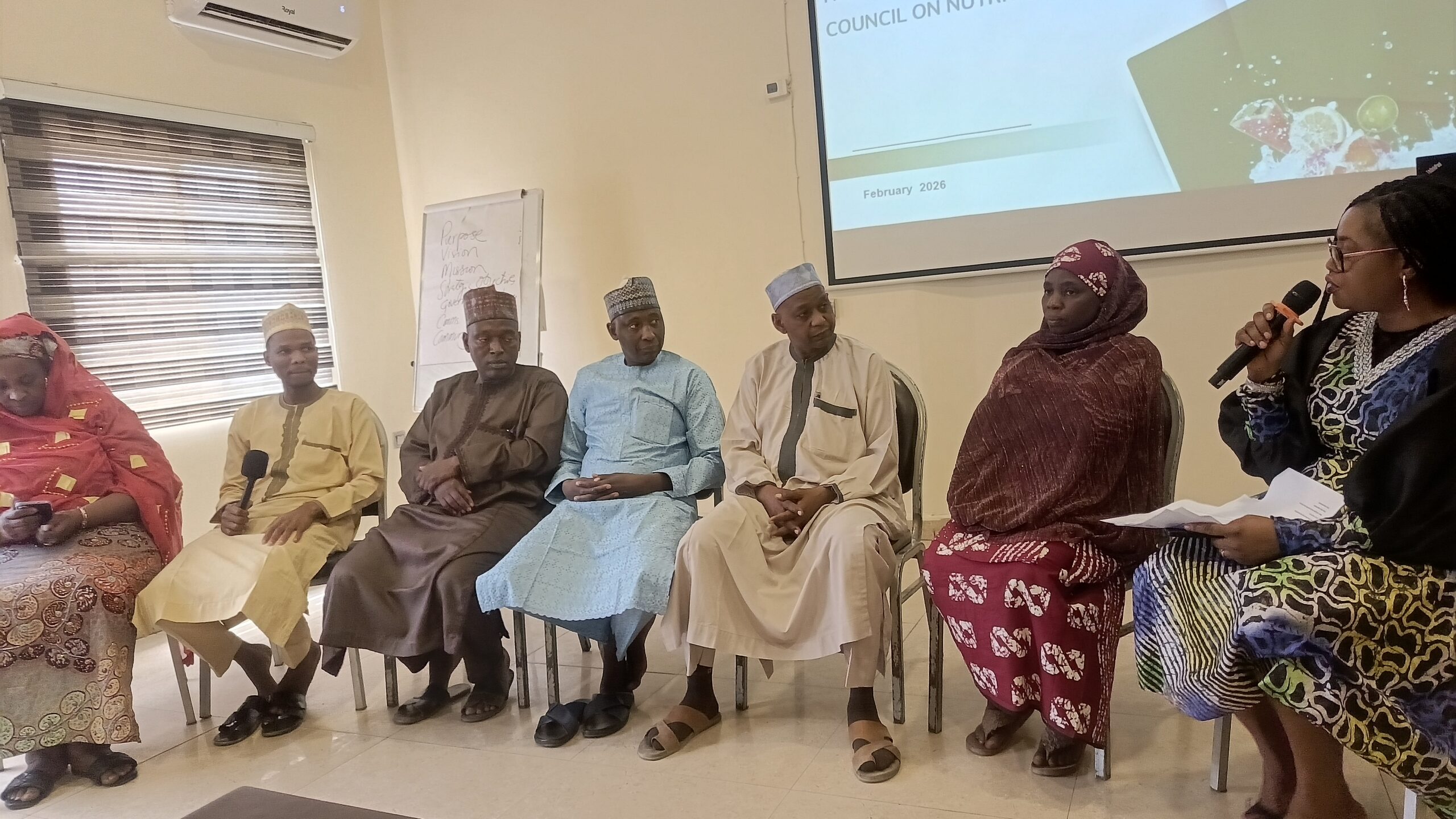
Civil society organisations, government officials and development partners have called for stronger financing, improved coordination and enhanced accountability to tackle malnutrition at the Local Government Area (LGA) level.
KANO FOCUS reports that the call was made at a high-level meeting convened by the Civil Society Scaling Up Nutrition in Nigeria in collaboration with the State Committee on Food and Nutrition. The meeting brought together representatives of LGAs, relevant ministries, departments and agencies, development partners, media actors and nutrition advocates to review the status of nutrition financing and governance at the grassroots.
Participants described the forum as a strategic platform for dialogue and collective commitment aimed at accelerating progress in addressing malnutrition through strengthened governance structures, sustainable financing and community-driven accountability systems.
Key Concerns Raised
Stakeholders expressed concern over the persistently high burden of malnutrition in several LGAs, noting alarming rates of stunting, wasting, micronutrient deficiencies and maternal malnutrition. They warned that these trends pose serious threats to child survival, cognitive development and long-term productivity.
The meeting also highlighted inadequate and inconsistent budgetary allocations for nutrition-specific and nutrition-sensitive interventions across federal, state and LGA levels. In many cases, participants observed, funds are either insufficient or released irregularly, undermining effective implementation and sustainability of nutrition programmes.
Other challenges identified included weak multi-sectoral coordination among critical sectors such as health, agriculture, education, water, sanitation and hygiene (WASH), and social protection; limited community engagement and accountability systems; and technical capacity gaps at the LGA level affecting planning, budgeting, monitoring and reporting.
Resolutions and Commitments
In response to the identified gaps, stakeholders resolved to prioritise investment in preventive, high-impact, low-cost nutrition interventions while strengthening curative measures at the grassroots. They emphasised that LGA budget allocations should focus more on preventive strategies to reduce long-term costs and save more lives.
Participants also pledged support for scaling up the local production of Ready-to-Use Therapeutic Food (RUTF) as both a preventive and therapeutic measure against acute malnutrition, while strengthening local economic value chains.
The meeting further resolved to improve budgetary releases for nutrition interventions, reactivate and strengthen Local Government Committees on Food and Nutrition (LGCFN), and revitalise coordination mechanisms at state and LGA levels to ensure integrated, evidence-based programming.
Stakeholders committed to facilitating continuous capacity building for LGA nutrition focal persons, civil society organisations and community structures. They also agreed to institutionalise community-led monitoring and social accountability mechanisms to track budget releases and service delivery performance.
In addition, participants called for intensified behaviour change communication campaigns promoting optimal Infant and Young Child Feeding (IYCF), dietary diversity, micronutrient supplementation and maternal nutrition. Traditional, religious and community leaders, as well as women’s groups, are to be engaged as nutrition champions.
Call to Action
The meeting urged state governments to prioritise nutrition in annual budgets, ensure timely release and efficient utilisation of funds, and institutionalise performance tracking mechanisms.
Local Government Authorities were called upon to mainstream nutrition into development plans, strengthen primary healthcare delivery systems, ensure functional Ward Development Committees and reactivate LGCFN platforms.
Development partners were encouraged to sustain and expand technical and financial support in alignment with national and subnational priorities.
Communities and caregivers were advised to adopt improved nutrition practices for children, adolescents, pregnant women and lactating mothers.
The media and civil society organisations were also tasked with institutionalising quarterly budget performance review sessions across the 44 LGAs, publicly recognising high-performing LGAs while constructively engaging those performing below expectations.
Commitment to Action
In their concluding remarks, stakeholders reaffirmed that improving nutrition at the LGA level is urgent and foundational to Nigeria’s socio-economic transformation. They stressed that ending malnutrition requires coordinated action, strong political will, transparent financing, empowered communities and sustained investment.
The communiqué was endorsed by Tijjani M., Mustapha Uba and Aminu Musa Saji of the Ministry for Local Government, as well as Sheriff Abubakar of CS-SUN Kano State.
Nasiru Yusuf Ibrahim
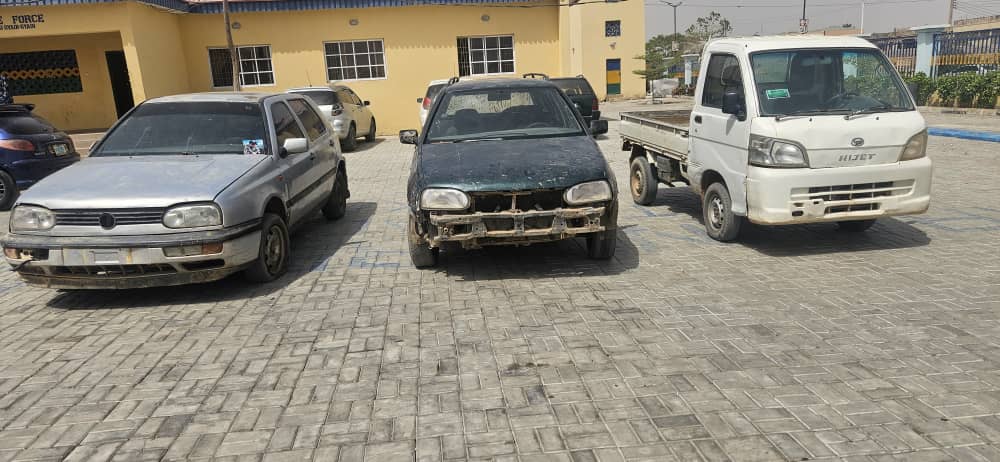
The Kano State Police Command has arrested six suspected members of a car theft syndicate and recovered three stolen vehicles in a major breakthrough against vehicle-related crimes in the state.
KANO FOCUS reports that the arrest followed intelligence-led operations by the Command’s Special Intervention Squad (SIS), acting on the directive of the Inspector-General of Police, Kayode Adeolu Egbetokun, to intensify technology-driven crime-fighting strategies.
According to a statement issued on February 22, 2026, by the Police Public Relations Officer, CSP Abdullahi Haruna Kiyawa, the operation was carried out under the supervision of the Commissioner of Police, Ibrahim Adamu Bakori.
The statement said the prime suspect, Aliyu Mamman, 35, was arrested on February 13, 2026, at Hotoro Ring Road in Kano. The suspect, a resident of Gusau Local Government Area of Zamfara State, allegedly confessed to stealing vehicles in Kano, Kaduna and Katsina states.
During interrogation, Mamman reportedly implicated other members of the syndicate identified as Abdulhamid Usman, Saliha Abdulhamid, Auwal Shuaibu, Sani Bala and Ahmad Mannir. All six suspects are currently in police custody.
Police said the suspects’ confessions led to the recovery of three stolen vehicles: a Golf Wagon, a Golf Opel and a Hijet (popularly known as Kurkura).
Commissioner of Police Bakori commended the Special Intervention Squad for their professionalism and dedication, noting that the Command remains committed to sustaining operations aimed at curbing criminal activities across the state.
The police urged residents to remain vigilant and report suspicious activities to the nearest police station or through the Command’s emergency numbers: 08032419754, 08123821575 and 09029292926.
The Command reaffirmed its commitment to maintaining law and order and ensuring a safe and secure environment for all residents in line with the Inspector-General’s vision of community-oriented policing.
Nasiru Yusuf Ibrahim
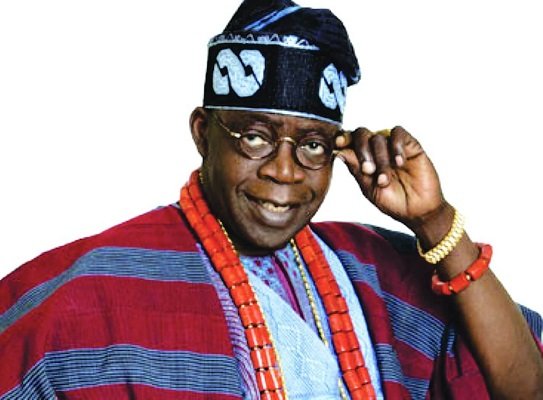
President Bola Ahmed Tinubu has congratulated the winners of Saturday’s bye-elections in Kano State, describing their victory as a sacred mandate from the people.
In a State House press release issued on February 22, 2026, and signed by his Special Adviser on Information and Strategy, Bayo Onanuga, the President lauded the outcome of the polls conducted by the Independent National Electoral Commission (INEC) in Kano Municipal and Ungogo constituencies.
President Tinubu urged the victorious candidates to serve with humility, patriotism and dedication, stressing that the mandate given to them by the electorate should be regarded as a sacred trust.
He also congratulated the national and Kano State leadership of the All Progressives Congress (APC), as well as party members, on what he described as their success at the polls.
The President commended INEC, security agencies and voters for ensuring the peaceful and successful conduct of the elections, noting that the process reflected growing democratic maturity.
He further praised all contestants for their courage and discipline, stating that democracy thrives on vibrant participation and healthy competition.
President Tinubu affirmed that the smooth conduct of the elections strengthens Nigeria’s democratic culture and institutions, and called on INEC to continue improving its processes to deliver even more exemplary electoral outcomes in the future.

NCC board chair hosts licensed telecoms operators in Lagos

Stakeholders seek stronger nutrition financing at local government level

Kwankwaso, Kano deputy governor visit Shekarau over death of his brother

NDLEA arrests woman with fake pregnancy, Ivorian excretes 82 cocaine wraps at Kano airport

Kano Police arrest six suspected car thieves, recover three stolen vehicles

Lami Maccido, first person to appear on screens of NTA Kano, CTV 67, dies at 72

Governor Yusuf Appoints Acting DG for Pilgrims Board, Names Provost for Anti-Corruption Institute

Kano govt investigates reported disease outbreak in Garko community

K-SAFE appeals to Kano Executive Council to pass revised education bill

