
Headlines
Dangote says Company’s projected $30bn revenue will boost the Naira value


Nasiru Yusuf Ibrahim
President of Dangote Group, Aliko Dangote, on Sunday stated that his company’s aim is to become the leading supplier of foreign exchange in the FX market soon, as it targets $30 billion in revenues by the year 2025.
KANO FOCUS reports that during a tour of the Dangote Petroleum Refinery & Petrochemicals and Dangote Fertiliser Limited with media executives at the weekend, he said the plan is to attain independence from the Central Bank of Nigeria (CBN) in forex sourcing, highlighting a strategic shift in revenue composition within the cement business from the current 75 percent to 15 percent in the future.
The expected significant inflow of forex into Nigeria through his businesses, will automatically boosts the value of our local currency and make Naira regain its value in the comity of international currencies all over the world.

According to Dangote, the refinery began full operations in 2024, initially focusing on refining intermediate products such as polypropylene, naphtha, RCO, gasoline, diesel, and jet fuel.
He explained that the refinery entered its steady-state production phase in March 2024. Additionally, he anticipates production ramping up to 500,000 barrels per day (bpd) with 15 crude cargoes per month by August, increasing to 550,000 bpd by the end of the year, and aiming for 650,000 bpd by the first quarter of 2025.
“Petrol production is to commence in July with sales from August,” assured Dangote.
Dangote also hinted that the group intends to list both Dangote Petroleum Refinery & Petrochemicals and Dangote Fertilizer Limited on the Nigerian Exchange Group in the first quarter of 2025. He said that this initiative would enable Nigerians to participate in the ownership of these companies.
“Due to the nature of our business with both the refinery and the fertilizer, we are aiming to list them by the end of this year. However, depending on circumstances, worst-case scenario, we anticipate listing them before the end of the first quarter of next year. This will allow us to offer shares for sale and enable Nigerians to participate as shareholders,” Dangote stated.
The Dangote Refinery, which will process 650,000 barrels per day (BPD) at full capacity, stands as Africa’s largest oil refinery and the world’s largest single-train facility, while the Dangote Fertiliser Limited operates Africa’s largest Granulated Urea Fertiliser complex. Presently, Dangote Cement is Nigeria’s most capitalised company.
While noting that the total storage capacity of the refinery is 4.5 billion litres, sufficient to cover 20 days of Nigeria’s crude requirement and store products equivalent to 15 days of Nigeria’s petrol consumption, he stressed that the refinery would produce 53 million litres of petrol per day and 1.1 million tonnes per day.
He added that the refinery is equipped with dedicated loading gantries featuring 86 loading bays, alongside specialized marine facilities for the offloading of crude and the loading of petroleum products. Additionally, the facility, he said, includes a 900-kilotonne per annum polypropylene plant, with production capacities of 36,000 tonnes per annum for sulphur and 585,000 tonnes per annum for carbon black.
Dangote said that over the past four decades, the operations of Dangote Group have evolved significantly from a commodity trading company to a diversified conglomerate. He emphasised that this transformation was driven by the overarching goal of achieving self-sufficiency in key sectors and bolstering Nigeria’s economy.
He noted that the group, which began as a trading company in 1978, has expanded into a diversified conglomerate with investments spanning cement, agriculture, fertilizer, petrochemicals, oil & gas, auto assembly, infrastructure, and other sectors.
He said the group is driven by the idea that Africa’s future prosperity hinges on its ability to harness its own resources and capabilities. Dangote stressed that the continent inadvertently imports poverty and exports jobs by exporting raw materials and importing finished goods.
The Vice President, Oil and Gas, Dangote Industries Limited, Devakumar Edwin, reiterated the commitment of the company in enhancing local capacity in critical sectors of the economy.
He said Dangote Industries Limited has empowered young Nigerians to assume key roles across its operations, with many even becoming expatriates in other nations.
Edwin stressed the refinery’s status as the world’s largest single train complex constructed entirely by a Nigerian company, highlighting a significant achievement in local engineering and construction capabilities.
Noting that most refineries were built by foreign companies, he said it is a thing of pride that a Nigerian company, acting directly as Engineering, Procurement, and Construction (EPC) contractor, designed and built the world’s largest single train refinery complex. He said this has enhanced the capacity of many Nigerians involved in the process and that a Nigerian company can build a refinery anywhere in the world.
“It is a thing of pride that the largest single train refinery in the world is 100% designed, engineered, and constructed by a Nigerian company as EPC contractor,” he said.
While expressing gratitude to the media executives, Group Executive Director of Commercial Operations at Dangote Industries Limited, Fatima Dangote, reiterated the company’s dedication to creating a positive impact on the economy. She commended Aliko Dangote’s steadfast commitment to advancing the continent’s development.
“He (Dangote) is committed to ensuring the success of Nigeria and Africa as a nation and a continent. Our focus extends beyond profit to solving problems and achieving self-sufficiency across all sectors in Africa. By meeting global standards, we have positioned ourselves to export our products to every continent in the world,” she said.
Fatima pointed out that the group is not only the largest private employer of labour but also consistently ranks as one of the top taxpayers in the country each year, adhering to all relevant tax laws and regulations.
“We are known as one of the largest employers of labour. However, we are also conscious of ensuring our workers enjoy a good living standard. This is reflected in our inclusion in the list of top paying firms in the country. Our impact on employment generation extends to creating thousands of indirect jobs in the various communities that we operate in,” she added.

Nasiru Yusuf Ibrahim
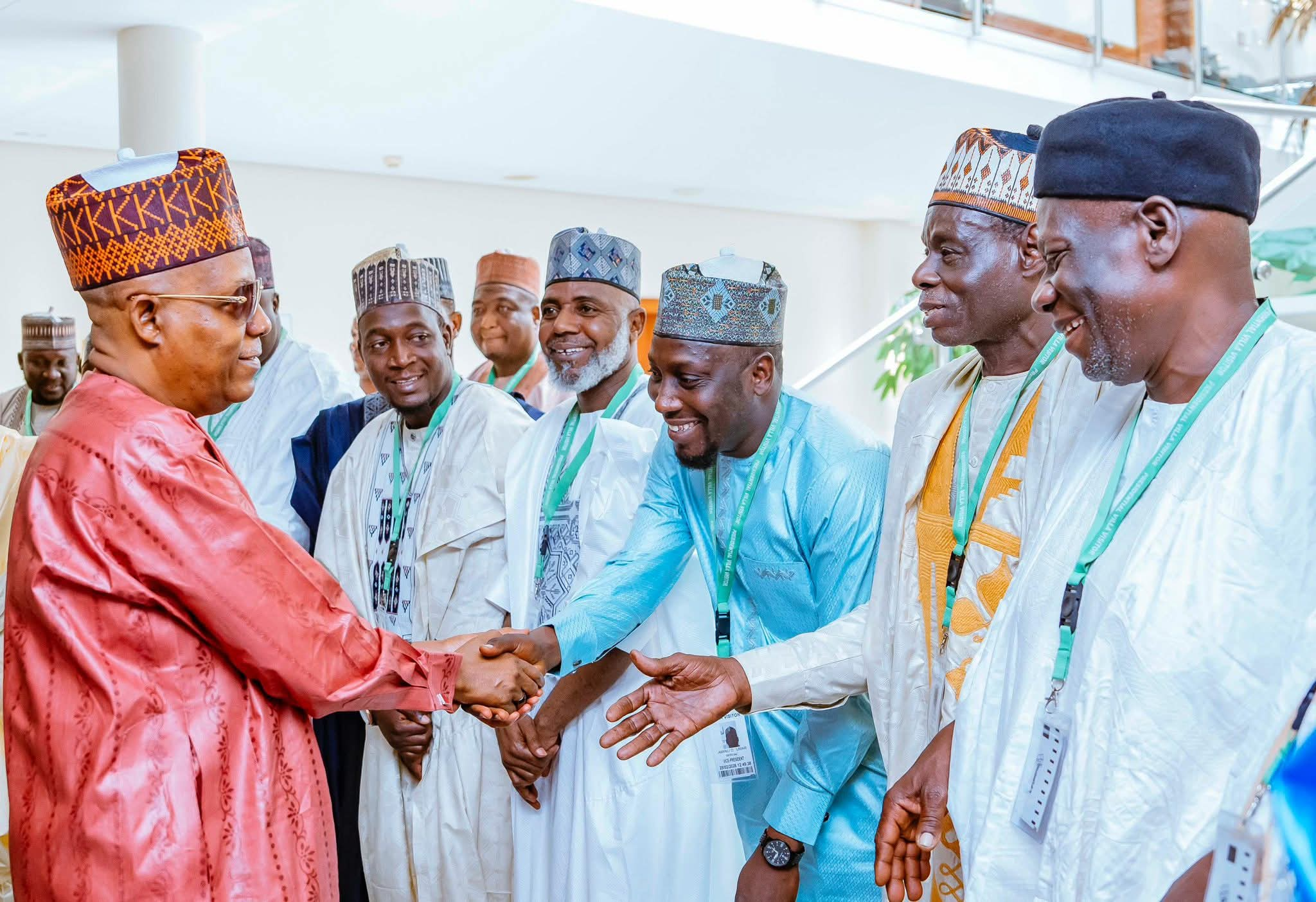
Nigeria’s Vice President, Kashim Shettima, on Tuesday received a delegation from the Association of Kano Business Community at the Presidential Villa, Abuja, during a thank-you visit to President Bola Ahmed Tinubu.
KANO FOCUS reports that the delegation expressed appreciation to the Federal Government for its support to traders and other victims affected by the recent fire incident that razed several sections of the popular Singer Market in Kano.
Speaking during the meeting, the Vice President reaffirmed the Federal Government’s commitment to collaborating with the Kano State Government and relevant agencies to prevent a recurrence of fire outbreaks in markets across the state.
He assured the delegation that President Tinubu has the interests of Kano people at heart, noting that the N5 billion approved as immediate relief for victims was based on the findings of a preliminary assessment of the damage caused by the inferno.
Shettima reiterated that the Federal Government would continue to support efforts aimed at restoring commercial activities and strengthening safety measures in markets to protect lives and property.
Nasiru Yusuf Ibrahim
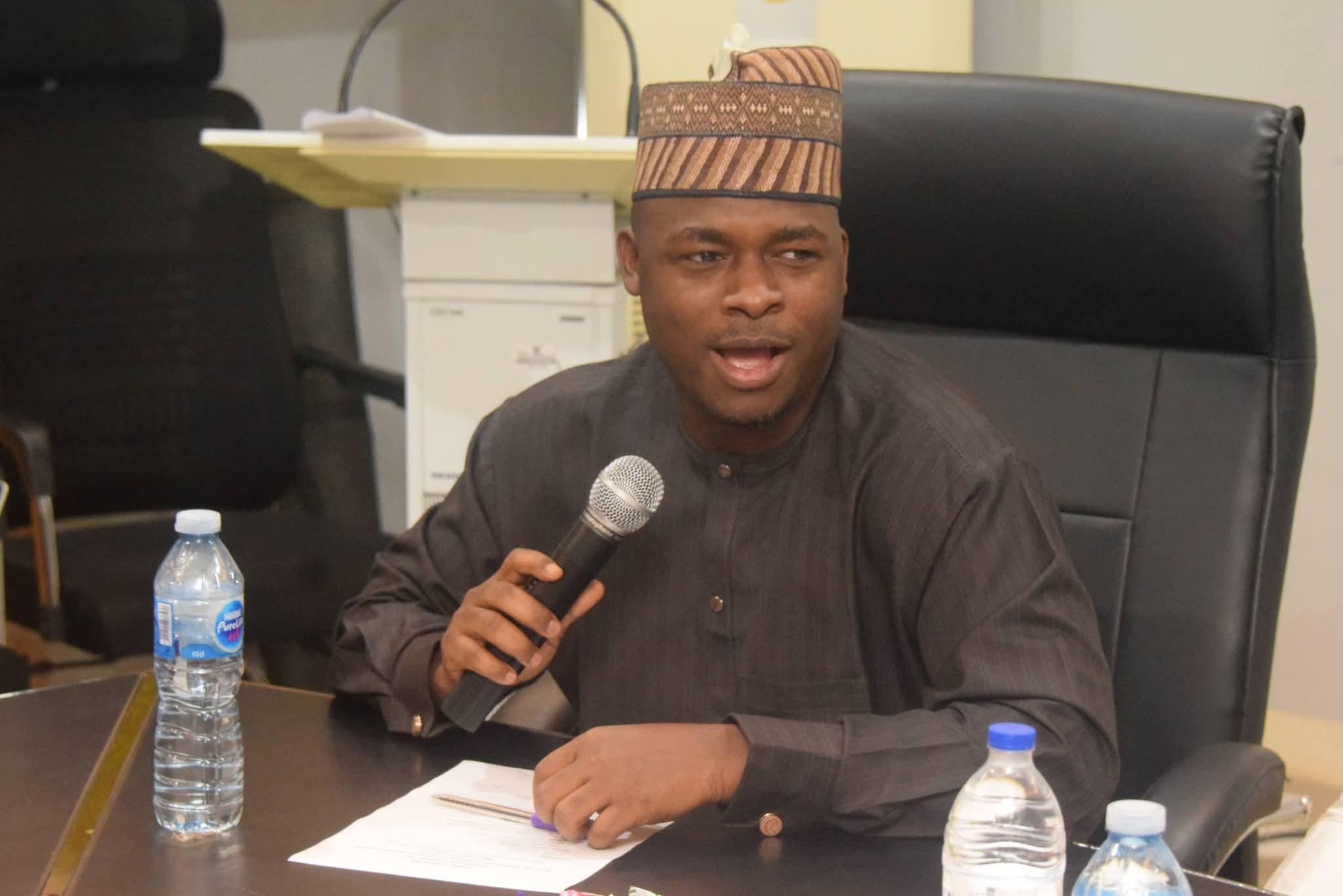
The Kano State Government has inaugurated a 23-member committee to oversee the transparent and equitable distribution of financial assistance and relief materials to victims of the recent Singer Market fire disaster.
KANO FOCUS reports that the inauguration was carried out on behalf of the Secretary to the State Government, Umar Faruq Ibrahim, who chairs the committee. The event was presided over by the state Attorney-General and Commissioner for Justice, Abdulkarim Kabiru Maude.
According to the Attorney-General, the committee comprises representatives from key government agencies, security services, the Kano Emirate Council, religious leaders, and affected traders.
He said the panel’s mandate includes assessing the extent of losses, verifying genuine victims, ensuring timely distribution of support, and recommending measures to prevent future fire incidents.
The intervention follows support approved by President Bola Ahmed Tinubu, as well as contributions from the APC Governors Forum. It also comes in addition to earlier assistance provided by Governor Abba Kabir Yusuf and the Deputy Senate President, Barau I. Jibrin.
The state government reaffirmed its commitment to supporting victims of the disaster and restoring commercial activities at Singer Market.
Nasiru Yusuf Ibrahim
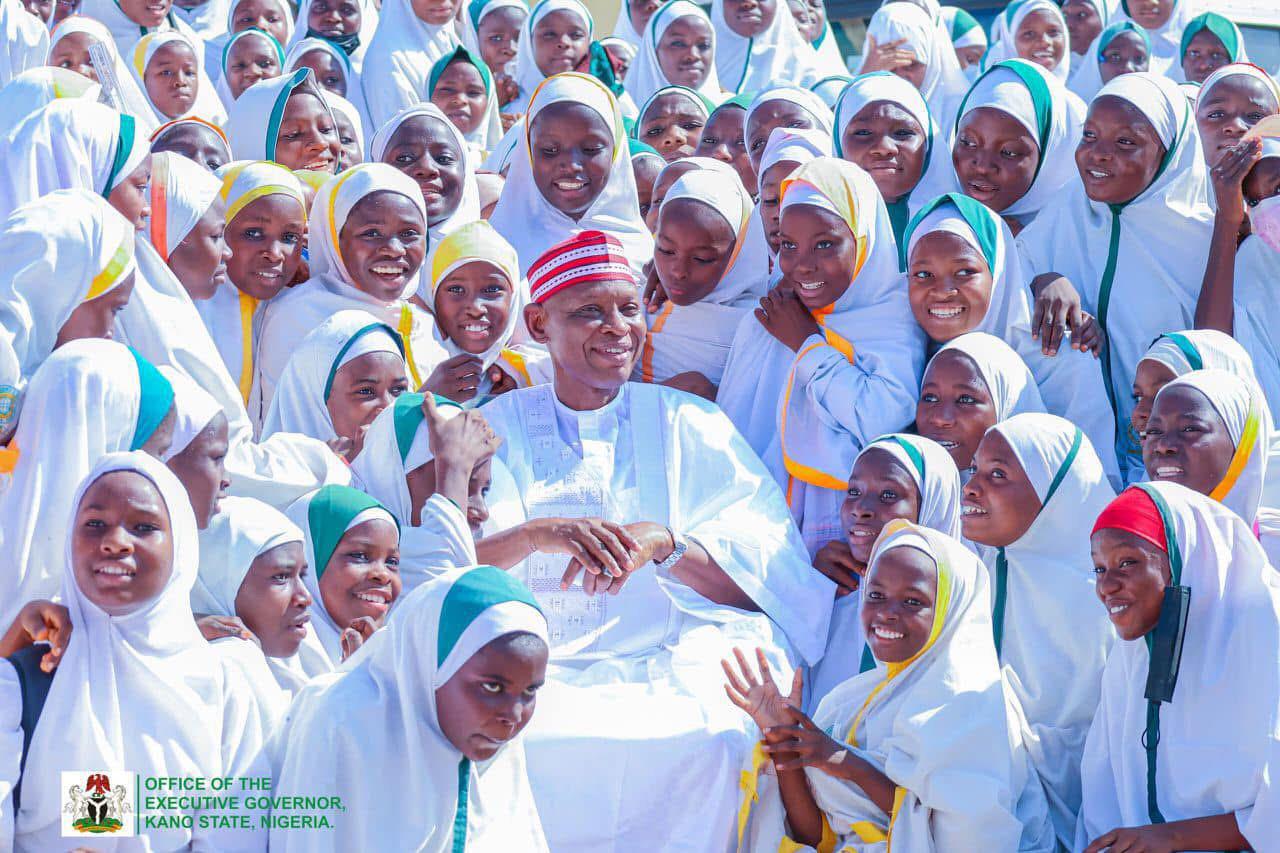
The Kano State Government has announced Saturday, March 1, 2026, as the commencement date for the Eid-el-Fitr break for all public and private primary and post-primary schools in the state.
KANO FOCUS reports that the announcement, contained in the approved 2025/2026 academic calendar, applies to both day and boarding schools across the state.
According to a statement issued by the Director of Public Enlightenment, Musbahu Aminu Yakasai, parents and guardians of pupils and students in boarding schools are expected to convey their wards home by the early hours of Friday, February 28, 2026.
The statement further explained that boarding school students are to resume on Sunday, March 22, 2026, while day students are to resume on Monday, March 23, 2026.
It added that the second term will continue from Sunday, March 22, 2026, and end on Saturday, April 18, 2026.
The government directed all public and private schools in the state to comply strictly with the directive, warning that non-compliance would be treated as a breach of government instructions.
The Commissioner for Education, Ali Haruna Abubakar Makoda, urged parents and guardians to ensure full compliance with the approved resumption dates.
He appreciated parents and residents of the state for their continued cooperation and support to the ministry, and wished pupils and students a successful completion of the Ramadan fast and hitch-free Sallah celebrations.

Kano business community thanks FG for N5bn Singer market relief

Kano Govt inaugurates 23-member committee to disburse Singer market fire relief

Kano Govt announces March 1 for schools’ Ramadan break

NCC board chair hosts licensed telecoms operators in Lagos

Stakeholders seek stronger nutrition financing at local government level

Lami Maccido, first person to appear on screens of NTA Kano, CTV 67, dies at 72

Governor Yusuf Appoints Acting DG for Pilgrims Board, Names Provost for Anti-Corruption Institute

Kano govt investigates reported disease outbreak in Garko community

K-SAFE appeals to Kano Executive Council to pass revised education bill

