
Headlines
Governor Yusuf Pays Over 3 Billion for Secondary School Students to Sit for NECO, NABTEB, NBAIS


Mukhtar Yahya Usman
The Governor of Kano State, Alhaji Abba Kabir Yusuf, has expended over 3 billion naira for 141,175 (one hundred and forty-one thousand, one hundred and seventy-five) Kano students who passed the 2024 qualifying examinations to sit for this year’s NECO, NABTEB, and NBAIS (2025).
In a statement issued by the Governor’s Special Adviser on Information, Ibrahim Adam, it was noted that the Commissioner for Education, Ali Haruna Makoda, announced to newsmen in Kano that the State Ministry of Education had released the results of the qualifying examinations for secondary school students in Kano.
These students are studying under the Kano State Teachers Service Board and the Science and Technical Schools Board, where 75 percent of them qualified to write the senior school certificate examinations of NABTEB, NECO, and NBAIS (for Arabic students).
Ali Haruna Makoda stated that the students eligible for payment by the Kano State Government under Alhaji Abba Kabir Yusuf are those who scored five credits and above.

The Commissioner maintained that all secondary school principals and directors should notify their students of their results so that the state government can effect the payment.
The 2025 qualifying exams for NECO, and NABTEB will enable the students to sit for their 2025 examinations required for admission into tertiary education.
Ibrahim Adam, the Special Adviser to Governor Yusuf on Information, said that since the inception of the administration in May 2023, it has settled registration fees for Kano indigent students for NECO, NABTEB, and NBAIS.
The Special Adviser pointed out that apart from settling the fees, Governor Yusuf’s administration has also paid huge outstanding debts for NECO, and NABTEB left behind by former Governor Abdullahi Umar Ganduje’s administration.
He also said it is part of Governor Yusuf’s declaration of a state of emergency on education and an effort to mitigate the high number of out-of-school children that have bedeviled the state.

Nasiru Yusuf Ibrahim
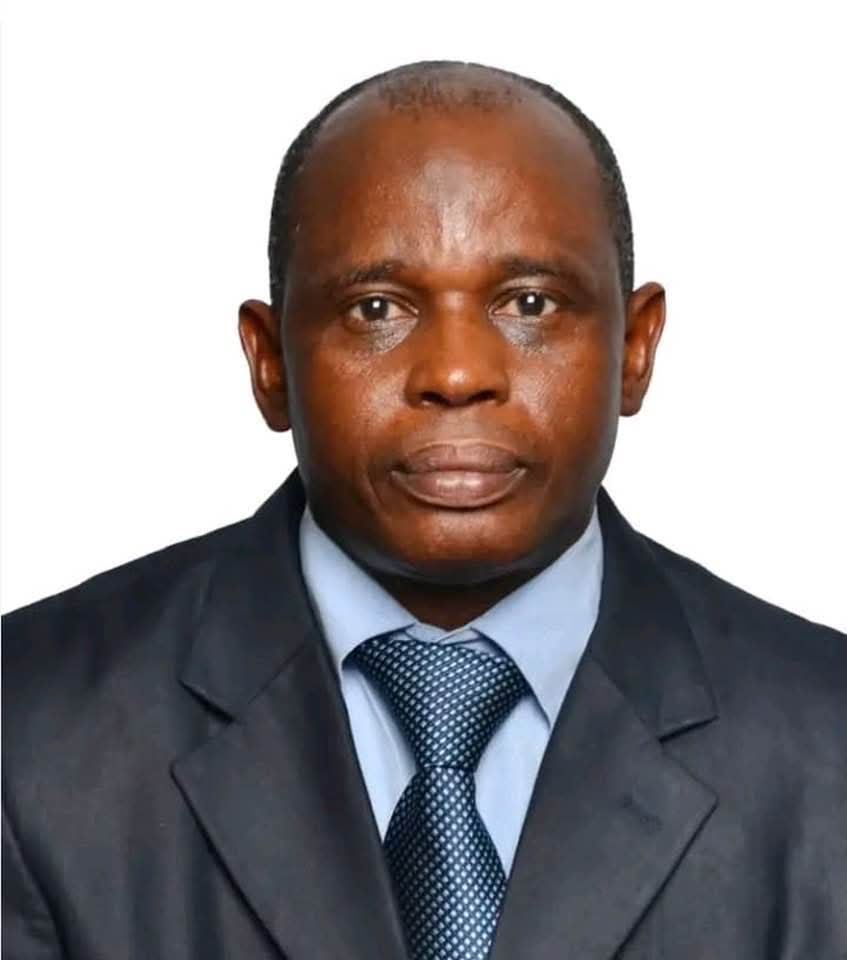
Governor Abba Kabir Yusuf has expressed deep sorrow over the death of former Kano State Commissioner of Finance and renowned academic, Professor Kabiru Isa Dandago.
KANO FOCUS reports that the governor’s reaction was contained in a statement issued on Wednesday by his spokesperson, Sunusi Bature Dawakin Tofa, Director General, Media and Publicity, Government House, Kano.
Governor Yusuf described the late Prof. Dandago as a dedicated public servant and accomplished scholar whose contributions to education and governance left lasting footprints in Kano State.
He noted that the former finance commissioner served the state with integrity and commitment and was widely respected for his professionalism, humility and passion for knowledge.
According to the governor, Kano State has lost a valuable son whose experience and wisdom greatly enriched both public service and the academic community.
Governor Yusuf extended his heartfelt condolences to the family of the deceased, the academic community and the people of Kano State over what he described as an irreparable loss.
He prayed that Almighty Allah forgives the shortcomings of the late Prof. Dandago, grants him Aljannatul Firdaus and gives his family and loved ones the fortitude to bear the loss.
Nasiru Yusuf Ibrahim
The National President of the Government Arabic Teachers College Gwale Old Students Association (GATCOSA), Professor Kabiru Isa Dandago, is dead.
KANO FOCUS reports that Prof. Dandago, a renowned Professor of Accountancy at Bayero University Kano, died on Wednesday evening. His passing has thrown the academic community and associates into mourning.
In a message shared on GATCOSA’s WhatsApp platform, a Director at the Kano State Ministry of Higher Education, Alhaji Nura Dandago, announced that the funeral prayer for the late professor would be held on Thursday at 9:00 a.m. at his residence in Rijiyar Zaki Quarters, Kano.
Until his death, Prof. Dandago served as the National President of GATCOSA and was widely respected for his contributions to education and public service. He previously served as Commissioner for Finance in Kano State during the administration of former Governor Abdullahi Umar Ganduje.
Just last Saturday, the late academic presented a paper on economic challenges in Northern Nigeria at a Ramadan Lecture organised by the Islamic Forum of Nigeria, where he spoke passionately about strategies for economic reform and regional development.
Colleagues and admirers described Prof. Dandago as a dedicated scholar and public servant who was deeply committed to building a prosperous and self-reliant nation. His death marks the end of a distinguished career in academia and public service.
Nasiru Yusuf Ibrahim
The basketball team of Bayero University Kano (BUK) has emerged champions of the Northwest 3×3 Basketball Championship hosted by Ahmadu Bello University (ABU), Zaria.
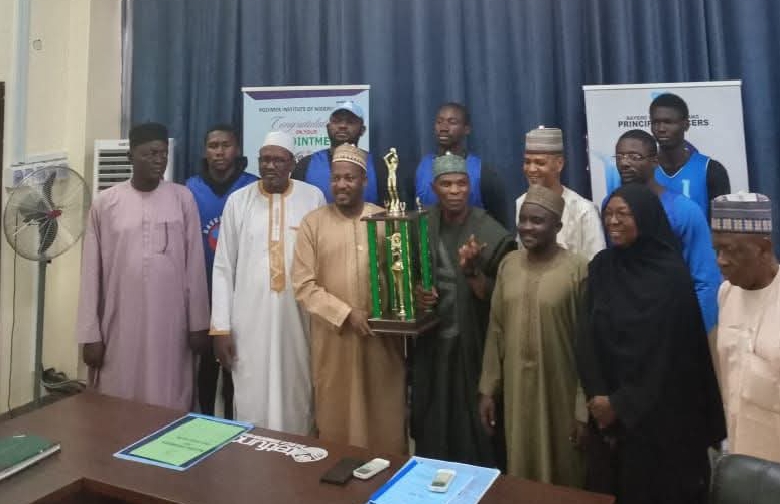
KANO FOCUS reports that the victorious team presented the championship trophy to the Vice-Chancellor, Prof. Haruna Musa, following their impressive performance at the tournament, which featured six universities from across Northern Nigeria.
BUK went unbeaten throughout the competition, winning all six matches and sealing the title with a thrilling 20–18 victory over the host institution, ABU Zaria, in the final.
In the group stage, BUK recorded a 10–0 win against Northwest University, Kano, and defeated the Air Force Institute of Technology 33–20. The team also edged the Federal University of Education, Kano, 11–9, before securing another dominant 10–0 victory over the Federal University of Transportation, Daura. They capped their remarkable run with the narrow 20–18 triumph in the final.
The victory marks BUK’s second championship title in the history of the competition, reinforcing the university’s growing reputation in collegiate sports.
Receiving the team, the Vice-Chancellor congratulated the athletes for bringing pride to the institution and urged them to sustain and surpass their current achievements. He reaffirmed the management’s commitment to strengthening sports development in the university and pledged continued institutional and individual support for the players’ sporting careers.
The presentation ceremony concluded with the formal handover of the trophy and cash rewards to the athletes in recognition of their discipline, teamwork and excellence.

Gov. Yusuf mourns former Kano finance commissioner, Prof. Dandago

Abba Care: A Lifeline of Compassion in Kano State
GATCOSA President, Prof. Kabiru Isa Dandago is dead

BUK clinches Northwest 3×3 basketball title at ABU Zaria

Kano rolls out emergency medical services, deploys 20 Ambulances

Lami Maccido, first person to appear on screens of NTA Kano, CTV 67, dies at 72

Kano begins Ramadan food distribution as Gov. Yusuf constitutes feeding committee

Kano Police announce movement restrictions ahead of assembly by-elections

K-SAFE appeals to Kano Executive Council to pass revised education bill

