
Headlines
Kano introduces child spacing community role models to fight maternal mortality

Nasiru Yusuf Ibrahim
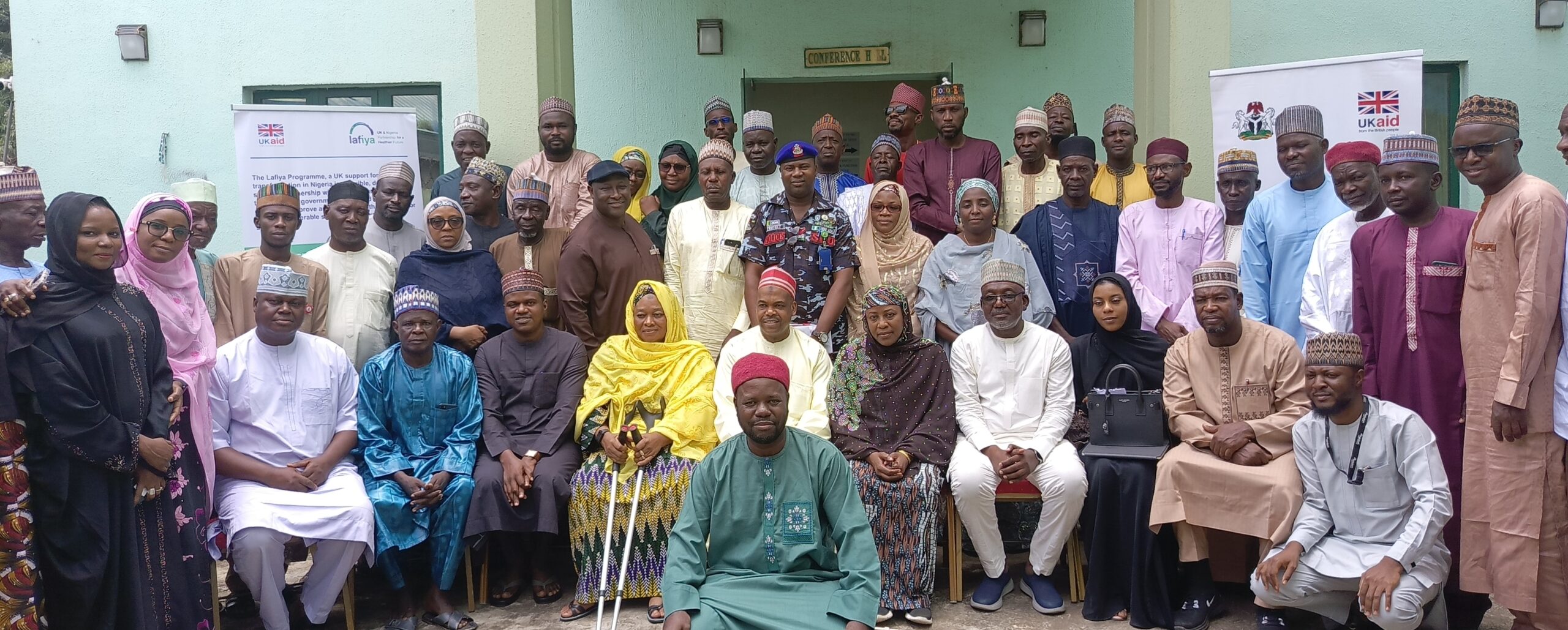
The Kano state Government through its ministry of health convened a 2-day accountability review and engagement session with Civil Society Organisations (CSOs), Ward Development Committees (WDCs) and journalists as part of ongoing efforts to uptake of child birth spacing services.
KANO FOCUS reports that the activity which was supported by FCDO funded Lafiya programme, aimed at developing selection criteria for child birth spacing community role models across 448 political wards in the state.
Additionally, the technical session also provided a platform to strengthen accountability mechanisms and promote local ownership of health initiatives.

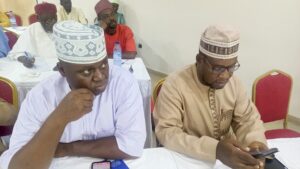
Mal. Hassan Ibrahim Gama and Dr. Musa Muhammad Bello
The meeting brought together key stakeholders who are committed to advancing grassroots accountability and participation in reproductive health and community health initiatives.
The commissioner of Health, Dr. Abubakar Labaran Yusuf, in his remarks during the technical engagement meeting, stated that these role models will serve as advocates for child birth spacing and reproductive health services in their respective communities.
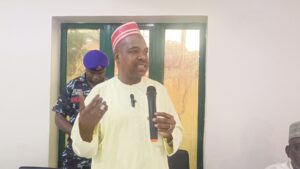
Dr. Abubakar Labaran Yusuf
He noted that their role will be instrumental in addressing the low uptake of child birth spacing interventions in the state by addressing negative perceptions through social and behavioural change communication.
This, he added, will not only increase demand for these services but also contribute to reducing maternal mortality due to pregnancy-related complications.
Dr. Yusuf acknowledged that while the commodities for family planning (FP), are free, in some cases clients are expected to use a little token to cover for consumables when the need arises at the facility level depending on the contraceptive method chosen by an individual.

A cross section of participants
He, however, mentioned that the state government is working towards eliminating these charges completely so that child birth spacing will be 100% free in the state.
He further disclosed that there are plans to procure 3 ambulance tricycles for each political ward and currently, maternal delivery kits for pregnant women are available in the state, and the government is planning to scale up their distribution across all 44 local government areas in Kano.
According to him this is part of efforts to promote safe delivery practices and improve maternal health.
“Every pregnant woman deserves to deliver safely, and with these kits, we are reducing risks and ensuring mothers have the essential tools they need. Soon, these kits will reach every local government in Kano State,” he assured.
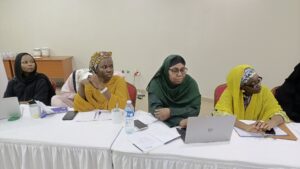
A cross section of participants
He also mentioned that immunization remains completely free of charge across all health facilities and urged residents to take advantage of the program and ensure that no child is left un-immunized.
“Immunization in Kano is entirely free, and I want our people to understand that nobody should collect a single kobo for it.
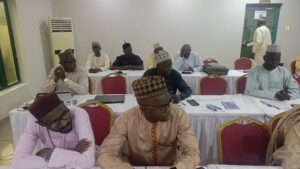
A cross section of participants
“Every child has the right to be protected against preventable diseases, and the government will not compromise on that,” Dr. Yusuf said.
He noted that insecticide-treated mosquito nets were recently distributed to households at no cost, warning that these nets must never be commercialized.
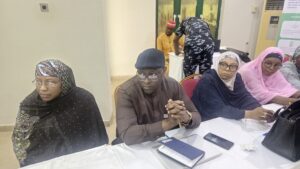
A cross section of participants
He warned that “If anyone finds these nets being sold in markets or shops, they should be reported immediately.
“We will take punitive measures against those responsible. These commodities are meant to save lives, not to be sold for profit.”
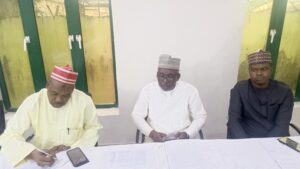
The commissioner flanked by other medical doctors
Dr. Yusuf urged WDCs and CSOs to continue serving as the bridge between the government and communities, ensuring that citizens access the free commodities provided for the health and wellbeing of the communities they represent.
In her presentation, the coordinator of reproductive health and family planning in the state ministry of health Dr Aisha Barka expressed concerns over the alarming rate of maternal mortality in Kano state, which she said stand at 1,025 deaths per 100,000 live births.
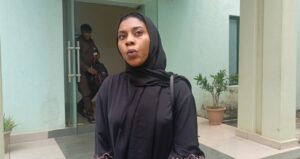
Dr Aisha Barka
According to her these role models, when successfully onboarded, will be very critical to addressing these problems with their terms of engagement aligned with the MAMII implementation framework.
She also reaffirmed the ministry’s unwavering commitment to addressing the unmet need for child spacing commodities in Kano State

A cross section of participants
She commended the FCDO funded Lafiya programme for their demand led technical assistance and support in bringing the event to fruition, describing it as a clear testament to their commitment to improving access to sexual and reproductive health and rights in Kano State.






Nasiru Yusuf Ibrahim
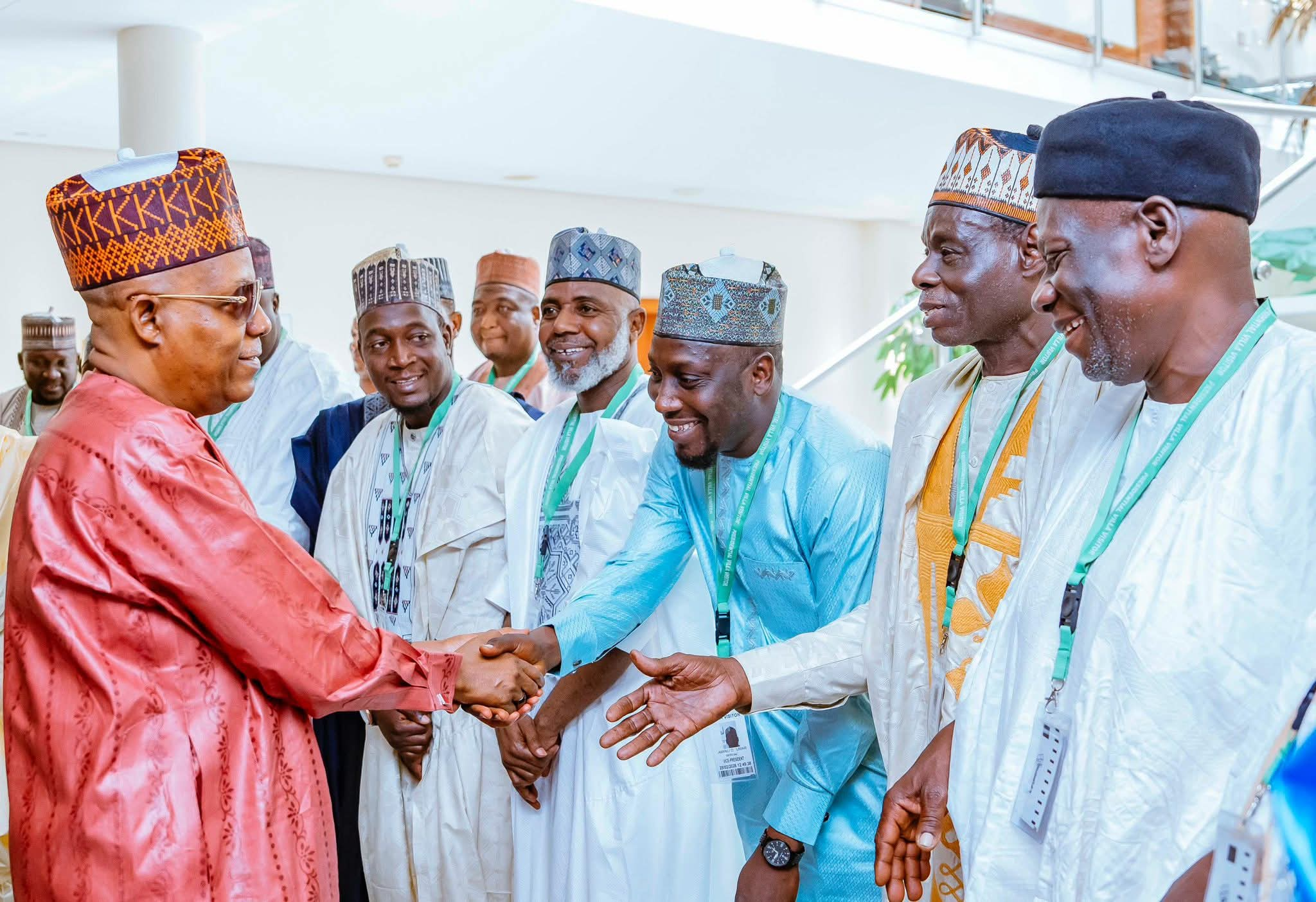
Nigeria’s Vice President, Kashim Shettima, on Tuesday received a delegation from the Association of Kano Business Community at the Presidential Villa, Abuja, during a thank-you visit to President Bola Ahmed Tinubu.
KANO FOCUS reports that the delegation expressed appreciation to the Federal Government for its support to traders and other victims affected by the recent fire incident that razed several sections of the popular Singer Market in Kano.
Speaking during the meeting, the Vice President reaffirmed the Federal Government’s commitment to collaborating with the Kano State Government and relevant agencies to prevent a recurrence of fire outbreaks in markets across the state.
He assured the delegation that President Tinubu has the interests of Kano people at heart, noting that the N5 billion approved as immediate relief for victims was based on the findings of a preliminary assessment of the damage caused by the inferno.
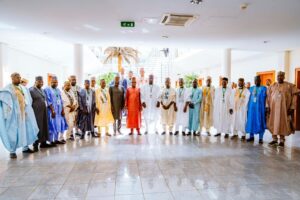
Shettima reiterated that the Federal Government would continue to support efforts aimed at restoring commercial activities and strengthening safety measures in markets to protect lives and property.
Nasiru Yusuf Ibrahim
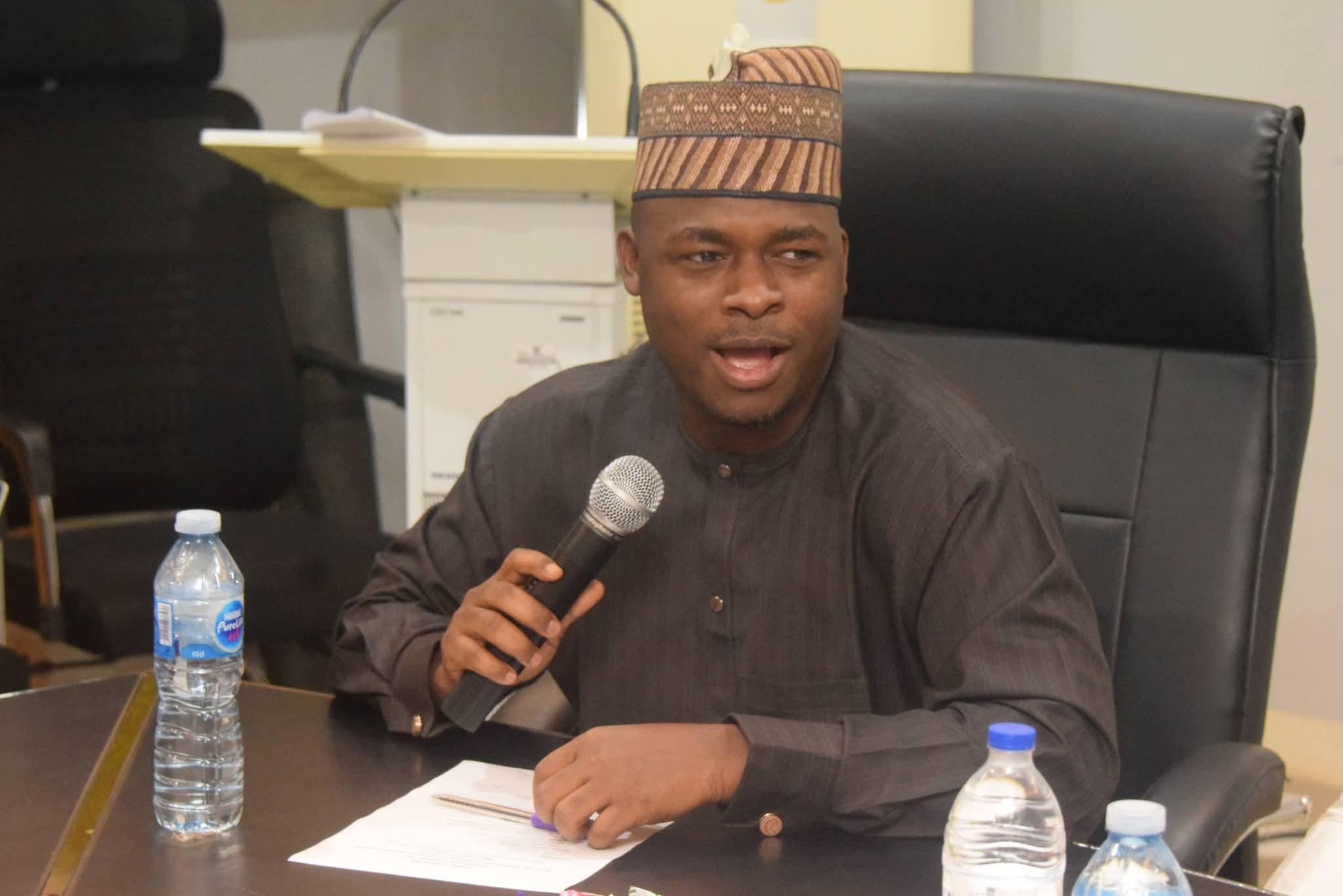
The Kano State Government has inaugurated a 23-member committee to oversee the transparent and equitable distribution of financial assistance and relief materials to victims of the recent Singer Market fire disaster.
KANO FOCUS reports that the inauguration was carried out on behalf of the Secretary to the State Government, Umar Faruq Ibrahim, who chairs the committee. The event was presided over by the state Attorney-General and Commissioner for Justice, Abdulkarim Kabiru Maude.
According to the Attorney-General, the committee comprises representatives from key government agencies, security services, the Kano Emirate Council, religious leaders, and affected traders.
He said the panel’s mandate includes assessing the extent of losses, verifying genuine victims, ensuring timely distribution of support, and recommending measures to prevent future fire incidents.
The intervention follows support approved by President Bola Ahmed Tinubu, as well as contributions from the APC Governors Forum. It also comes in addition to earlier assistance provided by Governor Abba Kabir Yusuf and the Deputy Senate President, Barau I. Jibrin.
The state government reaffirmed its commitment to supporting victims of the disaster and restoring commercial activities at Singer Market.
Nasiru Yusuf Ibrahim
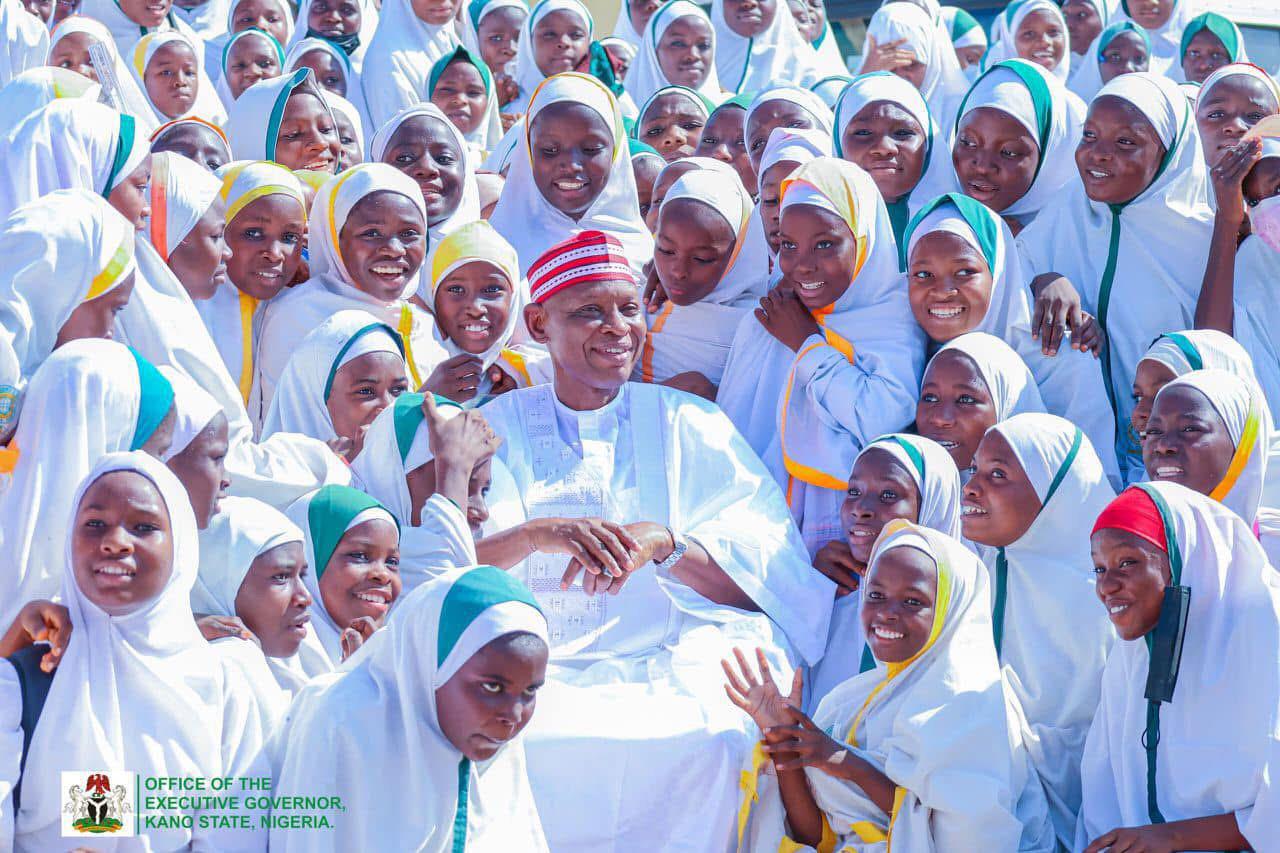
The Kano State Government has announced Saturday, March 1, 2026, as the commencement date for the Eid-el-Fitr break for all public and private primary and post-primary schools in the state.
KANO FOCUS reports that the announcement, contained in the approved 2025/2026 academic calendar, applies to both day and boarding schools across the state.
According to a statement issued by the Director of Public Enlightenment, Musbahu Aminu Yakasai, parents and guardians of pupils and students in boarding schools are expected to convey their wards home by the early hours of Friday, February 28, 2026.
The statement further explained that boarding school students are to resume on Sunday, March 22, 2026, while day students are to resume on Monday, March 23, 2026.
It added that the second term will continue from Sunday, March 22, 2026, and end on Saturday, April 18, 2026.
The government directed all public and private schools in the state to comply strictly with the directive, warning that non-compliance would be treated as a breach of government instructions.
The Commissioner for Education, Ali Haruna Abubakar Makoda, urged parents and guardians to ensure full compliance with the approved resumption dates.
He appreciated parents and residents of the state for their continued cooperation and support to the ministry, and wished pupils and students a successful completion of the Ramadan fast and hitch-free Sallah celebrations.

Kano business community thanks FG for N5bn Singer market relief

Kano Govt inaugurates 23-member committee to disburse Singer market fire relief

Kano Govt announces March 1 for schools’ Ramadan break

NCC board chair hosts licensed telecoms operators in Lagos

Stakeholders seek stronger nutrition financing at local government level

Lami Maccido, first person to appear on screens of NTA Kano, CTV 67, dies at 72

Governor Yusuf Appoints Acting DG for Pilgrims Board, Names Provost for Anti-Corruption Institute

Kano govt investigates reported disease outbreak in Garko community

K-SAFE appeals to Kano Executive Council to pass revised education bill

