
News
FG bars graduation ceremonies for pre-primary to primary five pupils, orders reuse of textbooks


Nasiru Yusuf Ibrahim
The Federal Government has barred graduation ceremonies for pupils below Primary Six and directed schools to adopt reusable, high-quality textbooks as part of sweeping reforms aimed at reducing the financial burden on parents and improving learning outcomes nationwide.

KANO FOCUS reports that the new policy framework was announced on Friday by the Minister of Education, Dr. Maruf Tunji Alausa, alongside the Minister of State for Education, Prof. Suiwaba Sai’d, as part of ongoing efforts to reposition Nigeria’s education sector.
Under the policy, graduation ceremonies will now be restricted to pupils and students completing Primary Six, Junior Secondary School Three (JSS3), and Senior Secondary School Three (SSS3). The ministers said the decision was taken to curb excessive and costly ceremonies that place unnecessary pressure on families.
They also unveiled measures to standardise the use of durable textbooks designed to last between four and six years, while prohibiting the practice of bundling disposable workbooks with textbooks.
According to the ministers, the new approach will allow learning materials to be reused across multiple academic sessions, enable siblings to share textbooks, significantly reduce recurrent education costs for parents, and minimise waste within the school system.
“This initiative prioritises affordability, sustainability, and improved learning outcomes,” the ministers said, adding that parents have long complained about being forced to buy new textbooks annually without meaningful improvements in content.
As part of the reforms, the Federal Government has also introduced a uniform academic calendar to ensure consistency in teaching, learning and school planning across the country.
The policy further strengthens the assessment, quality assurance, selection and use of textbooks and instructional materials nationwide. It introduces structured and meaningful revision cycles, stipulating that any textbook review must reflect substantial improvements in content rather than cosmetic changes such as layout or pagination.
“This will extend the lifespan of approved textbooks and ensure better value for money,” the ministers explained.
In line with international best practices observed in countries such as Japan, Kenya and Tanzania, the policy also limits the number of approved textbooks per subject and grade level. This, according to the government, will enhance quality, reduce market saturation and simplify textbook selection for schools and education authorities.
The Nigerian Educational Research and Development Council (NERDC) will continue to play a central role in evaluating and approving instructional materials to ensure alignment with the national curriculum, working closely with other relevant agencies.
The ministry commended the Universal Basic Education Commission (UBEC), NERDC and other technical partners for their contributions to the new framework.
Reaffirming the government’s commitment to education reform, the ministers said the Federal Government remains determined to safeguard educational standards, promote equity, reduce costs for parents and ensure that learners across Nigeria have access to quality instructional materials that support effective teaching and learning.

Nura Abdullahi
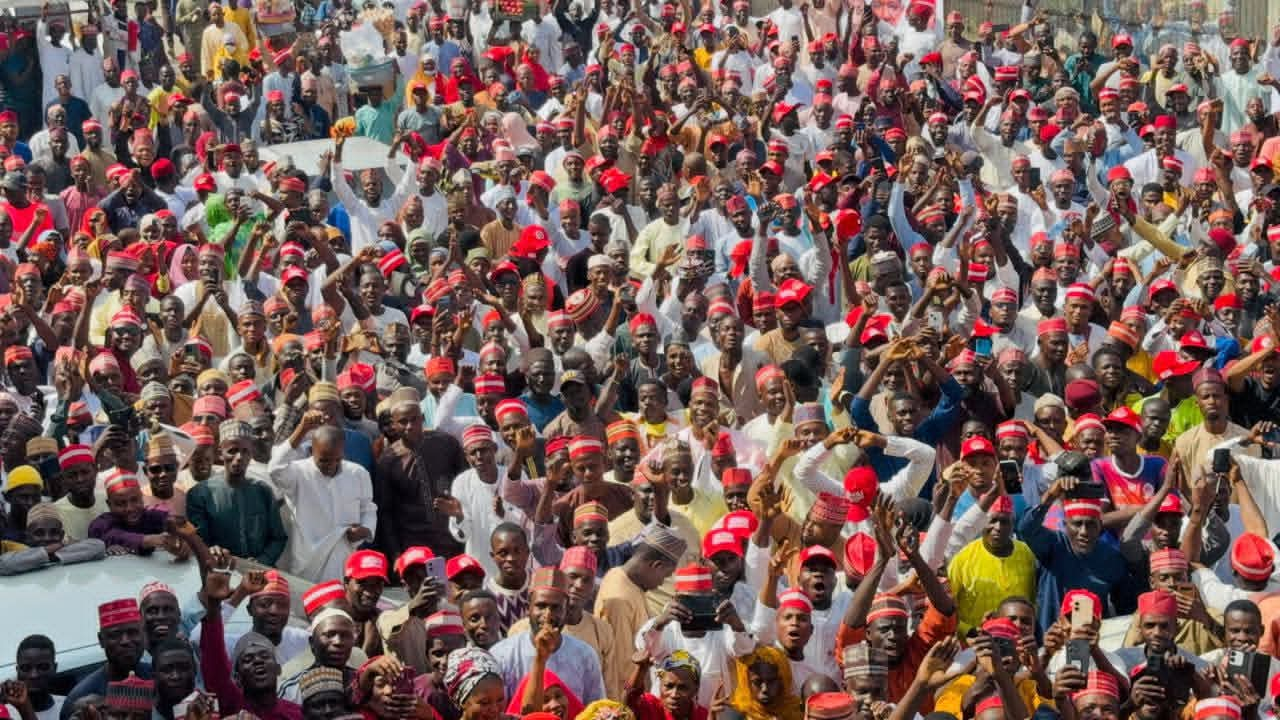
The Kwankwasiyya Movement has announced the appointment of new officials into strategic leadership positions as part of efforts to strengthen its organisational structure and enhance grassroots mobilisation.
KANO FOCUS reports that the announcement was made in an official statement issued by Saifullahi Hassan, media aide to Rabiu Musa Kwankwaso.
According to the statement, the appointments are in line with the movement’s commitment to strengthening leadership coordination and advancing its ideals across all levels.
Those appointed include AVM Ibrahim Umaru as Chief Security Officer; Dr. Yusuf Kofar Mata as Secretary, State Caucus; Hon. Nasiru Sule Garo as Secretary, CRC; Hon. Sanusi Surajo as Director of Mobilisation; Hon. Adamu Kibiya as Secretary, Kano PROPA; and Hon. Mustapha Rabi’u Musa as Secretary, Kwankwasiyya.
The movement said the appointments reflect its dedication to effective organisation and strategic engagement, noting that the newly appointed officials are expected to contribute significantly to the advancement of its objectives.
It congratulated the appointees and expressed confidence in their ability to diligently discharge their responsibilities in service to the movement and its supporters.
Ibrahim Khalil
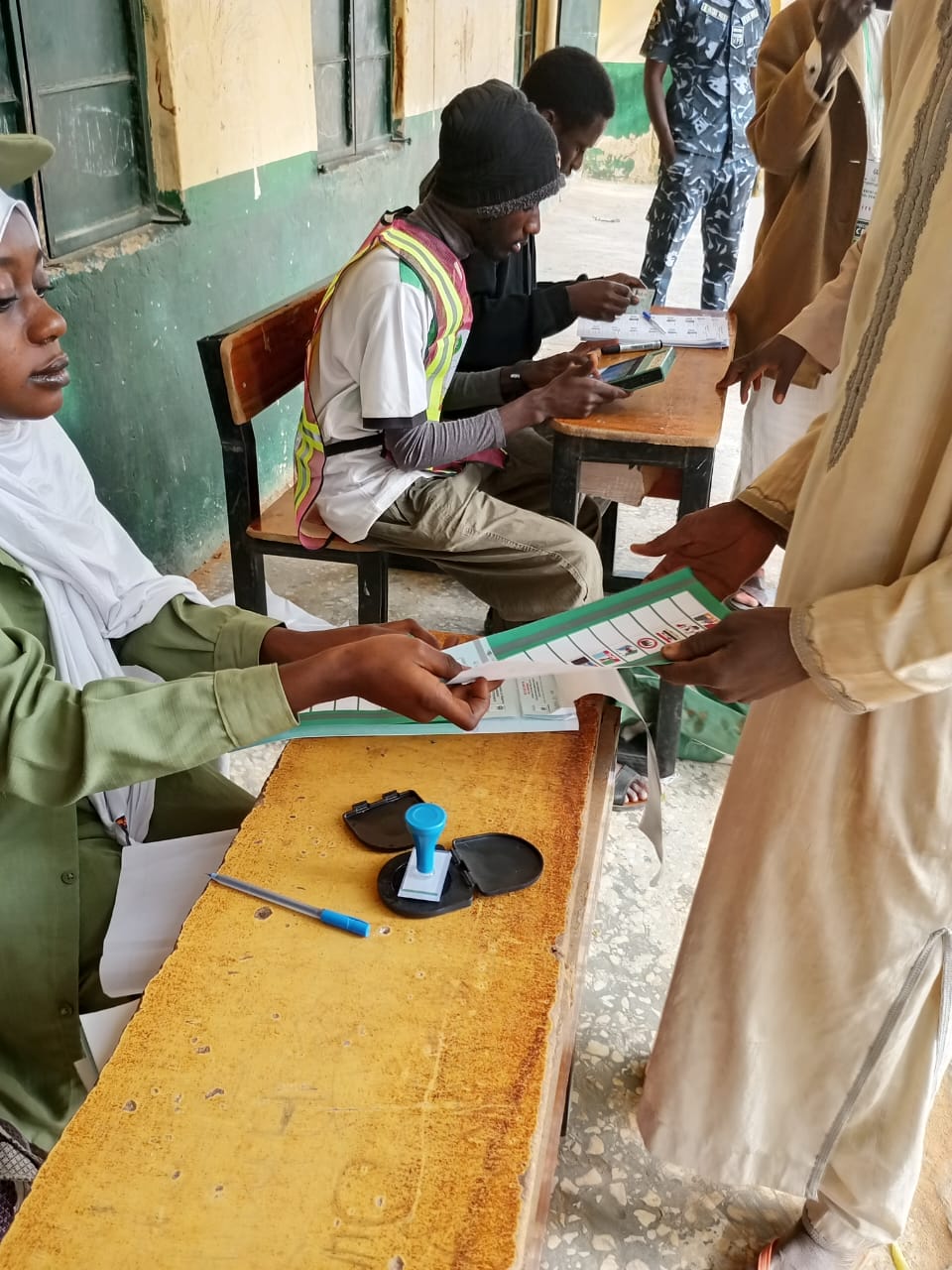
The Kwankwasiyya Movement has clarified its stance on the ongoing bye-elections in Kano Municipal and Ungogo State Assembly constituencies, saying its decisions were guided by compassion and principle rather than political expediency.
In a press statement issued on Saturday, and signed by its spokesperson, Habibu Sale Mohammed, Ph.D., the movement said the bye-elections followed the tragic death of the two lawmakers who represented the constituencies.
According to the statement, both deceased lawmakers were elected on the platform of the New Nigeria Peoples Party (NNPP) and were committed members of the Kwankwasiyya Movement until their passing.
The movement disclosed that its National Leader, Rabiu Musa Kwankwaso, in the spirit of compassion and continuity, supported the nomination of the deceased lawmakers’ children as the party’s flag bearers. The arrangement, it said, was adopted as a consensus during the mourning period.
However, the group noted that following the defection of Governor Abba Kabir Yusuf to the All Progressives Congress (APC), there were changes in the political landscape.
It alleged that on the eve of the final submission of candidates to the Independent National Electoral Commission (INEC), new nominations were made under the APC platform, including the House Leader in Ungogo Local Government and a Senior Special Assistant to the Governor for Kano Municipal.
The statement further claimed that after public backlash and disapproval, there was a reversal leading to the adoption of the same individuals earlier nominated under the NNPP, but this time as APC candidates. It added that the nominees subsequently resigned their NNPP membership and moved to the APC.
Despite the development, the Kwankwasiyya Movement said its National Leader maintained his earlier position that the children of the deceased lawmakers should be allowed to return to the State Assembly, regardless of the platform on which they were contesting.
The movement stated that the NNPP deliberately refrained from substituting the candidates’ names after their resignation from the party, describing the action as evidence that there is only one recognised and legitimate NNPP structure in Kano State.
It added that the absence of NNPP candidates on the ballot for the bye-elections, as recognised by INEC, puts to rest speculation about parallel party structures in the state.
Reaffirming its core values of loyalty, justice and compassion, the Kwankwasiyya Movement urged the public to disregard what it described as attempts to distort facts for political advantage.
Nasiru Yusuf Ibrahim
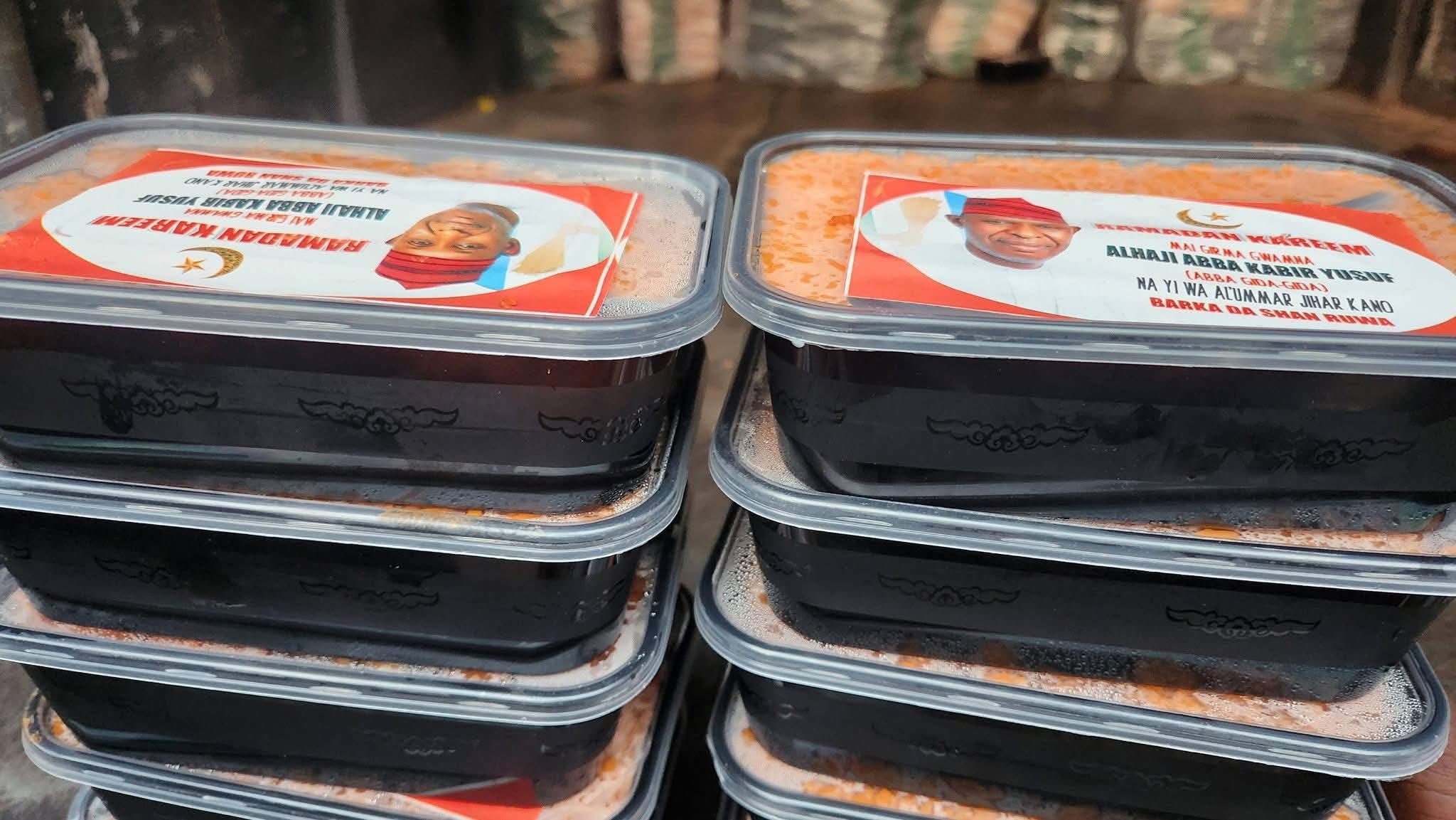
The Kano State Government has commenced the distribution of food items ahead of the 2026/1447AH Ramadan, following the approval of a Ramadan Feeding Programme Committee by Governor Abba Kabir Yusuf.
KANO FOCUS reports that the development was contained in a statement issued on Thursday by the Governor’s spokesperson, Sunusi Bature Dawakin Tofa.
According to the statement, food distribution began on Thursday, February 19, 2026, across 115 feeding centres located within the eight metropolitan local government areas of Kano State.
The governor said the initiative is designed to support the less privileged and ease the burden of fasting during the holy month of Ramadan. He urged members of the newly constituted committee to discharge their responsibilities with dedication, transparency and fear of God to ensure the success of the programme.
Committee Composition
The committee is chaired by the Commissioner for Religious Affairs, Ahmed Tijani Auwalu.
Other members include the Commissioner for Local Government, Muhammad Tajo Othman; Commissioner for Health, Dr. Abubakar Labaran Yusuf; Commissioner for Environment, Dr. Dahiru Hashim; Chairman of the Hisbah Board, Sheikh Ibrahim Shehu Maihula; and several special advisers and directors-general.
Also serving on the committee are the Accountant General of the State, Jamila Magaji Abdullahi; the Director General of the Hisbah Board, Abba Saidu Sufi; Director General, Media and Publicity, Sunusi Bature Dawakin Tofa; and Director General, Protocol, Abdullahi Ibrahim Rogo, among others.
All chairmen of the eight metropolitan local government areas—Tarauni, Fagge, Kano Municipal, Gwale, Nassarawa, Dala, Kumbotso and T/Wada—are members of the committee, alongside representatives from the Government House and the Zakkat Commission.
Akibu Isa Murtala, Special Adviser on Administration, will serve as Secretary, while Bilkisu Shehu Maimota, Permanent Secretary/AGS in the SSG’s Office, will serve as Co-Secretary.
Governor Yusuf reaffirmed that the Ramadan Feeding Programme remains a key social intervention initiative of his administration, aimed at promoting unity and providing relief to vulnerable residents across Kano State during the fasting period.

Kwankwasiyya movement announces key leadership appointments

Lamin Sani Kawaji: The Gallant Commander Behind Murtala Sule Garo

Kwankwasiyya movement explains position on Kano bye-elections

Kano begins Ramadan food distribution as Gov. Yusuf constitutes feeding committee

Friday Sermon: Imam Gusau urges Muslims to protect wealth through Zakah

Lami Maccido, first person to appear on screens of NTA Kano, CTV 67, dies at 72

Governor Yusuf Appoints Acting DG for Pilgrims Board, Names Provost for Anti-Corruption Institute

Kano Hospitals Board opens recruitment for consultant pediatricians

Kano govt investigates reported disease outbreak in Garko community

