
News
Dangote sets to buy 12m barrels of crude oil from United States


Nasiru Yusuf Ibrahim
The Dangote Petroleum Refinery is awaiting up to 12 million barrels of crude oil from the United States.
KANO FOCUS reports that the refinery resorted to crude importation as local supply challenges hindered the new $20bn refinery’s push to reach full refining capacity.
Recall that the refinery plans to reach its 650,000 barrels per day capacity in June this year.

However, low local crude supply from the Nigerian National Petroleum Company Limited is currently a challenge to this plan to ramp up daily production.
The 12 million barrels of crude has already left the United States and will land in Nigeria next month, according to the news from African Report.
“About 12 million barrels of crude have departed the US and should arrive in Nigeria by February,” an insider source told The Africa Report.
Dangote Petroleum Refinery is said to be importing more crude oil as supply from the NNPC becomes insufficient for fuel production at the $20bn Lekki-based facility.
Officials at the plant said the facility has ramped up production to about 500,000 barrels per day, with the target of hitting the 650,000bpd mark by June this year.
The NNPC is reportedly struggling to supply 350,000bpd to the Dangote refinery from the 450,000bpd crude meant for Nigeria’s local consumption.
With its current production capacity of 500,000bpd, officials said there is a need to look beyond the shores of Nigeria for the feedstock.
It was said that the feedstock needed by the refinery daily cannot be solely supplied by the state-owned oil company, NNPC.
Recall that in July, President Tinubu ordered the NNPC to sell crude oil to local refineries in naira.
According to the crude oil production forecast of producing oil companies and the refining requirement of functional refineries in Nigeria signed by the Chief Executive of the Nigerian Upstream Petroleum Regulatory Commission, Gbenga Komolafe, the Dangote refinery would require 550,000 barrels of a blend of Nigerian crude oil daily, 17.05 million barrels monthly, and 99.55 million barrels between January and June 2025.
The Dangote refinery is already building eight more tanks to store imported crude. The facility is planning to stockpile imported crude oil as local supplies become unreliable.
Officials of the refinery were quoted as saying that low crude supply from the NNPC “is driving import dependence.”
The building of eight additional tanks will see crude storage capacity at the refinery jump by 41.67 per cent to 3.4 billion litres.
“Importing crude from other countries instead of buying locally means that our crude stockpiles will have to be higher,” the Vice President in charge of the oil and gas business at Dangote Industries, Devakumar Edwin, was quoted as having said recently.
In May 2024, the refinery reportedly issued a term tender for the purchase of two million barrels of West Texas Intermediate Midland crude monthly for 12 months starting in July last year, amounting to 24 million barrels of crude in one year.

Nasiru Yusuf Ibrahim
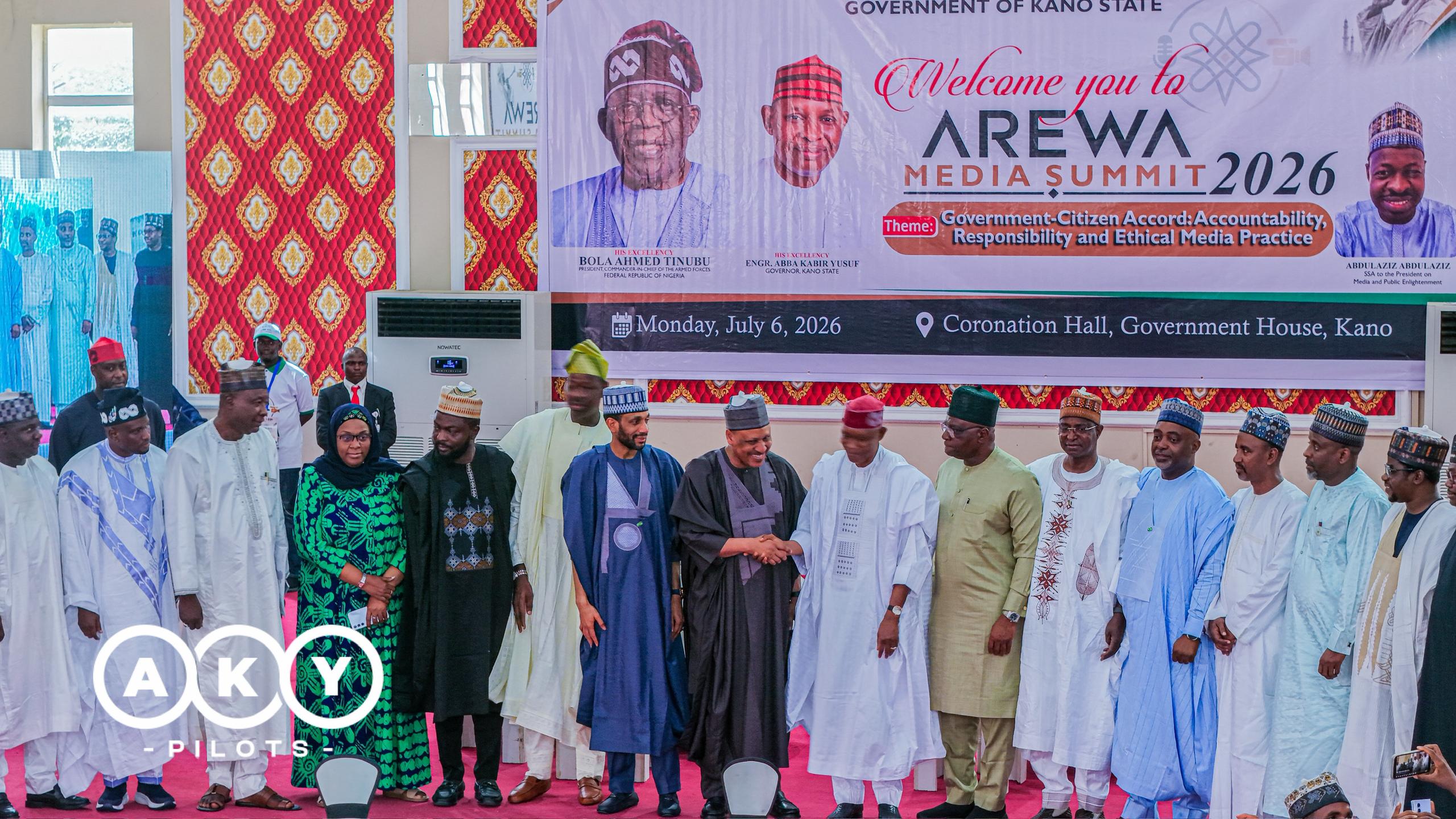
Kano State Governor, Alhaji Abba Kabir Yusuf, has called on conventional and social media practitioners to promote factual reporting, patriotism and active citizen participation as part of efforts to deepen democracy and strengthen public trust.
KANO FOCUS reports that the governor made the call on Monday while declaring open the maiden Arewa Media Summit held at the Coronation Hall, Government House, Kano. The summit was organised by the Office of the Senior Special Assistant to the President on Media and Public Enlightenment in collaboration with the Kano State Government.
A statement issued by the Governor’s Chief Press Secretary, Mustapha Muhammad, quoted Governor Yusuf as saying that the media must remain committed to truth, bridge generational divides, amplify the voices of the people and encourage responsible civic engagement.
He described the theme of the summit, Government, Citizens’ Accord, Accountability, Responsibility and Ethical Media Practice, as timely, noting that it provides an opportunity to strengthen governance, accountability and public confidence through ethical journalism.
According to the governor, responsible journalism and access to credible information are critical to national development and the successful implementation of government policies and reforms.
Governor Yusuf said his administration has continued to support media development by protecting press freedom and creating an enabling environment for journalism to thrive.
He listed the establishment of Northern Nigeria’s first Online Media Chapel, sponsorship of information officers for registration with the Nigerian Institute of Public Relations (NIPR), and the registration of journalists with the Nigerian Society of Broadcasters (NSB) among the state’s achievements in advancing professional journalism.
The governor also commended the Minister of Information and National Orientation, Mohammed Idris, for strengthening information management across the country, and praised the Senior Special Assistant to the President on Media and Public Enlightenment, Abdulaziz Abdulaziz, for promoting professionalism and ethical journalism through the summit.
In his remarks, the Minister of Information and National Orientation said the future of Northern Nigeria depends not only on investments in infrastructure and agriculture but also on credible journalism, responsible communication and effective storytelling.
Also speaking, Abdulaziz Abdulaziz said the summit was organised to promote accuracy, fairness and professionalism in reporting government activities while strengthening the relationship between government, citizens and the media.
Delivering the vote of thanks, the Director-General, Media and Publicity, Government House, Kano, Sunusi Bature Dawakin Tofa, said Governor Yusuf’s sustained investment in the training and retraining of media practitioners has enhanced journalism practice in the state.
KANO FOCUS reports that the summit attracted the Deputy Governor of Kano State, Alhaji Murtala Sule Garo, ministers, lawmakers, academics, media professionals and participants from across Northern Nigeria.
News
Kano launches free 48-hour emergency treatment scheme for accident victims, other critical cases
Nasiru Yusuf Ibrahim
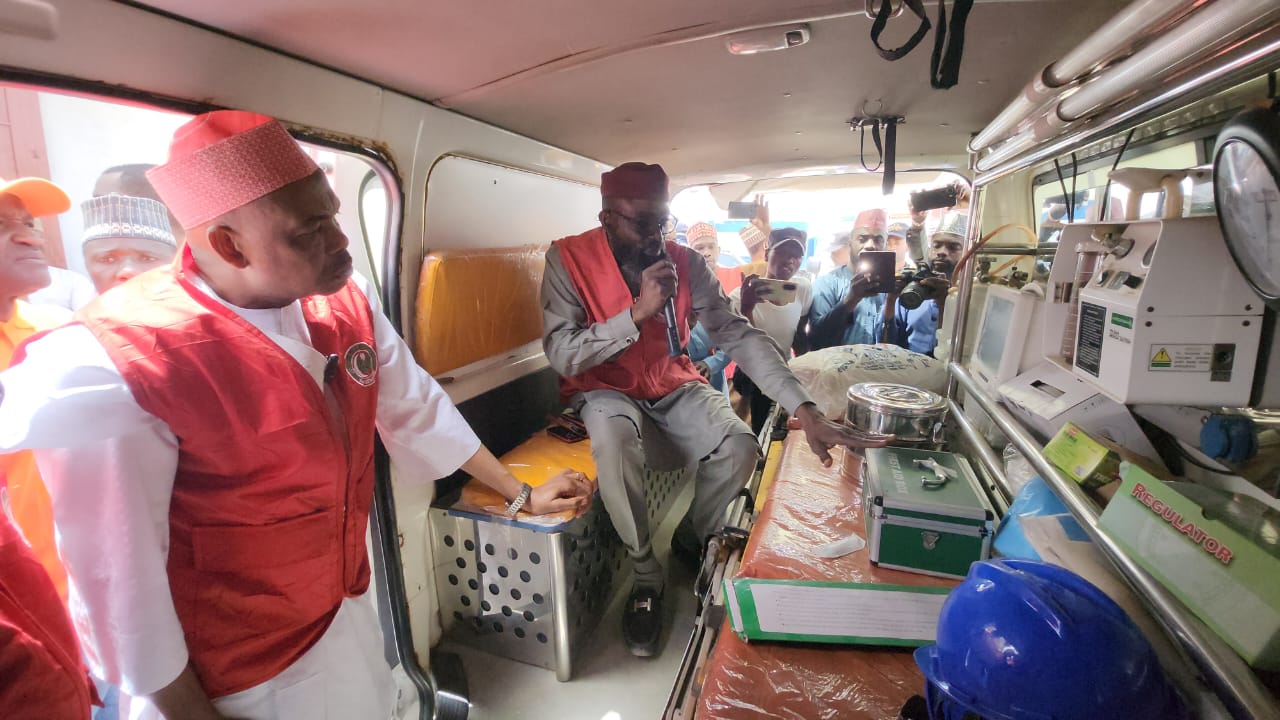
The Kano State Government has introduced a free emergency medical treatment programme that provides eligible patients with lifesaving care for the first 48 hours at designated hospitals across the state.
KANO FOCUS reports that the initiative, being implemented through the Kano State Emergency Medical Services and Ambulance System (KN-SEMSAS) under the Ministry of Health, is designed to ensure that victims of medical emergencies receive prompt treatment without financial barriers.
According to information released by the state government, the scheme covers children under the age of five, including newborns with emergency conditions, road traffic accident victims, gunshot injuries, snakebite cases, drowning incidents, fire-related injuries, building collapse victims, communal clash casualties and other weapon-related injuries.
The programme also includes obstetric and neonatal emergency referrals from Kano State’s 18 MAMII local government areas through the SaveMAMA referral system.
Under the initiative, emergency treatment is provided free of charge for the first 48 hours at accredited Emergency Medical Treatment Centres (EMTCs) across the state.
The government advised patients or their relatives to contact the KN-SEMSAS Emergency Call Centre before or immediately upon arrival at an accredited hospital to obtain an authorisation code, while stressing that emergency treatment should not be delayed while the code is being processed.
Residents were urged to use the national toll-free emergency line 112 or the state’s dedicated emergency numbers 09019999920 and 09049999914 to request ambulance services and access the programme.
The accredited hospitals participating in the scheme include Aminu Kano Teaching Hospital (AKTH), National Orthopaedic Hospital, Dala, Muhammad Abdullahi Wase Teaching Hospital (MAWTH), Murtala Muhammad Specialist Hospital, Sir Muhammad Sanusi Specialist Hospital, Sheikh Muhammad Jidda General Hospital, Waziri Shehu Gidado General Hospital, MDS Hospital, Zak Clinic, MGK Hospital and Khadijat Memorial Hospital.
The state government said the initiative forms part of ongoing efforts to strengthen emergency healthcare delivery and improve access to lifesaving medical services for residents.
It called on members of the public to take advantage of the programme and share information about the emergency treatment scheme to enable more residents to benefit from the free services.
Ibrahim Khalil
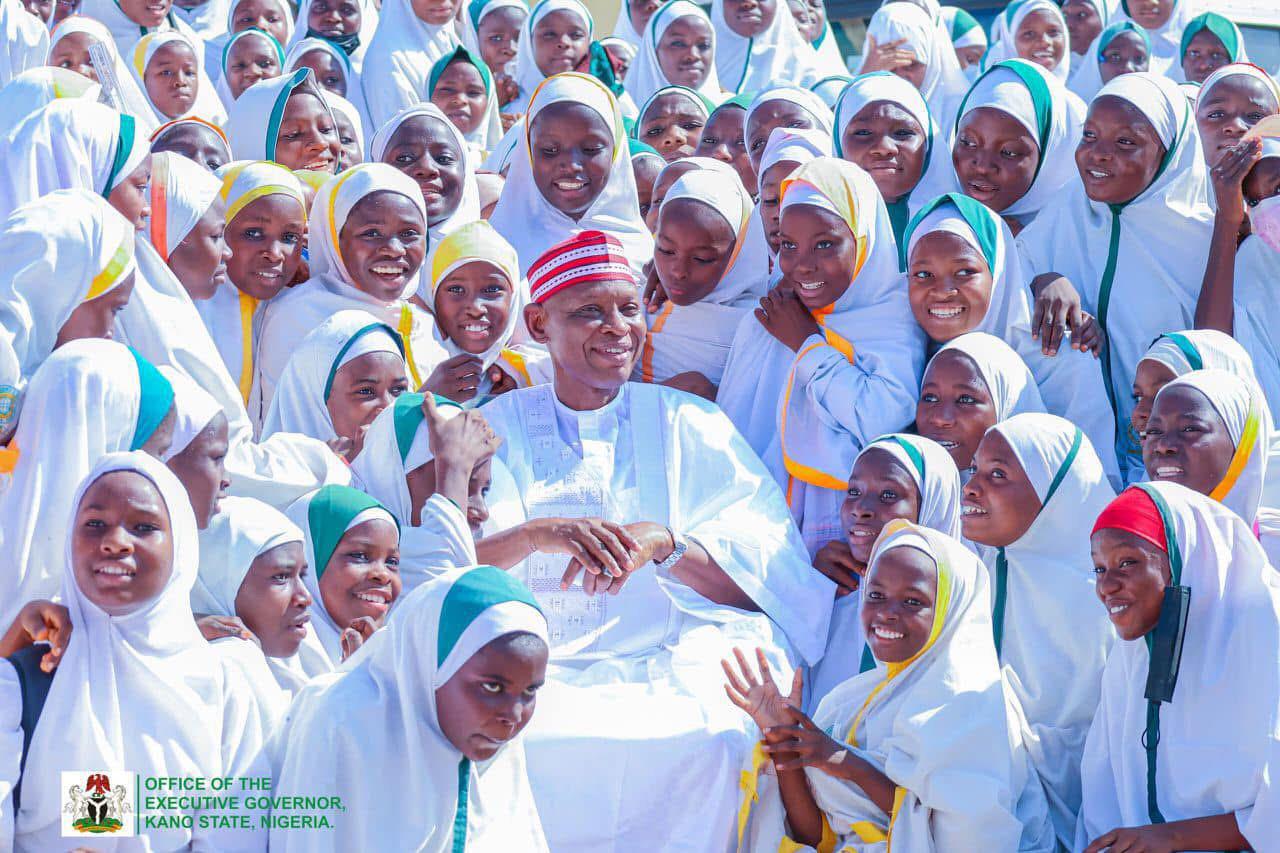
The Kano State Accountability Forum on Education (K-SAFE) has congratulated Governor Abba Kabir Yusuf following Kano State’s emergence as the highest-ranked sub-national government in education spending among member states of the Economic Community of West African States (ECOWAS).
KANO FOCUS reports that the commendation followed the release of the Sub-National Weighted Average Education Spending Index (S-WAESI), which ranked Kano first among 209 first-level sub-national governments across 15 ECOWAS countries with a score of 87.21 out of 100.
In a statement signed by its Public Relations Officer, Nasiru Yusuf Ibrahim, K-SAFE described the achievement as a landmark recognition of the state’s commitment to improving education through increased investment, effective budget implementation and strengthened education governance.
The forum also congratulated the Commissioner for Education, Dr. Ali Haruna Makoda, and other stakeholders in the education sector, saying the ranking validates the ongoing reforms being implemented by the state government.
According to the statement, Kano recorded outstanding performance in key indicators, including actual education spending, budget execution, education priority and spending per learner.
“Kano’s emergence as the highest-ranked sub-national government in education spending across ECOWAS reflects the government’s resolve to place education at the centre of its development agenda and invest in the future of the state’s children,” the statement said.
K-SAFE acknowledged the contributions of the Ministry of Education, the State Universal Basic Education Board (SUBEB), the Science and Technical Schools Board (STSB), the Kano State Senior Secondary Schools Management Board (KSSSMB), the Kano State Private and Voluntary Institutions Board (KSPVIB), development partners, teachers, school administrators, School-Based Management Committees (SBMCs), civil society organisations and other stakeholders for their roles in strengthening the state’s education system.
While celebrating the feat, the forum urged the state government not to relent in its efforts, stressing the need to sustain increased investment in education and deepen ongoing reforms.
It called on the government to increase education budget allocations, ensure timely release of approved funds, improve school infrastructure, expand access to digital learning facilities, recruit and train qualified teachers, and prioritise foundational literacy and numeracy, girl-child education, inclusive education and second-chance learning opportunities for out-of-school children.
The forum also advocated greater transparency and public participation in education planning and expenditure, saying such measures would further improve the state’s performance in future assessments.
K-SAFE reaffirmed its commitment to supporting the Kano State Government through evidence-based advocacy, independent monitoring, policy dialogue and community engagement to ensure that investments in education translate into improved learning outcomes across the state.
The forum described investment in education as a strategic driver of human capital development, economic growth and sustainable development, adding that every child in Kano deserves access to safe, inclusive and quality education regardless of background.

Gov. Yusuf tasks media on truthful reporting, patriotism

Kano launches free 48-hour emergency treatment scheme for accident victims, other critical cases

K-SAFE hails Gov. Yusuf as Kano tops ECOWAS education spending ranking

Abdulaziz unveils project inspection initiative, trains APC social media inflluencers at Arewa media summit

Kano says it executed 1,508 projects worth N928 billion in three years
Kano ranks best in ECOWAS on education spending index

Kano recruits over 16,000 teachers, begins 10-year education reform plan
Kano emerges top beneficiary as World Bank rewards states with $27m for reforms

Kano delegation participates in international labour conference in Geneva

