
News
FG bars graduation ceremonies for pre-primary to primary five pupils, orders reuse of textbooks


Nasiru Yusuf Ibrahim
The Federal Government has barred graduation ceremonies for pupils below Primary Six and directed schools to adopt reusable, high-quality textbooks as part of sweeping reforms aimed at reducing the financial burden on parents and improving learning outcomes nationwide.

KANO FOCUS reports that the new policy framework was announced on Friday by the Minister of Education, Dr. Maruf Tunji Alausa, alongside the Minister of State for Education, Prof. Suiwaba Sai’d, as part of ongoing efforts to reposition Nigeria’s education sector.
Under the policy, graduation ceremonies will now be restricted to pupils and students completing Primary Six, Junior Secondary School Three (JSS3), and Senior Secondary School Three (SSS3). The ministers said the decision was taken to curb excessive and costly ceremonies that place unnecessary pressure on families.
They also unveiled measures to standardise the use of durable textbooks designed to last between four and six years, while prohibiting the practice of bundling disposable workbooks with textbooks.
According to the ministers, the new approach will allow learning materials to be reused across multiple academic sessions, enable siblings to share textbooks, significantly reduce recurrent education costs for parents, and minimise waste within the school system.
“This initiative prioritises affordability, sustainability, and improved learning outcomes,” the ministers said, adding that parents have long complained about being forced to buy new textbooks annually without meaningful improvements in content.
As part of the reforms, the Federal Government has also introduced a uniform academic calendar to ensure consistency in teaching, learning and school planning across the country.
The policy further strengthens the assessment, quality assurance, selection and use of textbooks and instructional materials nationwide. It introduces structured and meaningful revision cycles, stipulating that any textbook review must reflect substantial improvements in content rather than cosmetic changes such as layout or pagination.
“This will extend the lifespan of approved textbooks and ensure better value for money,” the ministers explained.
In line with international best practices observed in countries such as Japan, Kenya and Tanzania, the policy also limits the number of approved textbooks per subject and grade level. This, according to the government, will enhance quality, reduce market saturation and simplify textbook selection for schools and education authorities.
The Nigerian Educational Research and Development Council (NERDC) will continue to play a central role in evaluating and approving instructional materials to ensure alignment with the national curriculum, working closely with other relevant agencies.
The ministry commended the Universal Basic Education Commission (UBEC), NERDC and other technical partners for their contributions to the new framework.
Reaffirming the government’s commitment to education reform, the ministers said the Federal Government remains determined to safeguard educational standards, promote equity, reduce costs for parents and ensure that learners across Nigeria have access to quality instructional materials that support effective teaching and learning.


Nasiru Yusuf Ibrahim
A former Governor of Kano State Dr. Rabiu Musa Kwankwaso, has commended the Inspector-General of Police, Olatunji Disu, for ordering a fresh investigation into the disappearance of activist and lecturer Abubakar Idris Dadiyata.
KANO FOCUS reports that Kwankwaso made the remarks in a statement posted on his Facebook page on Saturday following recent testimony by a former aide to an ex-state governor, who allegedly claimed that police officers were responsible for Dadiyata’s disappearance in Kaduna.
Dadiyata, a lecturer and social media commentator, was abducted in 2019, and his whereabouts have remained unknown since then.
According to Kwankwaso, he and his associates have consistently advocated for a thorough investigation into the incident and for those responsible to be brought to justice.
He described the Inspector-General’s directive for a comprehensive investigation as a “decisive and long-overdue action,” expressing hope that the process would uncover the truth behind the disappearance.
The former governor also urged police authorities to place individuals named in the allegations under close surveillance to prevent interference with the investigation.
Kwankwaso further called on the government to ensure that Dadiyata, if found alive, and his family receive adequate compensation for the trauma and hardship they have endured over the years.
He commended members of the public for sustaining advocacy efforts on the case and also praised Abba Hikima Fagge for what he described as his important role in the latest developments surrounding the investigation.
Kwankwaso expressed optimism that the renewed probe would ultimately deliver truth and justice in the case.
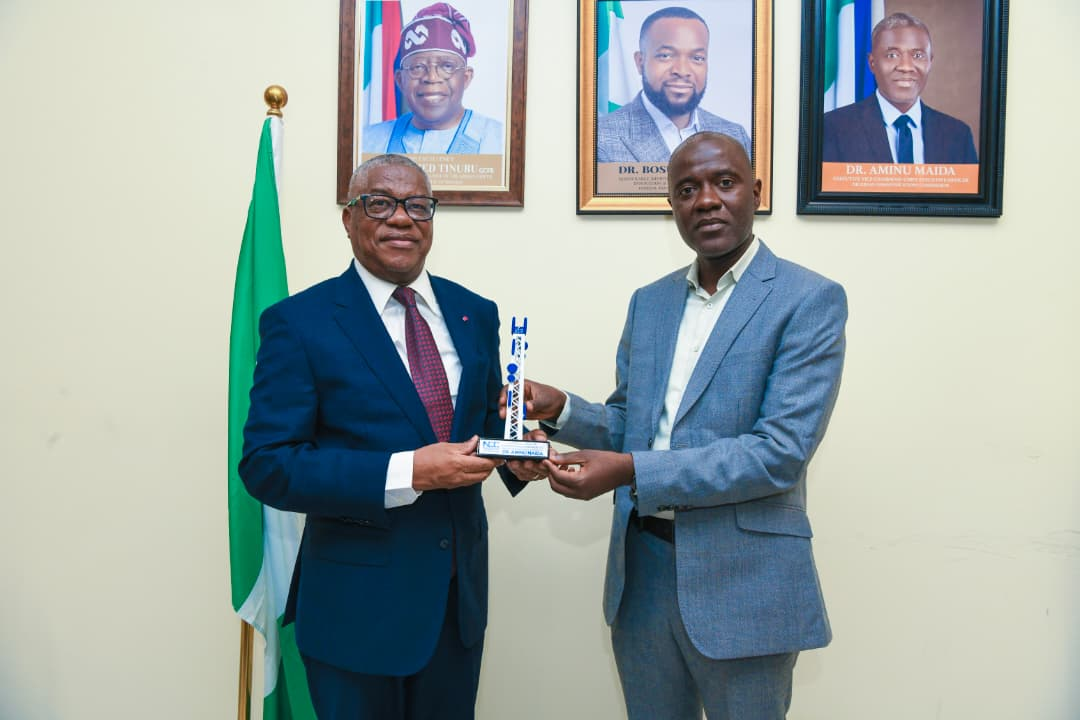
Nasiru Yusuf Ibrahim
The Director General of the Telecommunications Regulatory Board (ART) of the Republic of Cameroon, Philemon Zoo Zame, on Wednesday visited the headquarters of the [Nigerian Communications Commission (NCC) in Abuja for a benchmarking exercise aimed at strengthening regulatory collaboration and knowledge sharing between both countries.
KANO FOCUS reports that during the visit, the Cameroonian telecom regulator met with the Executive Vice Chairman and Chief Executive Officer of NCC, Aminu Maida.
A statement issued by Ayiabari A. Kigbara, Manager, Media Relations, Public Affairs Department of the NCC, said the engagement focused on exchanging ideas and best practices in telecommunications regulation, with emphasis on enhancing efficiency and development within the sector.

Nasiru Yusuf Ibrahim
Dangote Petroleum Refinery and Petrochemicals Limited has announced that its ex-depot price of Premium Motor Spirit (PMS) remains unchanged, reaffirming its commitment to stability in Nigeria’s domestic energy market.
In a statement issued by Esan Sunday, Head of Media Relations, Branding and Communication, the company said sustaining the current price reflects its efforts to cushion the broader economy against external shocks. It noted that by absorbing prevailing cost pressures, the refinery is helping to moderate inflationary risks, promote energy affordability, and ensure uninterrupted fuel supply amid ongoing global uncertainties.
The company reiterated its dedication to the steady supply of high-quality petroleum products to the Nigerian market, while aligning with national objectives of price stability and energy security.
It also urged the public to rely solely on official communications from the refinery for accurate and up-to-date information regarding its operations and pricing.

Kwankwaso commends IGP over probe into Dadiyata’s disappearance

Cameroon telecom regulator visits NCC for benchmarking exercise

Dangote Refinery maintains ex-depot price of PMS

Tinubu congratulates Garo on appointment as Kano deputy governor

Ganduje acknowledges Sanusi II as Emir of Kano, 6 years after dethroning him

Kano SUBEB disowns fake teachers’ recruitment results

Sarkin Fulanin Jaidinawa Abubakar Gwadabe Buhari dies, funeral set for Wednesday

Kano Judicial Commission sanctions Shariah Court Judges, other staff over misconduct

Tinubu nominates Kano’s Rabiu Umar as new NMDPRA chief

