
News
Dr Faruk Umar urges Northern businesses to embrace corporate governance, value-chain financing

Nasiru Yusuf Ibrahim
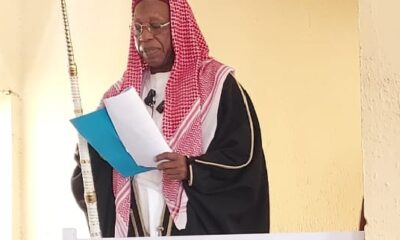
Dr Goni Faruk Umar, President of the Association for the Advancement of the Rights of Nigerian Shareholders (AARNS), has called on financial institutions, policymakers and entrepreneurs in Northern Nigeria to prioritise corporate governance and value-chain financing to unlock the region’s economic potential.

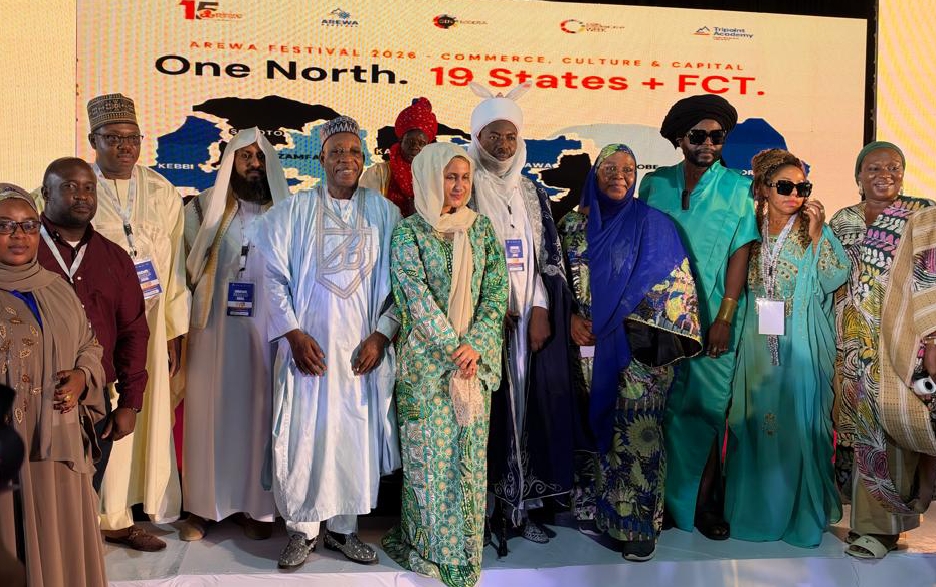
KANO FOCUS reports that Dr Umar made the call while delivering a keynote address at the 2026 Arewa Festival, organised by Tripoint Academy for Tourism and Enterprise Development at the 21 Arena, Arts and Crafts Village, Central Business District, Abuja.
Speaking on the theme, “Placing Northern Nigerian Commerce, Culture, and Capital at the Centre of Economic Development in Nigeria,” he said the region had enormous economic resources that remained largely untapped due to inadequate investment, weak business structures and limited access to long-term financing.
He described Northern Nigeria as an “under-allocated asset class,” arguing that the country could not achieve a resilient trillion-dollar economy without harnessing the productive potential of the 19 Northern states.
He identified the region’s vast arable land, strategic trade corridors and large youth population as major economic assets that could drive national development if properly harnessed.
Dr Umar stressed the need to move beyond the export of raw agricultural commodities by investing in local processing, cold storage facilities and logistics to reduce post-harvest losses and retain more economic value within the region.
He specifically highlighted the Abuja-Kaduna-Zaria-Kano Expressway corridor and the IFAD-AFD Value Chain Programme across nine Northern states as opportunities for expanding agricultural investments and strengthening regional commerce.
On culture and traditional industries, the AARNS president cited the Red Sokoto goat skin and Kano’s leather industry as examples of the North’s potential to compete in international markets.
He said the region needed to invest in local leather finishing, protect intellectual property and develop indigenous luxury and cultural tourism brands capable of attracting foreign exchange.
Dr Umar also identified major obstacles limiting businesses’ access to finance, including mismatches between loan tenures and business needs, high collateral requirements and weaknesses in corporate governance.
He urged small and medium-scale enterprises (MSMEs) and family-owned businesses to formalise their operations, adopt transparent accounting systems and separate personal and corporate finances to attract institutional investments.
According to him, businesses with proper auditing and transparent shareholder structures stand better chances of accessing concessional financing and raising long-term capital through the Nigerian Exchange (NGX).
He also highlighted available financing opportunities, including the African Development Bank’s $102 million SME package, SMEDAN’s N12 billion single-digit financing window and the N500 million funding initiative associated with the Arewa Festival.
“Capital flows where governance is respected. When Northern family businesses and emerging founders adopt clean auditing, separate corporate accounts and transparent shareholder structures, they unlock institutional equity and lower their cost of capital,” he said.
He maintained that Northern Nigeria should not be viewed as a region dependent on government subsidies but as a major economic hub capable of driving national growth through strategic investments.
“Northern Nigeria is not a peripheral market waiting to be subsidised; it is an under-allocated asset class,” he said.
“When Northern culture creates global demand, Northern commerce organises the supply chain, and smart capital fuels the scale, Northern Nigeria does not just participate in Nigeria’s economic development—it leads it.”
Dr Umar, a former Chairman of the Arewa Consultative Forum (ACF), Kano Chapter, is an advocate of corporate governance, capital market development and shareholder protection.



Nasiru Yusuf Ibrahim
Dangote Coal Mines Limited has awarded scholarships to 42 students from its host communities in Kogi State for the 2026/2027 academic session and paid annual surface rents to landowners in three communities.
KANO FOCUS reports that the scholarship awards, worth several millions of naira, are part of the company’s Corporate Social Responsibility (CSR) initiatives under its Community Development Agreement (CDA) with the host communities.
A statement issued by Jibrin Abubakar, Media Relations Officer, Dangote Industries Limited, said the initiative was aimed at promoting access to education, reducing the financial burden on parents and supporting human capital development.
The company’s General Manager, Special Duties, Mr Nuhu Elujah, represented by Emmanuel Alonge, said the scholarship programme reflected the company’s commitment to sustainable community development and creating opportunities for future generations.
He said the beneficiaries were drawn from six coal-bearing communities in Ankpa Local Government Area of Kogi State: Awo-Akpali, Awo-Ojuwo, Awo-Akpolokuta, Awo-Atte, Onupi and Ajobe-Ofeanyaka.
According to him, the initiative is designed to ease the financial burden of higher education on students and their families, encourage academic excellence and enable young people to pursue their educational aspirations.
He added that the company considered investment in education essential to building a skilled and productive generation capable of contributing to the development of their communities and the country.
Elujah said the scholarship scheme was part of the company’s efforts to fulfil its CSR obligations under the CDA through programmes that promote education, human capital development and social advancement.
Reacting on behalf of the beneficiary communities, the Community Leader of Awo-Akpali, Dr Samuel Adejoh, commended the company for fulfilling its commitments to the host communities.
He said the scholarship initiative would help ease the financial burden on students and their parents while providing beneficiaries with greater opportunities to pursue their academic ambitions.
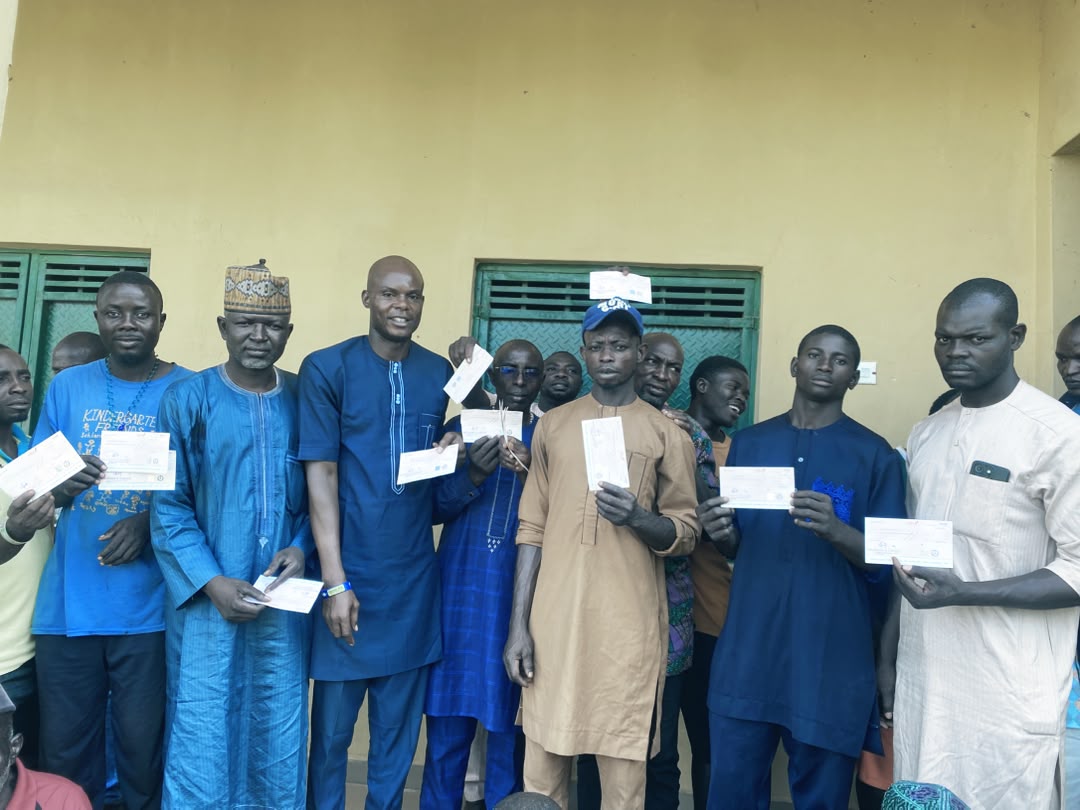
In a related development, Dangote Coal Mines Limited also presented cheques for the 2026/2027 annual surface rent to landowners in Awo-Akpali, Awo-Ojuwo and Awo-Akpolokuta communities.
The beneficiaries expressed appreciation to the company’s management for the timely payment, describing it as a demonstration of its commitment to maintaining cordial relations with its host communities.
They urged the company to sustain the prompt payment of the annual rents, saying the financial support would help alleviate the economic challenges facing landowners and their families.
Nasiru Yusuf Ibrahim
A coalition of civil society organisations has called on President Bola Tinubu, the Secretary to the Government of the Federation (SGF), the Economic and Financial Crimes Commission (EFCC) and the Independent Corrupt Practices and Other Related Offences Commission (ICPC) to intervene in what it described as administrative and governance challenges affecting the North-West Development Commission (NWDC).
KANO FOCUS reports that the coalition raised concerns over delays in distributing intervention materials procured by the commission for beneficiaries across the seven North-West states, as well as the alleged failure to commence an approved recruitment process and poor coordination between the commission’s governing board and management.
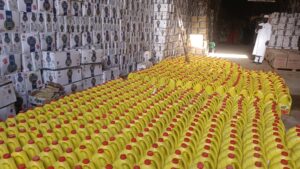
Cooking oil and spaghetti
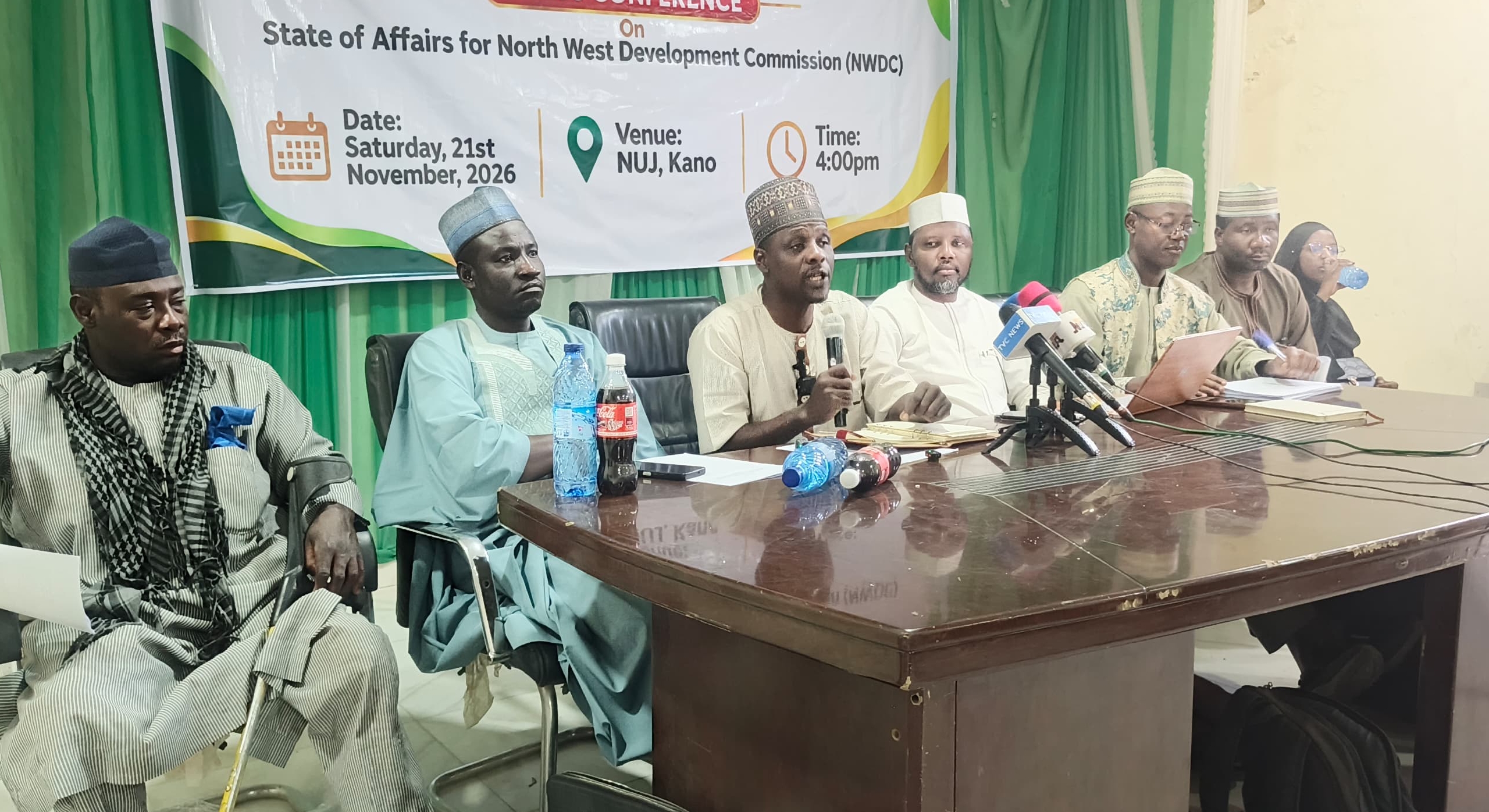
At a press conference on Saturday, the Coalition of Civil Society Organisations on Good Governance and Accountability (CCSGGA) said the situation was undermining the commission’s ability to deliver on its mandate.
The Chairman of the coalition, Dr Abdussalam Muhammad Kani, and Secretary, Comrade Akibu Hamisu, their demand followed an inspection of the commission’s warehouses, where the coalition said it observed several categories of procured intervention materials awaiting distribution.
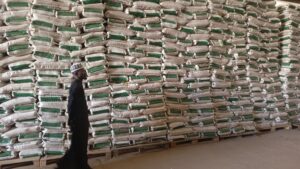
The items include Hilux vehicles intended for vigilante groups, solar-powered irrigation pumps, fertilisers, food supplies for internally displaced persons (IDPs) and vulnerable households, streetlights and tractors.
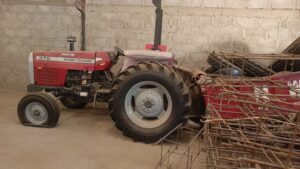
Tractor
The coalition said the items were procured under the commission’s 2026 programmes to support farmers, improve community security and provide assistance to vulnerable populations.
It, however, expressed concern that the materials had remained undistributed despite the needs of their intended beneficiaries across Jigawa, Kaduna, Kano, Katsina, Kebbi, Sokoto and Zamfara states.
“Public resources procured to address citizens’ needs should not remain undistributed while intended beneficiaries continue to wait for support,” the statement said.
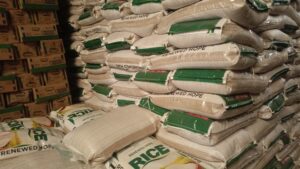
Parboiled Rice
The CSOs also faulted the commission for failing to commence recruitment months after the Federal Character Commission and other relevant regulatory agencies reportedly granted approval for employment.
According to the coalition, no recruitment advertisement, application portal, timeline, shortlist or guidelines had been made public, raising concerns about transparency, possible favouritism and equitable representation across the seven states.

Washing Machine
The group further alleged a lack of coordination between the NWDC governing board and management, noting that no board meeting had reportedly been held for about two consecutive quarters, despite provisions in the NWDC Establishment Act, 2024, for quarterly meetings.
It said the situation had affected oversight and delayed decisions on the distribution of intervention materials and commencement of recruitment.
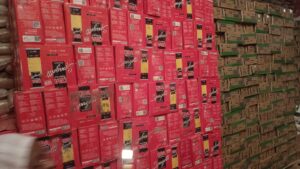
The coalition warned that continued delays could result in the deterioration of food supplies, depreciation of vehicles and equipment, unnecessary storage costs and loss of public confidence in the commission.
It also called on the Minister of Regional Development to facilitate the constitution and appointment of executive directors to provide the commission with the necessary leadership and management structure.
Among its demands, the coalition asked the NWDC Board Chairman, Lawan Sama’ila Abdullahi Yakwada, to convene an urgent meeting to address outstanding issues affecting the commission.
It also urged the commission to publicly announce its approved vacancies, application procedures, recruitment timeline and selection criteria to ensure a transparent, merit-based process that complies with Federal Character Commission principles.
The CSOs called on the National Assembly, particularly committees responsible for regional development and public accounts, to investigate the delays and ensure that all procured intervention materials were accounted for and distributed fairly.
They further urged the EFCC and ICPC to deploy officers to monitor the distribution of intervention materials across the seven states as a preventive measure against diversion and abuse of public resources.

Tricycle Machines
The coalition also demanded a publicly communicated distribution plan and called for credible civil society organisations, community-based organisations and media representatives to be allowed to monitor and document the exercise.
It urged the NWDC to ensure that the materials reached intended beneficiaries without political, geographical or other forms of discrimination.
The group also appealed to President Tinubu to formally commission the NWDC headquarters in Kano, named Bola Ahmed Tinubu House, during his forthcoming visit to the state.
The coalition said the proposed commissioning would provide an opportunity to demonstrate the commission’s institutional progress and operational readiness.

Blankets
It reaffirmed its commitment to monitoring developments in the commission and advocating accountability, fairness and effective service delivery.
“The NWDC was established to advance the collective development interests of the North-West. Its resources and interventions must therefore be managed in the public interest and delivered to the people they are intended to serve,” the statement said.

Dr Faruk Umar urges Northern businesses to embrace corporate governance, value-chain financing

Dangote Coal awards scholarships to 42 students, pays annual surface rent in Kogi

Blowing one’s own trumpet: A 45-year journey in journalism, professional leadership and public service

CSOs ask Tinubu, EFCC, ICPC to intervene in Northwest Commission governance crisis

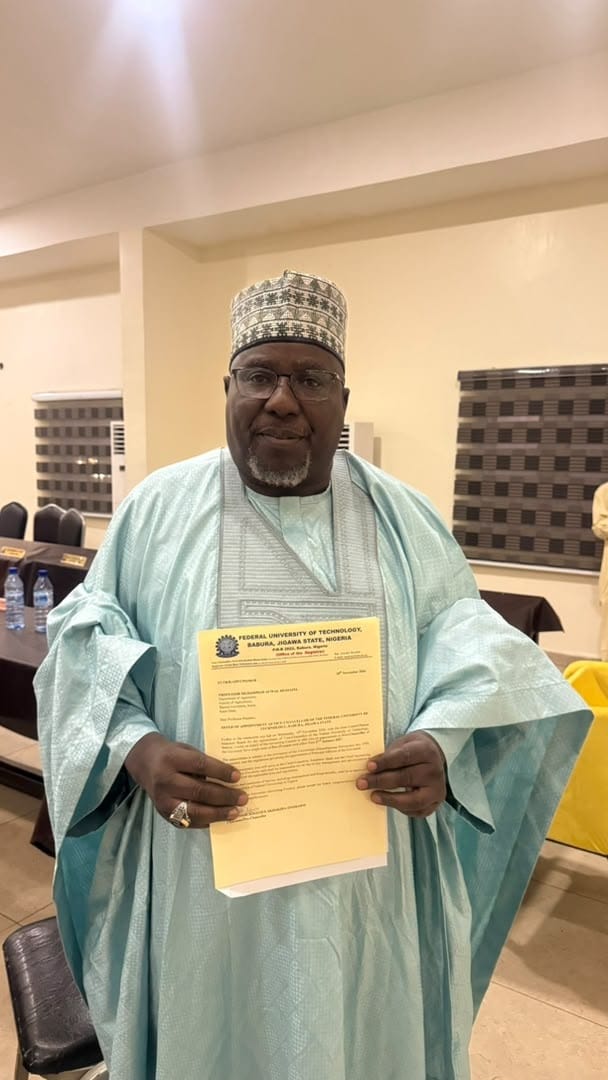
FUT Babura appoints BUK professor Hussaini as new Vice Chancellor

Uganda woos Dangote for $billions oil refinery, fertiliser, salt investments

Governor Yusuf swears in six commissioners, three advisers, 19 permanent secretaries

Veteran NTA manager Dahiru Biso loses wife at 58

Gov Yusuf Joins APC Leaders at Kaduna Presidential Campaign Flag-Off as Kano Delegation Draws Attention

