
Headlines
Why I joined the Army – Kano female recruit

Mukhtar Yahya Usman
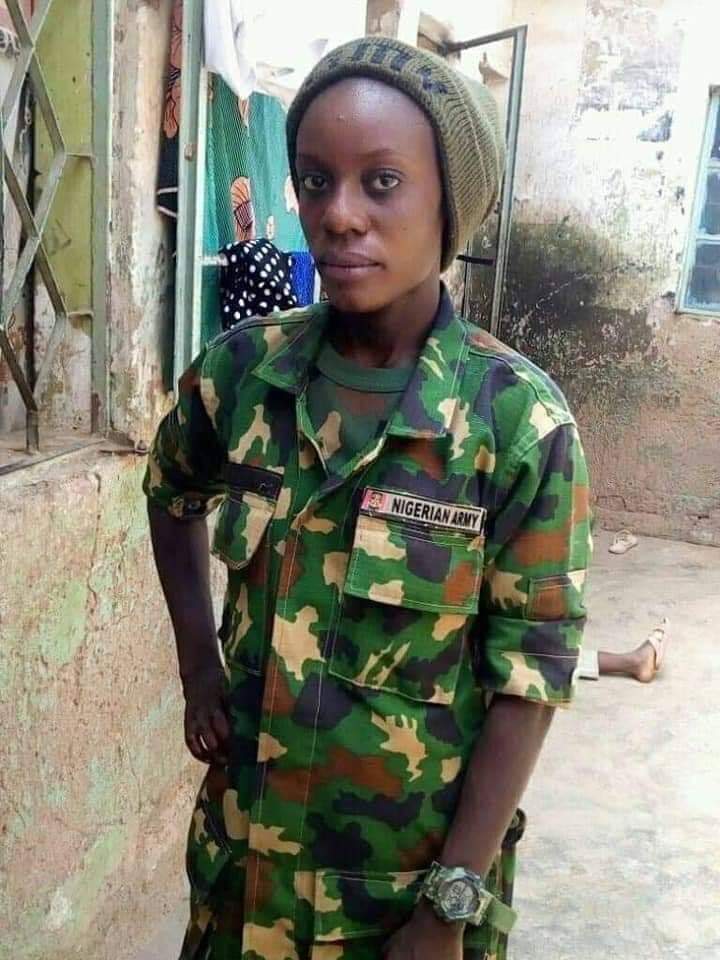
A female Kano-born soldier, Amina Nuhu says she joins the Nigerian Army in order to fulfill her mother’s wishes.
Ms Nuhu, 20, an indigene of Gyaranya quarters, Kano City is the only Hausa woman among the 452 female soldiers in the 79th Regular Recruit Intake at the Zaria Depot of the Nigeria Army.
The new recruit completed her seven months training at Chindit Barracks, Zaria Depot on June 27, 2020.
Private Nuhu told Kano Focus that her mother wanted her to join the Army after her elder brother failed to get recruited.

“My mother urged me to join the military, as my brother failed to get recruited after several attempts.
“I’ve always wanted to be a soldier, but what encouraged me the most was my mother’s support, which is very rare among Hausa people”
“I’ve joined the military to fulfill her wish and I will work hard to make her proud of me.” She said.
Financial challenges
Amina Nuhu was born in 1999 at Gyaranya quarters, Gwale local government in Kano metropolis.
She attended Warure Primary School from 2005 to 2010.
She attended Army Day Girls Secondary School, Kano from 2012 to 2017 where she developed interest in joining the military.
However, she first enrolled into the School of Management Studies, Kano State Polytechnic to study Marketing.
Ms Nuhu had to drop out due to financial challenges.
“In 2007, I was admitted to Kano state polytechnic to study Marketing.
“I finished my first year successfully but failed to get money for the second year registration.
“Though I tried hard to secure the funds, I was forced to drop out when I failed to do so.” She said.
Ms Nuhu, who is an orphan, said becoming a soldier will allow her to cater for herself and take care of her mother.
Social media controversy
Her decision has however caused some controversy on social media platforms.
While some commentators praise her for following her passion, others wonder if she is really a Hausa woman and wonder if she will ever get married.
Ms Nuhu told Kano Focus that she is aware of the social media critics.
She said people in her community are happy that she has joined the Army.
“Since I became a soldier, my neighbors have been cheering me and giving me words of courage.
“People have been coming to our house to wish me well.
“In fact, whenever I go out, people approach me wanting to take a selfie – I’m very happy with the way they treat me.” She said.
A true indigene of Kano
She also debunked speculations that she is not an indigene of Kano state.
“My Father was born in Dan Hassan village, Kura local government – even his father was born there.
“Also my mother was born in Fagge area of Kano metropolis.
“I was born in Gyaranya quarters in Gwale local government inside the Kano city wall.
“So I laugh at people who say I’m not truly Hausa.”
Private Amina Nuhu of the Nigerian Army also assured those concerned about her marital prospects that she is already engaged to a fellow soldier.

Nasiru Yusuf Ibrahim
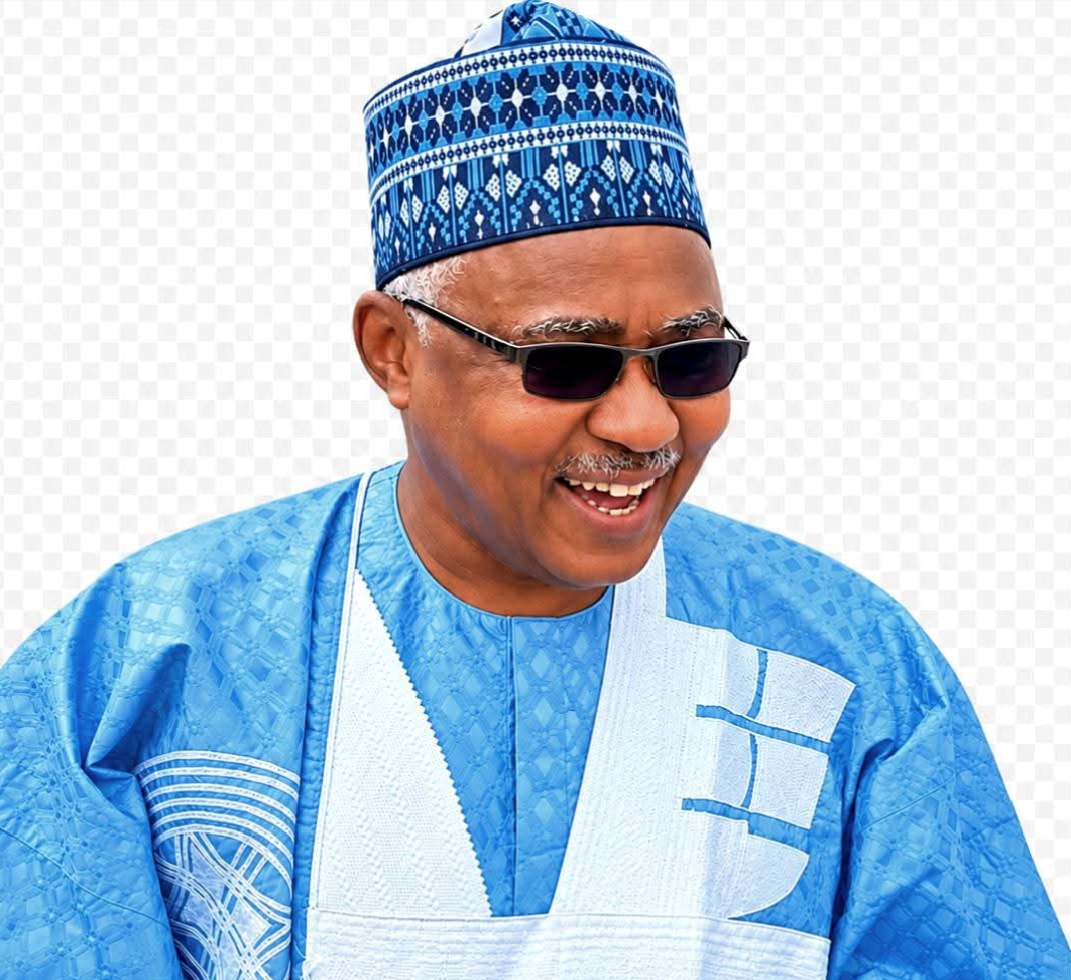
Political allies and loyalists of former Managing Director of the Nigerian Ports Authority (NPA), Arc Aminu Dabo, have begun resigning from the All Progressives Congress (APC) in Kano State following his withdrawal from the ruling party.
KANO FOCUS reports that the supporters, operating under the political group Dabo Alheri Ne, reportedly include members across Kano State’s 44 local government areas.
Barely two days after Dabo announced his resignation from the APC, a prominent stakeholder of the group, Garba Zakiru Dambatta, said members had welcomed the decision and were showing solidarity by submitting their resignation letters to their respective ward party chairmen.
Dambatta, a former APC chairman in Dambatta Local Government Area, said the group’s members were disappointed with what they described as the prolonged marginalisation of Mr Dabo and his supporters within the party.
According to him, despite Mr Dabo’s contributions to the APC and efforts to strengthen the party and manage disagreements among its members, some key stakeholders had continued to sideline him and his loyalists in party activities.
Dambatta reaffirmed the group’s commitment to standing by Mr Dabo’s political decisions and supporting his future political journey.
He also urged the former NPA managing director not to succumb to political pressure or reverse his decision to leave the party.
“This step you have taken, we have the conviction that it is the beginning of a new chapter of goodness in your life,” Dambatta said.
Among the prominent members of the group identified as supporting Mr Dabo’s decision are Abba Rabee’u, a former Senior Special Assistant on Political Awareness; Almustapha Jilani Danmalam, a former Senior Special Assistant on Education; Jamilu Abdullahi Zangon-Mata, a former Senior Special Assistant on Entrepreneurship; and Fahd A. Dabo, a former Special Assistant on Youth Mobilisation.
The individuals reportedly served during the second term of former Kano State Governor Abdullahi Umar Ganduje.
The group also said several other party loyalists and supporters were backing Dabo following his resignation.
However, the statement did not provide the number of members who had formally resigned from the APC or indicate whether the party leadership had responded to the development.
Nasiru Yusuf Ibrahim
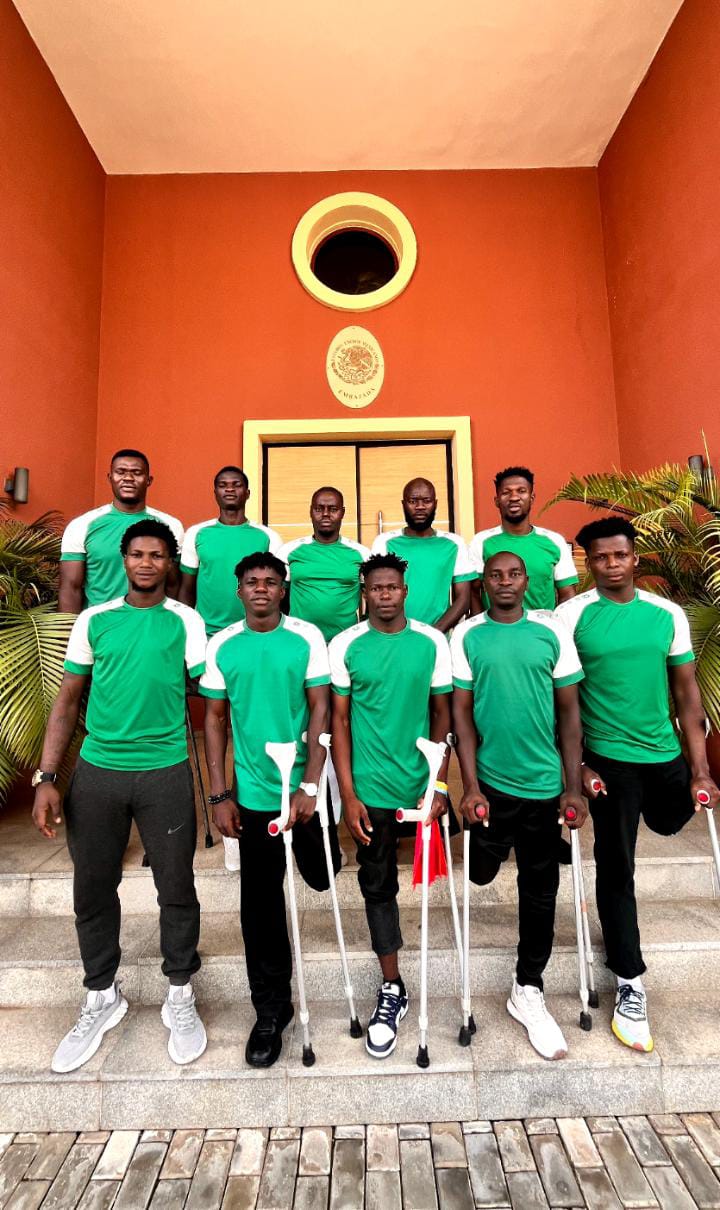
Five players of Kano Pillars Amputee Football Club have been invited to the national camp of Nigeria’s Special Super Eagles ahead of the 2026 Amputee Football World Cup in Mexico.
KANO FOCUS reports that invited players are Isah Yusuf, Abba Musa, Habu Friday, Emanuel Betel and Usman Ahmed. They are currently in Abuja with the national team as preparations intensify for the global tournament.
The Team Manager of Kano Pillars Amputee Football Team, Jamilu Uba Adamu, disclosed this in an interview with Ashiru Rabiu Gidan Tudu, Information Officer of the Kano State Sports Commission.
Adamu described the invitation as recognition of the players’ dedication, discipline and outstanding performances.
He expressed confidence that the players would represent Kano State and Nigeria with honour at the championship.
According to him, the call-up also demonstrates Kano Pillars’ commitment to nurturing talented amputee footballers and contributing to the development of the sport in Nigeria.
The 2026 Amputee Football World Cup is scheduled to take place from November 13 to 22 in San Juan de los Lagos, Mexico. A total of 24 countries, including seven African nations, are expected to participate.
The Executive Chairman of the Kano State Sports Commission, Muhammad Tukur Babangida, congratulated the five players on their invitation, describing it as well deserved.
Babangida expressed confidence that they would justify the confidence reposed in them by the national team selectors.
He assured the players of the commission’s continued support and urged them to remain focused, disciplined and committed to making Kano State and Nigeria proud on the international stage.
Ibrahim Khalil
A chieftain of the All Progressives Congress (APC) in Kano State, Aminu Dabo, has resigned as the party’s caucus chairman in Dambatta Local Government Area and withdrawn his membership of the ruling party.
KANO FOCUS reports that Dabo, a former Managing Director of the Nigerian Ports Authority (NPA), announced his resignation in a letter dated October 7, 2026, addressed to the APC chairman of Dambatta Gabas Ward.
In the letter, personally signed by him, Dabo said he took the decision after careful consideration of personal reasons and his future endeavours.
He confirmed his resignation during a telephone conversation from Abuja on Wednesday, saying he had formally submitted the letter to the appropriate party officials in Dambatta for necessary action.
“I remain grateful for the cordial relationship I enjoyed and appreciative of the experience gained during my time of service,” he said.
The former NPA managing director also thanked the party’s leadership for the opportunity and confidence reposed in him to contribute to its development and progress during his membership.
“I sincerely appreciate the support and opportunity I have received from the party leadership,” he added.
A statement issued by Abdullahi Othman, Media and Publicity Aide to Dabo Dabo, said the former NPA MD did not disclose further details about his reasons for leaving the APC in the resignation letter.

Dabo’s resignation triggers wave of defections from APC in Kano

Five Kano Pillars Amputee Players Invited to Special Eagles Camp Ahead of World Cup

BUK Professor advocates microfinance to tackle food insecurity, poverty

General Elections 2027: Abba Kabir Yusuf traverses the path to victory
Former NPA MD Aminu Dabo resigns as APC caucus chairman in Dambatta

Kano leads again as NECO successes rise to 74,413
Kano tops states in 2026 NECO results, Governor Yusuf hails students

Kano Govt Suspends Durbar Processions, Horse Riding in Metropolis

ACF begins Dangote Refinery IPO sensitisation campaign in Kano

