
Headlines
Nigeria, Niger Republic sign agreement on border frequency coordination


Nigeria and Republic of Niger have signed a bilateral agreement in Abuja for coordination of frequency utilisation along their borders to ensure seamless deployment of services around within the two countries.
KANO FOCUS reports that the agreement signing ceremony was one of the highlights of the two-day Digital Economy Regional Conference, hosted by the Nigerian government and facilitated by the Federal Ministry of Communications and Digital Economy, which ended at the Transcorp Hilton Abuja.
Nigeria’s Minister of Communications and Digital Economy, Prof. Isa Ali Ibrahim Pantami, signed on behalf of Nigeria, while his Nigerien counterpart, the Minister of Post and New Information Technologies, Mr. Moussa Baraze, signed on behalf of his country.

The Executive Vice Chairman and Chief Executive Officer (EVC/CEO) of the Nigerian Communications Commission (NCC), Prof. Umar Danbatta and Niger Republic’s Chairperson of the National Council for Regulation of Electronic Communications and Post, Mrs. Aichatou Oumani, were witnesses to the agreement, which applies to the co-ordination of frequencies existing in the Nigeria-Niger transboundary areas between 87.5 megahertz (MHz) to 30 gigahertz (GHz).
The agreement indicated it will help in effective coordination and sharing of frequencies and channels in the ‘buffer zone or area’ on borderlines between the two countries and also help to address one of the major issues of signal interference regulation that may arise in telecoms signal transmissions by terrestrial telecoms service providers, as it spells out the procedures for regulating such cases.
The agreement, according to the two parties, provides, in part, that in case of harmful interference affecting one of the parties, the affected party shall inform the other party in writing for necessary action to be carried out.
“Also, the party from whence the interference is originating shall ensure that all necessary means are used to resolve the harmful interference within 30 days of receipt of the notice”, the agreement says.
While the Agreement is without prejudice to the rights and obligations of the parties specified in the Convention, the Constitution of the International Telecommunication Union (ITU) and other inter-governmental arrangements, it states, however, that the land and mobile services whose use is restricted for security, maritime and national defence or for which information is not available, shall not be subjected to the provisions of the agreement.

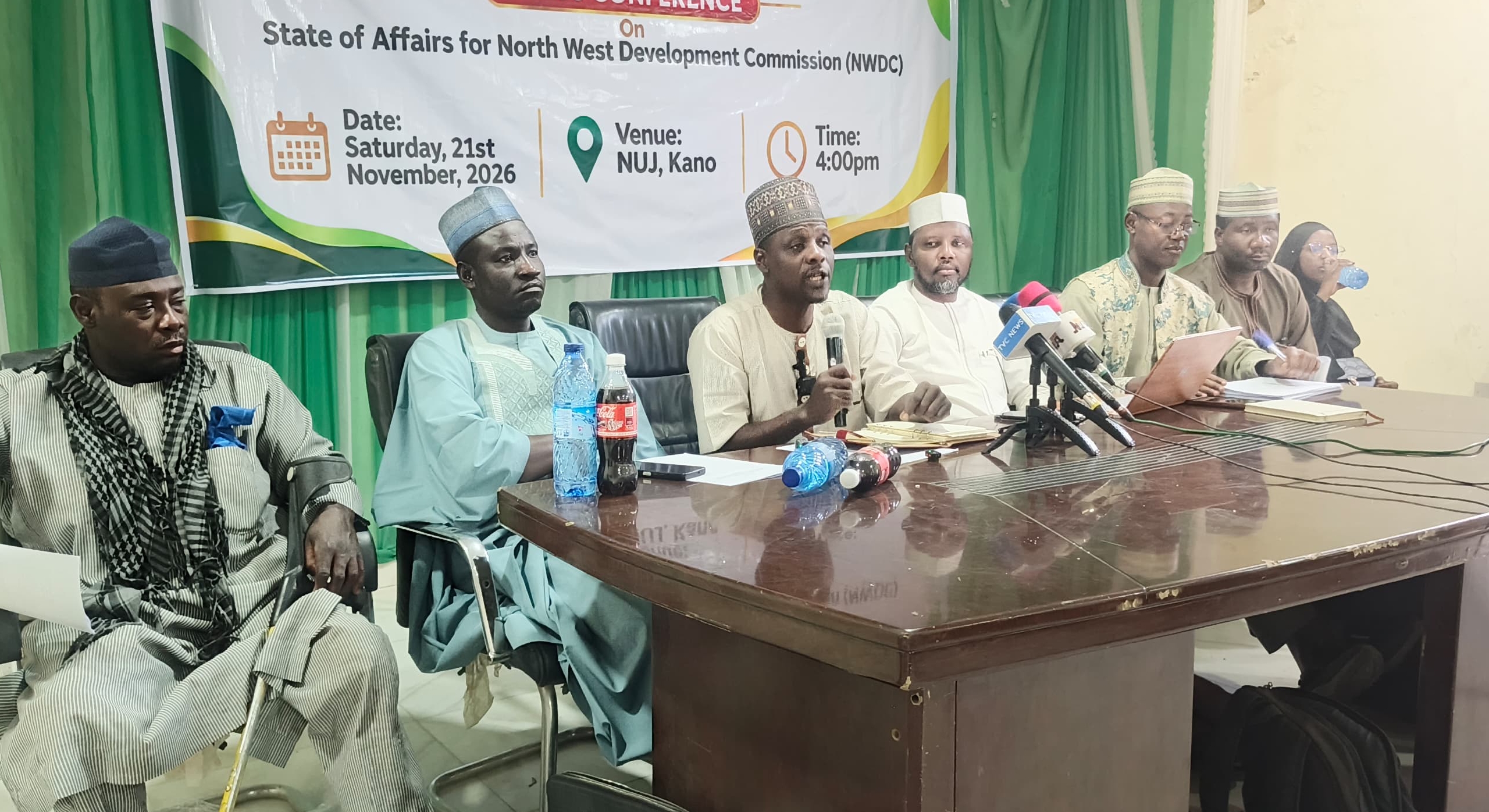
Nasiru Yusuf Ibrahim
A coalition of civil society organisations has called on President Bola Tinubu, the Secretary to the Government of the Federation (SGF), the Economic and Financial Crimes Commission (EFCC) and the Independent Corrupt Practices and Other Related Offences Commission (ICPC) to intervene in what it described as administrative and governance challenges affecting the North-West Development Commission (NWDC).
KANO FOCUS reports that the coalition raised concerns over delays in distributing intervention materials procured by the commission for beneficiaries across the seven North-West states, as well as the alleged failure to commence an approved recruitment process and poor coordination between the commission’s governing board and management.
Cooking oil and spaghetti
At a press conference on Saturday, the Coalition of Civil Society Organisations on Good Governance and Accountability (CCSGGA) said the situation was undermining the commission’s ability to deliver on its mandate.
The Chairman of the coalition, Dr Abdussalam Muhammad Kani, and Secretary, Comrade Akibu Hamisu, their demand followed an inspection of the commission’s warehouses, where the coalition said it observed several categories of procured intervention materials awaiting distribution.
The items include Hilux vehicles intended for vigilante groups, solar-powered irrigation pumps, fertilisers, food supplies for internally displaced persons (IDPs) and vulnerable households, streetlights and tractors.

Tractor
The coalition said the items were procured under the commission’s 2026 programmes to support farmers, improve community security and provide assistance to vulnerable populations.
It, however, expressed concern that the materials had remained undistributed despite the needs of their intended beneficiaries across Jigawa, Kaduna, Kano, Katsina, Kebbi, Sokoto and Zamfara states.
“Public resources procured to address citizens’ needs should not remain undistributed while intended beneficiaries continue to wait for support,” the statement said.

Parboiled Rice
The CSOs also faulted the commission for failing to commence recruitment months after the Federal Character Commission and other relevant regulatory agencies reportedly granted approval for employment.
According to the coalition, no recruitment advertisement, application portal, timeline, shortlist or guidelines had been made public, raising concerns about transparency, possible favouritism and equitable representation across the seven states.

Washing Machine
The group further alleged a lack of coordination between the NWDC governing board and management, noting that no board meeting had reportedly been held for about two consecutive quarters, despite provisions in the NWDC Establishment Act, 2024, for quarterly meetings.
It said the situation had affected oversight and delayed decisions on the distribution of intervention materials and commencement of recruitment.
The coalition warned that continued delays could result in the deterioration of food supplies, depreciation of vehicles and equipment, unnecessary storage costs and loss of public confidence in the commission.
It also called on the Minister of Regional Development to facilitate the constitution and appointment of executive directors to provide the commission with the necessary leadership and management structure.
Among its demands, the coalition asked the NWDC Board Chairman, Lawan Sama’ila Abdullahi Yakwada, to convene an urgent meeting to address outstanding issues affecting the commission.

It also urged the commission to publicly announce its approved vacancies, application procedures, recruitment timeline and selection criteria to ensure a transparent, merit-based process that complies with Federal Character Commission principles.
The CSOs called on the National Assembly, particularly committees responsible for regional development and public accounts, to investigate the delays and ensure that all procured intervention materials were accounted for and distributed fairly.
They further urged the EFCC and ICPC to deploy officers to monitor the distribution of intervention materials across the seven states as a preventive measure against diversion and abuse of public resources.

Tricycle Machines
The coalition also demanded a publicly communicated distribution plan and called for credible civil society organisations, community-based organisations and media representatives to be allowed to monitor and document the exercise.
It urged the NWDC to ensure that the materials reached intended beneficiaries without political, geographical or other forms of discrimination.
The group also appealed to President Tinubu to formally commission the NWDC headquarters in Kano, named Bola Ahmed Tinubu House, during his forthcoming visit to the state.
The coalition said the proposed commissioning would provide an opportunity to demonstrate the commission’s institutional progress and operational readiness.

Blankets
It reaffirmed its commitment to monitoring developments in the commission and advocating accountability, fairness and effective service delivery.
“The NWDC was established to advance the collective development interests of the North-West. Its resources and interventions must therefore be managed in the public interest and delivered to the people they are intended to serve,” the statement said.
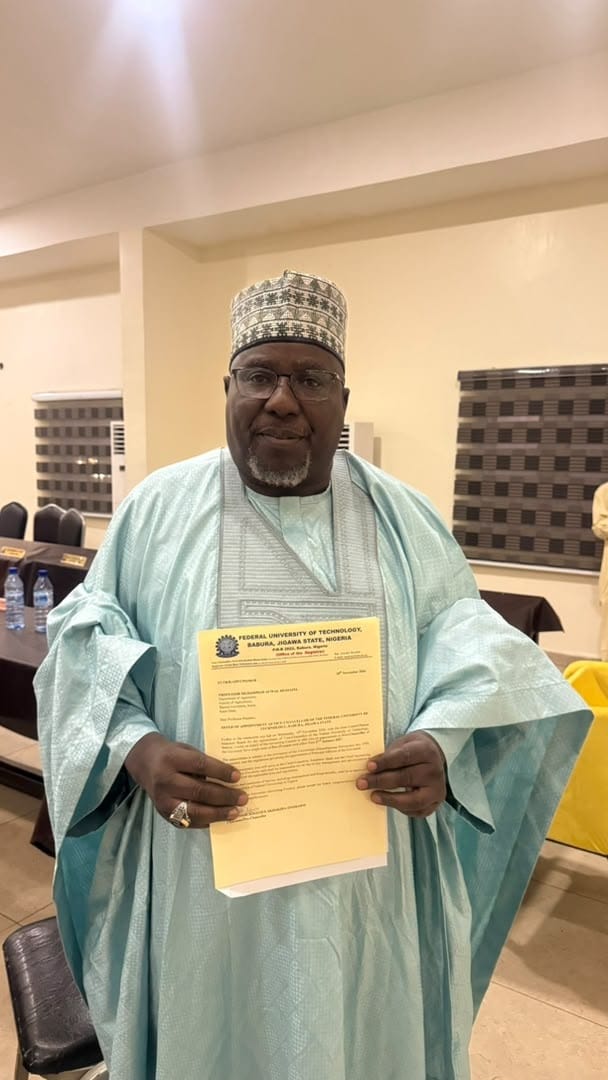
Nasiru Yusuf Ibrahim
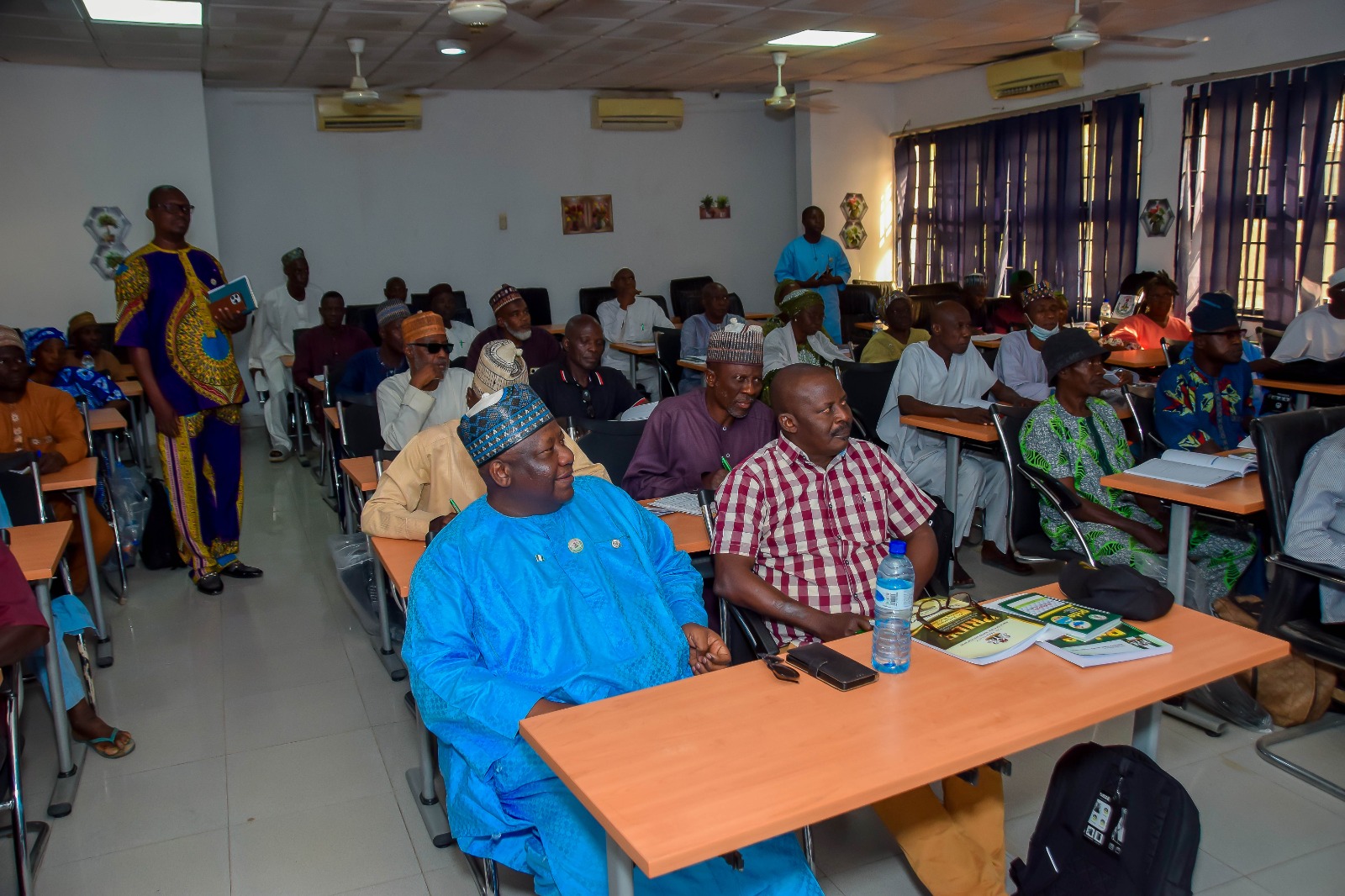
The Bureau of Public Service Reforms (BPSR) has urged federal civil servants to develop alternative sources of income before retirement to avoid financial difficulties after leaving active service.
KANO FOCUS reports that the Director-General of the bureau, Alhaji Dasuki Ibrahim Arabi, gave the advice during a pre-retirement training programme organised for federal workers to equip them with skills in financial management, entrepreneurship and family life after retirement.
Alhaji Dasuki Ibrahim Arabi
“Retirement is a disaster if you refuse to plan,” Arabi said, stressing the need for public servants to prepare adequately for life after government employment.
He said the programme was designed to ensure that retired workers remained economically productive instead of becoming dependent on their families and society.
According to him, the bureau wants every federal government employee to acquire a skill or learn a trade before leaving active service.
Arabi explained that training and retraining of public servants formed part of the bureau’s mandate, describing the initiative as a way of appreciating workers who had devoted years to serving the country.
He commended President Bola Ahmed Tinubu for providing funds for the programme but appealed for additional financial support to enable the bureau to conduct its second, third and fourth phases.
The BPSR director-general disclosed that 660 federal workers had so far benefited from the training conducted in six locations: Kano, Nasarawa, Gombe, Asaba, Enugu and Lagos.
One of the participants, Auwalu Saidu Ahmad, from the National Institute for Hospitality and Tourism, said the training had changed his perception of retirement, particularly his understanding of the need to establish alternative sources of income beyond his government salary.
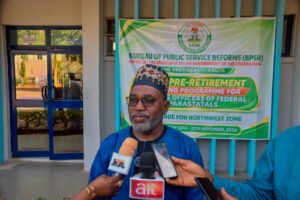
Malam Auwalu Saidu Ahmad
He said the programme exposed him to savings, business opportunities, healthcare and the importance of preparing to spend more time with his family after retirement.
Similarly, Miss Philomina Batuk, from the National Orthopaedic Hospital, Dala, Kano, said she had previously feared retirement because she was uncertain about how to manage life after leaving the service.
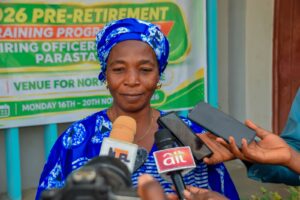
Miss Philomina Batuk
She said the training had taught her how to manage her resources, plan for the future and establish a small business before receiving her pension and gratuity.
“I am now convinced that I will live comfortably after retirement. I now know where to start,” she said.

Dr Faruk Umar urges Northern businesses to embrace corporate governance, value-chain financing

Dangote Coal awards scholarships to 42 students, pays annual surface rent in Kogi

Blowing one’s own trumpet: A 45-year journey in journalism, professional leadership and public service

CSOs ask Tinubu, EFCC, ICPC to intervene in Northwest Commission governance crisis

FUT Babura appoints BUK professor Hussaini as new Vice Chancellor

Uganda woos Dangote for $billions oil refinery, fertiliser, salt investments

Governor Yusuf swears in six commissioners, three advisers, 19 permanent secretaries

Veteran NTA manager Dahiru Biso loses wife at 58

ACF Kano Appoints Isyaku Umar Tofa Interim Chairman

