
Headlines
NCC warns against sale, use of non-type approved devices


Nasiru Yusuf Ibrahim
The Nigerian Communications Commission (NCC), has warned traders and other stakeholders about the negative consequences of selling and purchasing phones and telecommunications gadgets that are not type approved by the Commission.
KANO FOCUS reports that the NCC gave the warning on Friday in a statement signed by it Director Public Affairs Reuben Muoka and made available to journalists.
The statement said the certification of telecom devices used in the telecom sector is one of the mandates of the NCC as enshrined in the Nigerian Communications Act (2003) whose central objective is the “protection of the rights and interests of consumers”.
It added that non-type approved telecom devices are considered to be supplied to the Nigerian market from grey sources and are known to degrade quality of services in the network.

Deputy Director Consumer Affairs Bureau, Dr. Emilia Nwokoro, who spoke for the Executive Vice of the NCC, Prof. Umar Garba Danbatta, at the 5th edition of Market Conversation, a telecom consumer outreach programme of NCC, which took place recently at the GSM Village in Abuja, said the event was part of the sensitization efforts of the Commission to address the issue.
She said there is a need to sensitise traders at the market about the implications of trading in substandard products as they may face the risk of arrest and prosecution when found selling non-type approved devices.
“The essence of coming here today is to enlighten the traders on the dangers of selling non type-approved devices. The NCC established procedures for certifying telecom products sellable and usable in Nigeria, and that explains the Commission’s efforts to raise awareness to ensure that substandard products are not circulated in any market in Nigeria,” she said.
She informed them that the procedure for approval of telecom devices has been established by the Commission, and all type approved devices have been published on the NCC website for public and user reference. Therefore, traders should take advantage of this information to identify type approved against none type approved phone devices.
The Chairman, GSM Village Market, Abuja, Macdonald Ajuogu, said the market union has a task force that monitors the types and standards of devices sold there, and that the association has also put measures in place to deal with any member that goes against their rules.
“Normally, we have a platform in the market whereby anybody that deals with any phone in the market is registered with the union and we also have a task force that always checks on any product that is being sold in the market, including computers that are sold in the GSM village.
Ajuogu thanked the NCC for devoting time to come and sensitise the traders not to sell or purchase non-type approved devices and promised that the traders would strive to abide by the prescriptions of the commission by cross checking with the NCC’s list of certified and type approved devices to avoid being sanctioned.

Nasiru Yusuf Ibrahim
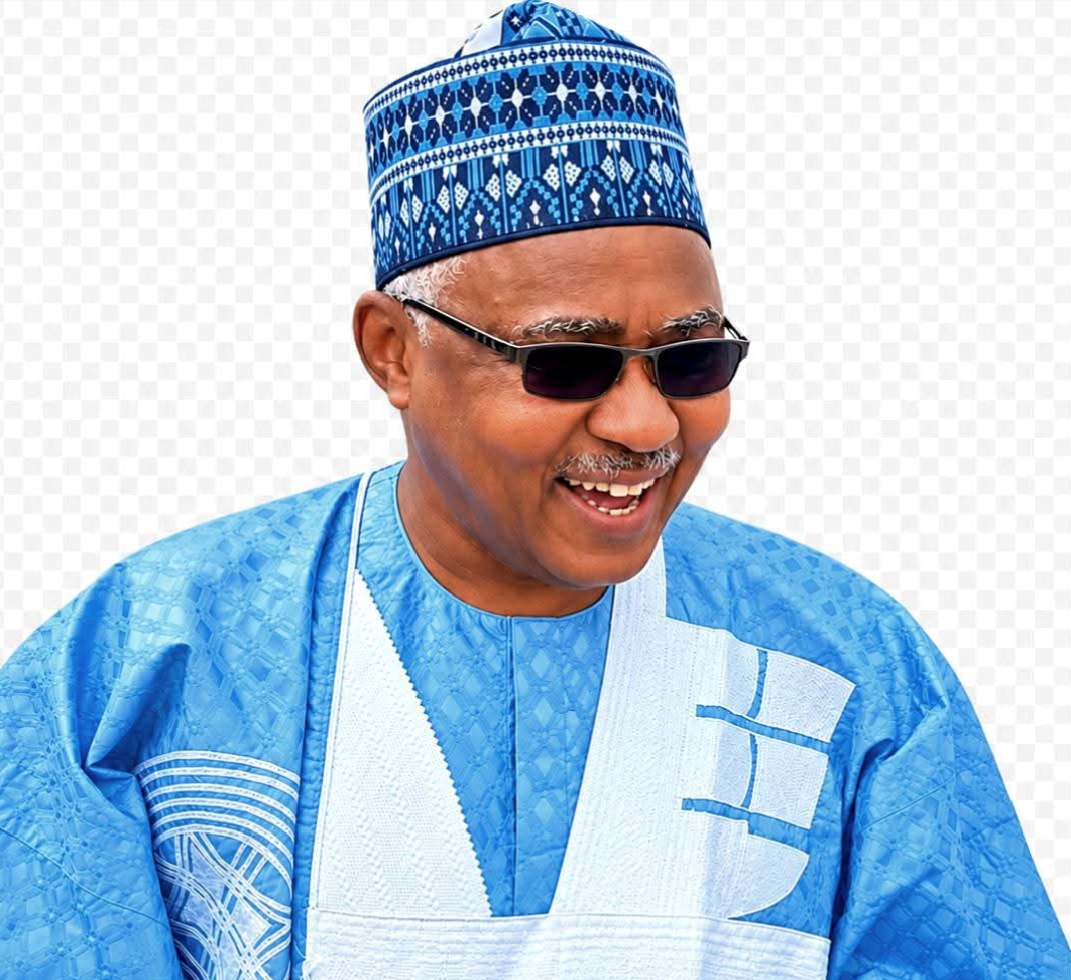
Political allies and loyalists of former Managing Director of the Nigerian Ports Authority (NPA), Arc Aminu Dabo, have begun resigning from the All Progressives Congress (APC) in Kano State following his withdrawal from the ruling party.
KANO FOCUS reports that the supporters, operating under the political group Dabo Alheri Ne, reportedly include members across Kano State’s 44 local government areas.
Barely two days after Dabo announced his resignation from the APC, a prominent stakeholder of the group, Garba Zakiru Dambatta, said members had welcomed the decision and were showing solidarity by submitting their resignation letters to their respective ward party chairmen.
Dambatta, a former APC chairman in Dambatta Local Government Area, said the group’s members were disappointed with what they described as the prolonged marginalisation of Mr Dabo and his supporters within the party.
According to him, despite Mr Dabo’s contributions to the APC and efforts to strengthen the party and manage disagreements among its members, some key stakeholders had continued to sideline him and his loyalists in party activities.
Dambatta reaffirmed the group’s commitment to standing by Mr Dabo’s political decisions and supporting his future political journey.
He also urged the former NPA managing director not to succumb to political pressure or reverse his decision to leave the party.
“This step you have taken, we have the conviction that it is the beginning of a new chapter of goodness in your life,” Dambatta said.
Among the prominent members of the group identified as supporting Mr Dabo’s decision are Abba Rabee’u, a former Senior Special Assistant on Political Awareness; Almustapha Jilani Danmalam, a former Senior Special Assistant on Education; Jamilu Abdullahi Zangon-Mata, a former Senior Special Assistant on Entrepreneurship; and Fahd A. Dabo, a former Special Assistant on Youth Mobilisation.
The individuals reportedly served during the second term of former Kano State Governor Abdullahi Umar Ganduje.
The group also said several other party loyalists and supporters were backing Dabo following his resignation.
However, the statement did not provide the number of members who had formally resigned from the APC or indicate whether the party leadership had responded to the development.
Nasiru Yusuf Ibrahim
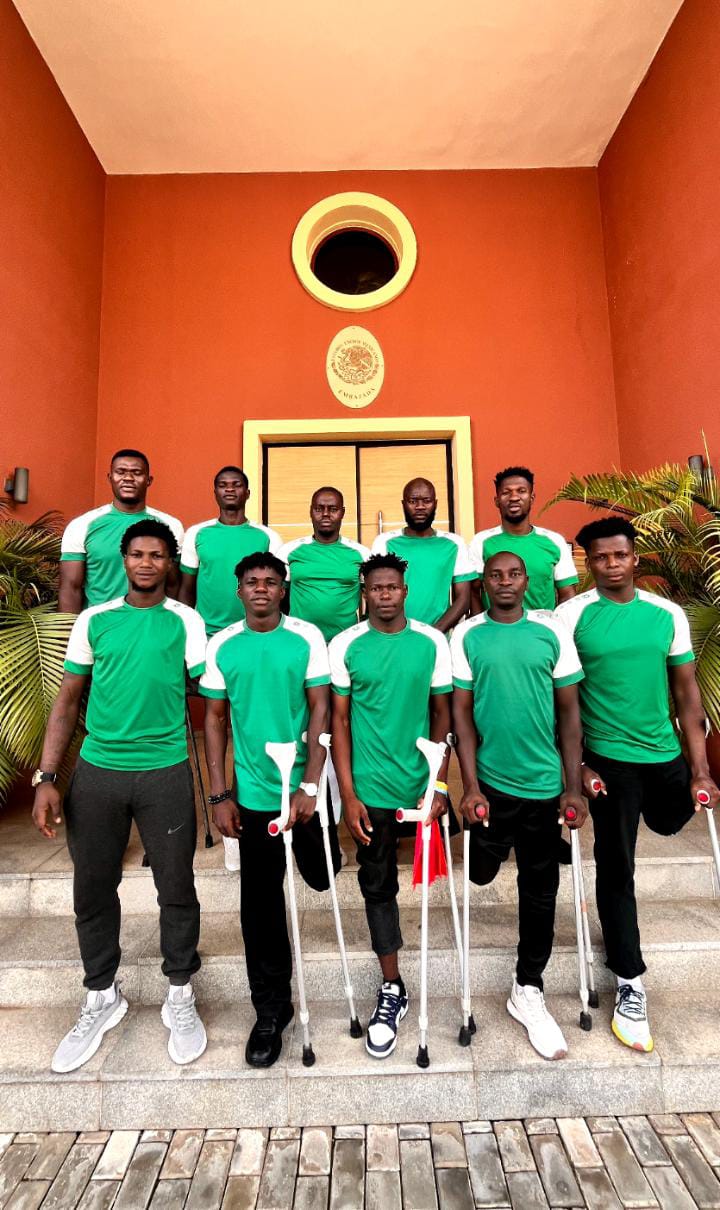
Five players of Kano Pillars Amputee Football Club have been invited to the national camp of Nigeria’s Special Super Eagles ahead of the 2026 Amputee Football World Cup in Mexico.
KANO FOCUS reports that invited players are Isah Yusuf, Abba Musa, Habu Friday, Emanuel Betel and Usman Ahmed. They are currently in Abuja with the national team as preparations intensify for the global tournament.
The Team Manager of Kano Pillars Amputee Football Team, Jamilu Uba Adamu, disclosed this in an interview with Ashiru Rabiu Gidan Tudu, Information Officer of the Kano State Sports Commission.
Adamu described the invitation as recognition of the players’ dedication, discipline and outstanding performances.
He expressed confidence that the players would represent Kano State and Nigeria with honour at the championship.
According to him, the call-up also demonstrates Kano Pillars’ commitment to nurturing talented amputee footballers and contributing to the development of the sport in Nigeria.
The 2026 Amputee Football World Cup is scheduled to take place from November 13 to 22 in San Juan de los Lagos, Mexico. A total of 24 countries, including seven African nations, are expected to participate.
The Executive Chairman of the Kano State Sports Commission, Muhammad Tukur Babangida, congratulated the five players on their invitation, describing it as well deserved.
Babangida expressed confidence that they would justify the confidence reposed in them by the national team selectors.
He assured the players of the commission’s continued support and urged them to remain focused, disciplined and committed to making Kano State and Nigeria proud on the international stage.
Ibrahim Khalil
A chieftain of the All Progressives Congress (APC) in Kano State, Aminu Dabo, has resigned as the party’s caucus chairman in Dambatta Local Government Area and withdrawn his membership of the ruling party.
KANO FOCUS reports that Dabo, a former Managing Director of the Nigerian Ports Authority (NPA), announced his resignation in a letter dated October 7, 2026, addressed to the APC chairman of Dambatta Gabas Ward.
In the letter, personally signed by him, Dabo said he took the decision after careful consideration of personal reasons and his future endeavours.
He confirmed his resignation during a telephone conversation from Abuja on Wednesday, saying he had formally submitted the letter to the appropriate party officials in Dambatta for necessary action.
“I remain grateful for the cordial relationship I enjoyed and appreciative of the experience gained during my time of service,” he said.
The former NPA managing director also thanked the party’s leadership for the opportunity and confidence reposed in him to contribute to its development and progress during his membership.
“I sincerely appreciate the support and opportunity I have received from the party leadership,” he added.
A statement issued by Abdullahi Othman, Media and Publicity Aide to Dabo Dabo, said the former NPA MD did not disclose further details about his reasons for leaving the APC in the resignation letter.

Dabo’s resignation triggers wave of defections from APC in Kano

Five Kano Pillars Amputee Players Invited to Special Eagles Camp Ahead of World Cup

BUK Professor advocates microfinance to tackle food insecurity, poverty

General Elections 2027: Abba Kabir Yusuf traverses the path to victory
Former NPA MD Aminu Dabo resigns as APC caucus chairman in Dambatta

Kano leads again as NECO successes rise to 74,413
Kano tops states in 2026 NECO results, Governor Yusuf hails students

Kano Govt Suspends Durbar Processions, Horse Riding in Metropolis

ACF begins Dangote Refinery IPO sensitisation campaign in Kano

