
Headlines
Undersea cable cuts: services to be restored soon, says NCC


Nasiru Yusuf Ibrahim
The Nigerian Communications Commission (NCC) has assured that Internet services will be restored soon, as operators of the damaged undersea cables have commenced repairs.
KANO FOCUS recalled that in the early hours of Thursday, there were reports of a combination of cable cuts, resulting in equipment faults on the major undersea cables along the West African Coast, which negatively impacted data and fixed telecom services in several countries of West Africa, including Nigeria, Ghana, Senegal, Cote de Ivoire, among others.
The cuts occurred somewhere in Cote de’Ivoire and Senegal, with an attendant disruption in Portugal.

Cable companies – West African Cable System (WACS) and African Coast to Europe (ACE) in the West Coast route from Europe have experienced faults while SAT3 and MainOne have downtime.
Similar undersea cables providing traffic from Europe to the East Coast of Africa, like Seacom, Europe India Gateway (EIG), Asia-Africa-Europe 1 (AAE1), are said to have been cut at some point around the Red Sea, resulting in degradation of services across on the routes.
Huge volumes of data are transported across continents by underwater cables, which are an essential component of internet connectivity infrastructure. They could, however, be harmed by things like unintentional cuts, natural disasters, or technological failures. The functioning of governments, corporations, and individual consumers can all be severely impacted by disruptions to these connections.
In Nigeria and other West African countries, Internet access and speed have experienced disruptions in the networks of service providers in the affected countries, of which banks and telecoms companies were mostly affected.
However, the NCC, in a press statement sent to KANO FOCUS, said operators of the cables have commenced repairs already, and services were gradually being restored.
They have promised to work round the clock to ensure that services are restored to the affected countries within the shortest possible time, the Commission assured.

Nasiru Yusuf Ibrahim
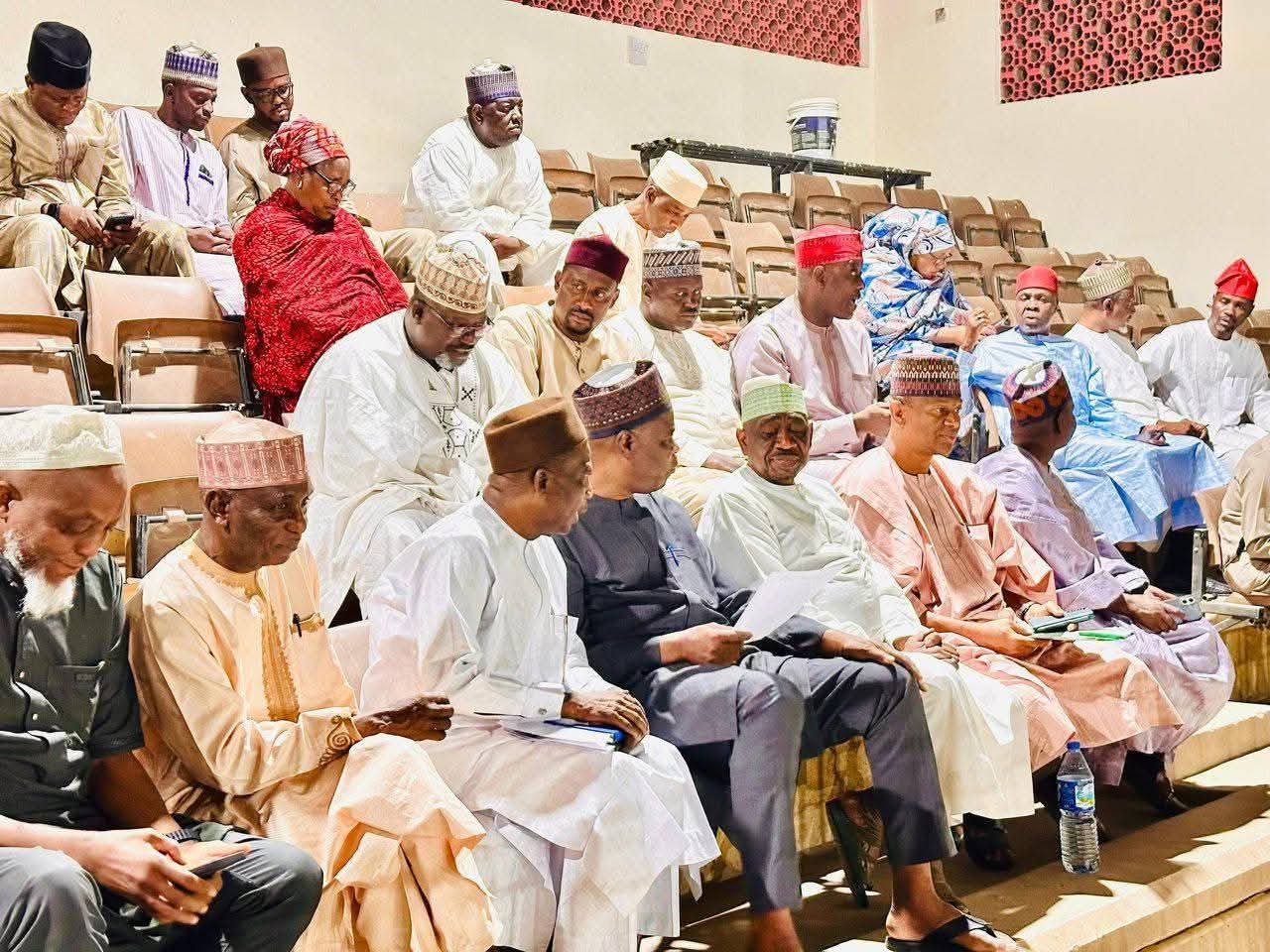
The All Progressives Congress (APC) in Kano State has announced the constitution of three high-level committees to oversee its forthcoming State Congress scheduled for Tuesday, March 3, 2026.
KANO FOCUS reports that the congress is slated to take place at the Indoor Sports Stadium, Kofar Mata, Kano, at 8:00 p.m.
The disclosure was made in a statement issued on Monday by the Kano APC Spokesperson, Hon. Ahmad Aruwa, on the directive of the outgoing State Chairman, Hon. Prince Abdullahi Abbas Sunusi.
According to the statement, the committees were constituted to ensure a transparent, credible and well-coordinated congress in line with the party’s constitution and guidelines.
Congress and Accreditation Committee
The Congress and Accreditation Committee is chaired by Rabi’u Sulaiman Bichi, with Hon. Muhammad Jamu Yusuf serving as Secretary. Other members include Hon. Baffa Babba, Rt. Hon. Butu-Butu, Hajiya Sa’adatu Algon, Hon. Ali Haruna Makoda, Hon. Abdullahi Rogo, Hon. Baffa Takai, Hon. Lamin Sani, Sani Ma’aruf, Hon. Sani Bala, Khalid Ishaq, Barrister Mannir Rimin Gado and Hon. Hassan Hussain.
Publicity Committee
The Publicity Committee is headed by Muhammad Garba as Chairman, with Sunusi Bature Dawakin Tofa as Secretary. Members include Lawan Hussaini, Jamilu Danbatta, Yusuf Sharada, Musa Liliyasu, Ghali Sadiq, Binta Spikin, Uba Dan Zainab, Ibrahim Yaro and Ahmad Aruwa.
Security Committee
The Security Committee is chaired by Col. Malami. Other members are Mustapha Bakwana, the Director-General of Special Services, Bala Albasu, CP Balarabe Musa, Group Captain Kura, Dr. Garba Sani Diso and Air Commodore Yusha’u Sulaisu Tudun Wada.
Hon. Aruwa stated that the party leadership has full confidence in the committees’ ability to deliver a peaceful, orderly and successful congress.
He urged party members and stakeholders to cooperate fully with the committees and conduct themselves in a disciplined and responsible manner throughout the exercise.
The APC reaffirmed its commitment to strengthening internal democracy and consolidating unity within the party in Kano State.
Nasiru Yusuf Ibrahim
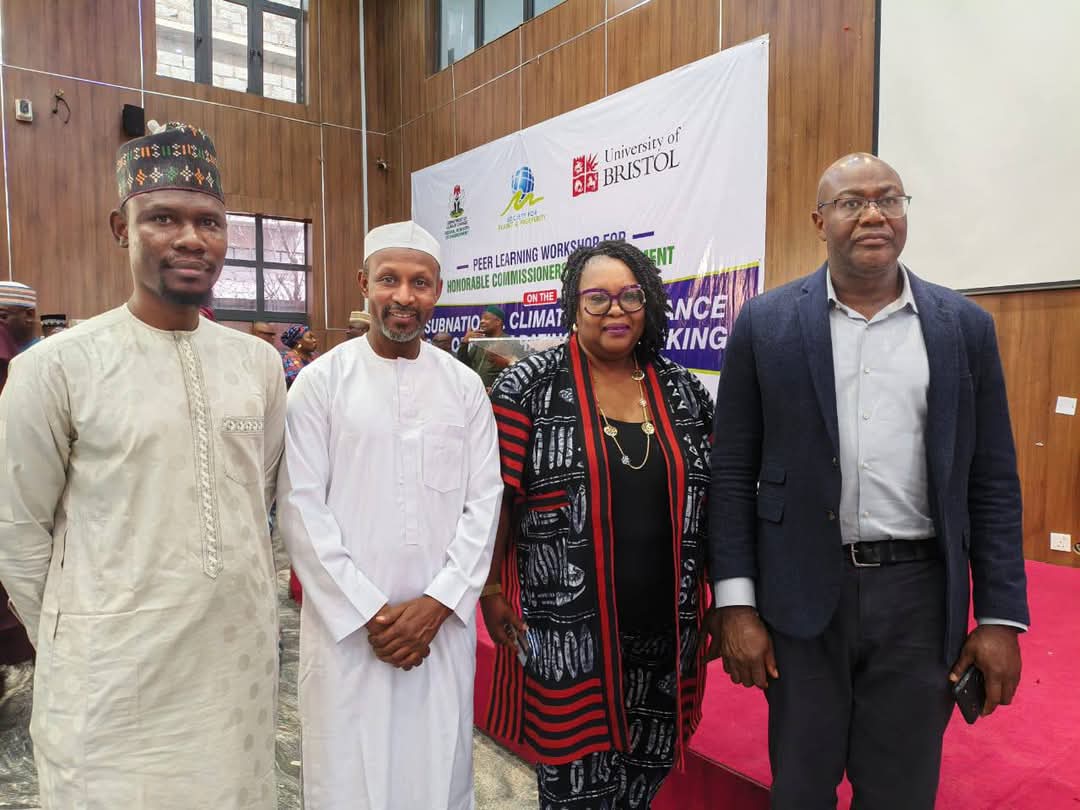
Kano State has strengthened its position as a leading subnational actor in climate governance following a strategic departmental meeting of the Kano State Ministry of Environment and Climate Change.
KANO FOCUS reports that a major highlight of the meeting was the state’s intensified support for Nigeria’s Second Biennial Transparency Report (BTR2) under the United Nations Framework Convention on Climate Change (UNFCCC). The ministry disclosed that ongoing collaboration with sectoral ministries, departments and agencies (MDAs) across Energy, Agriculture, Forestry and Other Land Use (AFOLU), Waste and Industrial Processes is ensuring credible and harmonised greenhouse gas emissions data in line with the transparency requirements of the Paris Agreement.
In what officials described as a significant milestone, Kano has been selected as one of three pilot states under the UK PACT programme to develop a Measurement, Reporting and Verification (MRV) system. The initiative is expected to institutionalise structured emissions reporting, strengthen accountability mechanisms and support tracking of Nigeria’s Nationally Determined Contributions (NDCs).
In a statement signed by Dr. Umar Saleh Anka, Director of Climate Change, the ministry also announced the commencement of preparations for the third edition of the Climate Governance Performance Ranking. The exercise aims to enhance methodological rigour, promote peer learning, improve transparency and deepen stakeholder engagement in climate action.
Further consolidating the state’s leadership role, the Commissioner for Environment was recently appointed Regional Lead (North West) of the Community of Practice for Environment and Climate Change, a move expected to strengthen regional collaboration and policy coordination.
The statement added that, the state government reaffirmed its commitment to strengthening institutional systems, improving emissions transparency and advancing coordinated climate action across Nigeria.
Nasiru Yusuf Ibrahim
The Executive Secretary of the National Educational Research and Development Council, Prof. Salisu Shehu, has disclosed that only 30 per cent of school-age children in Northern Nigeria are currently attending school.
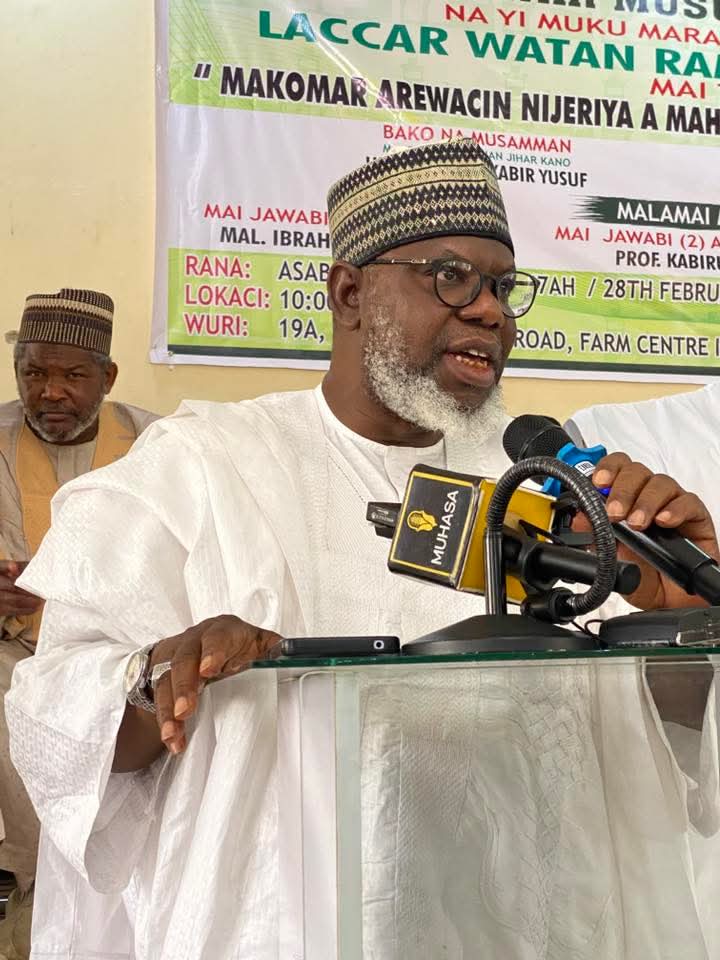
KANO FOCUS reports that Prof. Shehu made the revelation on Saturday while delivering a lecture at the 10th Ramadan Lecture organised by the Islamic Forum of Nigeria in Kano.
He said Nigeria presently has over 20 million out-of-school children, a figure he noted is rising due to armed banditry in the North-West and insurgency in the North-East. According to him, the closure of many schools in some states as a result of insecurity has further worsened the situation.
The educationist also expressed concern over the shortage of teachers in schools, despite increasing retirements, deaths, transfers and career changes among teaching staff. He lamented that examination malpractice, combined with weak oversight, has led to what he described as a collapse of the education system in Northern Nigeria.
“Products of examination malpractice are now becoming teachers and lecturers, thereby perpetuating the cycle,” he said.
Prof. Shehu warned that lack of access to education is contributing to thuggery and banditry in the region, stressing that education produces responsible citizens, while ignorance breeds irresponsibility.
He urged Northern governors to declare a state of emergency in the education sector and prioritise funding and reforms. He also advised citizens to establish education endowment funds, citing examples from Bangladesh and Malaysia where Muslim communities have addressed similar challenges through charitable initiatives.
The professor criticised what he described as misplaced priorities, questioning why some governors sponsor pilgrimages while many citizens lack access to basic education and quality healthcare.
Presenting a paper on the fate of Northern Nigeria in terms of security, Alhaji Ibrahim Ado Kurawa linked climate change and global warming to the worsening security challenges in the North-East. He identified the longstanding farmer-herder conflict as a root cause of banditry in the North-West.
Kurawa noted that insecurity has contributed to making the North-East and North-West the poorest regions in the country. He expressed dismay that Northern Nigeria has failed to effectively address the issues of almajiranci and out-of-school children since the First Republic.
He called for sincerity in governance, political reforms and greater collaboration among Northern groups such as the Arewa Consultative Forum (ACF) and the Northern Elders Forum (NEF), alongside the Islamic Forum of Nigeria.
On the economic outlook of the region, Prof. Kabiru Isa Dandago decried rising poverty, unemployment, overdependence and the high cost of living as major challenges confronting Northern Nigeria. He advocated for a strategic development plan and urged voters to elect credible leaders as a pathway to change.
In his address, the Chairman of the Islamic Forum of Nigeria, Gen. Ahmad Muhammad Daku, said the 2026 edition marked the 10th anniversary of the annual Ramadan lecture series. Represented by Alhaji M.T. Bello, he noted that the topics were carefully selected to address contemporary issues affecting Northern Nigeria.
The Acting Executive Secretary of the Forum, Alhaji Dalhatu Gwarzo, appreciated the lead presenters, particularly Prof. Shehu, for their contributions. He announced that a team of rapporteurs had been constituted to compile the papers and comments for a post-Ramadan roundtable discussion with stakeholders.
Gwarzo also revealed plans to publish a compendium of the ten Ramadan lectures delivered over the past decade for the benefit of the Muslim community. He urged Muslims to pray for Northern Nigeria, the country and the world amid prevailing challenges.
He further appealed to political leaders to ensure proper implementation of the new Computer-Based Test (CBT) policy for candidates sitting for the West African Examinations Council (WAEC) senior secondary school examinations.
Former Secretary to the Kano State Government, Alhaji Sule Yahaya Hamma, said 80 per cent of Northern Nigeria’s problems could be addressed by governors, urging them to take decisive action in their respective states.
Chairman of the Council of Ulama, Malam Ibrahim Khalil, emphasised patriotic leadership as a solution to current challenges, citing the example of Khalifa Umar bin Abdulaziz as a model of responsible governance.
Other dignitaries at the event included the Emir of Rano, Amb. Muhammad Isa Umaru, and the Madakin Zazzau, Alhaji Munir Jafaru.

APC constitutes committees for Kano state congress

Kano emerges as MRV pilot state, advances climate governance

Only 30% of school-age children attend school in Northern Nigeria – Prof. Shehu

Daneji community honours former Kano NDLEA commander

Kano state Police command suspends Tashe cultural performance

Lami Maccido, first person to appear on screens of NTA Kano, CTV 67, dies at 72

Governor Yusuf Appoints Acting DG for Pilgrims Board, Names Provost for Anti-Corruption Institute

Kano govt investigates reported disease outbreak in Garko community

Kano begins Ramadan food distribution as Gov. Yusuf constitutes feeding committee

