
Headlines
Only 30% of school-age children attend school in Northern Nigeria – Prof. Shehu

Nasiru Yusuf Ibrahim
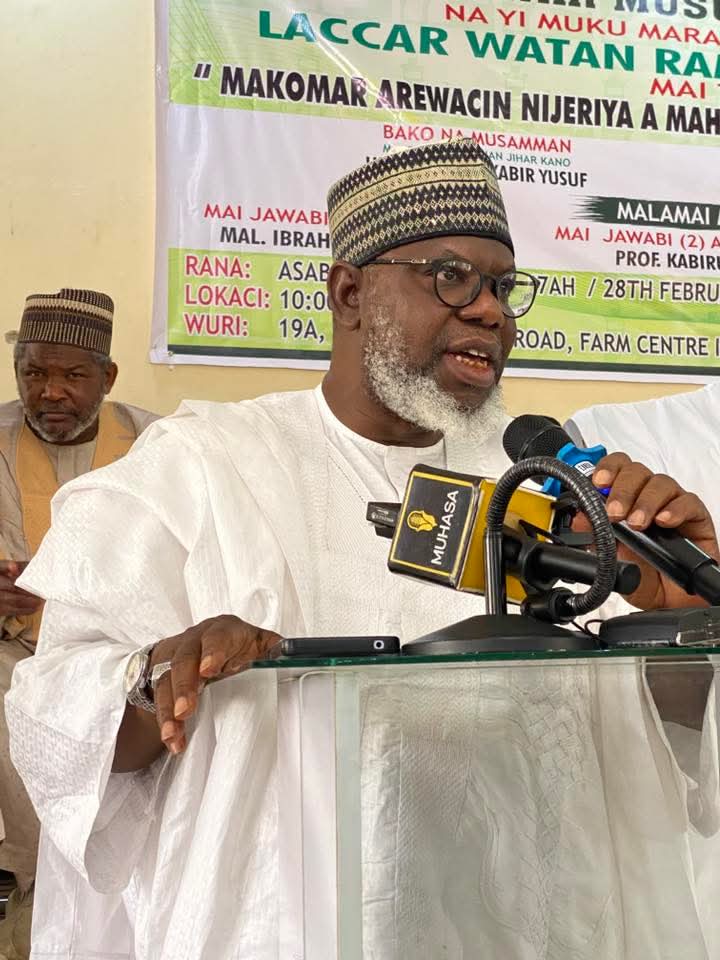
The Executive Secretary of the National Educational Research and Development Council, Prof. Salisu Shehu, has disclosed that only 30 per cent of school-age children in Northern Nigeria are currently attending school.

KANO FOCUS reports that Prof. Shehu made the revelation on Saturday while delivering a lecture at the 10th Ramadan Lecture organised by the Islamic Forum of Nigeria in Kano.
He said Nigeria presently has over 20 million out-of-school children, a figure he noted is rising due to armed banditry in the North-West and insurgency in the North-East. According to him, the closure of many schools in some states as a result of insecurity has further worsened the situation.
The educationist also expressed concern over the shortage of teachers in schools, despite increasing retirements, deaths, transfers and career changes among teaching staff. He lamented that examination malpractice, combined with weak oversight, has led to what he described as a collapse of the education system in Northern Nigeria.
“Products of examination malpractice are now becoming teachers and lecturers, thereby perpetuating the cycle,” he said.
Prof. Shehu warned that lack of access to education is contributing to thuggery and banditry in the region, stressing that education produces responsible citizens, while ignorance breeds irresponsibility.
He urged Northern governors to declare a state of emergency in the education sector and prioritise funding and reforms. He also advised citizens to establish education endowment funds, citing examples from Bangladesh and Malaysia where Muslim communities have addressed similar challenges through charitable initiatives.
The professor criticised what he described as misplaced priorities, questioning why some governors sponsor pilgrimages while many citizens lack access to basic education and quality healthcare.
Presenting a paper on the fate of Northern Nigeria in terms of security, Alhaji Ibrahim Ado Kurawa linked climate change and global warming to the worsening security challenges in the North-East. He identified the longstanding farmer-herder conflict as a root cause of banditry in the North-West.
Kurawa noted that insecurity has contributed to making the North-East and North-West the poorest regions in the country. He expressed dismay that Northern Nigeria has failed to effectively address the issues of almajiranci and out-of-school children since the First Republic.
He called for sincerity in governance, political reforms and greater collaboration among Northern groups such as the Arewa Consultative Forum (ACF) and the Northern Elders Forum (NEF), alongside the Islamic Forum of Nigeria.
On the economic outlook of the region, Prof. Kabiru Isa Dandago decried rising poverty, unemployment, overdependence and the high cost of living as major challenges confronting Northern Nigeria. He advocated for a strategic development plan and urged voters to elect credible leaders as a pathway to change.
In his address, the Chairman of the Islamic Forum of Nigeria, Gen. Ahmad Muhammad Daku, said the 2026 edition marked the 10th anniversary of the annual Ramadan lecture series. Represented by Alhaji M.T. Bello, he noted that the topics were carefully selected to address contemporary issues affecting Northern Nigeria.
The Acting Executive Secretary of the Forum, Alhaji Dalhatu Gwarzo, appreciated the lead presenters, particularly Prof. Shehu, for their contributions. He announced that a team of rapporteurs had been constituted to compile the papers and comments for a post-Ramadan roundtable discussion with stakeholders.
Gwarzo also revealed plans to publish a compendium of the ten Ramadan lectures delivered over the past decade for the benefit of the Muslim community. He urged Muslims to pray for Northern Nigeria, the country and the world amid prevailing challenges.
He further appealed to political leaders to ensure proper implementation of the new Computer-Based Test (CBT) policy for candidates sitting for the West African Examinations Council (WAEC) senior secondary school examinations.
Former Secretary to the Kano State Government, Alhaji Sule Yahaya Hamma, said 80 per cent of Northern Nigeria’s problems could be addressed by governors, urging them to take decisive action in their respective states.
Chairman of the Council of Ulama, Malam Ibrahim Khalil, emphasised patriotic leadership as a solution to current challenges, citing the example of Khalifa Umar bin Abdulaziz as a model of responsible governance.
Other dignitaries at the event included the Emir of Rano, Amb. Muhammad Isa Umaru, and the Madakin Zazzau, Alhaji Munir Jafaru.





Nasiru Yusuf Ibrahim
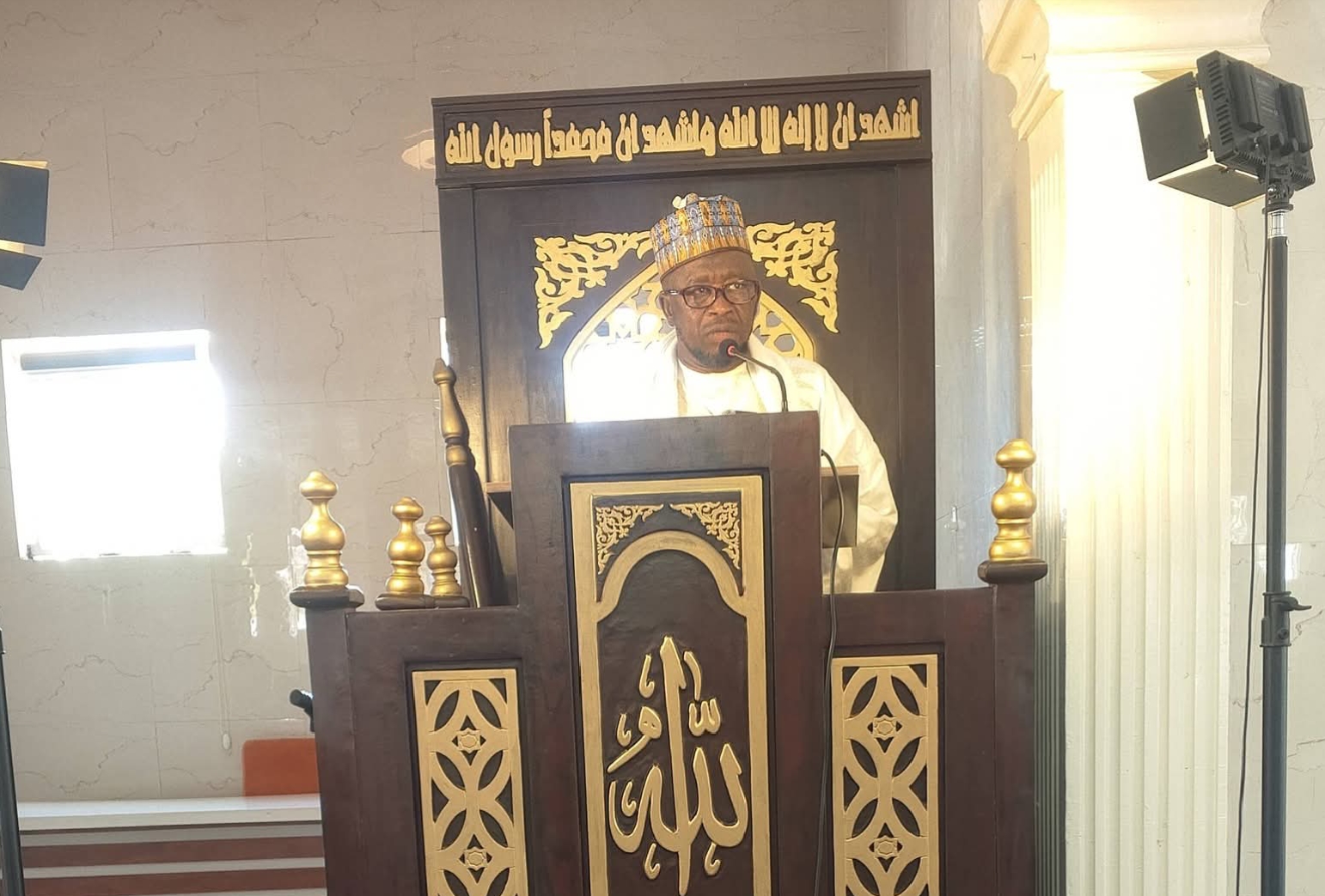
Imam Nura Garba Mato has urged Muslims to remain conscious of their actions, saying that divine reward and punishment often correspond to the nature of people’s deeds.
KANO FOCUS reports that the imam made the call while delivering a Friday sermon at Jami’u Ansar wal Muhajirun Jumaa Mosque, Cotton Ginnery Layout, Zawaciki, Kano State.
The sermon, titled “Al-Jazā’u Min Jinsil-‘Amal” (Recompense Is According to the Nature of Deeds), focused on the Islamic teaching that people’s actions have consequences and that good deeds attract divine reward.
Imam Mato said Allah had established enduring principles in human life that do not change, urging Muslims to understand these principles and allow them to guide their conduct.
He explained that one of these principles was that recompense corresponds to the nature of one’s actions, stressing the importance of living righteously and fulfilling one’s responsibilities to Allah and fellow human beings.
The imam called on Muslims to observe *taqwa* (consciousness of Allah), remain steadfast in their faith and follow the teachings and traditions of Prophet Muhammad (peace be upon him).
He also highlighted the importance of helping people in difficulty, easing the burdens of others and showing compassion to fellow Muslims.
Quoting a prophetic tradition, the imam emphasised that whoever relieves a Muslim of a hardship in this world will receive relief from Allah on the Day of Resurrection.
He further explained that whoever conceals the faults of a fellow Muslim would receive Allah’s concealment of their faults on the Day of Resurrection, while those who make things easier for people in difficulty would receive Allah’s assistance in this world and the Hereafter.
The sermon also underscored the importance of supporting others, noting that a Muslim’s relationship with Allah should be reflected in their treatment of fellow human beings.
Imam Mato urged Muslims to reflect on their deeds and recognise that their conduct carries consequences, encouraging them to embrace good actions, assist those in need and uphold the teachings of Islam in their daily lives.
He stressed that Muslims should make righteousness, compassion and service to others central to their lives in pursuit of Allah’s pleasure and success in the Hereafter.
Nasiru Yusuf Ibrahim
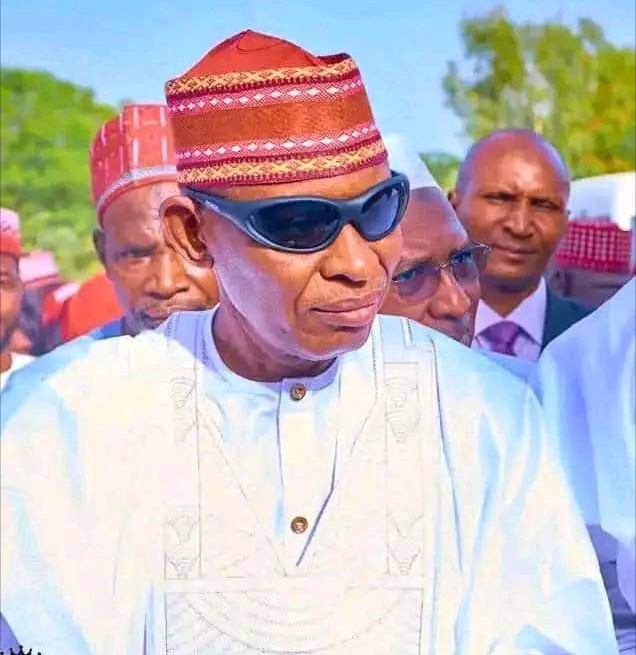
The Kano State Government has directed all civil servants who have attained their statutory retirement age or completed the required length of service to immediately vacate their offices and hand over government property in their possession.
KANO FOCUS reports that the directive was contained in Circular issued on Tuesday by the Establishment Directorate, Office of the Head of Civil Service, Kano State.
The circular, signed by the Permanent Secretary, Establishment, Abba A. Danguguwa, on behalf of the Head of Civil Service, was titled: “Unauthorized Continuance in Service After Statutory Retirement by Civil Servants in Ministries, Departments and Agencies (MDAs) of Government – Call for Immediate Handing Over of Official Documents, Properties.”
The government said it had observed that some civil servants continued to remain in office and operate in official capacities after reaching their statutory retirement period.
According to the circular, such conduct was a “negation to the reputation of the Civil Service of Kano State,” noting that the service had a long-standing tradition of ensuring seamless transition by retiring civil servants.
It described the continued stay in service after retirement as a direct infraction and aberration of relevant provisions of the State Civil Service Rules and other applicable service regulations.
The government stressed that it was legally and administratively untenable for any officer to remain in service or perform official functions beyond the statutory limit.
Consequently, all civil servants who had retired either by age or length of service were directed to immediately exit and hand over all official documents, government property and duties to their immediate subordinates in their respective ministries, departments and agencies.
The circular also directed all Accounting Officers, including Permanent Secretaries and Chief Executives, as well as Directors of Administration and Personnel Management, to ensure strict and immediate compliance with the directive.
It warned that any officer found aiding, abetting or condoning the continued stay of a retired officer in service would face appropriate disciplinary action in accordance with the Civil Service Rules.
The directive takes immediate effect, the circular stated.

Nasiru Yusuf Ibrahim
Kano State Governor Abba Kabir Yusuf says his administration has settled approximately N32 billion out of the N48 billion inherited backlog of gratuities and related liabilities owed to retirees in the state.
KANO FOCUS reports that Gov Yusuf disclosed this on Thursday while addressing residents at the 66th Independence Anniversary celebration held at the Sani Abacha Indoor Stadium in Kano.
The governor said the government had also sustained the regular payment of monthly pensions while increasing the minimum monthly pension from N5,000 to N20,000.
He said the welfare of workers and pensioners remained a priority of his administration, citing timely payment of salaries, improved remuneration and measures aimed at strengthening the public service.
According to him, the state has maintained the practice of paying workers’ salaries on or before the 25th of every month while implementing the N71,000 minimum wage for civil servants.
Gov Yusuf also said his administration was sponsoring public servants for professional training, including programmes at the Administrative Staff College of Nigeria (ASCON), to strengthen their administrative and leadership capacity.
He reaffirmed the government’s commitment to building a professional and motivated workforce, while ensuring that the contributions and sacrifices of serving workers and retirees were recognised and treated with dignity.

“As You Sow, So Shall You Reap”: Imam Reminds Muslims of Divine Justice

Kano Govt Orders Retired Civil Servants to Vacate Offices, Hand Over Government Property

Nigeria’s Data Demand Surges 47% as Stakeholders Seek Fresh Investment in Digital Infrastructure

Kano must make government procurement work for made-in-Kano

Kano Settles N32bn Pension, Gratuity Liabilities, Says Gov Yusuf

Kano leads again as NECO successes rise to 74,413
Kano tops states in 2026 NECO results, Governor Yusuf hails students

INEC holds campus debate on elections, democracy at BUK

Kano Govt Suspends Durbar Processions, Horse Riding in Metropolis

