
Headlines
UNICEF commemorates 10 years abduction of Chibok girls in Kano

Nasiru Yusuf Ibrahim
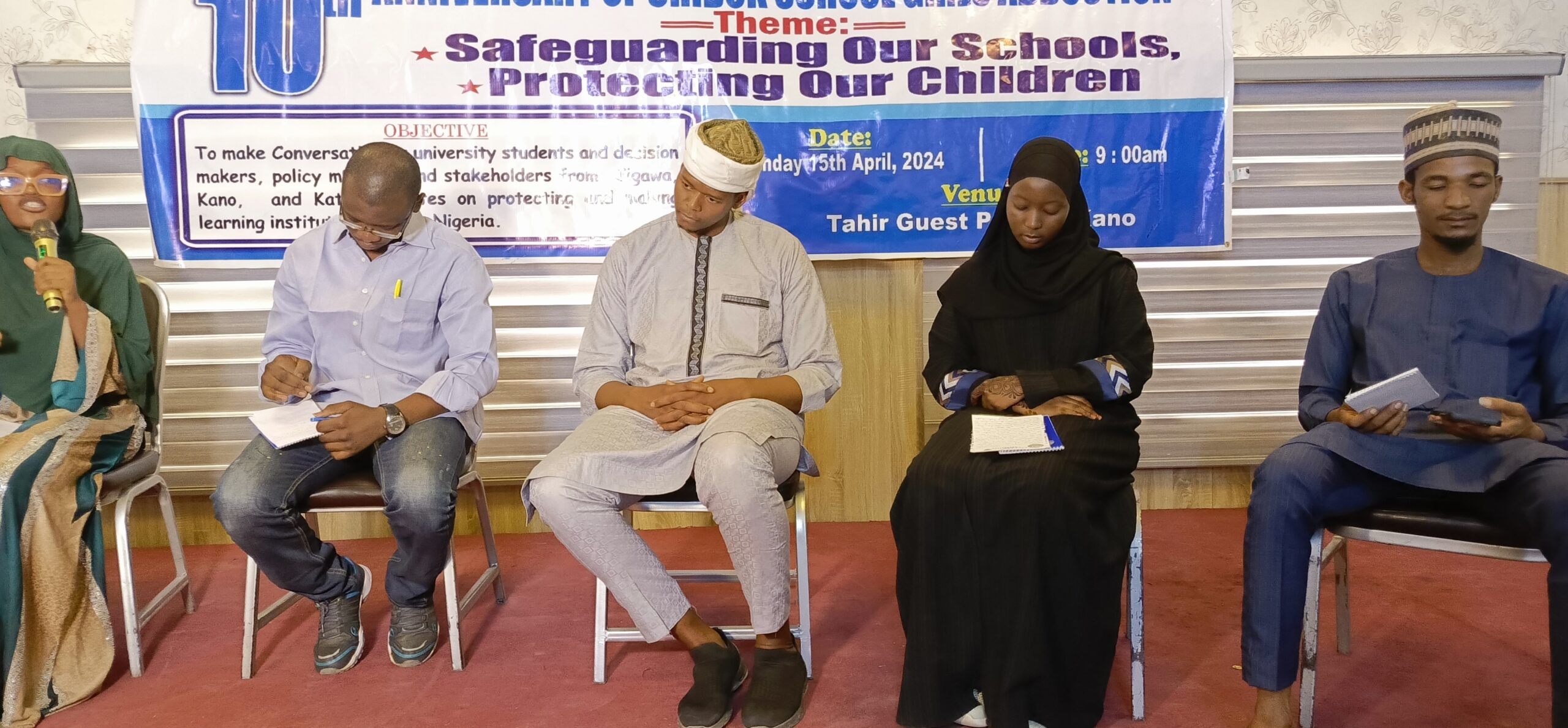
The United Nations Children’s Fund (UNICEF), has organised a one day event to commemorate the 10 years abduction of Chibok girls in Borno state.
KANO FOCUS reports that UNICEF lamented the negative impacts of incidents of abduction and kidnapping of school children to the child education in Nigeria, regretting the rising statistics of out-of-school children due to incessant cases of abduction of school children in some states across the country.

Cross section of the participants at the event
Speaking during the the event held in Kano, Michael Banda, Senior Education Manager, UNICEF Kano Field Office, who was also the officer-in-charge at the occassion, representing the UNICEF Chief of Kano Field Office, Mohammed Rahama, also stressed the need for concerted efforts towards the fight against climate change, as part of endeavours to stop school abduction and ensure security in our schools across the country.
Banda also posited that the spate of insecurity will reduce drastically if Nigerian government puts more efforts in making its teeming population productive, just like China and India did.
He also frowned at religious and cultural ideologies that discredit innovative educational policies that promotes mass enrolmenent of children into schools, particularly, the girls, and called for more orientation and campaigns by religious andbtraditional rulers encouraging children enrolment into schools and adequate protecrion of schools children.
Speaking to journalists after the event, the Commissioner for Higher, Technical and Vocational Education in Katsina state, Prof. Abdulhamid Ahmed blamed porous borders as part of the causes of insecurity in the state, but assured that government has taken adeqaute measures to ensure security of lives and property, particularly, the safety of school children.
Dr. Isa Yusuf, Hafsat Adhama and Prof. Abdulhamid Ahmed
He said that apart from providing enough logistics for security agencies, Governor Dikko Radda recruited thousands of youths across communities in the state to help fight against banditry, kidnapping and other forms of insecurity in Katsina state.
He said all the schools from primary and tertiary instutitions in the state are well secured with fence and one gate and security post manning them.
The Commissioner of Higher Education, Science and Technology of Jigawa state, Dr. Isa Yusuf also told journalists at the event that Jigawa has remained safe for school children due to efforts put in place by Governor Umar Namadi to secure lives and property in the state.
According to him, the state government created synergy and good working relationship among security agencies in the state who always work with one mind to fight any form of insecurity across tge state.
He said tge Safe School initiative launched by the Federal Government is also helping tremendously to enwure security of school children in the state.
Student leaders who spoke at the event, with one voice, called on the Federal Government to put more efforts towards the rescue of remaining Chibok girls, hoping that government will soon find lasting solutions to the problem of insecurity bedevilling education of children and youths in the country.
However, in a Statement made available to journalists on Monday, Susan Akila, Communication Specialist, UNICEF, Abuja, quoted Ms. Cristian Munduate, UNICEF Representative in Nigeria as urging for action to secure children’s education in Nigeria.
According to her, new UNICEF report shows that just 37 per cent of schools across 10 states have early warning systems in place to identify threats, such as school attacks.

A cross section of participants
She added that: ” As Nigeria marks 10 years since the mass Chibok abductions in the Northeast, 90 girls remain in captivity, and the country is recovering from another abduction of schoolchildren in Kaduna state in March of this year. UNICEF is calling for intensified efforts to protect the country’s most vulnerable population—its children.”
According to her, UNICEF has released the ‘Minimum Standards for Safe Schools (MSSS) Monitoring Report,’ revealing a stark reality: the journey toward ensuring every Nigerian child can learn in a safe environment is far from over.
“Most notably, the report shows that just 37 per cent of schools across 10 states have early warning systems in place to identify threats, such as school attacks.
“The kidnapping of the Chibok girls was a wake-up call to the severe risks our children face in their pursuit of education,” she said.
According to her, “Today, reflecting on this tragedy and other recent abductions, it is evident that our efforts to safeguard our children’s futures must be amplified. Given these alarming statistics, we must address not only the symptoms but also the root causes of this crisis. Education is a fundamental right and a crucial pathway out of poverty. Yet, for too many Nigerian children, it remains an unattainable dream,” the Statement said.
She further stated that analysis looked at six result areas – strong school system, violence against children, natural hazards, conflict, everyday hazards, and safe school infrastructure – and uncovered significant disparities in the implementation of safe school standards across Nigerian states.
” Borno State, with a 70 per cent fulfilment of the standards, exemplifies a strong commitment to child safety amidst adversity. Yobe State also demonstrates promising progress. In contrast, Kaduna and Sokoto states lag significantly, with fulfilment rates at just 25 per cent and 26 per cent, respectively.
“In addition to the finding on early warning systems and conflict, the report shows that while schools perform relatively well in terms of training school-based management committees on safety and responding to children’s well-being concerns, only 14 per cent of the participating schools across the 10 assessed states have functioning, safe, accessible infrastructure and just 36 per cent have school staff trained on natural hazards.
“The analysis comes on the heels of disturbing reports of violence affecting schools, with brazen abductions of students on the rise. In the last 10 years, conflict-related violence has led to more than 1,680 children abducted while at school and elsewhere; 180 children killed due to attacks on schools; an estimated 60 school staff kidnapped and 14 killed; and more than 70 attacks on schools, according to verified reports by the United Nations.
” The threat of abduction of students is severely affecting children’s learning. As of 2021, over one million children were afraid to return to school, and in 2020, around 11,500 schools were closed due to attacks, according to Policy Weekly by Nextier,” she said.
UNICEF Nigeria called for the government, partners, and the international community to take decisive action to: ensure all schools across all states have the resources and tools to fully implement the Minimum Standards for Safe Schools, focusing on the most vulnerable regions; address critical gaps in safe school infrastructure, preparedness for natural disasters, conflicts, and comprehensive approaches to violence against children.
UNICEF Nigeria also stressed the need for government to strengthen law enforcement and security measures to protect educational institutions and communities from attacks and abductions; prioritize education and child protection in national policies and budget allocations to create a safer, more inclusive environment for all Nigerian children.
She further stated that government should ensure the continuity of education and learning when schools are shut through multiple learning pathways such as radio and TV programmes and through digital platforms like the Nigeria Learning Passport.
According to her, UNICEF is working with the government to ensure that every child can access safe learning environments.
She said the agency has supported the inauguration of state safe school steering committees and the drafting of state-costed implementation plans for safe schools in 13 states. It also provides school grants, safety kits, training, and awareness raising to accelerate the implementation of the Minimum Standards for Safe Schools.
“As we remember the Chibok girls and all children whose right to education has been compromised, let this sombre anniversary serve as a catalyst for change. However, we must acknowledge the recent abductions, which underscore the persistent vulnerability of our schools. To ensure that schools are safe havens, strong political will and proper implementation of safe school standards are essential. Together, we can restore trust between educational institutions and the communities they serve, ensuring schools are sanctuaries for learning and growth,” said Munduat.


Nasiru Yusuf Ibrahim
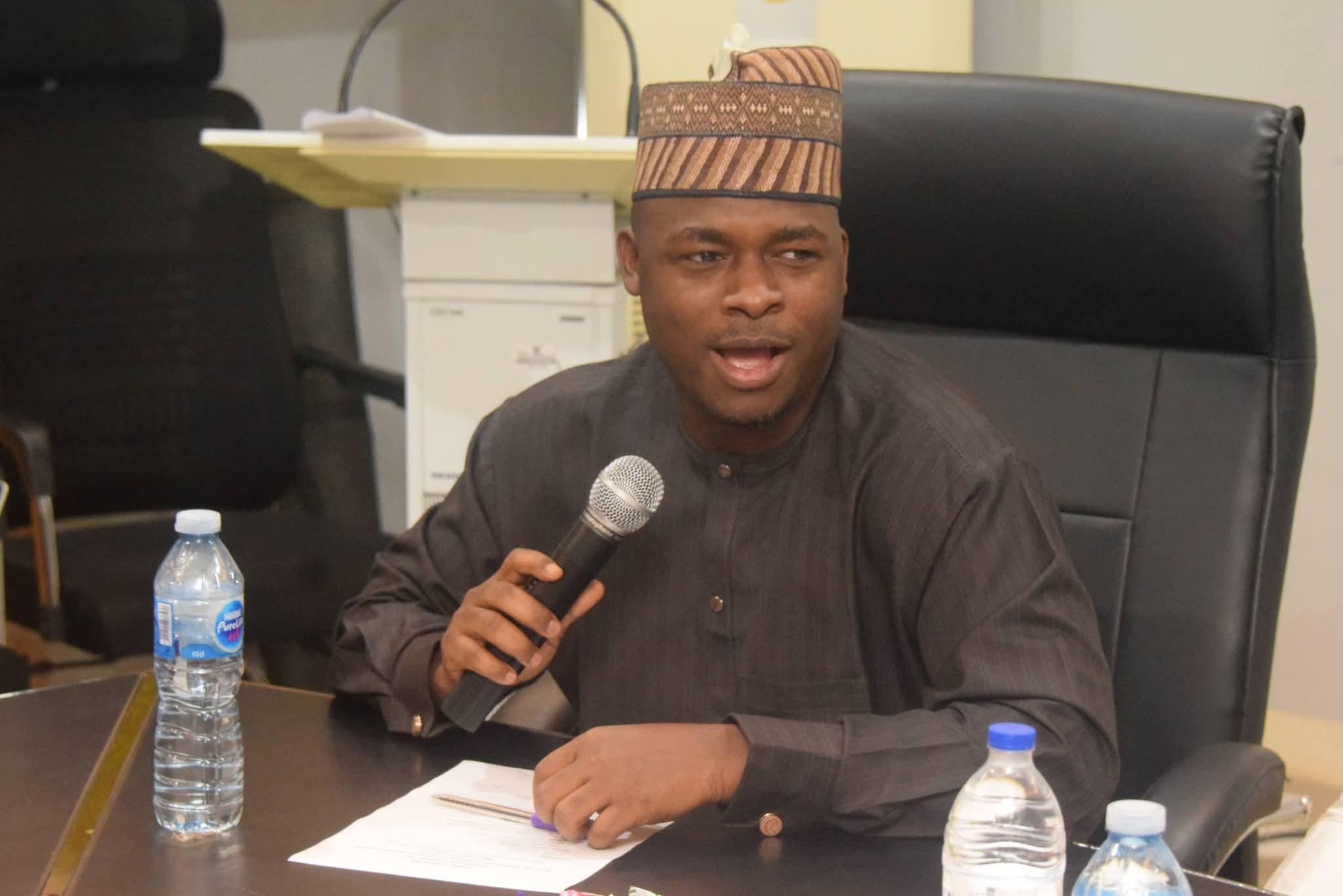
Nigeria’s Vice President, Kashim Shettima, on Tuesday received a delegation from the Association of Kano Business Community at the Presidential Villa, Abuja, during a thank-you visit to President Bola Ahmed Tinubu.
KANO FOCUS reports that the delegation expressed appreciation to the Federal Government for its support to traders and other victims affected by the recent fire incident that razed several sections of the popular Singer Market in Kano.
Speaking during the meeting, the Vice President reaffirmed the Federal Government’s commitment to collaborating with the Kano State Government and relevant agencies to prevent a recurrence of fire outbreaks in markets across the state.
He assured the delegation that President Tinubu has the interests of Kano people at heart, noting that the N5 billion approved as immediate relief for victims was based on the findings of a preliminary assessment of the damage caused by the inferno.

Shettima reiterated that the Federal Government would continue to support efforts aimed at restoring commercial activities and strengthening safety measures in markets to protect lives and property.
Nasiru Yusuf Ibrahim
The Kano State Government has inaugurated a 23-member committee to oversee the transparent and equitable distribution of financial assistance and relief materials to victims of the recent Singer Market fire disaster.
KANO FOCUS reports that the inauguration was carried out on behalf of the Secretary to the State Government, Umar Faruq Ibrahim, who chairs the committee. The event was presided over by the state Attorney-General and Commissioner for Justice, Abdulkarim Kabiru Maude.
According to the Attorney-General, the committee comprises representatives from key government agencies, security services, the Kano Emirate Council, religious leaders, and affected traders.
He said the panel’s mandate includes assessing the extent of losses, verifying genuine victims, ensuring timely distribution of support, and recommending measures to prevent future fire incidents.
The intervention follows support approved by President Bola Ahmed Tinubu, as well as contributions from the APC Governors Forum. It also comes in addition to earlier assistance provided by Governor Abba Kabir Yusuf and the Deputy Senate President, Barau I. Jibrin.
The state government reaffirmed its commitment to supporting victims of the disaster and restoring commercial activities at Singer Market.
Nasiru Yusuf Ibrahim
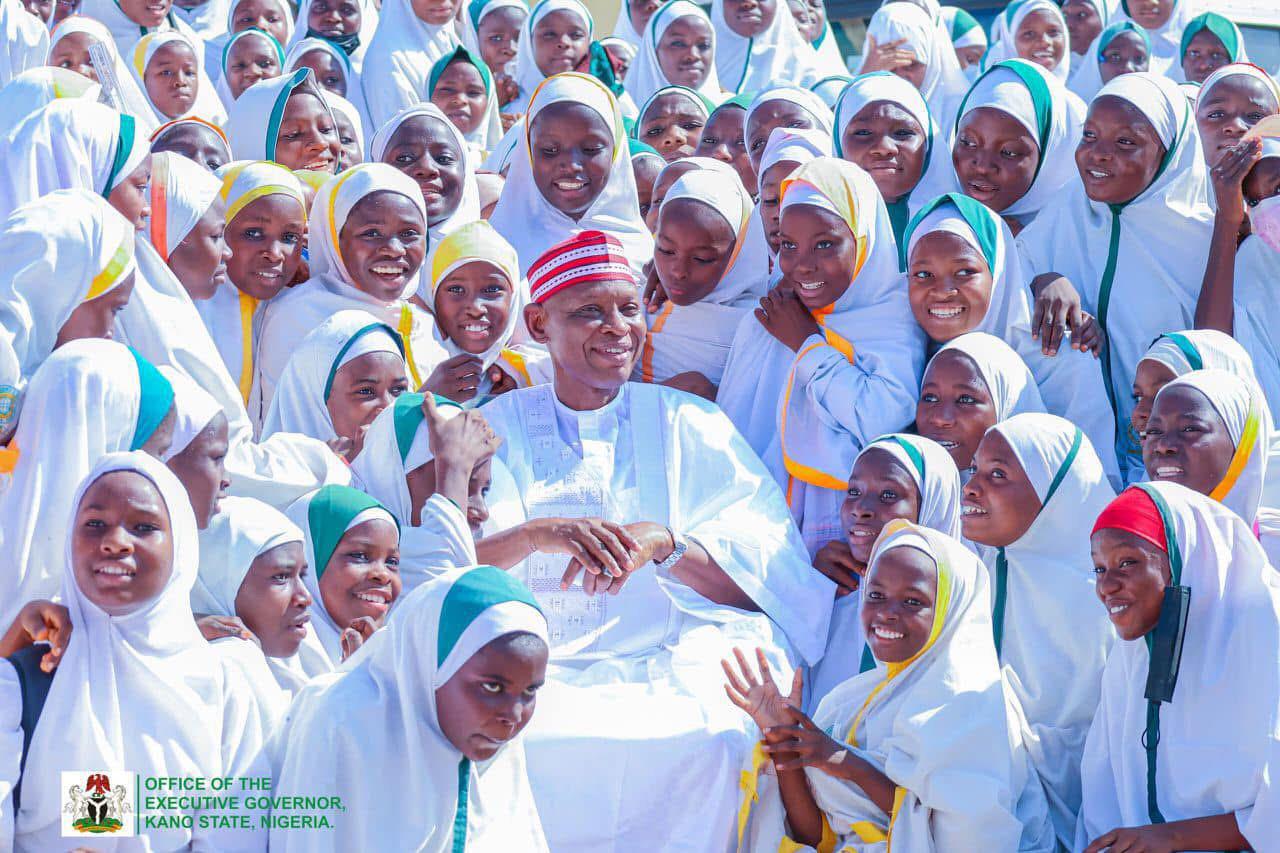
The Kano State Government has announced Saturday, March 1, 2026, as the commencement date for the Eid-el-Fitr break for all public and private primary and post-primary schools in the state.
KANO FOCUS reports that the announcement, contained in the approved 2025/2026 academic calendar, applies to both day and boarding schools across the state.
According to a statement issued by the Director of Public Enlightenment, Musbahu Aminu Yakasai, parents and guardians of pupils and students in boarding schools are expected to convey their wards home by the early hours of Friday, February 28, 2026.
The statement further explained that boarding school students are to resume on Sunday, March 22, 2026, while day students are to resume on Monday, March 23, 2026.
It added that the second term will continue from Sunday, March 22, 2026, and end on Saturday, April 18, 2026.
The government directed all public and private schools in the state to comply strictly with the directive, warning that non-compliance would be treated as a breach of government instructions.
The Commissioner for Education, Ali Haruna Abubakar Makoda, urged parents and guardians to ensure full compliance with the approved resumption dates.
He appreciated parents and residents of the state for their continued cooperation and support to the ministry, and wished pupils and students a successful completion of the Ramadan fast and hitch-free Sallah celebrations.

Kano business community thanks FG for N5bn Singer market relief

Kano Govt inaugurates 23-member committee to disburse Singer market fire relief

Kano Govt announces March 1 for schools’ Ramadan break

NCC board chair hosts licensed telecoms operators in Lagos

Stakeholders seek stronger nutrition financing at local government level

Lami Maccido, first person to appear on screens of NTA Kano, CTV 67, dies at 72

Governor Yusuf Appoints Acting DG for Pilgrims Board, Names Provost for Anti-Corruption Institute

Kano govt investigates reported disease outbreak in Garko community

K-SAFE appeals to Kano Executive Council to pass revised education bill

