
News
Oil Producing Communities threaten to seal all oil pipeline facilities over poor treatment of Dangote, other modular refineries


Nasiru Yusuf Ibrahim
…Warn IOCs against economic sabotage
…Urge FG to end fuel, diesel importation
The Host Communities of Nigeria Producing Oil and Gas (HOSTCOM), over the weekend, threatened to renew agitation for greater autonomy and control of their natural resources, if the Nigerian National Petroleum Corporation (NNPC) and the International Oil Companies (IOCs) fail to sell and supply crude oil to Dangote Refinery and other local Refineries, in their bid to ensure that Nigeria becomes self-sufficient in local production of Premium Motor Spirit (PMS) and diesel.

KANO FOCUS reports that the Group, comprising all the states producing oil and gas in Nigeria, lamented that despite the billions of dollars spent on turnaround maintenance of Nigeria’s refineries, the country remains reliant on importing refined products. This persistent issue, it argues, highlights the widespread corruption within Nigeria’s oil and gas industry, allegedly orchestrated by influential cabals who are intent on maintaining the status quo of exporting crude oil while importing refined petroleum products. HOSTCOM warned that it will not hesitate to publicly name these identified cabals if necessary.
The National President of HOSTCOM, Dr. Benjamin Tamaramiebi, accompanied by his executives and traditional rulers from the Niger Delta region, toured the Dangote Petroleum Refinery & Petrochemicals and the Dangote Fertiliser Limited complex. Notable traditional rulers included the Chairman of the Niger Delta Monarchs Forum, HRM Frank Okorakpo; Deputy Chairman of the Traditional Rulers of Oil Mineral Producing Communities of Nigeria (TROMPCON), HRM Obafemi Ogaro; and Egbesuwei Gbanraun X Agadagba Pere, HRM (Capt) Frank Okiakpe, among others
After the tour, the National President, Dr. Tamaramiebi said: “Our visit today to the largest and magnificent 650,000 bpd private Refinery in Africa (Dangote Refinery) has opened our eyes to several ills, particularly to the monumental corruption going on in the Nigeria oil and gas industry.”
“It is obvious why the existing Federal Government Refinery in Port Harcourt, Warri and Kaduna can never work or operate maximally despite the billions of dollars spent on the so-called Turn Around Maintenance over the years. It is now clear that some persons in government and outside government have been identified as the cabal holding Nigeria oil sector by the jugular. We have identified them, and we shall reveal their names to the people of Nigeria if this trend continues,” he said.
While emphasising on the need for Nigeria to refine its crude locally, HOSTCOM urged the Federal Government to back the Dangote Petroleum Refinery & Petrochemicals and other domestic refineries to end the nation’s persistent reliance on imported petrol, diesel, and other refined products.
The Group’s President also called for nationwide support for Dangote Petroleum Refinery and other modular refineries to eliminate the need for imported refined products. It expressed gratitude to the National Assembly and Nigerians but warned against any sabotage that could hinder the country’s progress towards self-sufficiency in refined products.
“We are grateful to the 10th National Assembly, good-spirited individuals and associations who have been rallying support for Aliko Dangote. We at HOSTCOM have come today to drum up support for Dangote Refinery. We will stand with Dangote to put an end to continuous importation of less quality and costly refined petroleum products into Nigeria,” stated the group.
HOSTCOM, which emphasised that every Nigerian’s aspiration is for the country to refine its own crude oil for the benefit of its people, warned that any individual who opposes this national desire will face the wrath of the masses.
The group also lampooned the Chief Executive of the Nigerian Midstream and Downstream Petroleum Regulatory Authority (NMDPRA), Farouk Ahmed, over his recent statement that the government would not halt the importation of refined petroleum products. HOSTCOM called on President Bola Ahmed Tinubu to remove Ahmed from his position, arguing that his previous associations with key players in the sector make him unfit to effectively regulate the downstream industry.
“We unequivocally call for the immediate sack of Farouk Ahmed. It is now clear that he as the CEO of NMDPRA is responsible for issuing import licences to his cronies outside the government to continue to import sub-standard refined petroleum products into the country. This is not surprising given that he has served on the boards of some downstream companies in the past. He is therefore obviously conflicted and incapable of performing the duties of a regulator for the downstream sector. It is important to immediately replace him with an individual who is not encumbered by such conflict,” the group added.
The group praised the President of Dangote Industries Limited, Aliko Dangote for his patriotism in investing in and constructing the refinery in Nigeria, noting that his endeavour has significantly contributed to the country’s economic growth and development. It emphasised that the refinery is crucial in providing local solutions to Nigeria’s refining needs, thereby reducing the nation’s dependency on imported refined petroleum products.
The group urged President Tinubu to support the project, highlighting that it will enhance the economy, create thousands of jobs, ensure the sustainability and affordability of products, and bring substantial benefits to the host communities, among other positive effects.
“We called on President Bola Tinubu to support and sustain this refinery which is in his own state. He must do away with the cabals holding the oil sector to ransom,” it added.
The group further asserted that the President must not tolerate the economic sabotage being carried out by the IOCs operating in Nigeria, which have refused to sell crude oil to the Dangote Refinery and other modular refineries. They condemned this as an affront to the Nigerian people and a deliberate attempt to undermine the President’s renewed hope agenda, which aims to revive the economy.
“We call on Mr. President to direct NNPC or NNPCL to compel the IOCs operating in our communities to sell and supply crude oil to Dangote Refinery and other local Refineries in line with section 109 of the Petroleum Industry Act PIA 2021 particularly section 109(4)(b) which states that “the supply of crude oil shall be commercially negotiated between the lessee and the crude oil refining licensee, having regard to the prevailing international market price for similar grades of crude oil,” it added.
It also pointed out that, despite the PIA, the IOCs continue to lack transparency and accountability, alleging ongoing exploitation of oil-producing communities. The group warned that if the IOCs fail to supply crude oil to domestic refineries, host communities will be forced to take decisive action.
The Vice President (Oil & Gas) at Dangote Industries Limited, Devakumar Edwin, who hosted the delegates, explained that the refinery was established primarily to source and refine local crudes for the benefit of Nigeria, while also exporting excess production to boost the economy.
Edwin noted that the lack of sufficient Nigerian crude supplies has necessitated importing crude from other countries and continents. He said that if the refinery had not been designed to process a wide range of crudes, including various African and Middle Eastern crudes as well as US Light Tight Oil, it would have become inactive due to the lack of Nigerian crude supplies.

Nasiru Yusuf Ibrahim
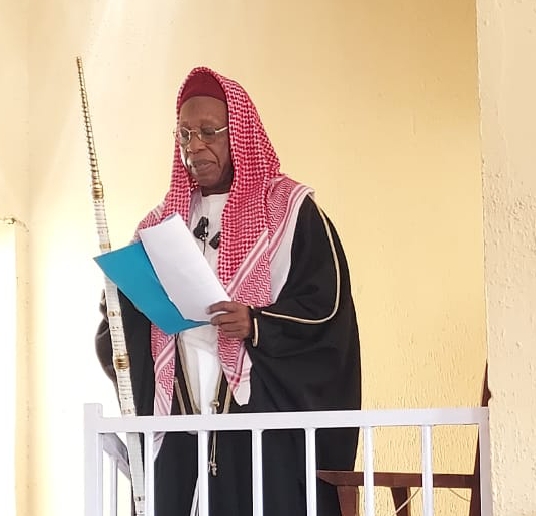
Dr Goni Faruk Umar has urged Muslims to embrace Taqwa in their daily lives, describing it as a foundation of Islam and a key to righteous conduct and success in this world and the hereafter.
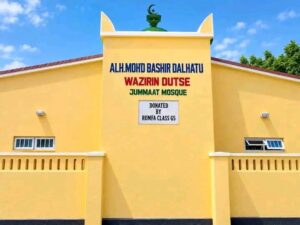
KANO FOCUS reports that the Islamic scholar made the call while delivering a Juma’a sermon at the New Juma’a Mosque, Rumfa College, Kano.
In the sermon, Dr Goni Faruk Umar explained the meaning of Taqwa using classical Islamic scholarship, including an account involving Umar ibn al-Khattab and the companion Ubayy ibn Ka’b to illustrate the concept.
According to the account cited in the sermon, Sayyadina Ubayy once asked Khalifa Umar bin Khattab whether he had ever walked along a thorny path. When Khalifa Umar bin Khattab answered in the affirmative, Sayyadina Ubayy asked how he navigated it. Khalifa Umar bin Khattab replied that he gathered his clothes and proceeded cautiously to avoid being pricked.
Sayyadina Ubayy then explained that this was the essence of Taqwa: being constantly mindful of one’s actions and carefully avoiding what displeases Allah.
Dr Goni Faruk Umar said Taqwa should not be limited to acts of worship but should also guide Muslims’ conduct in contemporary society, particularly in their use of digital platforms and social media, control of the tongue, and relationships within the family.
He urged worshippers to exercise restraint in their speech, act responsibly online and uphold their obligations to family members in accordance with Islamic teachings.
The cleric also highlighted the spiritual and worldly benefits of Taqwa, including relief from hardship, ease in personal affairs, forgiveness of sins and increased rewards in the hereafter.
Quoting verses from the Qur’an, he cited Allah’s promise in Surah At-Talaq, verses 2 and 3, that whoever fears Him will be granted a way out of difficulties and provided for from sources they could not have anticipated.
He also referred to Qur’an 65:4–5, which promises ease in affairs, the removal of sins and the multiplication of rewards for those who maintain Taqwa.
The scholar reminded Muslims that worldly life is temporary and that the hereafter is their permanent destination. He therefore urged them to regard Taqwa as the best provision for the journey beyond this life.
Citing Qur’an 2:197, he emphasised that the best provision for the hereafter is Taqwa, urging believers to remain conscious of their responsibilities to Allah.
The sermon also featured prayers and salutations upon Prophet Muhammad (peace be upon him), his family and companions, in accordance with the Qur’anic instruction in Surah Al-Ahzab, verse 56.
Dr Goni Faruk Umar concluded by encouraging Muslims to remain steadfast in faith, follow the guidance of the Prophet and make righteousness a guiding principle in their daily lives.
Nasiru Yusuf Ibrahim
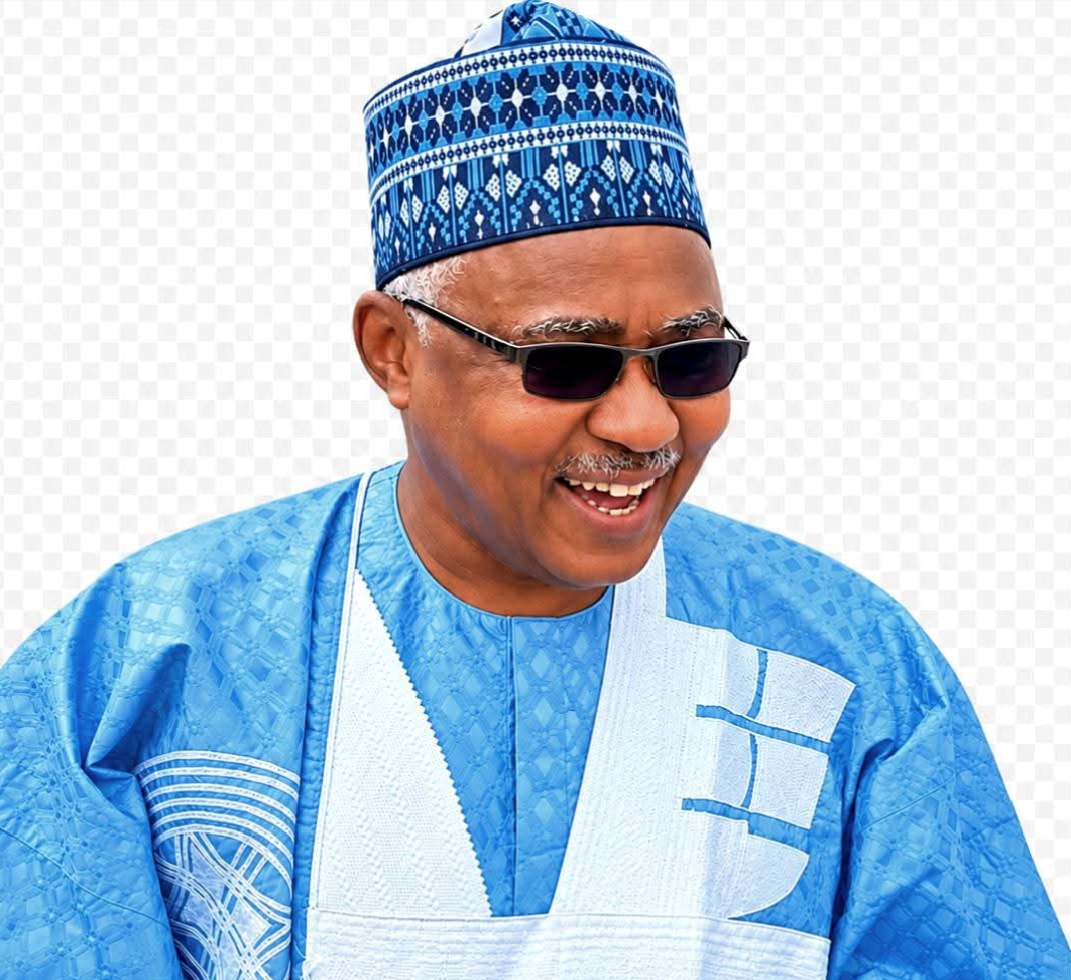
Political allies and loyalists of former Managing Director of the Nigerian Ports Authority (NPA), Arc Aminu Dabo, have begun resigning from the All Progressives Congress (APC) in Kano State following his withdrawal from the ruling party.
KANO FOCUS reports that the supporters, operating under the political group Dabo Alheri Ne, reportedly include members across Kano State’s 44 local government areas.
Barely two days after Dabo announced his resignation from the APC, a prominent stakeholder of the group, Garba Zakiru Dambatta, said members had welcomed the decision and were showing solidarity by submitting their resignation letters to their respective ward party chairmen.
Dambatta, a former APC chairman in Dambatta Local Government Area, said the group’s members were disappointed with what they described as the prolonged marginalisation of Mr Dabo and his supporters within the party.
According to him, despite Mr Dabo’s contributions to the APC and efforts to strengthen the party and manage disagreements among its members, some key stakeholders had continued to sideline him and his loyalists in party activities.
Dambatta reaffirmed the group’s commitment to standing by Mr Dabo’s political decisions and supporting his future political journey.
He also urged the former NPA managing director not to succumb to political pressure or reverse his decision to leave the party.
“This step you have taken, we have the conviction that it is the beginning of a new chapter of goodness in your life,” Dambatta said.
Among the prominent members of the group identified as supporting Mr Dabo’s decision are Abba Rabee’u, a former Senior Special Assistant on Political Awareness; Almustapha Jilani Danmalam, a former Senior Special Assistant on Education; Jamilu Abdullahi Zangon-Mata, a former Senior Special Assistant on Entrepreneurship; and Fahd A. Dabo, a former Special Assistant on Youth Mobilisation.
The individuals reportedly served during the second term of former Kano State Governor Abdullahi Umar Ganduje.
The group also said several other party loyalists and supporters were backing Dabo following his resignation.
However, the statement did not provide the number of members who had formally resigned from the APC or indicate whether the party leadership had responded to the development.
Nasiru Yusuf Ibrahim
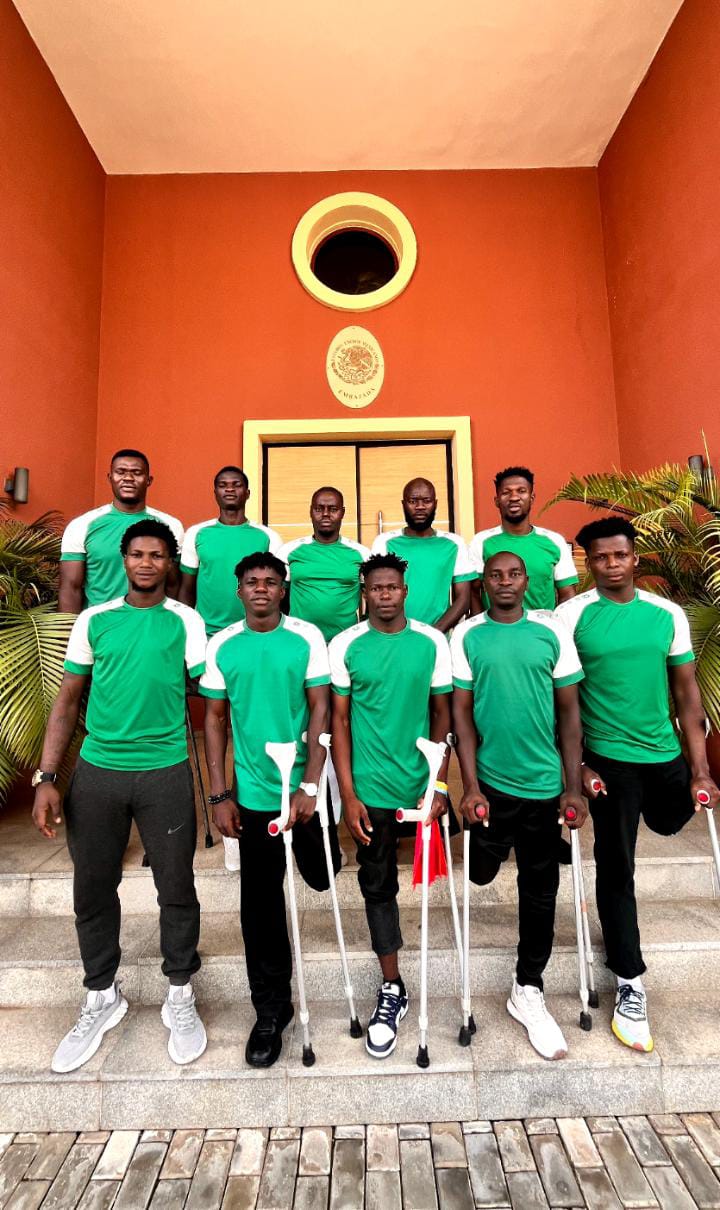
Five players of Kano Pillars Amputee Football Club have been invited to the national camp of Nigeria’s Special Super Eagles ahead of the 2026 Amputee Football World Cup in Mexico.
KANO FOCUS reports that invited players are Isah Yusuf, Abba Musa, Habu Friday, Emanuel Betel and Usman Ahmed. They are currently in Abuja with the national team as preparations intensify for the global tournament.
The Team Manager of Kano Pillars Amputee Football Team, Jamilu Uba Adamu, disclosed this in an interview with Ashiru Rabiu Gidan Tudu, Information Officer of the Kano State Sports Commission.
Adamu described the invitation as recognition of the players’ dedication, discipline and outstanding performances.
He expressed confidence that the players would represent Kano State and Nigeria with honour at the championship.
According to him, the call-up also demonstrates Kano Pillars’ commitment to nurturing talented amputee footballers and contributing to the development of the sport in Nigeria.
The 2026 Amputee Football World Cup is scheduled to take place from November 13 to 22 in San Juan de los Lagos, Mexico. A total of 24 countries, including seven African nations, are expected to participate.
The Executive Chairman of the Kano State Sports Commission, Muhammad Tukur Babangida, congratulated the five players on their invitation, describing it as well deserved.
Babangida expressed confidence that they would justify the confidence reposed in them by the national team selectors.
He assured the players of the commission’s continued support and urged them to remain focused, disciplined and committed to making Kano State and Nigeria proud on the international stage.

Dr Goni Faruk Umar calls on muslims to embrace taqwa in daily life

Dabo’s resignation triggers wave of defections from APC in Kano

Five Kano Pillars Amputee Players Invited to Special Eagles Camp Ahead of World Cup

BUK Professor advocates microfinance to tackle food insecurity, poverty

General Elections 2027: Abba Kabir Yusuf traverses the path to victory

Kano leads again as NECO successes rise to 74,413
Kano tops states in 2026 NECO results, Governor Yusuf hails students

Kano Govt Suspends Durbar Processions, Horse Riding in Metropolis

ACF begins Dangote Refinery IPO sensitisation campaign in Kano

