
News
OPEC says Dangote refinery’s diesel, jet fuel supplies to disrupt Europe’s oil & gas industry


Nasiru Yusuf Ibrahim
It is a big plus to Nigeria’s economy
The Organisation of Petroleum Exporting Countries, OPEC, has said supplies from Nigeria-based world’s largest single-train Dangote Refinery and Petrochemicals will put pressure on the performance of Europe’s oil industry, especially the Northwest Europe (NWE) Gasoil.

KANO FOCUS reports that OPEC in its newly released monthly Oil Market Report for June 2024 listed Dangote Refinery among the top Diesel and jet Fuel suppliers that will disrupt Europe’s oil & gas Industry, a development experts forecasted will positively impact the Nigerian economy.
It would be recalled that Standard & Poor Global quoting trading and the ship tracking sources had earlier predicted that Nigeria’s $20 billion Dangote refinery would shake up international crude flows when it reaches full capacity, having already made an impact since coming online in January, trading sources and ship tracking data show.
The OPEC report revealed that “Upside potential for higher production levels from Nigeria’s Dangote refinery, coupled with strong flows from the Middle East and new supplies from the Mexican Olmeca refinery, will likely exert pressure on NWE gasoil performance in the mid-term.”
It stated further “Europe is one of the world’s largest purchasers of refined petroleum products and relied on imports from Asia and the US after the European Union banned the use of Russian diesel in the bloc.
However, the 650,000bpd capacity refinery which is owned by the Africa’s richest man, Aliko Dangote, is eyeing the wider European market after International Oil Companies stopped supplying its crude oil.
Vice President of Oil and Gas at Dangote Industries Limited, Devakumar Edwin announced the company had earlier exported its first jet fuel cargo to Europe as it rapidly scales production.
The refinery is said to have exported 90 percent of its 3.5 billion litres of jet fuel and diesel to Europe over alleged lack of support from the Nigerian government.
“It is good to note that from the start of production, more than 3.5 billion litres, which represents 90 percent of our production, have been exported,” Edwin said
BP is currently transporting its first jet fuel cargo to Rotterdam from Dangote, after being awarded part of a 120,000 metric tonnes tender offered for the end of May, according to S&P Global.
OPEC stated that, “In June, the jet/kerosene crack spread in Rotterdam against Brent showed a slight decline, influenced by supply-side dynamics. Despite signs of improving air travel activities, subdued jet fuel demand from the aviation sector weighed on the product market
“Going forward, European jet/kerosene demand is expected to see upward pressure as consumption levels from the aviation sector continue to pick up in the coming months.”
S&P had noted that Dangote Refinery in its first six months, scaled to 400,000 b/d and delivered diesel, jet fuel, naphtha, and fuel oil to both domestic and export markets, with Gasoline, Nigeria’s primary fuel type, being expected to be produced from mid-August
Notwithstanding, the refinery has already affected crude flows, with dozens of Nigerian cargoes remaining in-country and US WTI Midland, a comparable light, sweet grade, being imported
The mega-refinery could therefore tighten the light, sweet crude market. “Its diet is WTI and the lighter Nigerian [crudes] so if you were chasing those barrels you’d probably feel it quite keenly,” a West African crude trader told Commodity Insights. “Once they get to 650,000 b/d without any WTI Midland, ‘severely disrupted’ [will be] the headline.”
WTI Midland crude initially emerged as the favored feedstock to supplement Nigerian supply, with the refinery signing long-term supply contracts for the US grade and noting its competitive pricing. Platyts, part of Commodity Insights, last assessed WTI Midland into Rotterdam at $82.36/b on July 31, while Nigeria’s Bonny Light was assessed at $82.80/b on the same day.
Crude flows in and out of the Dangote refinery have been felt in other markets, especially in Europe, the largest consumer of light, sweet Nigerian crude. The US grade has accounted for 30% of crude delivered to Dangote, through 18 cargoes
President of Dangote Group, Aliko Dangote said the facility would broaden its feedstock sources with Libyan, Angolan, and Brazilian crude.
“The refinery was built to use Nigerian crude and add value to it within Nigeria. Why should we deviate from that focus?” said Dangote, adding that the crude supply issues were “getting resolved”, but that the refinery remained open to all opportunities “to supplement it”.
“Dangote refinery is designed to process a range of light and medium grades of crude oil, including Nigerian grades,” said Rasool Barouni, Associate Director and head of Refining at S&P Global Commodity Insights. “Other similar grades including other WAF

Nasiru Yusuf Ibrahim
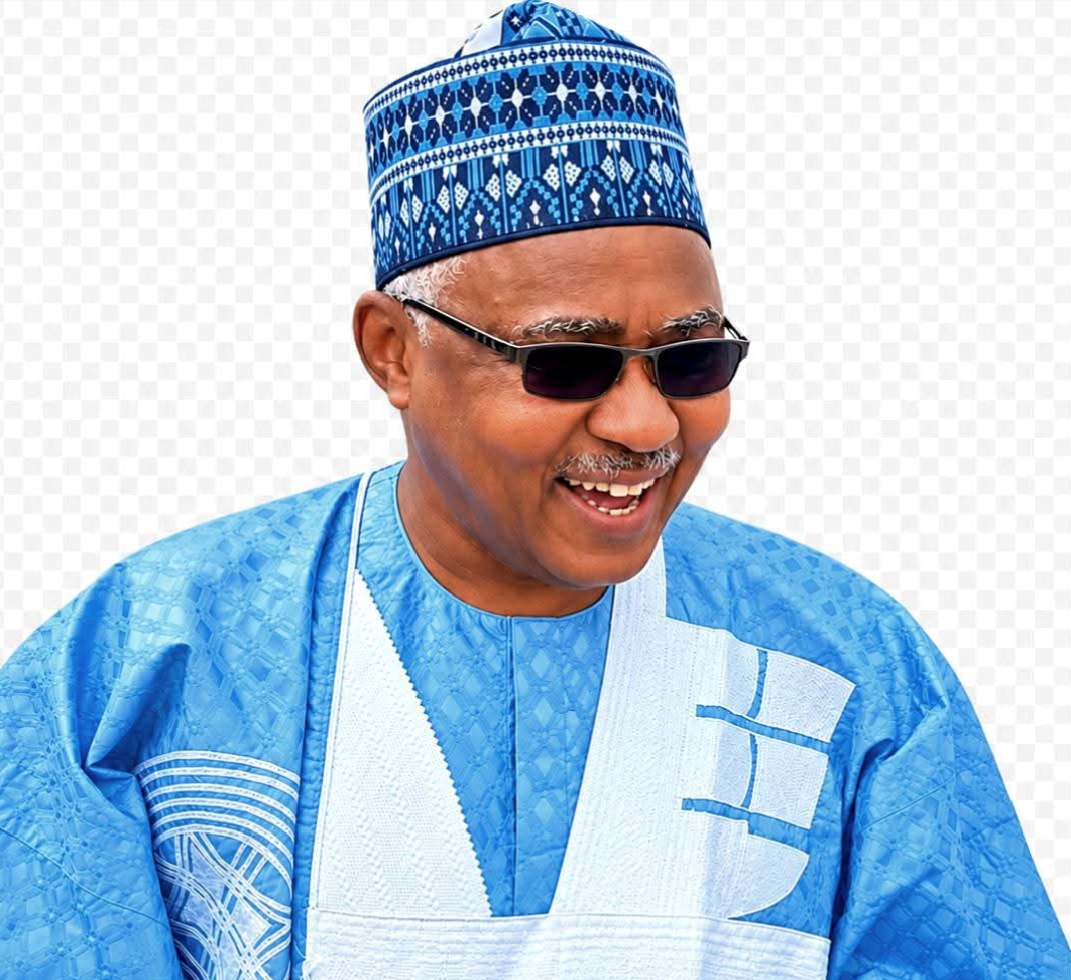
Political allies and loyalists of former Managing Director of the Nigerian Ports Authority (NPA), Arc Aminu Dabo, have begun resigning from the All Progressives Congress (APC) in Kano State following his withdrawal from the ruling party.
KANO FOCUS reports that the supporters, operating under the political group Dabo Alheri Ne, reportedly include members across Kano State’s 44 local government areas.
Barely two days after Dabo announced his resignation from the APC, a prominent stakeholder of the group, Garba Zakiru Dambatta, said members had welcomed the decision and were showing solidarity by submitting their resignation letters to their respective ward party chairmen.
Dambatta, a former APC chairman in Dambatta Local Government Area, said the group’s members were disappointed with what they described as the prolonged marginalisation of Mr Dabo and his supporters within the party.
According to him, despite Mr Dabo’s contributions to the APC and efforts to strengthen the party and manage disagreements among its members, some key stakeholders had continued to sideline him and his loyalists in party activities.
Dambatta reaffirmed the group’s commitment to standing by Mr Dabo’s political decisions and supporting his future political journey.
He also urged the former NPA managing director not to succumb to political pressure or reverse his decision to leave the party.
“This step you have taken, we have the conviction that it is the beginning of a new chapter of goodness in your life,” Dambatta said.
Among the prominent members of the group identified as supporting Mr Dabo’s decision are Abba Rabee’u, a former Senior Special Assistant on Political Awareness; Almustapha Jilani Danmalam, a former Senior Special Assistant on Education; Jamilu Abdullahi Zangon-Mata, a former Senior Special Assistant on Entrepreneurship; and Fahd A. Dabo, a former Special Assistant on Youth Mobilisation.
The individuals reportedly served during the second term of former Kano State Governor Abdullahi Umar Ganduje.
The group also said several other party loyalists and supporters were backing Dabo following his resignation.
However, the statement did not provide the number of members who had formally resigned from the APC or indicate whether the party leadership had responded to the development.

Nasiru Yusuf Ibrahim
Five players of Kano Pillars Amputee Football Club have been invited to the national camp of Nigeria’s Special Super Eagles ahead of the 2026 Amputee Football World Cup in Mexico.
KANO FOCUS reports that invited players are Isah Yusuf, Abba Musa, Habu Friday, Emanuel Betel and Usman Ahmed. They are currently in Abuja with the national team as preparations intensify for the global tournament.
The Team Manager of Kano Pillars Amputee Football Team, Jamilu Uba Adamu, disclosed this in an interview with Ashiru Rabiu Gidan Tudu, Information Officer of the Kano State Sports Commission.
Adamu described the invitation as recognition of the players’ dedication, discipline and outstanding performances.
He expressed confidence that the players would represent Kano State and Nigeria with honour at the championship.
According to him, the call-up also demonstrates Kano Pillars’ commitment to nurturing talented amputee footballers and contributing to the development of the sport in Nigeria.
The 2026 Amputee Football World Cup is scheduled to take place from November 13 to 22 in San Juan de los Lagos, Mexico. A total of 24 countries, including seven African nations, are expected to participate.
The Executive Chairman of the Kano State Sports Commission, Muhammad Tukur Babangida, congratulated the five players on their invitation, describing it as well deserved.
Babangida expressed confidence that they would justify the confidence reposed in them by the national team selectors.
He assured the players of the commission’s continued support and urged them to remain focused, disciplined and committed to making Kano State and Nigeria proud on the international stage.
Nasiru Yusuf Ibrahim
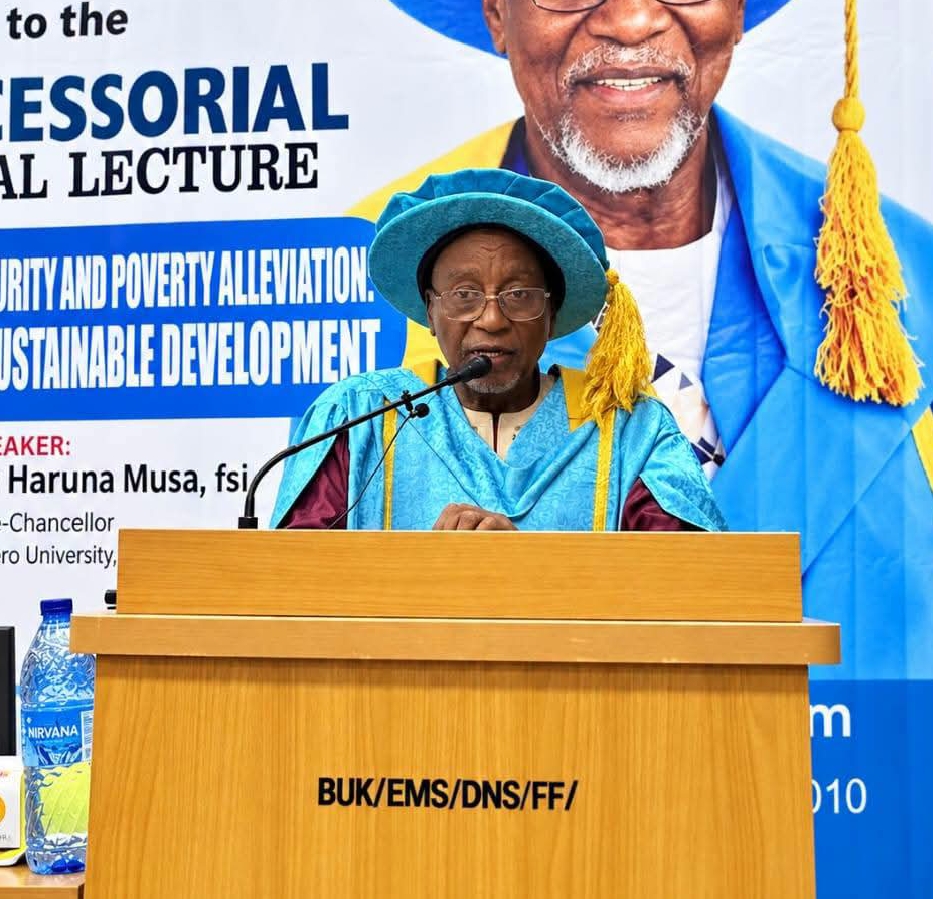
Professor Muhammad Ahmad Makarfi of Bayero University, Kano (BUK), has identified inclusive microfinance as a critical tool for addressing food insecurity and poverty in Nigeria.
KANO FOCUS reports that Prof. Makarfi, of the Department of Agricultural Economics and Extension, made the recommendation while delivering the university’s 64th Professorial Inaugural Lecture on Thursday, October 14, 2026, at the CBN Centre of Excellence.
The lecture, titled *“Innovative Options for Nigeria’s Food Security and Poverty Alleviation: The Microfinance Pathway to Sustainable Development,”* examined how improved access to affordable financing could boost agricultural production and strengthen rural livelihoods.
The professor said that despite Nigeria’s vast agricultural resources, food production and rural livelihoods continued to face challenges, including limited access to affordable finance, insecurity, climate change, inadequate infrastructure and low agricultural productivity.
He argued that expanding access to agricultural finance, particularly for smallholder farmers, would encourage investment, improve productivity and strengthen the country’s food security.
Prof. Makarfi reviewed Nigeria’s agricultural financing policies and interventions, highlighting the need for innovative credit delivery systems that would make funding more accessible, affordable and sustainable for farmers.
He identified microfinance institutions and Islamic finance models as potential avenues for improving access to agricultural credit.
In his recommendations, the professor said sustainable food security and poverty reduction required policies that prioritised increased domestic agricultural production through better access to finance, modern technologies, quality farm inputs and markets.
He also called for stronger microfinance institutions, expanded farmer-friendly financing mechanisms and an enabling environment to attract investment across the agricultural value chain.
According to him, such measures would improve agricultural productivity, enhance livelihoods and accelerate Nigeria’s sustainable development.
Earlier, the Vice-Chancellor of BUK, Professor Haruna Musa, who chaired the lecture, was represented by the Deputy Vice-Chancellor, Academics, Professor Ahmad Muhammad Tsauni.
Prof. Musa commended the lecturer for choosing a topic that addressed critical issues surrounding food insecurity, livelihoods and agricultural development.
The Dean of the Faculty of Agriculture, Professor Aminu Sulaiman, who presented the lecturer’s citation, said Mr Makarfi had published more than 150 local and international publications, contributed 10 book chapters and authored eight books.
Professor Mahmoud Ibrahim Daneji, who represented the Head of the Department of Agricultural Economics and Extension, delivered the vote of thanks.

Dabo’s resignation triggers wave of defections from APC in Kano

Five Kano Pillars Amputee Players Invited to Special Eagles Camp Ahead of World Cup

BUK Professor advocates microfinance to tackle food insecurity, poverty

General Elections 2027: Abba Kabir Yusuf traverses the path to victory
Former NPA MD Aminu Dabo resigns as APC caucus chairman in Dambatta

Kano leads again as NECO successes rise to 74,413
Kano tops states in 2026 NECO results, Governor Yusuf hails students

Kano Govt Suspends Durbar Processions, Horse Riding in Metropolis

ACF begins Dangote Refinery IPO sensitisation campaign in Kano

