
Headlines
Dr. Usman’s Book Presentation Sparks National Reflection: Who Truly Owns Nigeria—the People or the Politicians?

By Mukhtar Yahya Usman
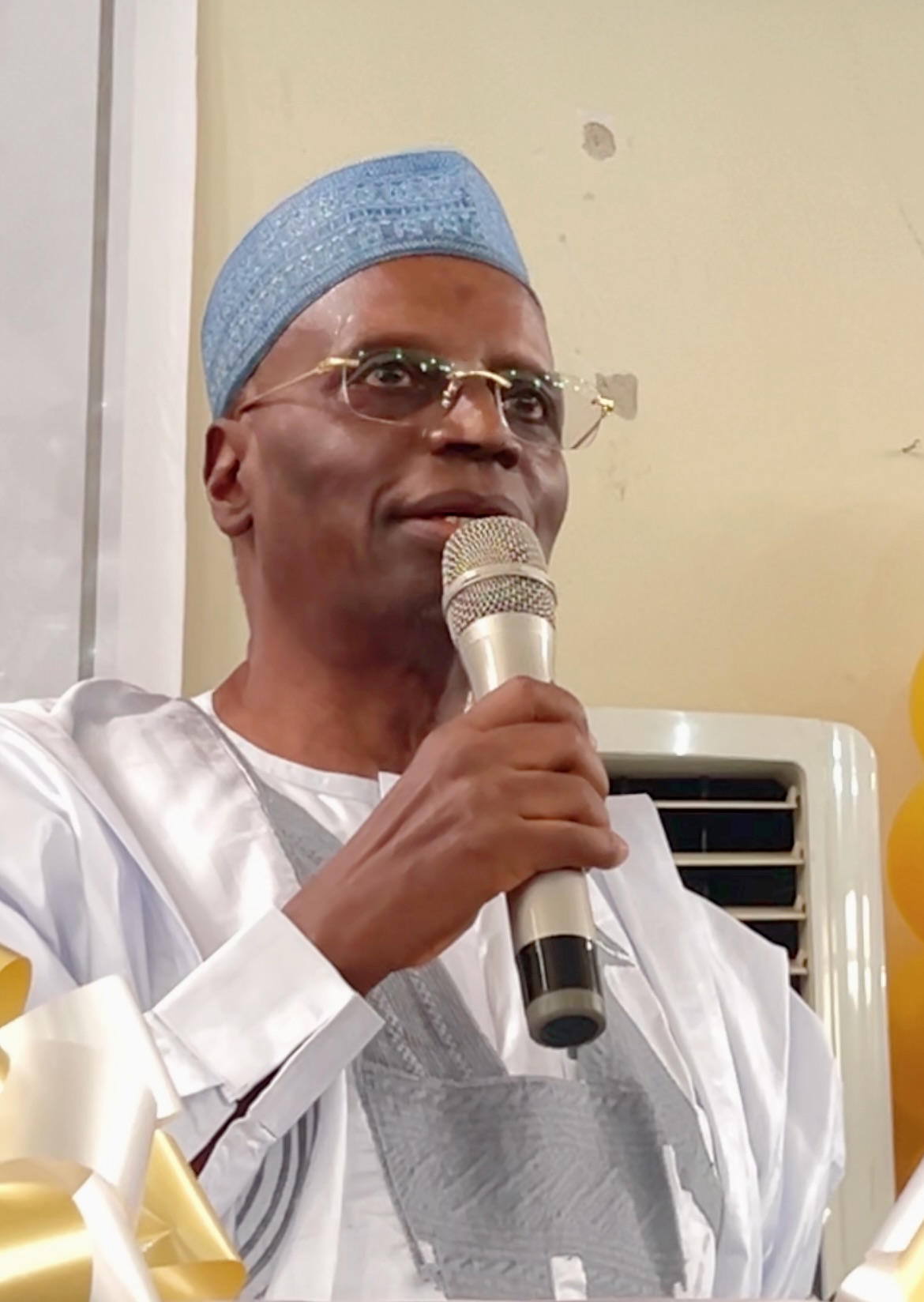
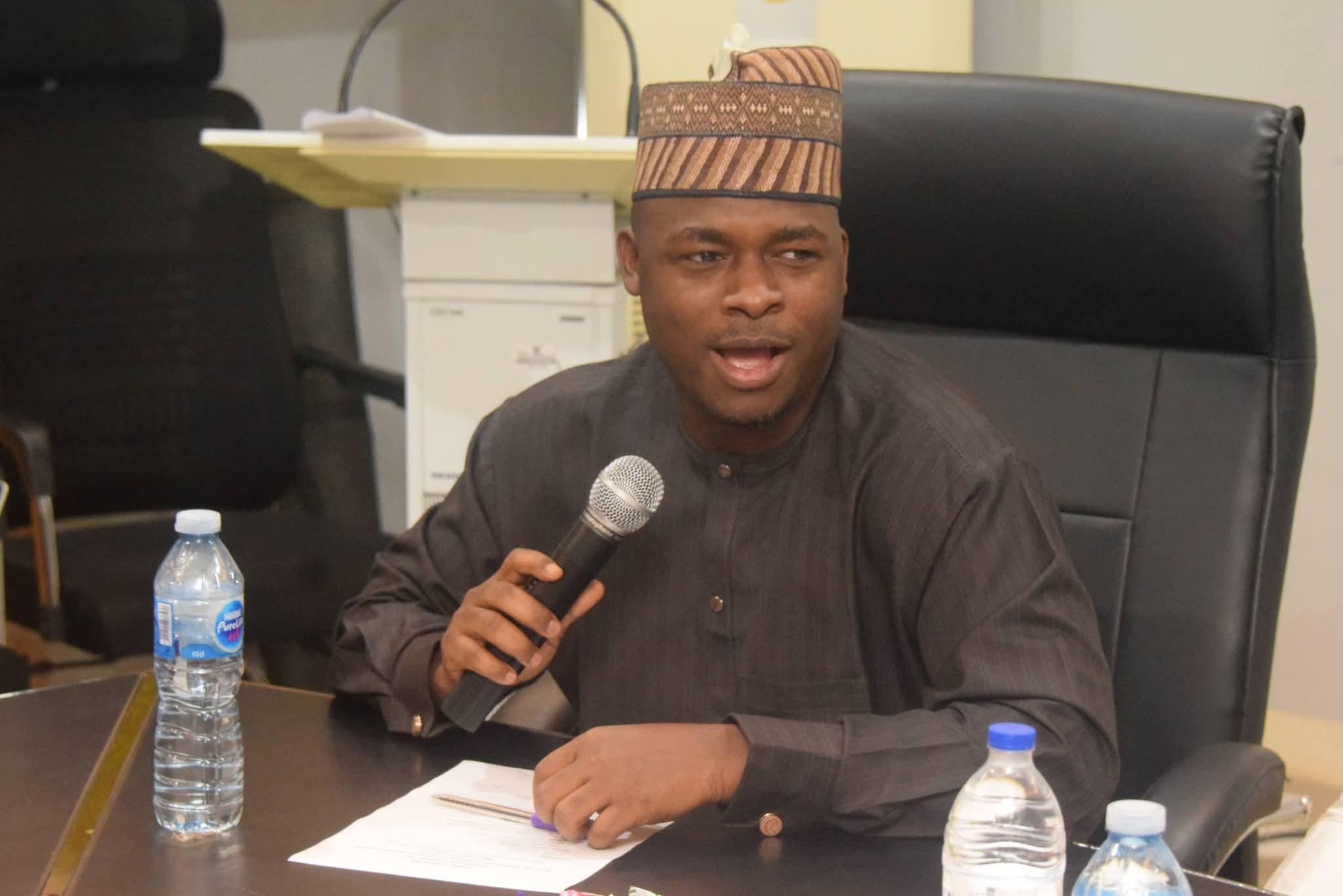
Former Minister of Finance and one of Nigeria’s most respected economic minds, Dr. Shamsuddeen Usman, on Saturday presented his latest book *Public Policy and Agent Interest: Perspectives from the Emerging World* to the people of Kano, in a powerful homecoming ceremony hosted at Bayero University Kano (BUK).
Though the book was formally launched in Abuja months earlier, Dr. Usman chose Kano—his birthplace and the foundation of his public service journey—for its first public presentation in Northern Nigeria.
The event gathered dignitaries including Academics, traditional leaders, students, and development professionals.
“This is more than a presentation,” he said in his keynote. “It is my way of returning home—not just with memories, but with ideas that can serve our people.”

From Global Insight to Local Urgency
Dr. Usman, who began his journey in Kano’s Garangamawa quarters and rose to national prominence through key roles at the Federal Ministry of Finance and the National Planning Commission—and who is well-versed in IMF and World Bank policies through years of engagement and participation in high-level meetings—offered a brutally honest diagnosis of Nigeria’s stagnation: a failure of governance rooted in the betrayal of public trust.
He explained the concept of the principal-agent problem—where those entrusted to serve (agents) begin to serve themselves instead, leaving the true owners of the nation (the principals—the people) disillusioned and abandoned.
“This book is about the broken promise between government and citizens. What we call in Hausa, rashin rikon amana.”
Personal Reflections, National Realities
Drawing from his experience as Finance Minister, Dr. Usman recalled efforts to establish the Nigerian Sovereign Wealth Fund—an initiative aimed at securing the country’s oil wealth for future generations—but which faced fierce opposition from those driven by short-term political calculations.
“That fight wasn’t just about economics. It was about values—about choosing between national interest and personal interest.”
This tension between policy and politics, public duty and private gain, he argued, is the central theme of the book and a major factor in Nigeria’s persistent development failures.
The Local Cost of National Failure
Dr. Usman reminded the audience that this is not an abstract theory but a lived reality—especially in places like Kano.
He highlighted the alarming number of out-of-school children, the decay of urban infrastructure, and the collapse of trust in public institutions, especially among young people.
“When our youths see a system that rewards connections over competence, they don’t just lose faith—they lose direction.”
He described this as the greatest cost of the agency problem: not just bad roads or failed schools, but a generation that begins to believe mediocrity and corruption are the norm.
A New Development Bargain: The People Must Rise
Rather than dwell on the failures, Dr. Usman emphasized solutions.
The book, co-authored with renowned contributors including Dr. Yemi Kale and Emir Muhammadu Sanusi II, outlines a four-point development bargain aimed at restoring balance between the people and those in power:
1. Demand transparency – Citizens must insist on public access to data and government spending.
2. Challenge vested interests – Society must defend honest leaders and confront those who exploit the system.
3. Rebuild the social contract – Citizens must perform civic duties and demand quality services in return.
4. Engage actively – Everyone must act, speak, or at least reject injustice with their hearts.
He invoked a prophetic Hadith as a moral compass:
“If you see evil, change it with your hand. If not, speak out. If not, reject it in your heart—that is the weakest of faith.”
A Foundation for the Future
The event also marked the public announcement of the Shamsuddeen Usman Foundation, established by his children and focused on education, health, and information technology.
“We cannot just criticize the past—we must build the future. That is why this Foundation exists: to give our children the tools to lead.”
More Than a Book, a Call to Action
Dr. Usman closed by stressing that Public Policy and Agent Interest is not an academic exercise—it is a civic manual for ordinary Nigerians to understand their power, reclaim their role, and demand better governance.
“This book is for you. It is a guide to demand the accountability and dignity every Nigerian deserves. Let us work together to mend this broken promise.”
As the applause resounded through the halls of BUK, the message was unmistakable: Nigeria’s destiny will not be shaped by its agents, but by the renewed resolve of its true owners—the people.

Nasiru Yusuf Ibrahim
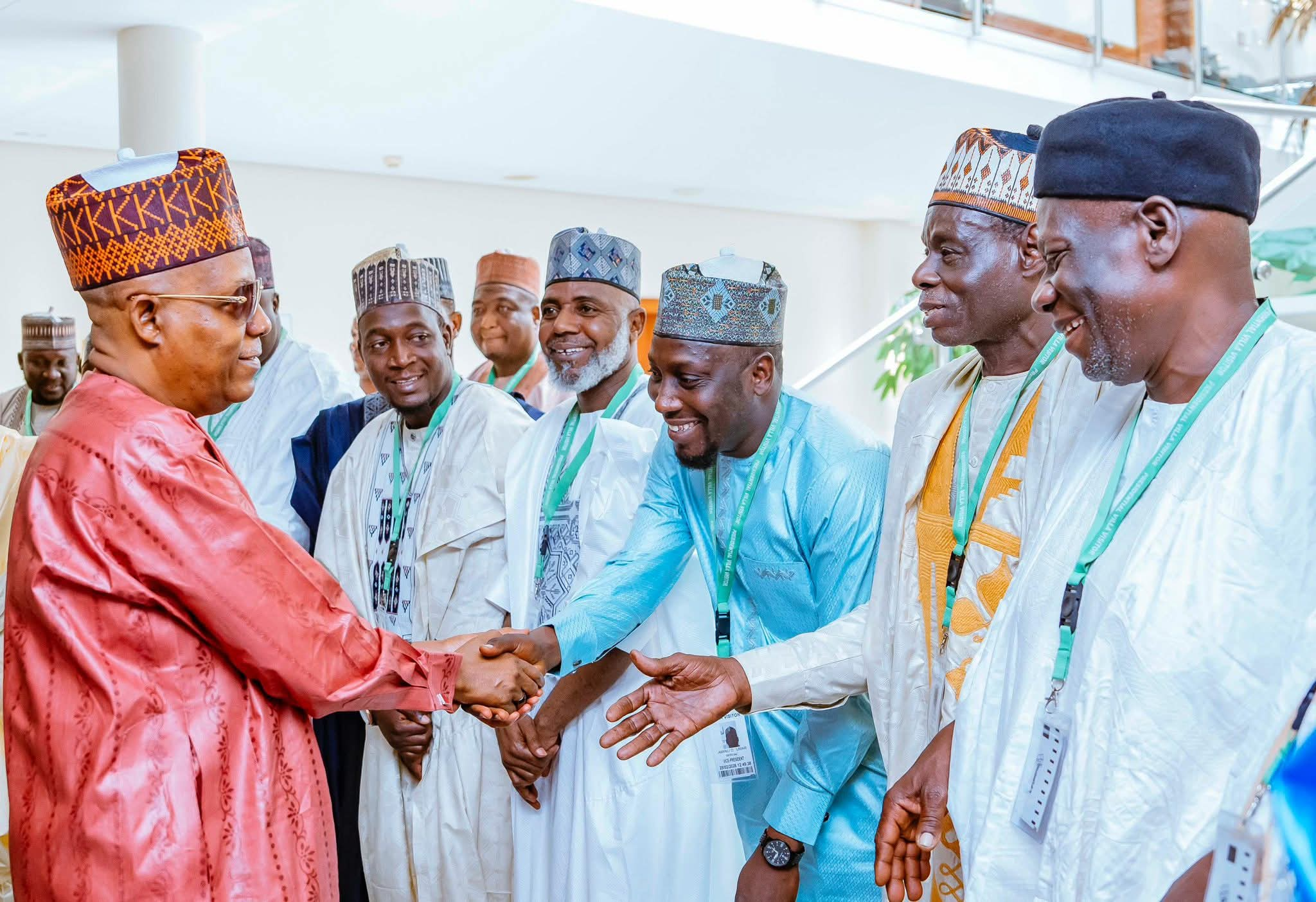
Nigeria’s Vice President, Kashim Shettima, on Tuesday received a delegation from the Association of Kano Business Community at the Presidential Villa, Abuja, during a thank-you visit to President Bola Ahmed Tinubu.
KANO FOCUS reports that the delegation expressed appreciation to the Federal Government for its support to traders and other victims affected by the recent fire incident that razed several sections of the popular Singer Market in Kano.
Speaking during the meeting, the Vice President reaffirmed the Federal Government’s commitment to collaborating with the Kano State Government and relevant agencies to prevent a recurrence of fire outbreaks in markets across the state.
He assured the delegation that President Tinubu has the interests of Kano people at heart, noting that the N5 billion approved as immediate relief for victims was based on the findings of a preliminary assessment of the damage caused by the inferno.
Shettima reiterated that the Federal Government would continue to support efforts aimed at restoring commercial activities and strengthening safety measures in markets to protect lives and property.
Nasiru Yusuf Ibrahim
The Kano State Government has inaugurated a 23-member committee to oversee the transparent and equitable distribution of financial assistance and relief materials to victims of the recent Singer Market fire disaster.
KANO FOCUS reports that the inauguration was carried out on behalf of the Secretary to the State Government, Umar Faruq Ibrahim, who chairs the committee. The event was presided over by the state Attorney-General and Commissioner for Justice, Abdulkarim Kabiru Maude.
According to the Attorney-General, the committee comprises representatives from key government agencies, security services, the Kano Emirate Council, religious leaders, and affected traders.
He said the panel’s mandate includes assessing the extent of losses, verifying genuine victims, ensuring timely distribution of support, and recommending measures to prevent future fire incidents.
The intervention follows support approved by President Bola Ahmed Tinubu, as well as contributions from the APC Governors Forum. It also comes in addition to earlier assistance provided by Governor Abba Kabir Yusuf and the Deputy Senate President, Barau I. Jibrin.
The state government reaffirmed its commitment to supporting victims of the disaster and restoring commercial activities at Singer Market.
Nasiru Yusuf Ibrahim
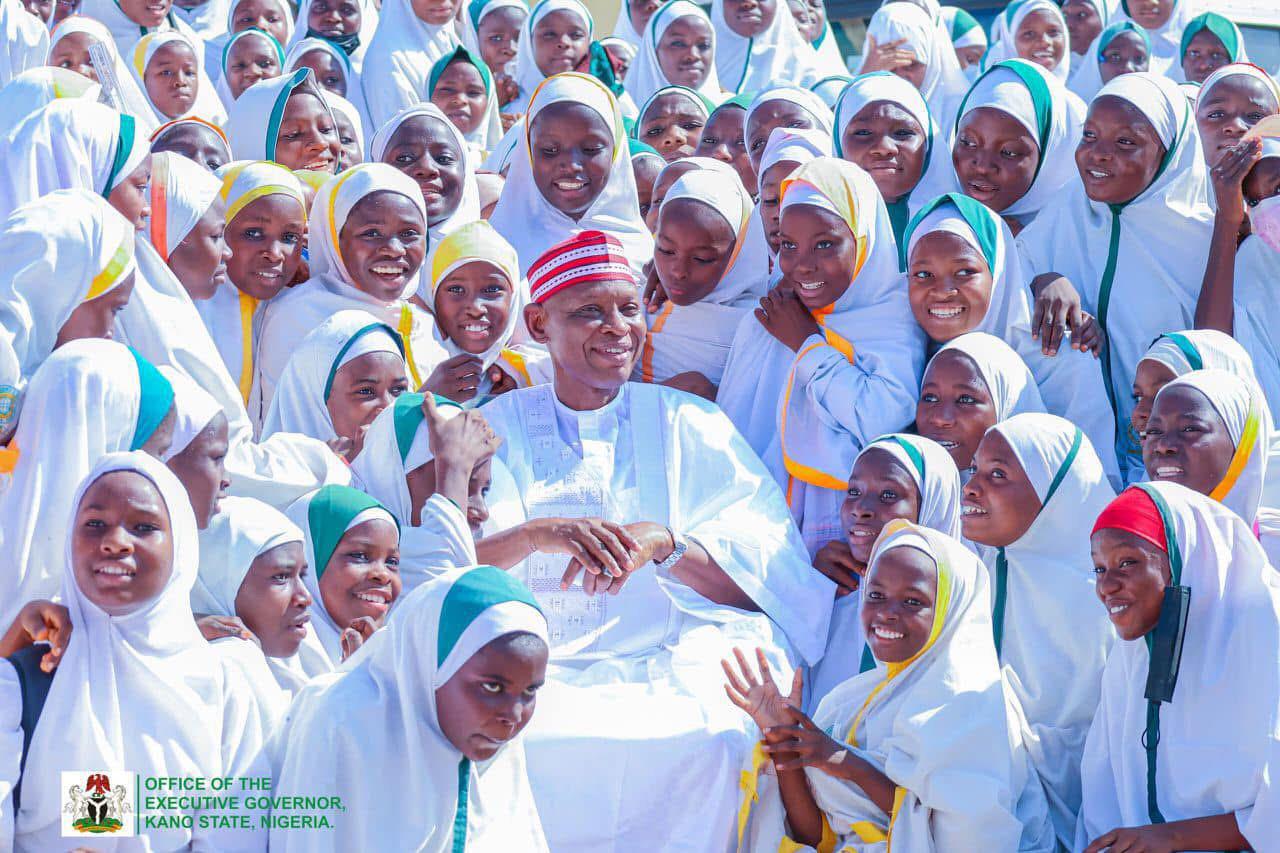
The Kano State Government has announced Saturday, March 1, 2026, as the commencement date for the Eid-el-Fitr break for all public and private primary and post-primary schools in the state.
KANO FOCUS reports that the announcement, contained in the approved 2025/2026 academic calendar, applies to both day and boarding schools across the state.
According to a statement issued by the Director of Public Enlightenment, Musbahu Aminu Yakasai, parents and guardians of pupils and students in boarding schools are expected to convey their wards home by the early hours of Friday, February 28, 2026.
The statement further explained that boarding school students are to resume on Sunday, March 22, 2026, while day students are to resume on Monday, March 23, 2026.
It added that the second term will continue from Sunday, March 22, 2026, and end on Saturday, April 18, 2026.
The government directed all public and private schools in the state to comply strictly with the directive, warning that non-compliance would be treated as a breach of government instructions.
The Commissioner for Education, Ali Haruna Abubakar Makoda, urged parents and guardians to ensure full compliance with the approved resumption dates.
He appreciated parents and residents of the state for their continued cooperation and support to the ministry, and wished pupils and students a successful completion of the Ramadan fast and hitch-free Sallah celebrations.

Kano business community thanks FG for N5bn Singer market relief

Kano Govt inaugurates 23-member committee to disburse Singer market fire relief

Kano Govt announces March 1 for schools’ Ramadan break

NCC board chair hosts licensed telecoms operators in Lagos

Stakeholders seek stronger nutrition financing at local government level

Lami Maccido, first person to appear on screens of NTA Kano, CTV 67, dies at 72

Governor Yusuf Appoints Acting DG for Pilgrims Board, Names Provost for Anti-Corruption Institute

Kano govt investigates reported disease outbreak in Garko community

K-SAFE appeals to Kano Executive Council to pass revised education bill

