
Headlines
Dr. Usman’s Book Presentation Sparks National Reflection: Who Truly Owns Nigeria—the People or the Politicians?

By Mukhtar Yahya Usman
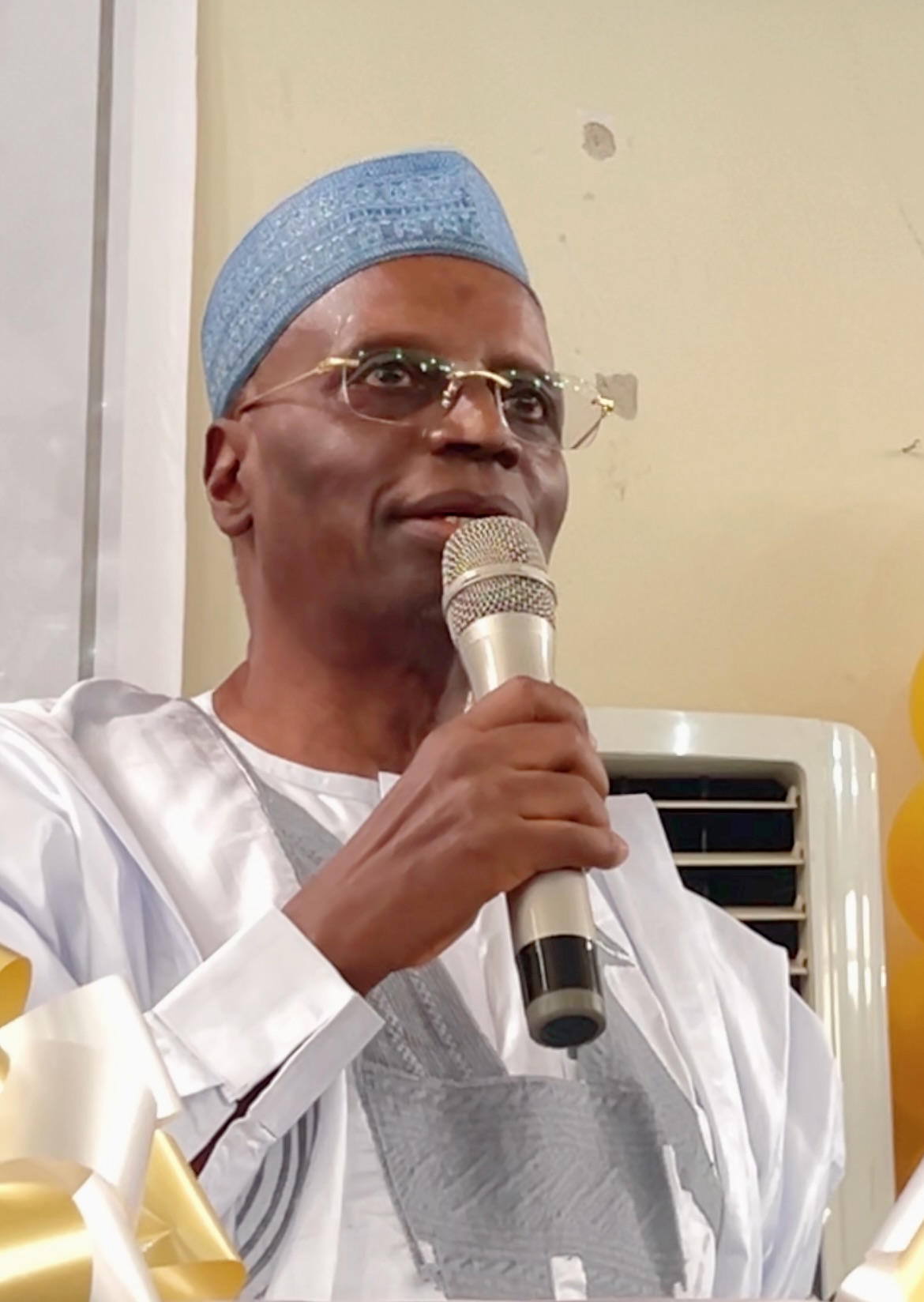
Former Minister of Finance and one of Nigeria’s most respected economic minds, Dr. Shamsuddeen Usman, on Saturday presented his latest book *Public Policy and Agent Interest: Perspectives from the Emerging World* to the people of Kano, in a powerful homecoming ceremony hosted at Bayero University Kano (BUK).
Though the book was formally launched in Abuja months earlier, Dr. Usman chose Kano—his birthplace and the foundation of his public service journey—for its first public presentation in Northern Nigeria.
The event gathered dignitaries including Academics, traditional leaders, students, and development professionals.
“This is more than a presentation,” he said in his keynote. “It is my way of returning home—not just with memories, but with ideas that can serve our people.”

From Global Insight to Local Urgency
Dr. Usman, who began his journey in Kano’s Garangamawa quarters and rose to national prominence through key roles at the Federal Ministry of Finance and the National Planning Commission—and who is well-versed in IMF and World Bank policies through years of engagement and participation in high-level meetings—offered a brutally honest diagnosis of Nigeria’s stagnation: a failure of governance rooted in the betrayal of public trust.
He explained the concept of the principal-agent problem—where those entrusted to serve (agents) begin to serve themselves instead, leaving the true owners of the nation (the principals—the people) disillusioned and abandoned.
“This book is about the broken promise between government and citizens. What we call in Hausa, rashin rikon amana.”
Personal Reflections, National Realities
Drawing from his experience as Finance Minister, Dr. Usman recalled efforts to establish the Nigerian Sovereign Wealth Fund—an initiative aimed at securing the country’s oil wealth for future generations—but which faced fierce opposition from those driven by short-term political calculations.
“That fight wasn’t just about economics. It was about values—about choosing between national interest and personal interest.”
This tension between policy and politics, public duty and private gain, he argued, is the central theme of the book and a major factor in Nigeria’s persistent development failures.
The Local Cost of National Failure
Dr. Usman reminded the audience that this is not an abstract theory but a lived reality—especially in places like Kano.
He highlighted the alarming number of out-of-school children, the decay of urban infrastructure, and the collapse of trust in public institutions, especially among young people.
“When our youths see a system that rewards connections over competence, they don’t just lose faith—they lose direction.”
He described this as the greatest cost of the agency problem: not just bad roads or failed schools, but a generation that begins to believe mediocrity and corruption are the norm.
A New Development Bargain: The People Must Rise
Rather than dwell on the failures, Dr. Usman emphasized solutions.
The book, co-authored with renowned contributors including Dr. Yemi Kale and Emir Muhammadu Sanusi II, outlines a four-point development bargain aimed at restoring balance between the people and those in power:
1. Demand transparency – Citizens must insist on public access to data and government spending.
2. Challenge vested interests – Society must defend honest leaders and confront those who exploit the system.
3. Rebuild the social contract – Citizens must perform civic duties and demand quality services in return.
4. Engage actively – Everyone must act, speak, or at least reject injustice with their hearts.
He invoked a prophetic Hadith as a moral compass:
“If you see evil, change it with your hand. If not, speak out. If not, reject it in your heart—that is the weakest of faith.”
A Foundation for the Future
The event also marked the public announcement of the Shamsuddeen Usman Foundation, established by his children and focused on education, health, and information technology.
“We cannot just criticize the past—we must build the future. That is why this Foundation exists: to give our children the tools to lead.”
More Than a Book, a Call to Action
Dr. Usman closed by stressing that Public Policy and Agent Interest is not an academic exercise—it is a civic manual for ordinary Nigerians to understand their power, reclaim their role, and demand better governance.
“This book is for you. It is a guide to demand the accountability and dignity every Nigerian deserves. Let us work together to mend this broken promise.”
As the applause resounded through the halls of BUK, the message was unmistakable: Nigeria’s destiny will not be shaped by its agents, but by the renewed resolve of its true owners—the people.

Nasiru Yusuf Ibrahim
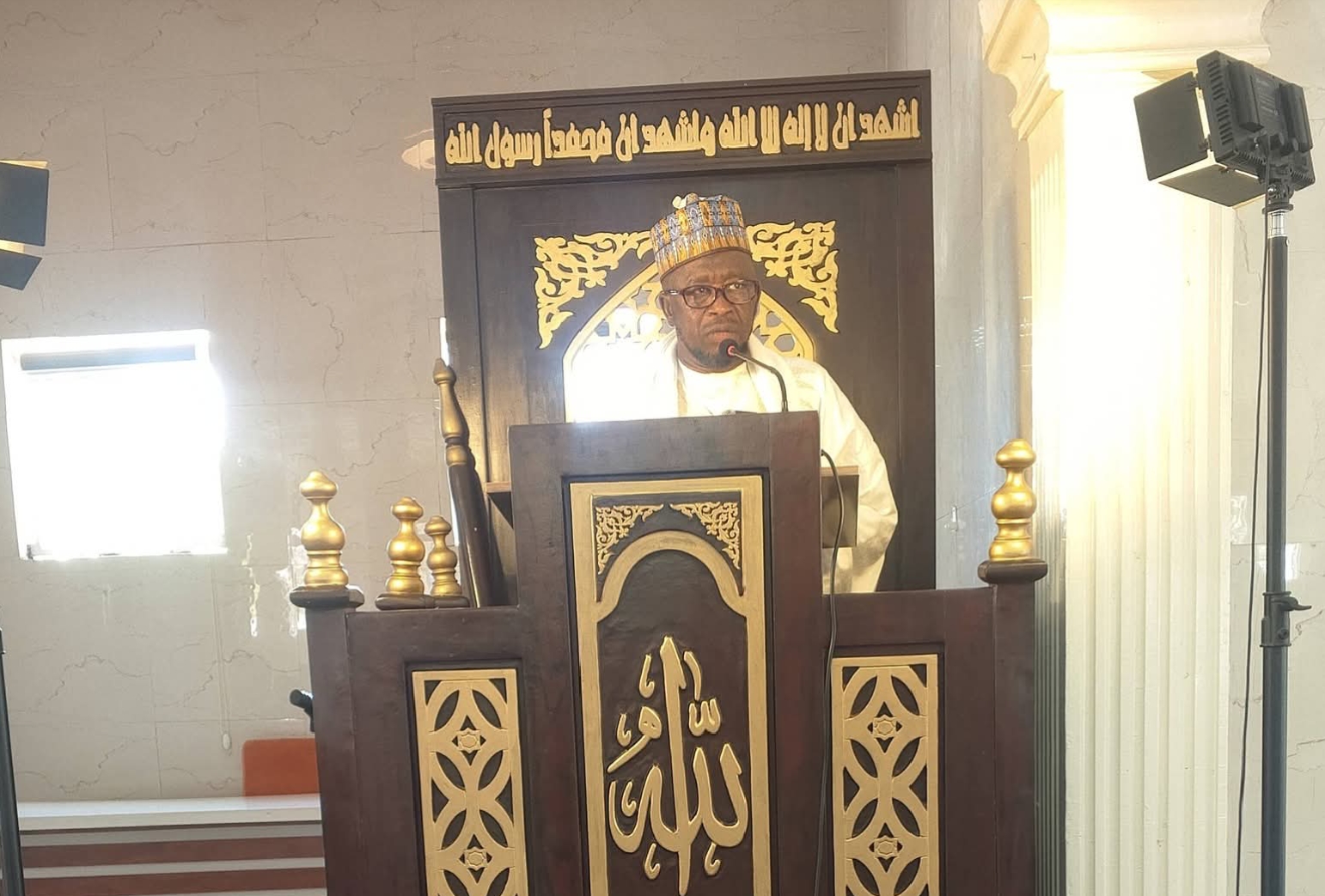
Imam Nura Garba Mato has urged Muslims to remain conscious of their actions, saying that divine reward and punishment often correspond to the nature of people’s deeds.
KANO FOCUS reports that the imam made the call while delivering a Friday sermon at Jami’u Ansar wal Muhajirun Jumaa Mosque, Cotton Ginnery Layout, Zawaciki, Kano State.
The sermon, titled “Al-Jazā’u Min Jinsil-‘Amal” (Recompense Is According to the Nature of Deeds), focused on the Islamic teaching that people’s actions have consequences and that good deeds attract divine reward.
Imam Mato said Allah had established enduring principles in human life that do not change, urging Muslims to understand these principles and allow them to guide their conduct.
He explained that one of these principles was that recompense corresponds to the nature of one’s actions, stressing the importance of living righteously and fulfilling one’s responsibilities to Allah and fellow human beings.
The imam called on Muslims to observe *taqwa* (consciousness of Allah), remain steadfast in their faith and follow the teachings and traditions of Prophet Muhammad (peace be upon him).
He also highlighted the importance of helping people in difficulty, easing the burdens of others and showing compassion to fellow Muslims.
Quoting a prophetic tradition, the imam emphasised that whoever relieves a Muslim of a hardship in this world will receive relief from Allah on the Day of Resurrection.
He further explained that whoever conceals the faults of a fellow Muslim would receive Allah’s concealment of their faults on the Day of Resurrection, while those who make things easier for people in difficulty would receive Allah’s assistance in this world and the Hereafter.
The sermon also underscored the importance of supporting others, noting that a Muslim’s relationship with Allah should be reflected in their treatment of fellow human beings.
Imam Mato urged Muslims to reflect on their deeds and recognise that their conduct carries consequences, encouraging them to embrace good actions, assist those in need and uphold the teachings of Islam in their daily lives.
He stressed that Muslims should make righteousness, compassion and service to others central to their lives in pursuit of Allah’s pleasure and success in the Hereafter.
Nasiru Yusuf Ibrahim
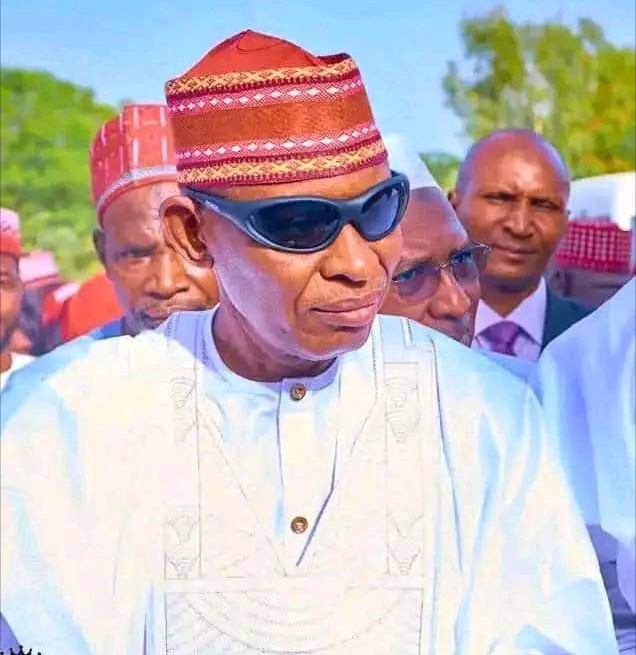
The Kano State Government has directed all civil servants who have attained their statutory retirement age or completed the required length of service to immediately vacate their offices and hand over government property in their possession.
KANO FOCUS reports that the directive was contained in Circular issued on Tuesday by the Establishment Directorate, Office of the Head of Civil Service, Kano State.
The circular, signed by the Permanent Secretary, Establishment, Abba A. Danguguwa, on behalf of the Head of Civil Service, was titled: “Unauthorized Continuance in Service After Statutory Retirement by Civil Servants in Ministries, Departments and Agencies (MDAs) of Government – Call for Immediate Handing Over of Official Documents, Properties.”
The government said it had observed that some civil servants continued to remain in office and operate in official capacities after reaching their statutory retirement period.
According to the circular, such conduct was a “negation to the reputation of the Civil Service of Kano State,” noting that the service had a long-standing tradition of ensuring seamless transition by retiring civil servants.
It described the continued stay in service after retirement as a direct infraction and aberration of relevant provisions of the State Civil Service Rules and other applicable service regulations.
The government stressed that it was legally and administratively untenable for any officer to remain in service or perform official functions beyond the statutory limit.
Consequently, all civil servants who had retired either by age or length of service were directed to immediately exit and hand over all official documents, government property and duties to their immediate subordinates in their respective ministries, departments and agencies.
The circular also directed all Accounting Officers, including Permanent Secretaries and Chief Executives, as well as Directors of Administration and Personnel Management, to ensure strict and immediate compliance with the directive.
It warned that any officer found aiding, abetting or condoning the continued stay of a retired officer in service would face appropriate disciplinary action in accordance with the Civil Service Rules.
The directive takes immediate effect, the circular stated.

Nasiru Yusuf Ibrahim
Kano State Governor Abba Kabir Yusuf says his administration has settled approximately N32 billion out of the N48 billion inherited backlog of gratuities and related liabilities owed to retirees in the state.
KANO FOCUS reports that Gov Yusuf disclosed this on Thursday while addressing residents at the 66th Independence Anniversary celebration held at the Sani Abacha Indoor Stadium in Kano.
The governor said the government had also sustained the regular payment of monthly pensions while increasing the minimum monthly pension from N5,000 to N20,000.
He said the welfare of workers and pensioners remained a priority of his administration, citing timely payment of salaries, improved remuneration and measures aimed at strengthening the public service.
According to him, the state has maintained the practice of paying workers’ salaries on or before the 25th of every month while implementing the N71,000 minimum wage for civil servants.
Gov Yusuf also said his administration was sponsoring public servants for professional training, including programmes at the Administrative Staff College of Nigeria (ASCON), to strengthen their administrative and leadership capacity.
He reaffirmed the government’s commitment to building a professional and motivated workforce, while ensuring that the contributions and sacrifices of serving workers and retirees were recognised and treated with dignity.

“As You Sow, So Shall You Reap”: Imam Reminds Muslims of Divine Justice

Kano Govt Orders Retired Civil Servants to Vacate Offices, Hand Over Government Property

Nigeria’s Data Demand Surges 47% as Stakeholders Seek Fresh Investment in Digital Infrastructure

Kano must make government procurement work for made-in-Kano

Kano Settles N32bn Pension, Gratuity Liabilities, Says Gov Yusuf

Kano leads again as NECO successes rise to 74,413
Kano tops states in 2026 NECO results, Governor Yusuf hails students

INEC holds campus debate on elections, democracy at BUK

Kano Govt Suspends Durbar Processions, Horse Riding in Metropolis

