
Headlines
Indonesian scholar proposes waqf model to reform almajiri education in Nigeria

Ibrahim Khalil
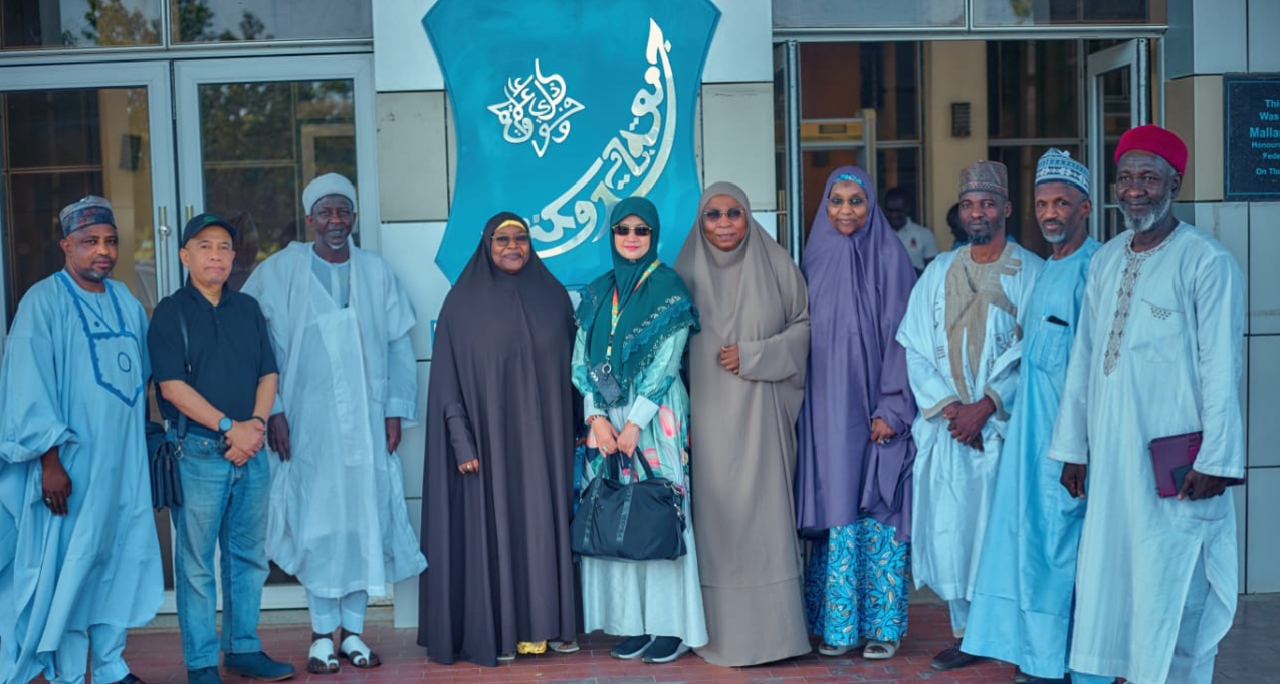
An Indonesian Islamic scholar and philanthropist, Dr Umi Waheedah Bint Abdul Rahman, has called for the adoption of a sustainable Waqf-based model to transform Almajiri education, tackle poverty and equip vulnerable children with vocational and entrepreneurial skills.

KANO FOCUS reports that Waheedah made the call on Friday, while delivering a public lecture titled, “Sustainable Community Empowerment through Waqf: Experiences, Lessons, and Prospects,” at the CBN Centre of Excellence, Bayero University, Kano.
According to a statement by Bayero University Kano’s Director of Public Affairs, Lamara Garba, the scholar shared her experience of establishing Islamic boarding schools in Indonesia that combine free education with vocational training, entrepreneurship and income-generating investments.
She explained that Waqf, an Islamic charitable endowment, could serve as a sustainable economic mechanism for financing education, creating employment and reducing poverty when supported by productive investments and effective management.
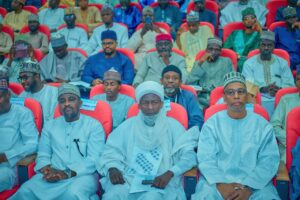
Participants at the occasion
Waheedah recalled that she and her late husband established the free Islamic boarding school initiative in 1998 during a period of economic and social hardship, with the objective of providing disadvantaged children with access to education and essential social services.
The schools provide free education, food, accommodation and healthcare, offering a model for addressing multiple dimensions of poverty while protecting the dignity and future of vulnerable children.
According to her, the initiative had expanded to accommodate approximately 23,000 students by 2010, covering levels from early childhood education to university. Following her husband’s death that year, the programme was streamlined to serve about 15,000 students.
She said taking over the institution presented enormous financial challenges, including accumulated debts and unpaid staff salaries.
To sustain the schools and meet outstanding obligations, Waheedah disclosed that she sold her personal jewellery and vehicles while preserving the Waqf assets that supported the institution.
The experience, she said, reinforced the importance of protecting endowed assets while managing them productively to generate sustainable income.
The institution’s investments include rice fields, rice-processing factories, coffee farms, timber plantations, a bread factory and other agricultural and commercial ventures.
She disclosed that the organisation, which initially operated 25 business units, eventually expanded to 73.
Waheedah argued that Waqf should not be regarded merely as a channel for charitable donations but as an economic system capable of generating the resources required to sustain social services over the long term.
She explained that combining Islamic endowments with social entrepreneurship, sound business management and vocational education had enabled the institution to finance educational services while equipping students with practical skills for independent living.
The model integrates agriculture, food production, energy, water management and waste recycling to reduce operating costs, generate additional revenue and provide practical learning opportunities.
Its businesses include rice processing, noodle production, soya milk manufacturing, farming, fisheries, livestock and poultry production. The organisation also operates a poultry enterprise with 10,000 laying chickens and produces animal feed to support its agricultural activities.
On environmental sustainability, the scholar explained that food waste was converted into larvae for feeding poultry and fish, while discarded plastics, eggshells, sweet wrappers and other materials were recycled into yarn, crafts, ornaments and paving blocks.
The initiative’s philosophy, she said, was captured in its motto: “There’s no trash, but cash.”
Students also participate in producing items such as caps, soap, socks and other goods for institutional use and commercial sale. Some products, including traditional caps known as *kofia*, have reached international markets such as Senegal.
Beyond generating income, the activities expose students to production, marketing, business management and entrepreneurship.
Waheedah said the institution provides vocational training in agriculture, fisheries, sewing, beauty-product production and other trades, enabling learners to combine formal and religious education with practical competencies.
She stressed that the ultimate objective was to prepare young people to become job creators rather than depend solely on paid employment, charitable donations or government assistance.
The scholar urged Nigerian communities, particularly in Northern Nigeria, to adapt the model to local circumstances as part of efforts to address the challenges facing Almajiri education.
She maintained that communities could make meaningful progress without relying exclusively on government intervention by organising their resources, skills and assets around clearly defined development priorities.
Waheedah also disclosed that the organisation receives support from the Central Bank of Indonesia to establish businesses within Islamic boarding schools across the country, particularly in drinking-water production, waste recycling and biogas generation from cow waste.
She expressed interest in promoting similar partnerships in Nigeria to support Almajiri schools through collaboration among financial institutions, universities and Islamic organisations.
Under the proposed arrangement, she explained, financial institutions could provide funding, universities could contribute research and technical expertise, while Islamic organisations could coordinate implementation within their communities.
Earlier, the Vice-Chancellor of Bayero University, Kano, Professor Haruna Musa, represented by the Deputy Vice-Chancellor (Academics), Professor Ahmad Muhammad Tsauni, said the model offered opportunities to address poverty, educational disadvantage, unemployment and other social challenges.
He noted that Nigeria continued to grapple with out-of-school children, youth unemployment, orphanhood and the displacement of vulnerable populations, stressing that Waqf could provide sustainable responses when managed with transparency, accountability and a clear development strategy.
Musa said the university would collaborate with Waheedah by providing postgraduate fellowships for the study of her development model and exploring institutional partnerships to promote research, knowledge exchange and practical application.
He also disclosed that the university had concluded plans to offer the guest lecturer a pro bono appointment to engage with students virtually and share her experience.
The chairman of the occasion, Dr Sirajo Salisu, Managing Director and Chief Executive Officer of Summit Bank Limited, pledged support for outstanding graduates and offered professional mentorship to students.
Salisu said the bank planned to provide automatic employment over the next five years to the best graduating male and female students in Islamic Banking and Finance or Economics, subject to the university’s decision on the selection arrangement.
He also offered to engage voluntarily with undergraduate and postgraduate students every two weeks to share professional experience and prepare them for future career opportunities.
In her contribution, Professor Binta Tijjani Jibril, a former Director of the International Institute of Islamic Banking and Finance, advocated an integrated Almajiri education system that combines Qur’anic instruction with vocational training, entrepreneurship and professional education.
She said school-based enterprises could generate income, reduce operating costs and equip learners with practical skills, while stronger governance and community participation would improve the sustainability of Almajiri institutions.
Jibril also identified digital and financial technologies as opportunities for mobilising resources, strengthening accountability and extending the model to communities with limited resources.
Similarly, the Director-General of Economic and Social Reforms Coordination in Gombe State, Dr Abdullahi Abubakar Lamido, called for practical measures to translate Waqf principles into sustainable solutions for education, healthcare, employment generation and community development.
Lamido noted that Islamic history offered examples of charitable endowments being used to meet public needs, urging individuals, families and communities to organise their charitable contributions around specific development priorities.
The discussions highlighted the potential of Waqf-based investments, vocational education and institutional partnerships to provide a sustainable framework for reforming Almajiri education and expanding opportunities for disadvantaged children in Nigeria.







Nasiru Yusuf Ibrahim
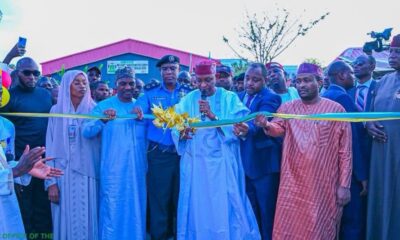
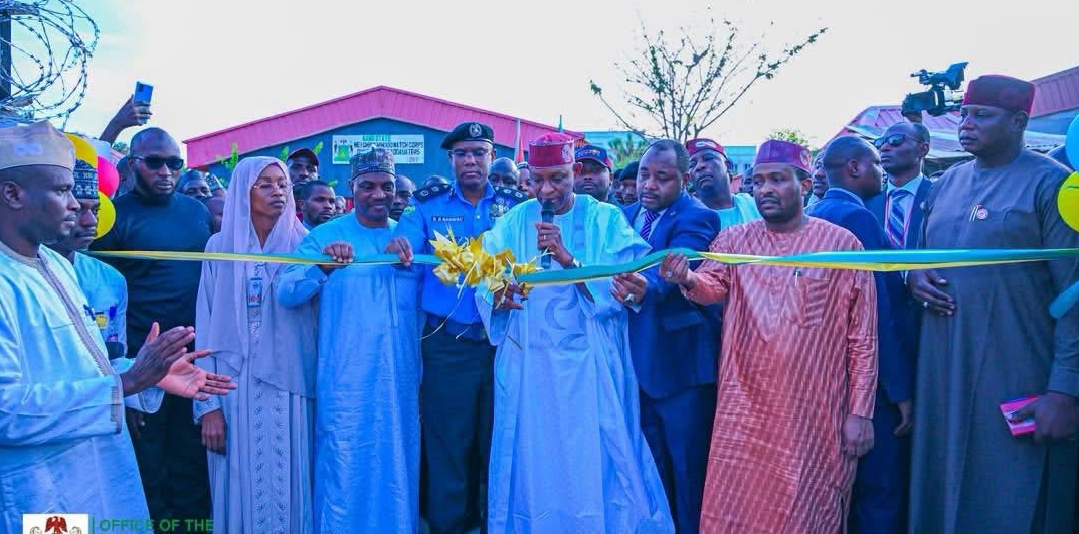
Kano State Governor, Abba Kabir Yusuf, has commissioned a Quick Response Squad of the Multi-Agency Task Force on Drug Abuse and Illicit Trafficking, alongside operational equipment worth hundreds of millions of naira, as part of efforts to intensify the fight against drug abuse, thuggery and illicit trafficking.
KANO FOCUS reports that the commissioning took place on Thursday, marking another step in the state government’s efforts to tackle substance abuse through enforcement, rapid response, rehabilitation, skills acquisition and reintegration of affected persons into society.
Speaking at the ceremony, Gov Yusuf expressed satisfaction with what he described as progress recorded in the fight against drug abuse across the state.
“I am the happiest man in Kano today as we continue to push drug abuse down to the barest minimum,” he said.
The governor said the newly established squad would strengthen the operational capacity of the task force by enabling it to respond promptly to reports, drug-related incidents and emerging threats associated with illicit trafficking.
He explained that the provision of operational equipment was part of his administration’s commitment to equipping relevant agencies with the necessary tools to address the drug menace.
Gov Yusuf, however, stressed that the campaign should go beyond arrest and prosecution, noting that rehabilitated persons must be given opportunities to acquire skills and engage in legitimate economic activities.
He said the government would sustain skills acquisition and apprenticeship programmes to keep rehabilitated persons meaningfully engaged and reduce the risk of relapse into drug use and other criminal activities.
The governor commended the chairman and members of the task force for their dedication and commitment, saying the achievements recorded within a relatively short period demonstrated the importance of collaboration among government agencies and other stakeholders.
Accompanied by the Speaker of the Kano State House of Assembly, Jibril Ismaila Falgore, and other senior government officials, Gov Yusuf inspected the newly commissioned facility and the equipment procured for the task force.
In his remarks, the Chairman of the Multi-Agency Task Force on Drug Abuse and Illicit Trafficking, Barr Muhyi Magaji Rimin Gado, said the Quick Response Squad and the newly acquired equipment would enhance the agency’s capacity to respond effectively to drug-related challenges.
He reaffirmed the task force’s commitment to sustaining its operations against substance abuse and illicit trafficking, assuring the governor that it would not relent in carrying out its mandate.
Barr Rimin Gado expressed appreciation to the governor for providing political and operational support, which he said had strengthened the task force’s activities.
He noted that tackling drug abuse required collective responsibility, involving government institutions, security and regulatory agencies, traditional and religious leaders, parents, communities and educational institutions.
The chairman pledged that the task force would sustain its preventive, enforcement, rehabilitation and reintegration programmes while strengthening collaboration with relevant stakeholders to reduce substance abuse and illicit drug trafficking in the state.

Nasiru Yusuf Ibrahim
Nafisah Yusuf Hassan, a magistrate in Kano State, has been recommended for appointment as a judge of the Kano State High Court by the National Judicial Council (NJC).
KANO FOCUS reports that Hassan is among four judicial officers from Kano State recommended for elevation to the High Court bench out of 28 candidates selected nationwide.
The other nominees are Halima Yahuza Ahmad, Abdullahi Abdulsalam Bature and Musa Ibrahim Umar.
The NJC disclosed the recommendations in a statement issued by its Deputy Director of Information, Kemi Babalola-Ogedengbe, following its consideration of candidates for judicial appointments across the country.
The council said all recommended candidates were expected to be sworn in by their respective state governors without delay.
Hassan’s recommendation follows her years of service in the Kano State judiciary, where she has reportedly distinguished herself through diligence, professionalism and careful handling of cases.
She has been commended for her commitment to judicial ethics, diligence and fairness in the discharge of her responsibilities, achievements that contributed to her career progression within the judiciary.
Her elevation is part of a broader development in the Kano State judiciary, with four magistrates from the state successfully scaling the selection process for appointment to the High Court.
The four nominees were reportedly assessed during the selection exercise and demonstrated strong professional competence, while their service records were found to be free of adverse remarks.
Their recommendation marks a significant step in their judicial careers and is expected to strengthen the judicial workforce in Kano State upon their formal appointment.
Nasiru Yusuf Ibrahim
The Kano State Accountability Forum on Education (K-SAFE) says it has tracked nearly 1,000 education projects across the state as part of efforts to promote transparency, accountability and effective service delivery in the education sector.
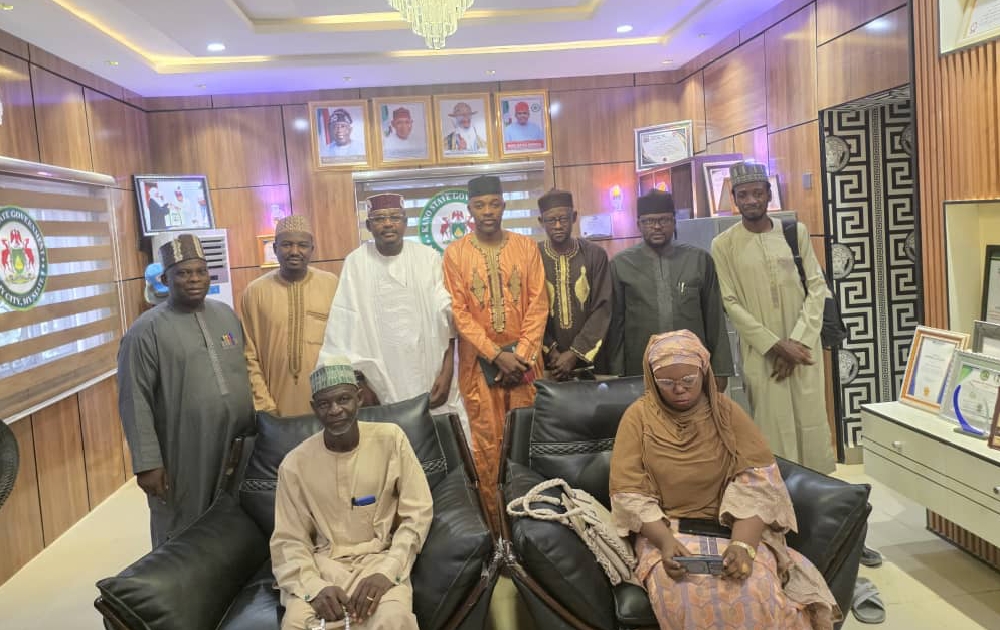
KANO FOCUS the coalition’s Co-Chair, Dr Auwalu Halilu, disclosed this on Wednesday during an advocacy visit to the Kano State Ministry of Public Procurement and Project Monitoring.
Dr Halilu said K-SAFE had monitored projects in more than six local government areas, covering interventions implemented by the State Universal Basic Education Board (SUBEB), Kano State Senior Secondary Education Management Board and Local Education Authorities (LEAs).
He explained that the monitoring exercise involved physical inspections and documentation of projects through photographs, videos and geographical locations.
According to him, reports of the findings had been submitted to relevant ministries, departments and agencies (MDAs), highlighting projects that met required standards and those requiring further attention.
He cited Rimin Gado Local Government Area, where the coalition tracked more than 80 education projects, adding that it planned to extend the exercise to all 44 local government areas of the state.
The K-SAFE Co-Chair said the visit was aimed at presenting the coalition’s activities to the ministry and exploring areas of collaboration in procurement and project monitoring.
He called for the inclusion of civil society organisations in procurement and monitoring processes, particularly tender board activities and field inspections, to strengthen independent oversight and provide them with firsthand information on government projects.
Dr Halilu also requested the ministry’s support in organising capacity-building programmes for civil society organisations on procurement procedures, due process, project standardisation, monitoring and evaluation.
He said such training would enhance civil society organisations’ understanding of procurement regulations and the technical requirements guiding project implementation.
Responding, the Commissioner for Public Procurement and Project Monitoring, Dr Nura Iro Ma’aji, welcomed the delegation and acknowledged the coalition’s contributions to supporting the state government’s efforts in the education sector.
He expressed the ministry’s readiness to collaborate with K-SAFE through information sharing and other relevant engagements to strengthen accountability and ensure compliance with due process.
“From our side, we are ready to work together because we know what they have been doing to support Kano State Government in the education sector,” he said.
Dr Halilu further disclosed that the coalition and its partner organisations had carried out the monitoring exercise without financial sponsorship, describing it as a demonstration of their commitment to transparency and accountability.
He reaffirmed K-SAFE’s commitment to sustaining engagement with relevant government agencies, civil society organisations and the media to strengthen oversight of education projects across Kano State.

Mother of former Kano NUJ chairman Abbas Ibrahim dies at 91

Kano commissions Quick Response Squad to tackle drug abuse, thuggery

Nafisah Yusuf Hassan, three others recommended for appointment as Kano high court judges

K-SAFE tracks nearly 1,000 education projects in Kano, seeks procurement monitoring role

GSS Army Day Bukavu Wins Maiden Kano Secondary Schools Tug of War Championship

Indonesian scholar proposes waqf model to reform almajiri education in Nigeria

Veteran NTA manager Dahiru Biso loses wife at 58

Two suspected bandits killed, N10m ransom recovered in Kano

Gov Yusuf Joins APC Leaders at Kaduna Presidential Campaign Flag-Off as Kano Delegation Draws Attention

