
News
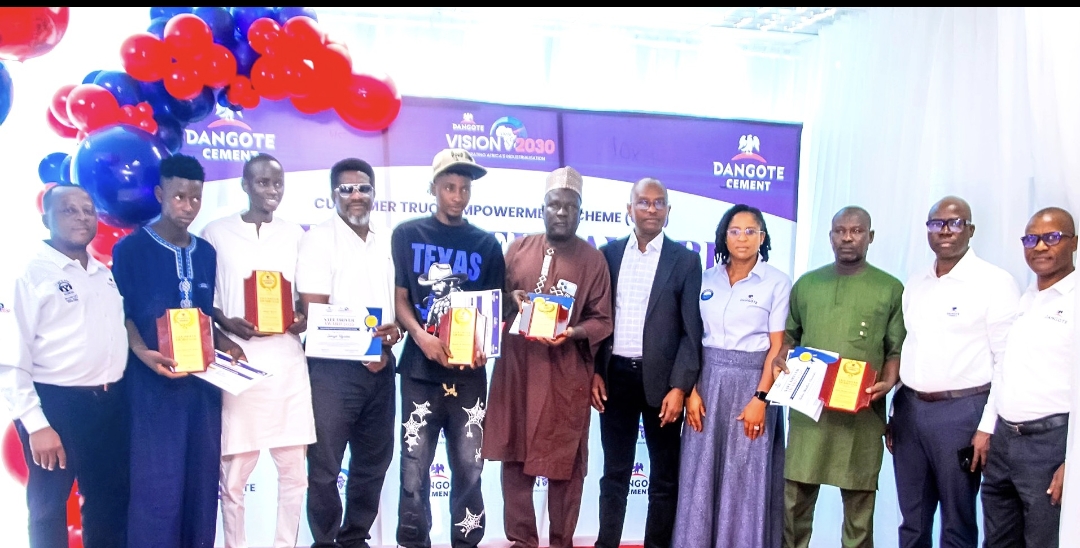
Dangote Cement records 60% drop in road accidents, honours 35 drivers

Nasiru Yusuf Ibrahim
Dangote Cement Plc says it has reduced road traffic accidents involving its distribution operations by 60 per cent following sustained investment in driver training, safety monitoring and performance-based incentives.

KANO FOCUS reports that the company disclosed this on Tuesday in Abuja at the 2026 Customer Truck Empowerment Scheme (CTES) awards ceremony, where it honoured 35 outstanding drivers selected from more than 2,500 vehicles operating under its Customer Truck Scheme nationwide.
Five of the award recipients were drawn from the North Central region and recognised for their exceptional safety records and responsible driving practices.
The ceremony, themed “Rewarding Safety Excellence for Safer Roads,” brought together company officials, drivers and representatives of the Federal Road Safety Corps (FRSC).
Speaking on behalf of the company, its National Sales Director, Dolapo Ali, said the expansion of Dangote Cement’s distribution network had made effective road safety management increasingly important.
He said the company’s latest safety performance followed an earlier 30 per cent reduction in road accidents recorded in 2023 after the introduction of its Safety Improvement Plan.
According to him, the plan was introduced in early 2023 following an increase in road traffic accidents in 2021 and 2022.
Ali said the intervention included specialised defensive driving training for about 3,000 truck drivers, alongside regular monitoring, supervision of driving behaviour and corrective measures.
He added that the company had also introduced incentives to encourage responsible driving and strengthen compliance with safety standards.
“While our business continues to grow, we must equally strengthen our responsibility to the people and communities along the routes on which we operate. Every additional truck on the road comes with an obligation to ensure that safety is never compromised.
“The protection of human lives must remain our foremost consideration in every aspect of our transportation activities,” he said.
Ali said the Customer Truck Scheme had grown from an initial fleet of 469 trucks in 2017 to more than 2,500 vehicles, making stronger safety standards and driver management necessary.
Also speaking, the company’s Group Head of Health, Safety and Environment, Ebere Okonkwo, said Dangote Cement maintained a zero-tolerance policy towards road traffic accidents.
She said the company’s safety commitment extended beyond its direct operations to drivers engaged under the Customer Truck Scheme.
Okonkwo said the company continued to strengthen safety through training, awareness campaigns and performance monitoring, urging drivers to consider the consequences of road crashes on their families and society.
In his remarks, the Regional Sales Director, Bankole George, said responsible decisions taken by drivers could save lives, protect families and contribute to safer roads.
The FRSC representative, Ibrahim Zayyan, commended Dangote Cement for investing in the training of customer truck drivers and promoting safe driving practices.
He said the initiative would contribute to improved road safety and a reduction in traffic accidents.

Headlines
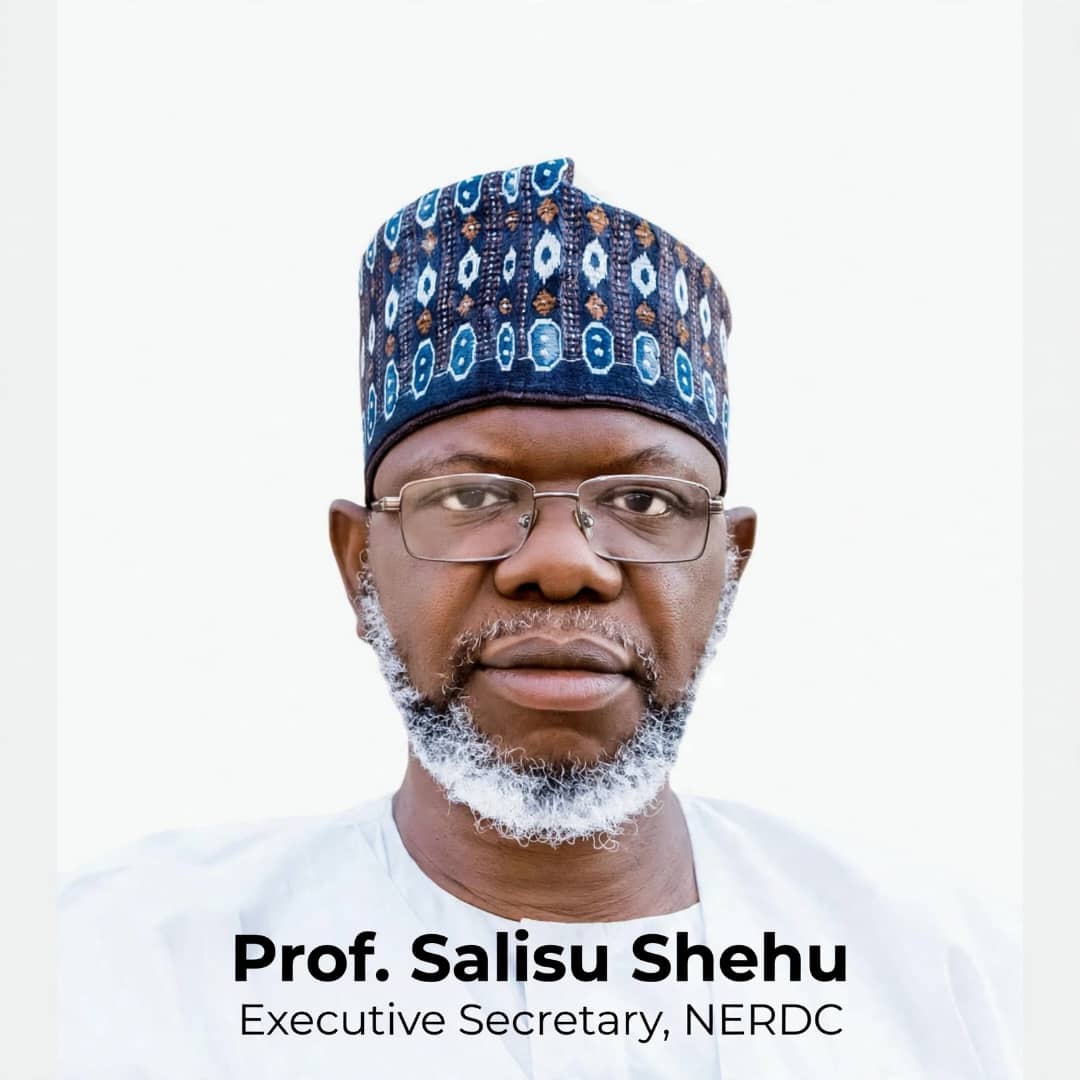
Islamic Forum defends NERDC boss, Prof. Salisu Shehu, over allegations surrounding curriculum reforms
Nasiru Yusuf Ibrahim
The Islamic Forum of Nigeria (IFN) has defended the Executive Secretary of the Nigerian Educational Research and Development Council (NERDC), Professor Salisu Shehu, against allegations and religious profiling over his leadership of the council and the ongoing national curriculum reforms.
KANO FOCUS that the Forum described the allegations as baseless and misleading, insisting that Professor Shehu’s professional record and performance should be assessed on the basis of verifiable facts rather than his religious identity.
In a statement issued on Tuesday and signed by its Acting Executive Secretary, Dalhatu Muhammad Gwarzo, the organisation said attempts to portray Shehu’s religious background and scholarly contributions to Islamic thought as evidence of an alleged hidden agenda at NERDC were unfair.
It said public institutions and their leaders could be scrutinised, but such assessments should be guided by facts, objectivity and national interest.
The Forum said Shehu’s appointment by President Bola Tinubu in December 2024 was based on his academic and administrative experience, describing him as a professor of Educational Psychology at Bayero University, Kano, with a doctorate from Usmanu Danfodiyo University, Sokoto.
It cited his previous positions at Bayero University, including pioneer Director of the Institute of Continuing Education and pioneer Dean of the School of Continuing Education, where it said he helped expand access to higher education for working-class and non-traditional learners.
The organisation also highlighted his tenure as Director of the Centre for Islamic Civilization and Interfaith Dialogue at the university, saying he promoted religious harmony, interfaith dialogue and peaceful coexistence.
It further cited his service as pioneer Vice-Chancellor of Al-Istiqamah University, Sumaila, Kano State, where it said he oversaw the institution’s take-off, secured regulatory approvals and established academic programmes.
According to the Forum, Shehu also served for a decade as Executive Secretary of the Islamic Forum of Nigeria and as Deputy Secretary-General of the Nigerian Supreme Council for Islamic Affairs before focusing fully on his national assignment in 2025.
On his performance at NERDC, the organisation said Shehu had initiated institutional reforms, including the refurbishment and reactivation of the council’s printing press at its South-West Zonal Office in Lagos.
It also cited the modernisation of the NERDC library and the establishment of an Academic Programmes Committee to strengthen educational research.
On the controversial national curriculum reforms, the Forum said the review followed the council’s statutory multi-stakeholder process across the six geopolitical zones.
It explained that curriculum development involved subject specialists, educators and representatives of different religious and regional backgrounds, with the process subject to institutional and ministerial approval.
The revised curriculum, it said, was designed to reduce subject overload, strengthen core competencies and practical vocational skills, and reintroduce Nigerian History alongside Citizenship and Heritage Studies.
The Forum also said Shehu had maintained a zero-tolerance approach to administrative malpractice, including issuing public disclaimers against fraudulent schemes seeking to exploit the curriculum review exercise.
It urged media organisations, commentators and members of the public to examine the approved national curriculum and assess the NERDC chief based on his competence, character and performance.
The organisation reaffirmed its confidence in Shehu’s integrity and commitment to an inclusive education system, saying Nigeria’s education reforms required experienced scholars and administrators.
Nasiru Yusuf Ibrahim
The World Health Organisation (WHO) and the United Nations Children’s Fund (UNICEF) have commended the Kano State Government for its investment in healthcare infrastructure and efforts to improve access to medical services across the state.
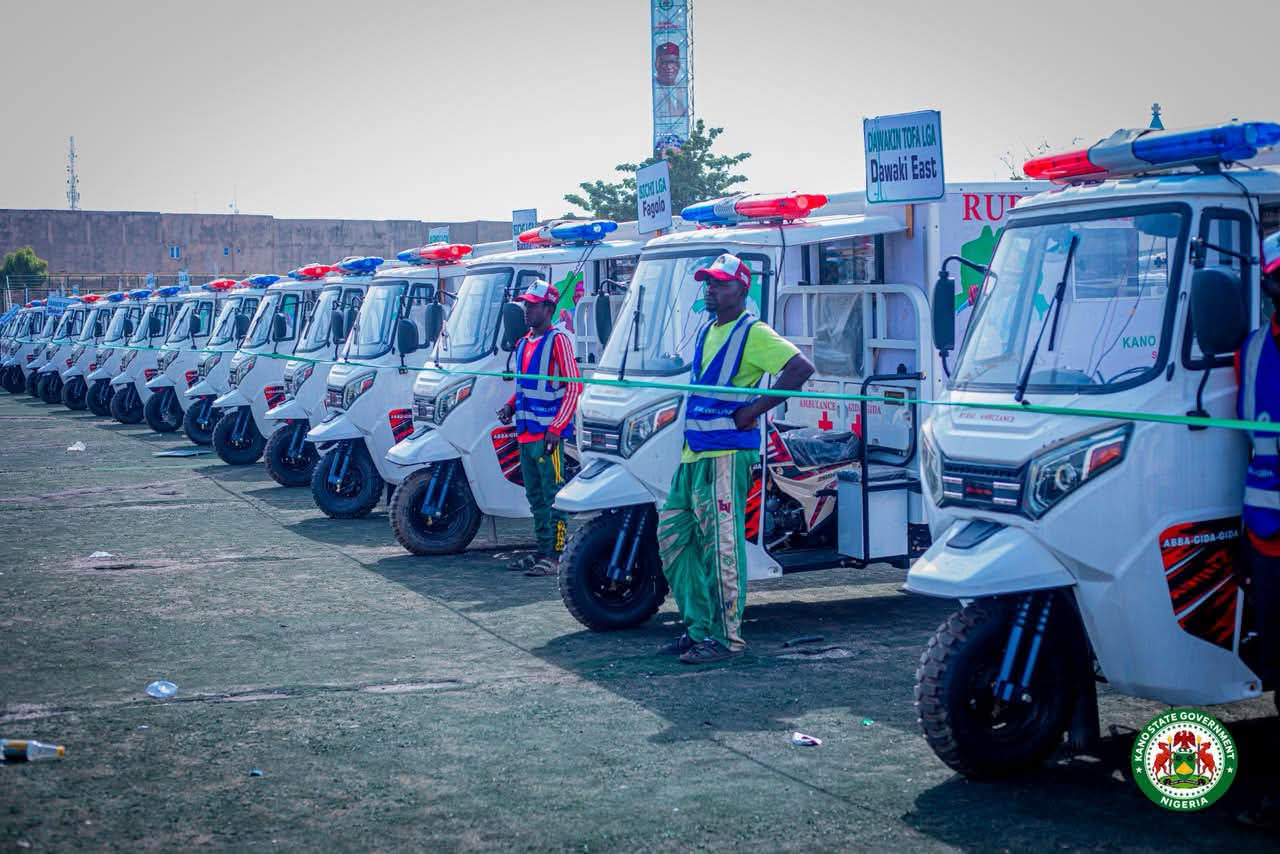
KANO FOCUS reports that the agencies gave the commendation on Tuesday during the launch of the One Ward, One Ambulance initiative, under which the state government distributed 484 specially designed tricycle ambulances to political wards across the 44 local government areas.
The initiative, also known as the Abba Gida-Gida Rural Ambulance Service, is aimed at improving emergency medical transportation, particularly in rural communities where conventional ambulances may struggle to navigate difficult terrain.
The WHO representative, Sunusi Abubakar Mayana, praised the administration of Governor Abba Kabir Yusuf for prioritising healthcare delivery, saying development partners remained committed to supporting government policies and mobilising resources to improve health services.
Similarly, the UNICEF representative, Muhammadu Damish, acknowledged the government’s investment in the sector, describing improvements in healthcare personnel and service capacity as important steps towards expanding access to quality medical services.
The representatives also highlighted the potential of the ambulance initiative to improve emergency transportation for pregnant women, children, accident victims and other vulnerable groups.
Speaking at the event, Governor Yusuf said the initiative was designed to bridge the gap between rural communities and healthcare facilities, noting that timely transportation of patients was critical to an effective healthcare system.
He explained that the tricycle ambulances were specially designed to navigate difficult rural terrains and reach communities where conventional ambulances might face accessibility challenges.
The governor said his administration had revitalised 320 primary healthcare facilities across the 44 local government areas as part of efforts to strengthen primary healthcare delivery.
He added that the availability of essential medicines in public hospitals had increased from approximately 30 per cent to 97 per cent under his administration.
Yusuf also cited the establishment of the Kano State Centre for Disease Control as part of efforts to strengthen disease surveillance, prevention and emergency response.
He thanked WHO, UNICEF and other development partners for their support, pledging to sustain investments in the health sector and improve access to affordable healthcare, particularly for rural residents.
The 484 tricycle ambulances are expected to strengthen emergency medical transportation across the state’s political wards and improve access to healthcare for residents in hard-to-reach communities.
Nasiru Yusuf Ibrahim
Dr Goni Faruk Umar, President of the Association for the Advancement of the Rights of Nigerian Shareholders (AARNS), has called on financial institutions, policymakers and entrepreneurs in Northern Nigeria to prioritise corporate governance and value-chain financing to unlock the region’s economic potential.
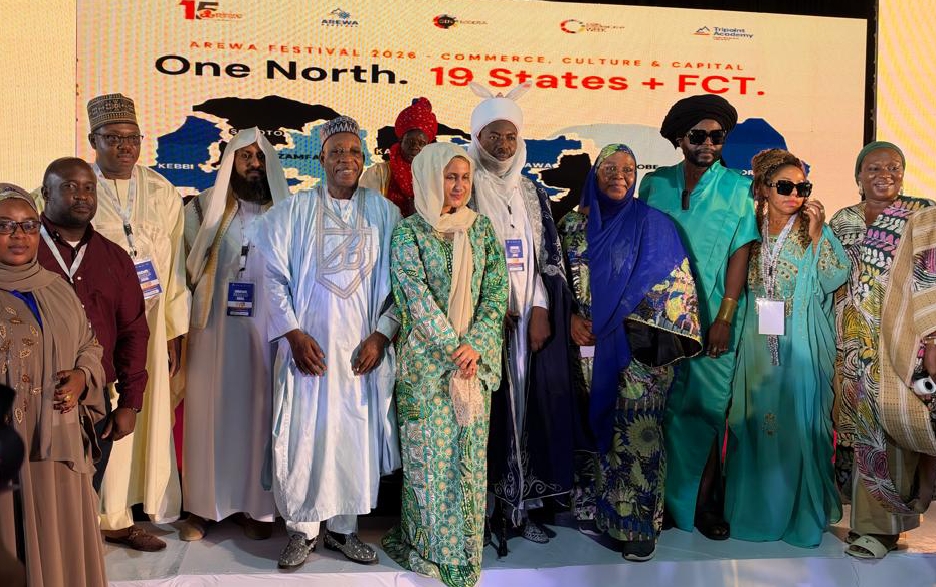
KANO FOCUS reports that Dr Umar made the call while delivering a keynote address at the 2026 Arewa Festival, organised by Tripoint Academy for Tourism and Enterprise Development at the 21 Arena, Arts and Crafts Village, Central Business District, Abuja.
Speaking on the theme, “Placing Northern Nigerian Commerce, Culture, and Capital at the Centre of Economic Development in Nigeria,” he said the region had enormous economic resources that remained largely untapped due to inadequate investment, weak business structures and limited access to long-term financing.
He described Northern Nigeria as an “under-allocated asset class,” arguing that the country could not achieve a resilient trillion-dollar economy without harnessing the productive potential of the 19 Northern states.
He identified the region’s vast arable land, strategic trade corridors and large youth population as major economic assets that could drive national development if properly harnessed.
Dr Umar stressed the need to move beyond the export of raw agricultural commodities by investing in local processing, cold storage facilities and logistics to reduce post-harvest losses and retain more economic value within the region.
He specifically highlighted the Abuja-Kaduna-Zaria-Kano Expressway corridor and the IFAD-AFD Value Chain Programme across nine Northern states as opportunities for expanding agricultural investments and strengthening regional commerce.
On culture and traditional industries, the AARNS president cited the Red Sokoto goat skin and Kano’s leather industry as examples of the North’s potential to compete in international markets.
He said the region needed to invest in local leather finishing, protect intellectual property and develop indigenous luxury and cultural tourism brands capable of attracting foreign exchange.
Dr Umar also identified major obstacles limiting businesses’ access to finance, including mismatches between loan tenures and business needs, high collateral requirements and weaknesses in corporate governance.
He urged small and medium-scale enterprises (MSMEs) and family-owned businesses to formalise their operations, adopt transparent accounting systems and separate personal and corporate finances to attract institutional investments.
According to him, businesses with proper auditing and transparent shareholder structures stand better chances of accessing concessional financing and raising long-term capital through the Nigerian Exchange (NGX).
He also highlighted available financing opportunities, including the African Development Bank’s $102 million SME package, SMEDAN’s N12 billion single-digit financing window and the N500 million funding initiative associated with the Arewa Festival.
“Capital flows where governance is respected. When Northern family businesses and emerging founders adopt clean auditing, separate corporate accounts and transparent shareholder structures, they unlock institutional equity and lower their cost of capital,” he said.
He maintained that Northern Nigeria should not be viewed as a region dependent on government subsidies but as a major economic hub capable of driving national growth through strategic investments.
“Northern Nigeria is not a peripheral market waiting to be subsidised; it is an under-allocated asset class,” he said.
“When Northern culture creates global demand, Northern commerce organises the supply chain, and smart capital fuels the scale, Northern Nigeria does not just participate in Nigeria’s economic development—it leads it.”
Dr Umar, a former Chairman of the Arewa Consultative Forum (ACF), Kano Chapter, is an advocate of corporate governance, capital market development and shareholder protection.

Islamic Forum defends NERDC boss, Prof. Salisu Shehu, over allegations surrounding curriculum reforms

WHO, UNICEF commend Kano govt over healthcare projects, 484 tricycle ambulances

Dangote Cement records 60% drop in road accidents, honours 35 drivers

Dr Faruk Umar urges Northern businesses to embrace corporate governance, value-chain financing

Dangote Coal awards scholarships to 42 students, pays annual surface rent in Kogi

Uganda woos Dangote for $billions oil refinery, fertiliser, salt investments

Governor Yusuf swears in six commissioners, three advisers, 19 permanent secretaries

Gov Yusuf Nominates Spokesperson, Sunusi Bature Dawakintofa as Commissioner

Kano Association of Persons with Disabilities Affirms New State Executive Through Consensus
