
Headlines
Kano’s Education State of Emergency: The Successes, The Challenges


By Abdullahi Yusuf
By some definitions,education is both the act of imparting knowledge to others and the act of receiving knowledge from someone else. Scholars have also defined education as the knowledge received through schooling or instruction.
Education plays a very important role in the life of a person as it trains,equips and prepares him or her to face and surmount the challenges of life.

This essential sector has, however, suffered neglect in Kano State,over the years, with primary schools and secondary schools sustaining dilapidated classrooms, dearth of furniture, teachers and instructional materials, among other challenges.
This apparent decay in the sector prompted the administration of Governor Abba Kabir Yusuf to declare a State of Emergency to arrest the situation and restore the lost glory of education in the state.
While declaring the State of Emergency in the sector on June 8,2024, Governor Abba Kabir Yusuf said inter alia:”As your elected Governor entrusted with the solemn responsibility of steering our state towards prosperity and progress, I cannot ignore the glaring reality that confronts us in the realm of education.
“With education being our number one priority, and believing that education is not only a public good, but also the greatest asset that any people can bequeath to its upcoming generation because no people can grow beyond the quality and standard of their education system, we must, therefore, take radical but practical measures to reposition education provisioning in our State.
“Nearly four out of every five classrooms in our primary and junior secondary schools are marred by dilapidation and disrepair, rendering them unsuitable for the noble pursuit of knowledge.
“Today, I stand before you to announce the declaration of a STATE OF EMERGENCY in the education sector. A state of emergency, as declared today, is an extraordinary legal measure that allows us to take some bold steps to address these critical challenges swiftly and effectively,” the governor said.
Five months after the commencement of the implementation of the State of Emergency in the all-important sector, members of the Correspondents’ chapel of the Nigeria Union of Journalists(NUJ),Kano Council,set out on a tour of projects being executed by the State Government under the initiative,and their findings were quite revealing as they were educative.
The tour took the Reporters to many primary and junior secondary schools in whose premises a one-storey block of four classrooms each is being constructed across the 44 local government areas of the state to address the challenge of inadequate infrastructure bedeviling the education sector.
The Writers also monitored the provision of furniture and instructional materials as well as the deployment of more teachers as part of the efforts of the Government to respond to the challenges in the sector.
The schools visited included but not limited to Namadi Primary School,Unguwar Jakada in Gwale Local Government Area,Sabon Layi Special Primary School, Bichi,in Bichi Local Government Area, Dawakin Tofa Model Primary School in Dawakin Tofa Local Government Area and Garin Dau Central Primary School in Warawa Local Government Area.
Others include: Hotoro South Special Primary School, Chula Central Primary School in Ajingi Local Government Area,Yelwa Model Primary School in Dala Local Government Area,Ungogo Special Primary School in Ungogo Local Government Area and Kumbotso Special Primary School in Kumbotso Local Government Area.
In virtually all these schools visited,it was observed that the implementation of the State of Emergency has taken shape with the construction of one-storey block of four classrooms reaching advanced level of completion, provision of more furniture and instructional materials and deployment of additional teaching staff.
Another notable development in the schools is the high level of attendance of pupils and teachers, with lessons going on steadily, which,it was gathered, was encouraged by the ongoing efforts of the State Government to improve the standard of education, especially as it was evident in the provision of furniture and teaching aides such as books and writing materials.
Some stakeholders interviewed appreciated Governor Abba Kabir Yusuf for launching the education revival programme.
The stakeholders whom included Sarkin Fulani Dagacin(Village Head) of Kumbotso,
Aminu Iliyasu, described the measure as “bold and timely.”
“The ongoing implementation of State of Emergency in the education sector by the State Government ably led by Governor Abba Kabir Yusuf,is a welcome development as it will address the decay in the sector,”Iliyasu said.
He particularly commended the construction of one-storey block of four classrooms for primary schools across the 44 local government areas of the state, as well as the provision of furniture and instructional materials and deployment of more teachers to primary schools in the state.
On his part, the Headmaster of Kumbotso Special Primary School, Shuaibu Idris, commended the State Government for its provision of more classrooms, furniture and teaching aides to the school.
The gesture,Idris said, would boost teaching and learning in the school,but appealed to the State Government to deploy more of such infrastructure to the school.
Similarly,the Headboy of Yelwa Model Primary School in Dala Local Government Area,Saminu Sunusi, and the Headgirl of the school,Hadiza Ahmed Sulaiman, lauded the introduction of the State of Emergency by the State Government,saying the initiative would boost school enrollment and improve the education sector.
In the same vein, Nura Yusuf,the Headboy of Ungogo Special Primary School in Ungogo Local Government Area,and his counterpart,the Headgirl of the school,Jamila Isa Suleiman,said they were encouraged by the provision of additional infrastructure, teachers and instructional materials under the initiative.
On his part,the Headmaster of Dawakin Tofa Modern Primary School in Dawakin Tofa Local Government Area, Sabi’u Sunusi Idris, commended the State Government for providing furniture, teaching materials,water and toilet facilities in the school, so also Latifatu Jibrin Bichi and Abdulrahaman Idris, both parents of some pupils in the Sabon Layi Primary School,Bichi, who lauded the government for intervening in the education sector.
Like any government work, however,the implementation of the State of Emergency in the education sector is confronted by challenges.These include inadequate furniture, teaching and learning materials, toilet facilities as well as dearth of classrooms and teaching staff in the primary and secondary schools visited.
It was also observed that lack of perimeter fencing, inadequate number of security guards, near total absence of libraries and dispensaries were prevalent in the schools.
These challenges formed part of the testimonies of stakeholders met on ground, including Aminu Iliyasu,the village head of Kumbotso,who said that poverty and hunger are distracting primary school pupils in the area.
Iliyasu lamented that many of the pupils stray away from school and indulge in petty trading and other menial jobs because their parents cannot provide adequate care for them and other members of their respective families.
“Because of the prevailing poverty and hunger in the country, many of the pupils have to indulge in petty trading and other menial jobs so as to complement their families’ income,” he said.
In this situation,the village head said, the parents find it difficult to make any material contribution to the State Government’s efforts to revamp education.
Another major challenge facing the implementation of the State of Emergency as testified by some primary school pupils including the Headboy of Yelwa Model Primary School in Dala Local Government Area,Saminu Sunusi,and the
Headgirl of Ungogo Special Primary School, Jamila Isa Suleiman,is the inadequate number of toilet facilities in the schools.
The pupils complained that the existing toilets in their respective schools are grossly inadequate, forcing them to either do their sanitation at home or defecate in the open.
Dearth of furniture and inadequate number of teaching staff are also part of the major challenges as lamented by the Headmaster of Hotoro South Special Primary School, Habibu Sani, and his Sabon Layi Primary School, Bichi counterpart, Malam Auwal Baduku.
Both Headteachers said shortage of chairs and desks had compelled the pupils to be receiving their lessons on bare floor.
Similarly,the Headmasters said, the low number of teachers had compelled them to ration them between the multitudes of classrooms in their respective schools, which they pointed out,is inimical to the implementation of the State of Emergency programme.
Again,some other Headteachers complained that lack of perimeter fencing had exposed their schools to the menace of trespassers and thieves, which according to them, negate the State of Emergency initiative.
The findings of the tour clearly revealed that in spite of the challenges,the State of Emergency in the education sector as declared by Governor Abba Kabir Yusuf,is working as planned.What is now needed is more vigour in its implementation as requested by the stakeholders.

Nasiru Yusuf Ibrahim
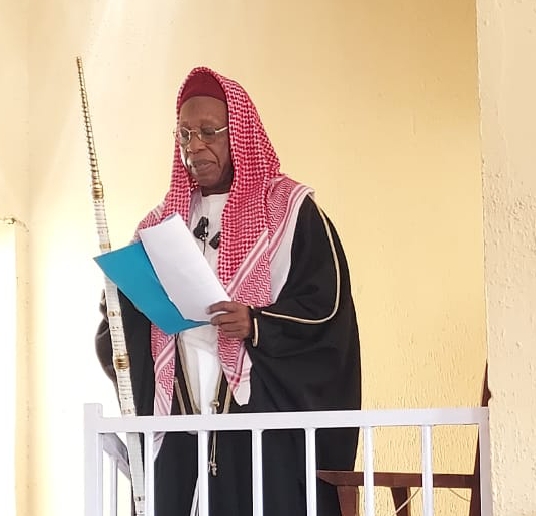
Dr Goni Faruk Umar has urged Muslims to embrace Taqwa in their daily lives, describing it as a foundation of Islam and a key to righteous conduct and success in this world and the hereafter.
KANO FOCUS reports that the Islamic scholar made the call while delivering a Juma’a sermon at the New Juma’a Mosque, Rumfa College, Kano.
In the sermon, Dr Goni Faruk Umar explained the meaning of Taqwa using classical Islamic scholarship, including an account involving Umar ibn al-Khattab and the companion Ubayy ibn Ka’b to illustrate the concept.
According to the account cited in the sermon, Sayyadina Ubayy once asked Khalifa Umar bin Khattab whether he had ever walked along a thorny path. When Khalifa Umar bin Khattab answered in the affirmative, Sayyadina Ubayy asked how he navigated it. Khalifa Umar bin Khattab replied that he gathered his clothes and proceeded cautiously to avoid being pricked.
Sayyadina Ubayy then explained that this was the essence of Taqwa: being constantly mindful of one’s actions and carefully avoiding what displeases Allah.
Dr Goni Faruk Umar said Taqwa should not be limited to acts of worship but should also guide Muslims’ conduct in contemporary society, particularly in their use of digital platforms and social media, control of the tongue, and relationships within the family.
He urged worshippers to exercise restraint in their speech, act responsibly online and uphold their obligations to family members in accordance with Islamic teachings.
The cleric also highlighted the spiritual and worldly benefits of Taqwa, including relief from hardship, ease in personal affairs, forgiveness of sins and increased rewards in the hereafter.
Quoting verses from the Qur’an, he cited Allah’s promise in Surah At-Talaq, verses 2 and 3, that whoever fears Him will be granted a way out of difficulties and provided for from sources they could not have anticipated.
He also referred to Qur’an 65:4–5, which promises ease in affairs, the removal of sins and the multiplication of rewards for those who maintain Taqwa.
The scholar reminded Muslims that worldly life is temporary and that the hereafter is their permanent destination. He therefore urged them to regard Taqwa as the best provision for the journey beyond this life.
Citing Qur’an 2:197, he emphasised that the best provision for the hereafter is Taqwa, urging believers to remain conscious of their responsibilities to Allah.
The sermon also featured prayers and salutations upon Prophet Muhammad (peace be upon him), his family and companions, in accordance with the Qur’anic instruction in Surah Al-Ahzab, verse 56.
Dr Goni Faruk Umar concluded by encouraging Muslims to remain steadfast in faith, follow the guidance of the Prophet and make righteousness a guiding principle in their daily lives.
Nasiru Yusuf Ibrahim
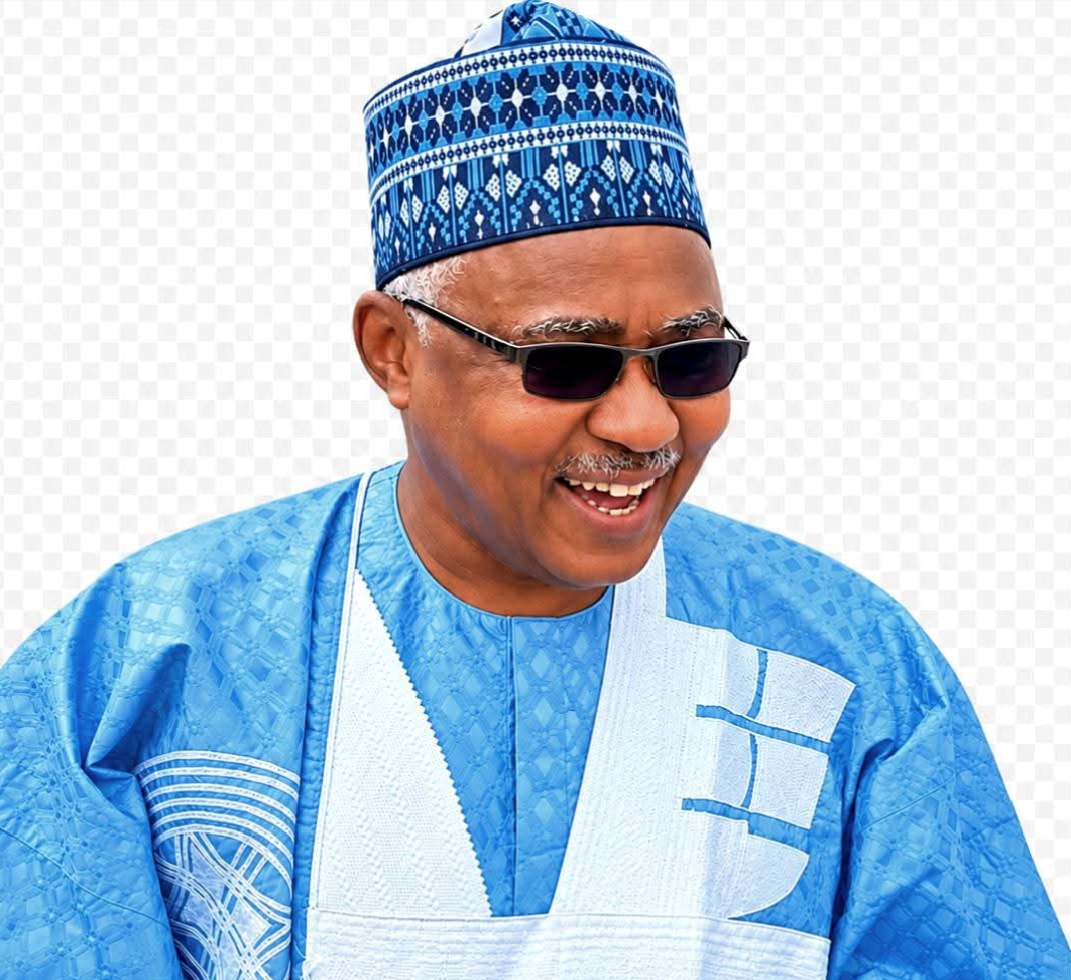
Political allies and loyalists of former Managing Director of the Nigerian Ports Authority (NPA), Arc Aminu Dabo, have begun resigning from the All Progressives Congress (APC) in Kano State following his withdrawal from the ruling party.
KANO FOCUS reports that the supporters, operating under the political group Dabo Alheri Ne, reportedly include members across Kano State’s 44 local government areas.
Barely two days after Dabo announced his resignation from the APC, a prominent stakeholder of the group, Garba Zakiru Dambatta, said members had welcomed the decision and were showing solidarity by submitting their resignation letters to their respective ward party chairmen.
Dambatta, a former APC chairman in Dambatta Local Government Area, said the group’s members were disappointed with what they described as the prolonged marginalisation of Mr Dabo and his supporters within the party.
According to him, despite Mr Dabo’s contributions to the APC and efforts to strengthen the party and manage disagreements among its members, some key stakeholders had continued to sideline him and his loyalists in party activities.
Dambatta reaffirmed the group’s commitment to standing by Mr Dabo’s political decisions and supporting his future political journey.
He also urged the former NPA managing director not to succumb to political pressure or reverse his decision to leave the party.
“This step you have taken, we have the conviction that it is the beginning of a new chapter of goodness in your life,” Dambatta said.
Among the prominent members of the group identified as supporting Mr Dabo’s decision are Abba Rabee’u, a former Senior Special Assistant on Political Awareness; Almustapha Jilani Danmalam, a former Senior Special Assistant on Education; Jamilu Abdullahi Zangon-Mata, a former Senior Special Assistant on Entrepreneurship; and Fahd A. Dabo, a former Special Assistant on Youth Mobilisation.
The individuals reportedly served during the second term of former Kano State Governor Abdullahi Umar Ganduje.
The group also said several other party loyalists and supporters were backing Dabo following his resignation.
However, the statement did not provide the number of members who had formally resigned from the APC or indicate whether the party leadership had responded to the development.

Nasiru Yusuf Ibrahim
Five players of Kano Pillars Amputee Football Club have been invited to the national camp of Nigeria’s Special Super Eagles ahead of the 2026 Amputee Football World Cup in Mexico.
KANO FOCUS reports that invited players are Isah Yusuf, Abba Musa, Habu Friday, Emanuel Betel and Usman Ahmed. They are currently in Abuja with the national team as preparations intensify for the global tournament.
The Team Manager of Kano Pillars Amputee Football Team, Jamilu Uba Adamu, disclosed this in an interview with Ashiru Rabiu Gidan Tudu, Information Officer of the Kano State Sports Commission.
Adamu described the invitation as recognition of the players’ dedication, discipline and outstanding performances.
He expressed confidence that the players would represent Kano State and Nigeria with honour at the championship.
According to him, the call-up also demonstrates Kano Pillars’ commitment to nurturing talented amputee footballers and contributing to the development of the sport in Nigeria.
The 2026 Amputee Football World Cup is scheduled to take place from November 13 to 22 in San Juan de los Lagos, Mexico. A total of 24 countries, including seven African nations, are expected to participate.
The Executive Chairman of the Kano State Sports Commission, Muhammad Tukur Babangida, congratulated the five players on their invitation, describing it as well deserved.
Babangida expressed confidence that they would justify the confidence reposed in them by the national team selectors.
He assured the players of the commission’s continued support and urged them to remain focused, disciplined and committed to making Kano State and Nigeria proud on the international stage.

Dr Goni Faruk Umar calls on muslims to embrace taqwa in daily life

Dabo’s resignation triggers wave of defections from APC in Kano

Five Kano Pillars Amputee Players Invited to Special Eagles Camp Ahead of World Cup

BUK Professor advocates microfinance to tackle food insecurity, poverty

General Elections 2027: Abba Kabir Yusuf traverses the path to victory

Kano leads again as NECO successes rise to 74,413
Kano tops states in 2026 NECO results, Governor Yusuf hails students

Kano Govt Suspends Durbar Processions, Horse Riding in Metropolis

ACF begins Dangote Refinery IPO sensitisation campaign in Kano

