
Headlines
ACF begins Dangote Refinery IPO sensitisation campaign in Kano

Nasiru Yusuf Ibrahim
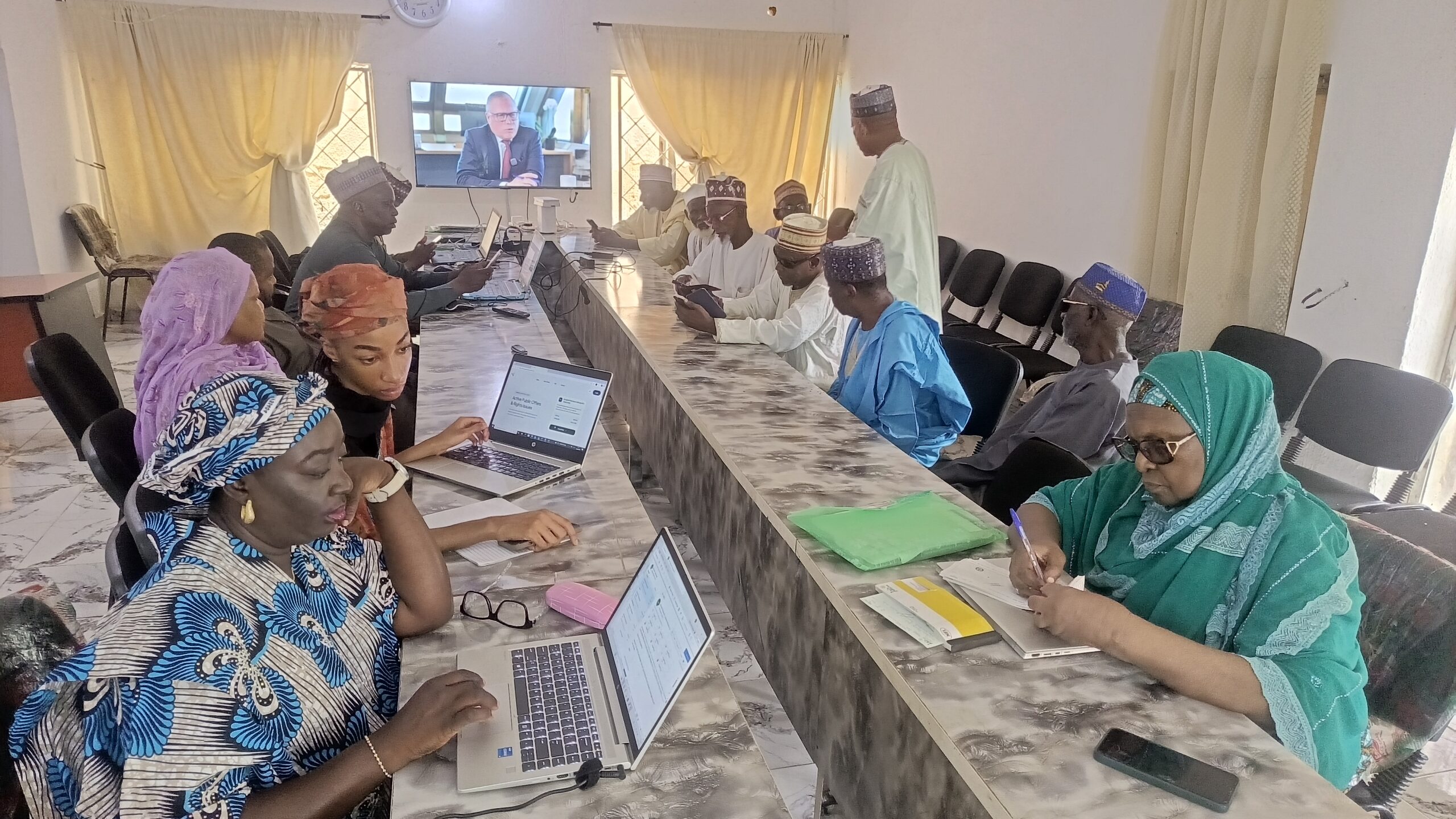
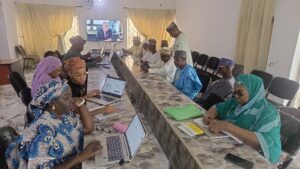
The Kano State chapter of the Arewa Consultative Forum (ACF) has commenced a sensitisation and guidance programme to educate residents on the Dangote Petroleum Refinery Initial Public Offering (IPO).

KANO FOCUS reports that the campaign, which began on Saturday at the ACF secretariat at AHIP House, Maiduguri Road, Kano, is targeting residents, cooperative societies, traders, civil servants and other prospective investors.
Speaking at the programme, Chairman of the ACF Kano State chapter, Dr Goni Faruk Umar, said the initiative was designed to ensure that residents of Kano and the wider northern region were adequately informed about the share offer and the procedures for participating in it.
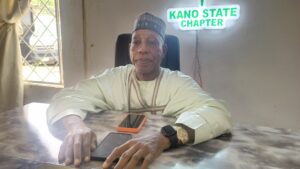
Dr Goni Faruk Umar
He said the intervention was also aimed at helping prospective investors avoid misinformation and fraudulent channels while making decisions about the investment.
“True, generational wealth is preserved when we become equity owners in essential, structural assets that produce what people consume every single day,” Dr Umar said.
He cited the reported performance of other companies associated with the Dangote Group, including Dangote Sugar Refinery Plc and Dangote Cement Plc, as examples of long-term investment opportunities.
According to him, Dangote Sugar Refinery has paid more than N170 billion in cumulative dividends to shareholders since its listing in 2007, while Dangote Cement has distributed more than N3.3 trillion in dividends over the past 15 years.
Dr Umar said the ACF would continue providing information and technical assistance to prospective investors throughout the subscription period.
0-0x0-0-0#
He said licensed stockbrokers and banking partners had been brought into the programme to assist participants with the subscription process, including Bank Verification Number (BVN) validation and applications through digital and physical banking channels.
The ACF chairman also disclosed that he had personally provided financial assistance to about 60 former classmates to enable them to participate in the share offer.
He urged households to consider long-term investment options for their children, while cautioning prospective investors to rely on verified information and legitimate channels.
0-0x0-0-0#
Dr Umar also addressed concerns circulating on social media regarding the refinery’s financial performance. He dismissed claims that the refinery was operating at a loss, citing figures which he said showed substantial revenue and profit.
He said the refinery generated $1.82 billion in the first six months of the year, while its revenue reportedly increased from N9.38 trillion in 2024 to N18.74 trillion in 2025.
He further claimed that the refinery recorded N2.5 trillion in profit after tax during the half-year period.
“So, anyone saying the refinery is running at a loss is simply spreading falsehood,” he said.
The ACF urged prospective investors to study the offer documents and use authorised channels when subscribing to the IPO, rather than relying on unverified information circulating on social media.
The forum said its sensitisation campaign would continue across Kano to provide prospective investors with information on the subscription process before the offer closes.
Some participants said the sensitisation programme had helped address concerns they initially had about the investment.
One of the investors, Sa’a Umar, said she registered through the ACF arrangement after receiving information about the process.
“I came to register here at the ACF office and we pray to benefit. Investment is important, and we encourage others to come here instead of trying elsewhere and making mistakes,” she said.
Another participant, Iliya Ado, said the programme had helped him better understand the process.
“People may not know where to go, or they may be discouraged, but the system is working. I appreciate the early work of the forum. It is a very good initiative for the development of people through investments,” he said.
The sensitisation exercise comes amid interest in the Dangote Refinery IPO, which is being presented as an opportunity for Nigerians to acquire equity in the privately owned refinery.







…Says reliable electricity, job creation key to tackling insecurity
Nasiru Yusuf Ibrahim
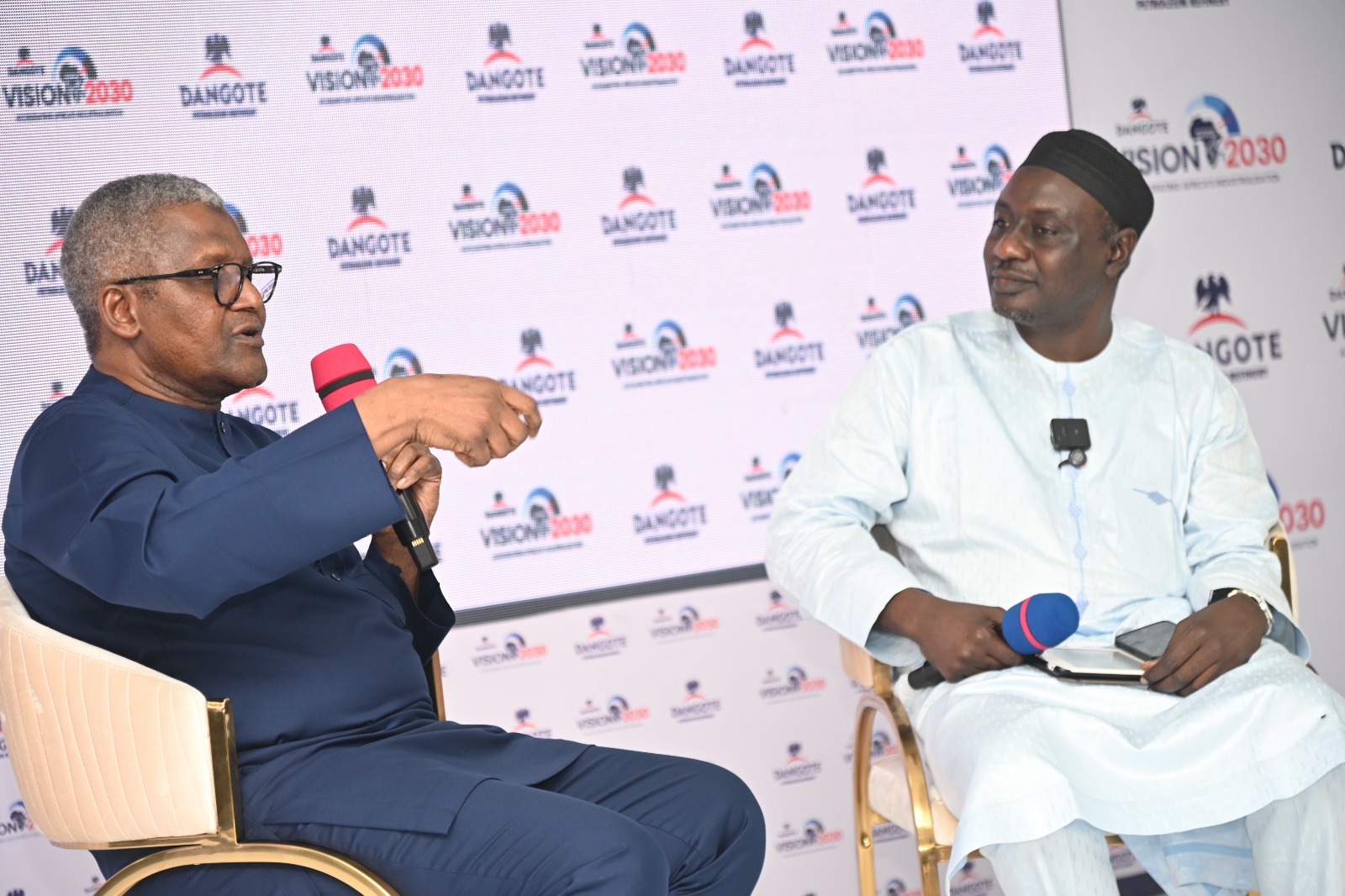
President and Chief Executive of Dangote Industries Limited, Aliko Dangote, has announced plans to increase his group’s investment target in Africa from $50 billion to about $70 billion under its Vision 2030 programme.
KANO FOCUS reports that Dangote also disclosed plans for a 10,000-megawatt power generation intervention across Africa, potentially including Nigeria, as part of efforts to address electricity shortages and accelerate industrial development.
Dangote made the disclosures while addressing creative industry stakeholders from Northern Nigeria, including content creators, journalists, bloggers, entertainers and Kannywood actors.
He said expanding production, creating jobs and ensuring reliable electricity supply were critical to unlocking Nigeria’s economic potential and addressing insecurity.
“We initially planned to invest $50 billion. We are now looking at increasing that to about $70 billion in Africa,” he said.
The industrialist identified inadequate electricity supply as one of the major obstacles to business growth, particularly for small and medium-sized enterprises (SMEs), warning that businesses relying on petrol and diesel generators would find it difficult to remain profitable.
He said the group currently generated nearly 1,500 megawatts of electricity for its operations, adding that the capacity could increase to between 4,500 and 5,000 megawatts by the completion of Vision 2030.
“Across the group, we currently have almost 1,500 megawatts. By the time we complete Vision 2030, that could rise to between 4,500 and 5,000 megawatts,” he said.
“That is captive power—electricity for our own operations. Separately, part of the vision is to intervene in power generation with 10,000 megawatts across Africa, potentially including Nigeria.”
Responding to a question on the economic decisions that could improve the living conditions of ordinary Nigerians, Dangote said electricity was central to the country’s development.
He argued that although individuals and businesses could install alternative power systems such as solar, such measures would not address the wider electricity challenge facing the country.
“Installing solar power for yourself does not mean the wider problem has been solved. Other people may not have that option,” he said.
He described SMEs as essential drivers of economic activity, noting that large companies played an important role in supporting smaller businesses.
“A vibrant economy is driven by small and medium-sized enterprises. Large companies such as ours help sustain those businesses, but SMEs are essential to economic activity. When you generate electricity using diesel or petrol, it becomes very difficult to make money,” he said.
Dangote expressed confidence in Nigeria’s entrepreneurial potential, saying the country had yet to fully harness the opportunities offered by its large economy.
He urged the government to focus on creating an enabling environment through consistent and business-friendly policies, while encouraging private enterprises to invest, expand production and create employment opportunities.
“Government’s principal responsibility is to create an enabling environment through good policies. With the right policies, businesses can invest and create jobs,” he said.
The industrialist also identified agriculture and solid minerals as sectors with significant investment opportunities, particularly in Northern Nigeria.
He, however, called for a shift from exporting raw materials to processing them locally, arguing that value addition would strengthen the economy and reduce dependence on imported finished products.
“It is not only about us; it is about Nigeria and the African continent. We should not simply export raw materials and then buy back the processed products at many times the price. That is the pattern we want to change,” he said.
Dangote said investment in infrastructure, including ports, would help producers access wider markets and improve the country’s capacity to process and export goods.
“Without production, we will continue to face economic difficulties. We must build a productive economy,” he added.
Reflecting on his business journey, Dangote attributed the expansion of his conglomerate to focus, financial discipline and the consistent reinvestment of profits.
He said the group’s transition from trading to manufacturing was driven by its decision to produce goods it already understood, leveraging existing customers, distribution networks and market knowledge.
“The logical next step was backward integration: producing the things we were already importing,” he said.
He also advised entrepreneurs to exercise financial discipline, avoid spending profits before they were realised and be prepared to discontinue ventures that were no longer commercially viable.
“Give it your best effort, but when you do the numbers and they are not adding up, you must be willing to leave,” he said.
Despite the challenges facing businesses, Dangote assured that his group would continue investing, urging smaller enterprises to take advantage of opportunities created by major industrial projects.
“People like us will continue investing. People like you can build businesses around those investments—as suppliers, producers and service providers,” he said.
Headlines
Barau FC engages security expert Jamilu Uba Adamu to strengthen matchday safety ahead of NPFL fixtures
Nasiru Yusuf Ibrahim
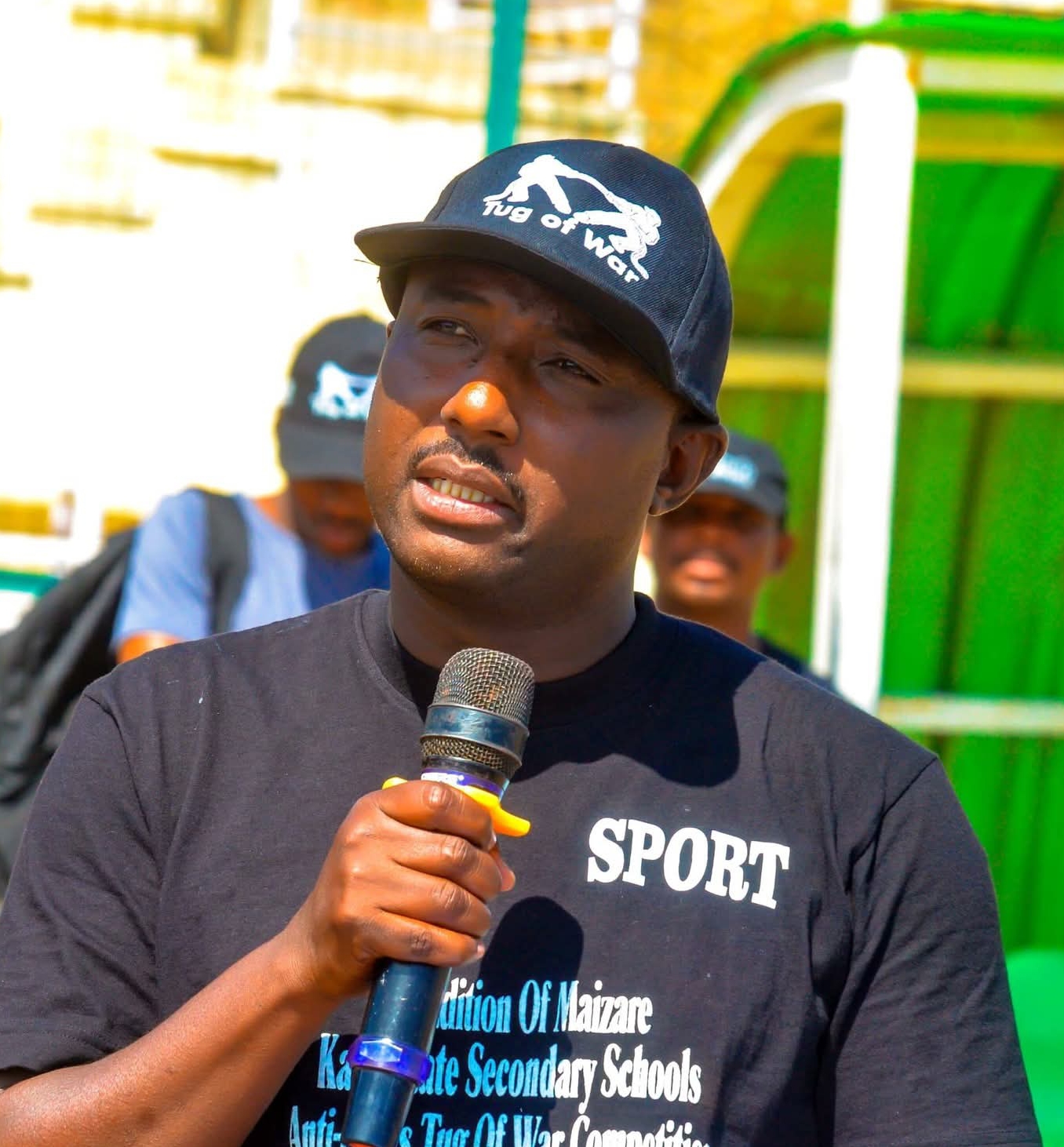
Barau Football Club has engaged a certified football security and safeguarding officer, Jamilu Uba Adamu, to strengthen its security arrangements ahead of upcoming Nigeria Premier Football League (NPFL) fixtures.
KANO FOCUS reports that the club said the move was aimed at improving stadium safety, crowd management and the protection of players, match officials, supporters and other stakeholders during matchdays.
Adamu brings more than 15 years of experience in stadium safety, crowd management and safeguarding, according to a statement issued by the club’s media team.
The club explained that the decision followed a review of its existing security arrangements, which identified the need to strengthen security systems, improve crowd control and ensure the proper deployment of stewards at strategic locations within and around the stadium.
It said Adamu would provide professional guidance, technical expertise and effective security strategies to enhance safety during its home matches.
The club added that the initiative reflected its commitment to providing a safe, secure and well-organised matchday environment in line with NPFL standards and best practices.
Nasiru Yusuf Ibrahim
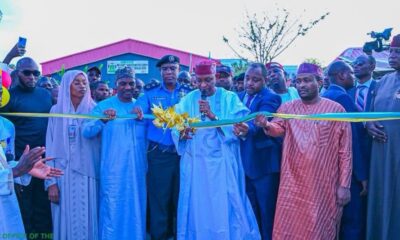
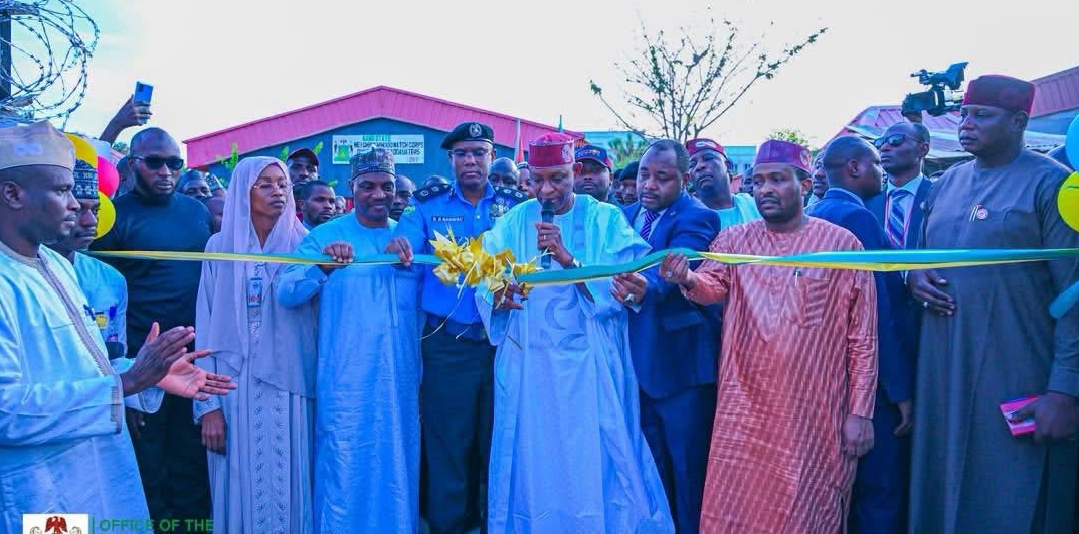
Kano State Governor, Abba Kabir Yusuf, has commissioned a Quick Response Squad of the Multi-Agency Task Force on Drug Abuse and Illicit Trafficking, alongside operational equipment worth hundreds of millions of naira, as part of efforts to intensify the fight against drug abuse, thuggery and illicit trafficking.
KANO FOCUS reports that the commissioning took place on Thursday, marking another step in the state government’s efforts to tackle substance abuse through enforcement, rapid response, rehabilitation, skills acquisition and reintegration of affected persons into society.
Speaking at the ceremony, Gov Yusuf expressed satisfaction with what he described as progress recorded in the fight against drug abuse across the state.
“I am the happiest man in Kano today as we continue to push drug abuse down to the barest minimum,” he said.
The governor said the newly established squad would strengthen the operational capacity of the task force by enabling it to respond promptly to reports, drug-related incidents and emerging threats associated with illicit trafficking.
He explained that the provision of operational equipment was part of his administration’s commitment to equipping relevant agencies with the necessary tools to address the drug menace.
Gov Yusuf, however, stressed that the campaign should go beyond arrest and prosecution, noting that rehabilitated persons must be given opportunities to acquire skills and engage in legitimate economic activities.
He said the government would sustain skills acquisition and apprenticeship programmes to keep rehabilitated persons meaningfully engaged and reduce the risk of relapse into drug use and other criminal activities.
The governor commended the chairman and members of the task force for their dedication and commitment, saying the achievements recorded within a relatively short period demonstrated the importance of collaboration among government agencies and other stakeholders.
Accompanied by the Speaker of the Kano State House of Assembly, Jibril Ismaila Falgore, and other senior government officials, Gov Yusuf inspected the newly commissioned facility and the equipment procured for the task force.
In his remarks, the Chairman of the Multi-Agency Task Force on Drug Abuse and Illicit Trafficking, Barr Muhyi Magaji Rimin Gado, said the Quick Response Squad and the newly acquired equipment would enhance the agency’s capacity to respond effectively to drug-related challenges.
He reaffirmed the task force’s commitment to sustaining its operations against substance abuse and illicit trafficking, assuring the governor that it would not relent in carrying out its mandate.
Barr Rimin Gado expressed appreciation to the governor for providing political and operational support, which he said had strengthened the task force’s activities.
He noted that tackling drug abuse required collective responsibility, involving government institutions, security and regulatory agencies, traditional and religious leaders, parents, communities and educational institutions.
The chairman pledged that the task force would sustain its preventive, enforcement, rehabilitation and reintegration programmes while strengthening collaboration with relevant stakeholders to reduce substance abuse and illicit drug trafficking in the state.

Dangote plans to raise Africa investment to $70bn, eyes 10,000MW power project

NASWDEN backs FG’s move to regulate scrap metal trade, raises alarm over attacks on members

Barau FC engages security expert Jamilu Uba Adamu to strengthen matchday safety ahead of NPFL fixtures

From the Governor’s Voice to Kano’s Information Vanguard: Why Sanusi Bature Dawakin Tofa Is the Right Choice

Mother of former Kano NUJ chairman Abbas Ibrahim dies at 91

Indonesian scholar proposes waqf model to reform almajiri education in Nigeria

Governor Yusuf swears in six commissioners, three advisers, 19 permanent secretaries

Veteran NTA manager Dahiru Biso loses wife at 58

Two suspected bandits killed, N10m ransom recovered in Kano

