
Headlines
Transfers Gone Missing: Nigeria’s frustrating digital bank transactions


Zulaiha Danjuma
Imagine expecting to receive payment for the goods you sold to a customer only to find that the significant amount of money never reached your bank account. For Malam Haruna Yau, a palm oil vendor in Kano State, Nigeria, this nightmare became a reality.
KANO FOCUS reports that, despite his initial skepticism about adopting electronic bank payments for his business, Haruna decided to open a bank account to receive payments from his customers.

However, he soon faced numerous challenges with vanishing funds due to network glitches causing discrepancies between customer transactions and his received payments.
“The major problem we have is the unpredictable network issues, which can be quite frustrating when trying to receive payments from customers,” Haruna explained. “Because of these network issues, we find ourselves going back and forth with customers on payments they say they made, which don’t reflect in my account. And in some cases, the money shows up much later.”

Malam Haruna Yau
One specific challenge Haruna faced was when he lost ₦19,000 due to network issues. “Just last week, I lost about ₦19,000. A lot of customers sent me money, but I didn’t receive the payments, even my neighbor selling next to me sent me some money, same thing,” Haruna said.
Haruna added, that this was one of the reservation he had about bank transfers but he knew he could not escape using the bank for his business due to the raise of technological advancement
He went further to explain that there are a lot of small vendors who still resist having bank accounts due to the fear of vanishing bank transfers
“It’s discouraging for vendors who are not banked hearing those of us who opened bank accounts complaining of our monies vanishing within banks” he said
Hajiya Rabi’a, a women’s clothing vendor, shared a similar story. She sent ₦5,000 to her brother on two separate occasions, but the funds never reached him.
“I thought it was a one-off issue, but when it happened again, I was shocked,” Rabi’a said. “I had to pay that money thrice.” She lamented.
According to industry players, the issues with vanishing interbank instant transfers often originate from the deposit banks themselves. The Central Bank of Nigeria (CBN) has implemented measures to address these challenges, including the Industry Dispute Resolution Platform.
“The CBN has been working tirelessly to address the challenges faced by customers,” said an industry expert. “The Industry Dispute Resolution Platform is a significant step towards resolving disputes and improving the overall customer experience.”
The CBN has also directed deposit money banks to resolve instant interbank disputes within three working days. Customers have the right to report any issues to the CBN and fill out a complaint form.
In addition, the CBN’s regulation on Instant Electronic Funds Transfers (EFT services) states that all instant interbank EFTs should take place within 1 minute (60 seconds). However, despite this protocol, deposit money banks have been seen falling short of upholding this right to customers.
According to data from the Nigerian Inter-Bank Settlement System (NIBSS), the volume of instant interbank transfers has increased significantly over the past year, with over 10 million transactions valued at over ₦10 trillion.
However, the same data also shows that the number of disputes and complaints related to untraceable funds has also increased, with over 10,000 complaints received by the CBN in the past quarter alone.
The impact of untraceable funds on individuals and businesses cannot be overstated. For Haruna, the loss of ₦19,000 was a significant blow to his business. “It’s not just about the money; it’s about the trust and confidence that customers have in the banking system,” Haruna said.
To address these challenges, the CBN has launched the Industry Dispute Resolution Platform, which is strictly for card and POS transactions. Banks have been mandated to report any single dispute to the platform.
“All banks are under obligation to report their dispute on the Industry Dispute Resolution System (IDRS) platform. This took off three months ago, so hopefully, customers should expect better services,” an industry source said.
While electronic bank payments offer convenience and efficiency, the challenges with vanishing funds cannot be ignored. As the CBN continues to work towards resolving these issues, customers must be aware of their rights and the measures in place to protect them.
_*To protect themselves from vanishing funds, customers can take the following steps:*_
– First, verify transactions with their banks
– Report any issue of bank non compliance to resolving the issue; by filling out a CBN complaint form about the banks non compliance
By taking these steps, customers can help ensure that their transactions are secure and that they receive the funds they are owed.
In the words of Haruna, “I believe that electronic bank payments are the future, but we need to address the challenges that come with it. As customers, we need our banking institutions to do better to serve us properly and protect our funds”.
_*This story is produced under the Digital Public Infrastructure (DPI) Fellowship of the Media Foundation for West Africa (MFWA) and Co-Develop in partnership with Kano Focus Newspaper online*_







Nasiru Yusuf Ibrahim
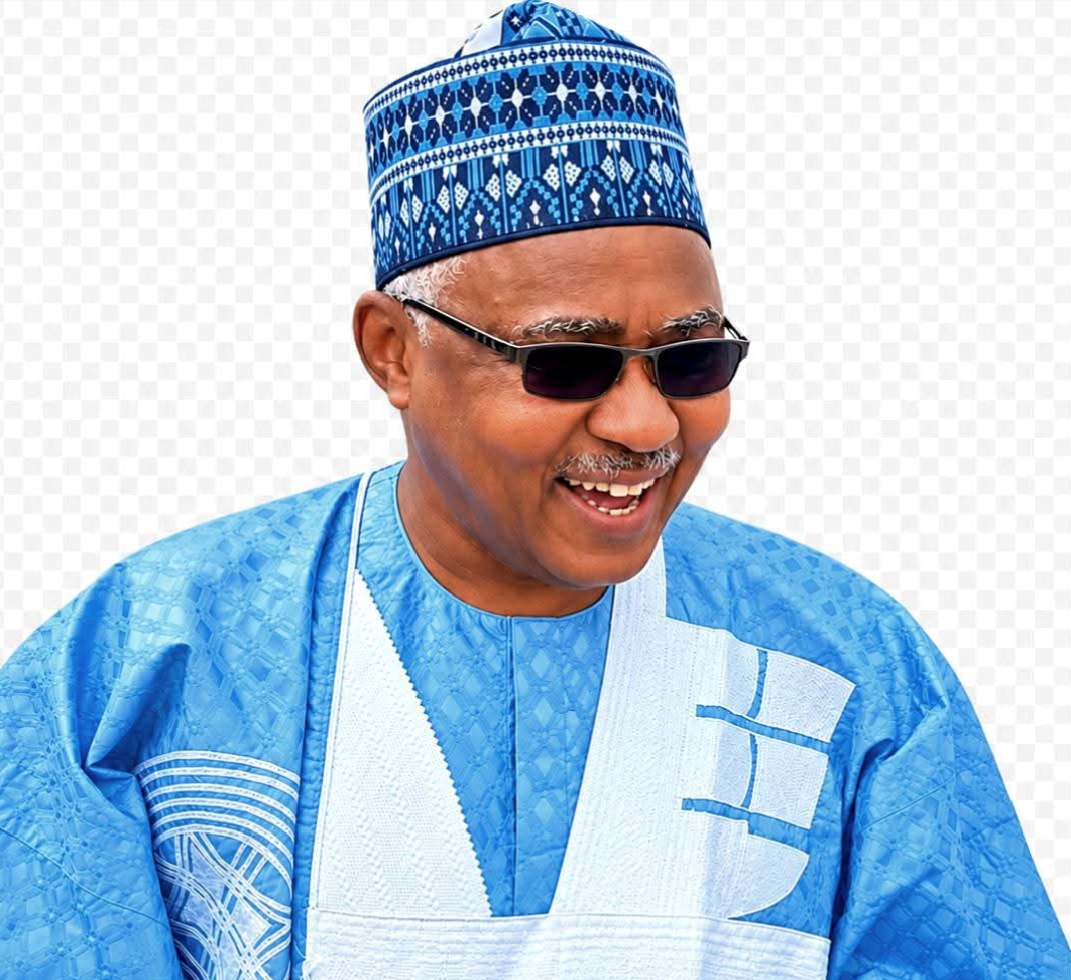
Political allies and loyalists of former Managing Director of the Nigerian Ports Authority (NPA), Arc Aminu Dabo, have begun resigning from the All Progressives Congress (APC) in Kano State following his withdrawal from the ruling party.
KANO FOCUS reports that the supporters, operating under the political group Dabo Alheri Ne, reportedly include members across Kano State’s 44 local government areas.
Barely two days after Dabo announced his resignation from the APC, a prominent stakeholder of the group, Garba Zakiru Dambatta, said members had welcomed the decision and were showing solidarity by submitting their resignation letters to their respective ward party chairmen.
Dambatta, a former APC chairman in Dambatta Local Government Area, said the group’s members were disappointed with what they described as the prolonged marginalisation of Mr Dabo and his supporters within the party.
According to him, despite Mr Dabo’s contributions to the APC and efforts to strengthen the party and manage disagreements among its members, some key stakeholders had continued to sideline him and his loyalists in party activities.
Dambatta reaffirmed the group’s commitment to standing by Mr Dabo’s political decisions and supporting his future political journey.
He also urged the former NPA managing director not to succumb to political pressure or reverse his decision to leave the party.
“This step you have taken, we have the conviction that it is the beginning of a new chapter of goodness in your life,” Dambatta said.
Among the prominent members of the group identified as supporting Mr Dabo’s decision are Abba Rabee’u, a former Senior Special Assistant on Political Awareness; Almustapha Jilani Danmalam, a former Senior Special Assistant on Education; Jamilu Abdullahi Zangon-Mata, a former Senior Special Assistant on Entrepreneurship; and Fahd A. Dabo, a former Special Assistant on Youth Mobilisation.
The individuals reportedly served during the second term of former Kano State Governor Abdullahi Umar Ganduje.
The group also said several other party loyalists and supporters were backing Dabo following his resignation.
However, the statement did not provide the number of members who had formally resigned from the APC or indicate whether the party leadership had responded to the development.

Nasiru Yusuf Ibrahim
Five players of Kano Pillars Amputee Football Club have been invited to the national camp of Nigeria’s Special Super Eagles ahead of the 2026 Amputee Football World Cup in Mexico.
KANO FOCUS reports that invited players are Isah Yusuf, Abba Musa, Habu Friday, Emanuel Betel and Usman Ahmed. They are currently in Abuja with the national team as preparations intensify for the global tournament.
The Team Manager of Kano Pillars Amputee Football Team, Jamilu Uba Adamu, disclosed this in an interview with Ashiru Rabiu Gidan Tudu, Information Officer of the Kano State Sports Commission.
Adamu described the invitation as recognition of the players’ dedication, discipline and outstanding performances.
He expressed confidence that the players would represent Kano State and Nigeria with honour at the championship.
According to him, the call-up also demonstrates Kano Pillars’ commitment to nurturing talented amputee footballers and contributing to the development of the sport in Nigeria.
The 2026 Amputee Football World Cup is scheduled to take place from November 13 to 22 in San Juan de los Lagos, Mexico. A total of 24 countries, including seven African nations, are expected to participate.
The Executive Chairman of the Kano State Sports Commission, Muhammad Tukur Babangida, congratulated the five players on their invitation, describing it as well deserved.
Babangida expressed confidence that they would justify the confidence reposed in them by the national team selectors.
He assured the players of the commission’s continued support and urged them to remain focused, disciplined and committed to making Kano State and Nigeria proud on the international stage.
Ibrahim Khalil
A chieftain of the All Progressives Congress (APC) in Kano State, Aminu Dabo, has resigned as the party’s caucus chairman in Dambatta Local Government Area and withdrawn his membership of the ruling party.
KANO FOCUS reports that Dabo, a former Managing Director of the Nigerian Ports Authority (NPA), announced his resignation in a letter dated October 7, 2026, addressed to the APC chairman of Dambatta Gabas Ward.
In the letter, personally signed by him, Dabo said he took the decision after careful consideration of personal reasons and his future endeavours.
He confirmed his resignation during a telephone conversation from Abuja on Wednesday, saying he had formally submitted the letter to the appropriate party officials in Dambatta for necessary action.
“I remain grateful for the cordial relationship I enjoyed and appreciative of the experience gained during my time of service,” he said.
The former NPA managing director also thanked the party’s leadership for the opportunity and confidence reposed in him to contribute to its development and progress during his membership.
“I sincerely appreciate the support and opportunity I have received from the party leadership,” he added.
A statement issued by Abdullahi Othman, Media and Publicity Aide to Dabo Dabo, said the former NPA MD did not disclose further details about his reasons for leaving the APC in the resignation letter.

Dabo’s resignation triggers wave of defections from APC in Kano

Five Kano Pillars Amputee Players Invited to Special Eagles Camp Ahead of World Cup

BUK Professor advocates microfinance to tackle food insecurity, poverty

General Elections 2027: Abba Kabir Yusuf traverses the path to victory
Former NPA MD Aminu Dabo resigns as APC caucus chairman in Dambatta

Kano leads again as NECO successes rise to 74,413
Kano tops states in 2026 NECO results, Governor Yusuf hails students

Kano Govt Suspends Durbar Processions, Horse Riding in Metropolis

ACF begins Dangote Refinery IPO sensitisation campaign in Kano

