
News
Dangote Cement commissions 100 Billion CFA Francs Cement Plant in Côte d’Ivoire Cement Plant


Nasiru Yusuf Ibrahim
Dangote Cement, a subsidiary of the Nigerian conglomerate founded by Aliko Dangote, has officially launched operations at its new cement plant in Attingué, in Côte d’Ivoire, approximately 30 kilometers from Abidjan.
KANO FOCUS reports that the announcement was made by the Managing Director of Dangote Cement Côte d’Ivoire, Serge Gbotta, during a press briefing held at Novotel Abidjan-Marcory.
The state-of-the-art facility spans 50 hectares and boasts an annual production capacity of 3 million metric tonnes, positioning it among the largest Dangote Cement plants outside Nigeria. The project represents a strategic investment of 100 billion CFA francs and underscores the company’s commitment to industrial growth and regional self-sufficiency.

“This plant is more than an industrial unit—it is a symbol of confidence in Côte d’Ivoire’s future,” said Mr. Gbotta. “Our goal is to provide Ivorians with world-class cement, produced locally and offered at competitive prices.”
Côte d’Ivoire becomes the 11th African country to host a Dangote Cement production unit, contributing to the group’s continental capacity of 55 million tonnes per year. The Attingué plant is expected to generate over 1,000 direct and indirect jobs, supporting youth employment and stimulating local SMEs including transporters, tradespeople, retailers, and suppliers.
The company also announced plans to launch training programs for young engineers and technicians through the Dangote Academy, aimed at enhancing local expertise in industrial management.
Commercial Director of Dangote Cement Côte d’Ivoire, Stéphane Tchimou, emphasized the plant’s impact on the construction sector: “Reliable, high-performance cement is essential for masons, contractors, and craftsmen. Our distribution network will ensure availability across all regions.”
He also assured that support mechanisms such as credit facilities and commercial assistance will be introduced to empower small retailers and strengthen the value chain.
Beyond industrial development, Dangote Cement is committed to community initiatives around the Attingué site, including road construction, clean water projects, and support for local health centers, in collaboration with local authorities and NGOs.
President of the Dangote Group, Aliko Dangote, said: “Africa is full of opportunities. Our mission is to tell a new story—one of innovation, production, and progress for future generations.”
The plant will produce premium cement in multiple grades—CPJ 32.5R for masonry, CPJ 42.5N for buildings, and CPA 52.5 for large structures—positioning Dangote Cement as a trusted partner in Côte d’Ivoire’s construction industry. Designed with cutting-edge technology, the facility is expected to significantly reduce cement imports and establish Côte d’Ivoire as a regional hub for cement production and export.

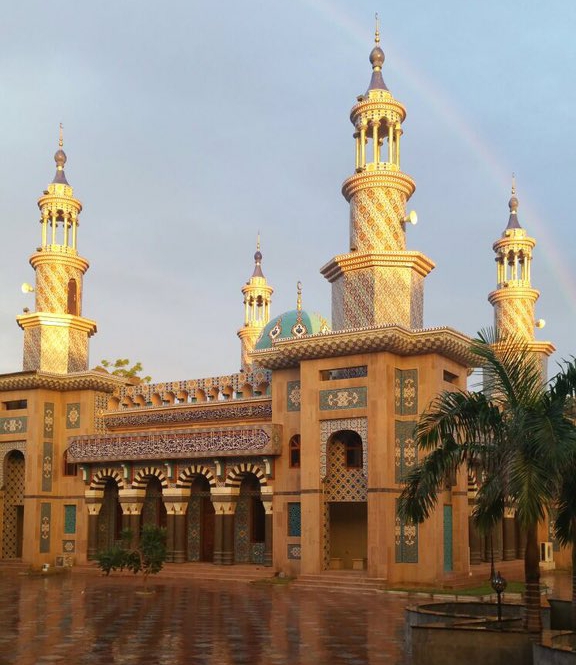
The cleric urges the federal government to prioritise security, protect farming communities and provide direct relief to vulnerable households.
Nasiru Yusuf Ibrahim
The Chief Imam of Nagazi-Uvete Jumu’ah Mosque and the late Alhaji Abdur-Rahman Okene’s Mosque in Okene, Kogi State, Malam Murtadha Muhammad Gusau has called on President Bola Ahmed Tinubu’s administration to address insecurity and economic hardship in Northern Nigeria, saying the twin challenges have deepened public frustration and weakened confidence in government.
KANO FOCUS reports that in his Friday sermon delivered, the cleric said the grievances in the region were rooted primarily in persistent insecurity and the rising cost of living rather than ethnic differences or political disagreements.
The sermon, titled “A Sincere Cry From Northern Nigeria,” examined the government’s responsibility to protect citizens, ensure their welfare and uphold justice from the perspective of Islamic teachings.
Imam Gusau said banditry, terrorism and kidnapping had prevented farmers from accessing their farmlands, disrupted transportation and exposed families to persistent fear.
“Without peace, there can be no worship, no business, no education, no farming,” he said, arguing that protecting lives and property must remain the government’s foremost responsibility.
He added that the economic reforms introduced by the Tinubu administration, particularly the removal of petrol subsidies and the floating of the naira, had contributed to rising prices of essential commodities, including maize, millet and rice.
According to the imam, the combined effects of insecurity and inflation have placed an enormous burden on households, particularly in a region heavily dependent on agriculture and road transportation.
‘Security must come first’
Imam Gusau argued that economic recovery would remain difficult to achieve without lasting improvements in security.
He said farmers could not produce enough food if they were afraid to cultivate their land, while investments in businesses and other economic activities would yield limited benefits in communities affected by violence.
The cleric urged the federal government to intensify security operations in agricultural areas, protect vulnerable communities and ensure that farmers could return safely to their fields.
He also called for targeted food and agricultural support to reach vulnerable households directly, warning against the diversion of assistance through bureaucratic processes.
Although he acknowledged the administration’s reported security initiatives, the imam said more decisive action was needed to protect rural communities, highways and farming settlements.
He maintained that the success of the government should be measured not only by economic indicators or international engagements but also by whether ordinary Nigerians could travel safely, sleep peacefully in their homes and work on their farms without fear.
Leadership as a trust
Imam Gusau said Islamic teachings regard leadership as a sacred responsibility, or amanah, for which those in authority would be held accountable before Allah.
Quoting a prophetic tradition reported in Sahih al-Bukhari, he reminded leaders that every person entrusted with responsibility would be questioned about those under their care.
He cited the example of Umar ibn al-Khattab, the second Caliph of Islam, whose concern for the welfare of citizens was reflected in accounts of his personal efforts to understand the difficulties facing ordinary people.
The imam said the example illustrated the importance of accountability, compassion and responsible use of public resources.
He also referred to the Islamic legal maxim that the exercise of authority over citizens must be guided by their welfare and best interests.
According to him, government policies should prioritise the protection of lives, education, healthcare, family welfare and economic security, particularly for the most vulnerable members of society.
He explained that these responsibilities were consistent with the higher objectives of Islamic law, known as Maqasid al-Shariah, which include the preservation of life, religion, intellect, lineage and wealth.
Calls for compassion and accountability
The cleric warned that persistent insecurity and hardship could further alienate citizens if the government failed to respond to their concerns with practical measures.
He urged leaders to demonstrate compassion through policies that directly address the needs of ordinary Nigerians rather than relying solely on assurances of future prosperity.
He also condemned the activities of bandits, terrorists and kidnappers, stressing that Islam places a high value on human life and prohibits the unjust killing of innocent people.
Imam Gusau called on communities to support victims of violence, assist displaced families and strengthen cooperation across religious and social divides.
He said collective solidarity was essential to preventing insecurity from destroying relationships and deepening divisions among Nigerians.
The imam also encouraged Muslims to remain steadfast in their faith, practise patience and seek Allah’s forgiveness while working to improve their circumstances.
He cautioned against allowing political frustration to weaken religious conviction, arguing that Muslims should combine prayers and repentance with personal integrity, compassion and responsible conduct.
However, he stressed that spiritual responses to hardship should not diminish the responsibility of leaders to protect citizens and provide for their welfare.
Urges Nigerians to uphold integrity
Imam Gusau further called on Nigerians to examine their own conduct, saying the fight against corruption and injustice should begin with individuals and communities.
He urged traders and business owners to avoid exploiting consumers through artificial price increases and dishonest practices, particularly during periods of economic difficulty.
He said citizens should maintain honesty, support one another and avoid despair despite the challenges facing the country.
The cleric concluded that Northern Nigeria needed peace, justice and economic relief, insisting that improved security and effective welfare measures would help restore public confidence and encourage cooperation between citizens and government.
**Mr Gusau is the Chief Imam of Nagazi-Uvete Jumu’ah Mosque and the late Alhaji Abdur-Rahman Okene’s Mosque in Okene, Kogi State.
Nura Abdullahi
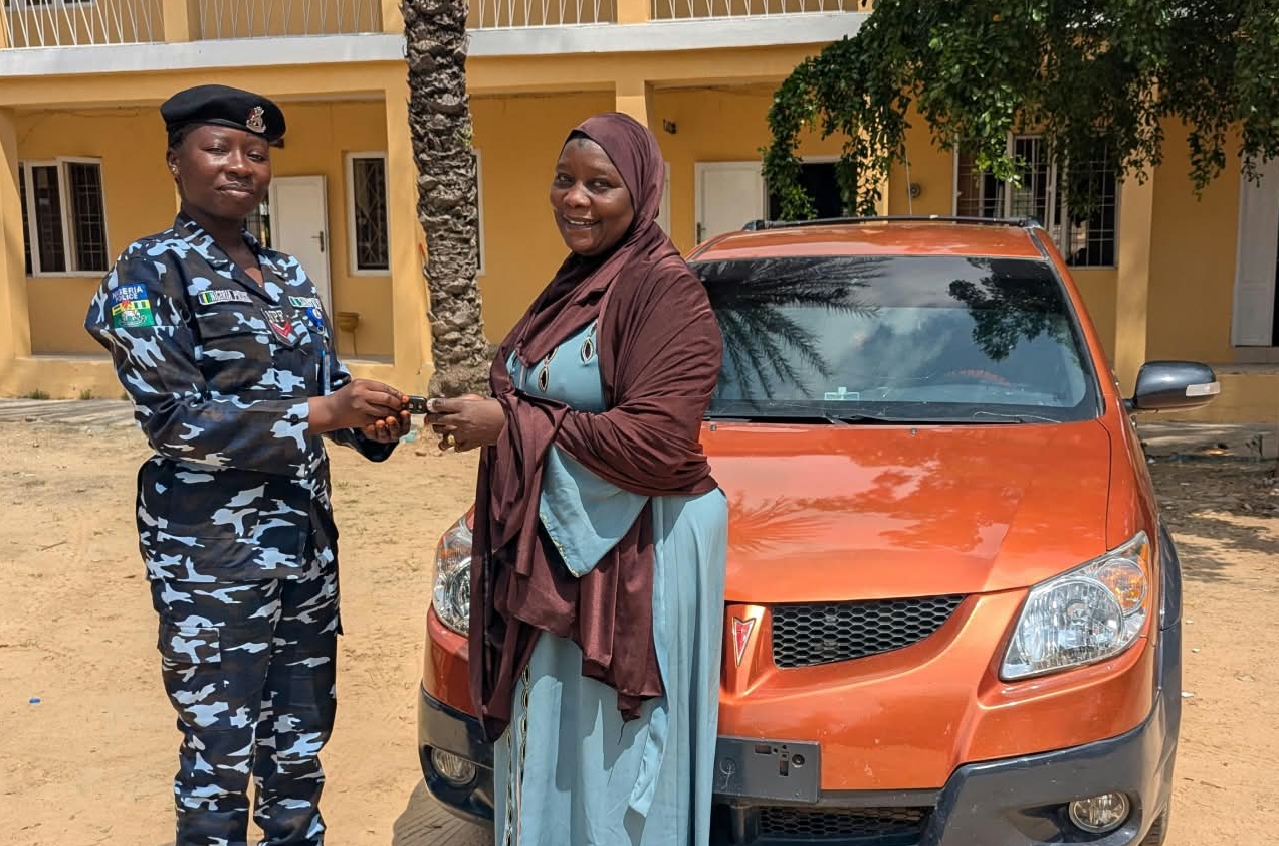
The Kano State Police Command has handed over two recovered vehicles to their rightful owners following intelligence-led operations.
KANO FOCUS reports that the recovered properties, comprising an orange Vibe motor vehicle and an ash-coloured Haojue motorcycle, were formally handed over to their owners at the Command Headquarters in Bompai, Kano, during the week.
The command disclosed this in a press release issued on Friday, by its Police Public Relations Officer, CSP Abdullahi Haruna Kiyawa.
According to the statement, the handover followed the completion of ownership verification, authentication of relevant documents and other necessary procedures.
The beneficiaries expressed gratitude to the police, commending the command for its professionalism, commitment to justice and prompt return of their properties.
They described the recovery and handover as evidence of responsive and people-friendly policing.
The Commissioner of Police, Ibrahim Adamu Bakori, congratulated the owners and said the exercise aligned with the policing vision of the Inspector-General of Police, Olatunji Rilwan Disu.
The vision, according to the statement, emphasises the protection of lives and property, the return of recovered stolen property to victims of crime, and the promotion of public trust through transparent and accountable service delivery.
CP Bakori assured residents that the command would continue working to improve security across Kano State and ensure that recovered stolen property was returned to its legitimate owners after due verification.
The police urged anyone seeking further information to contact the investigating police officer on 08140081608 or visit the office of the Police Public Relations Officer at the Bompai Police Headquarters, Kano.
Ibrahim Khalil
The Joint National Association of Persons with Disabilities (JONAPWD), Kano State Chapter, will hold its leadership election on Saturday, October 10, 2026, to elect new executives for the association.
KANO FOCUS reports that the election will take place at the Social Welfare Department, Gyadi-Gyadi Court Road, Kano.
Ahead of the exercise, the Chairman of the JONAPWD Kano State Chapter Electoral Committee, Malam Yusha’u Ibrahim Kofar Waika, has urged members, accredited delegates and representatives of the various disability clusters to arrive at the venue on time.
He said punctuality and adequate preparation were necessary to ensure a smooth and orderly electoral process.
Kofar Waika also called on all disability clusters to make the necessary arrangements and participate actively in the election.
The exercise is expected to usher in a new leadership for the association in Kano State.
The election is an important step towards strengthening democratic participation, unity and inclusive leadership among persons with disabilities in the state.
It is also expected to support effective representation and advocacy for the rights and welfare of persons with disabilities.

Insecurity, hunger have deepened Northern Nigeria’s distrust of Tinubu, Imam Gusau says
Kano Police return recovered car, motorcycle to owners

JONAPWD Kano to hold leadership election Saturday

“As You Sow, So Shall You Reap”: Imam Reminds Muslims of Divine Justice

Kano Govt Orders Retired Civil Servants to Vacate Offices, Hand Over Government Property

Kano leads again as NECO successes rise to 74,413
Kano tops states in 2026 NECO results, Governor Yusuf hails students

Kano Govt Suspends Durbar Processions, Horse Riding in Metropolis

INEC holds campus debate on elections, democracy at BUK

