
Headlines
Kano intensifies campaign for exclusive breastfeeding as UNICEF urges six-month maternity leave

Nasiru Yusuf Ibrahim
The Kano State Government has intensified its campaign to promote exclusive breastfeeding, describing it as one of the most effective strategies for combating child malnutrition and improving maternal and child health outcomes.

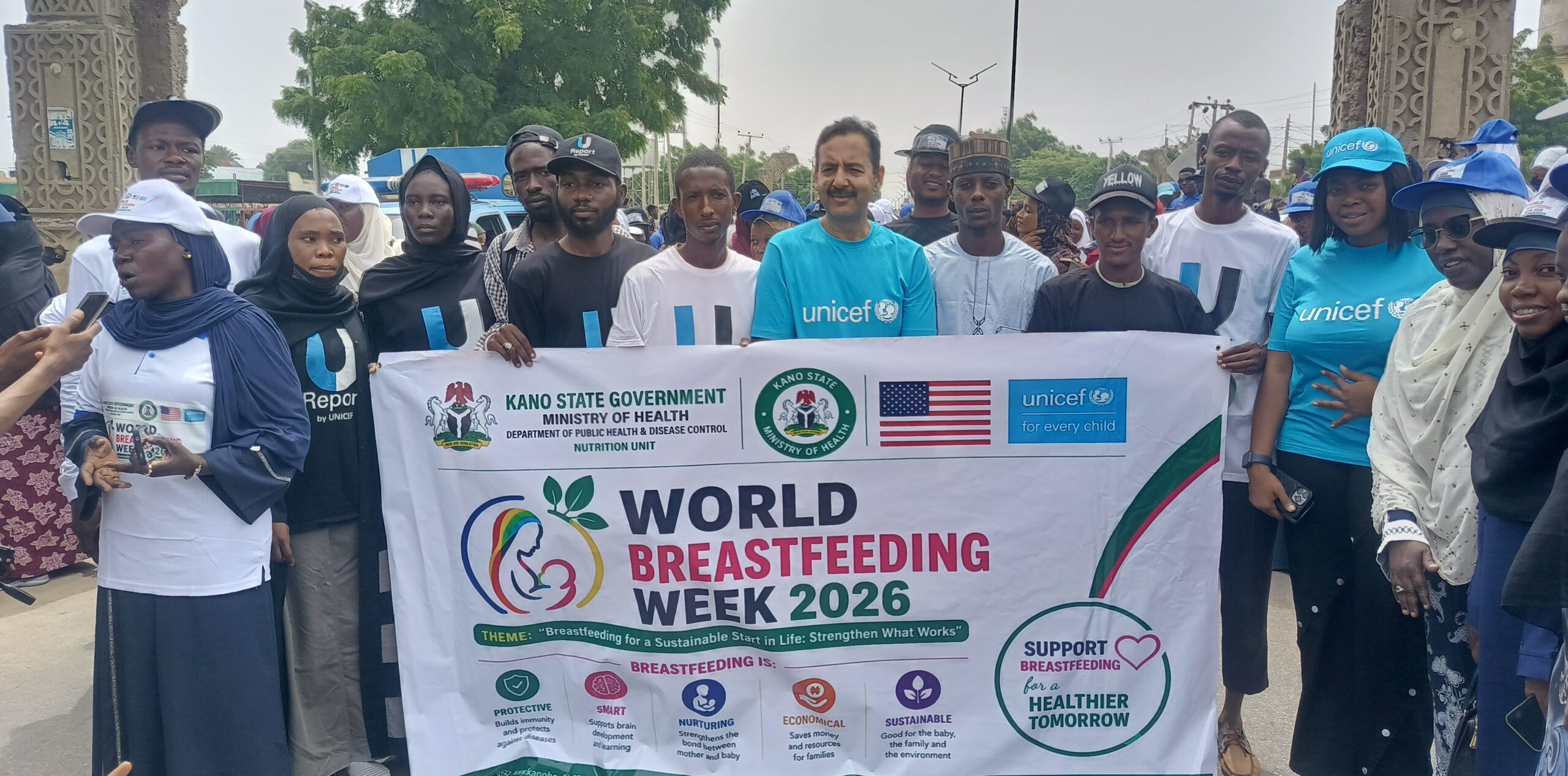
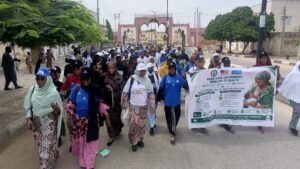
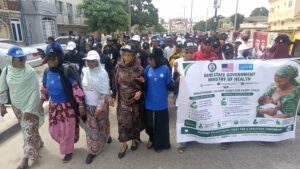
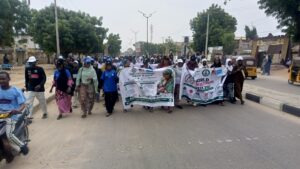
KANO FOCUS reports that the State Nutrition Officer, Aishatu Suleiman, stated this on Thursday during a road walk organised to commemorate the 2026 World Breastfeeding Week. The awareness campaign began at the School of Hygiene and ended at the Emir’s Palace, Kofar Kudu, attracting health workers, development partners, civil society organisations and government officials.
Ms Suleiman said the campaign was aimed at increasing public awareness of exclusive breastfeeding from birth to six months and encouraging mothers to continue breastfeeding until children are two years old.
She said breast milk contains all the nutrients required for a baby’s growth and development while providing protection against common childhood illnesses.
“Exclusive breastfeeding remains one of the most effective interventions for addressing malnutrition, which continues to be a major public health challenge in Kano State,” she said.
“We are here to support, protect and promote exclusive breastfeeding from birth to six months and encourage mothers to continue breastfeeding up to two years. Breast milk provides all the nutritional requirements a baby needs and strengthens immunity.”
She explained that although World Breastfeeding Week is observed globally for seven days, Kano State has scheduled a three-day programme of advocacy and public enlightenment to engage communities on the importance of optimal breastfeeding practices.
UNICEF seeks stronger support for mothers
The Chief of UNICEF’s Kano Field Office, Shafeeq Ur-Rehman, described breastfeeding as “the most sustainable food on earth” and called for stronger government policies to enable mothers to exclusively breastfeed their children.
Shafeeq Ur-Rehman
Speaking during the event, Mr Ur-Rehman said this year’s theme, “Breastfeeding for a Sustainable Start in Life: Strengthen What Works,” underscores the need to invest in proven interventions that improve child survival and development.
He noted that breast milk serves as a child’s first vaccine against illness, malnutrition and preventable deaths, while also contributing to improved cognitive development and future productivity.
“The evidence is overwhelming. Scaling up breastfeeding could prevent hundreds of thousands of maternal and child deaths each year,” he said.
Mr Ur-Rehman, however, expressed concern over Nigeria’s low rates of optimal breastfeeding despite widespread acceptance of the practice.
According to him, while more than 90 per cent of Nigerian mothers breastfeed their children, fewer than one in ten newborns are breastfed within the first hour of birth, and only about one in ten infants are exclusively breastfed during their first six months of life.
He stressed that breastfeeding should not be viewed solely as a mother’s responsibility but as a shared obligation involving governments, healthcare providers, families, workplaces and communities.
The UNICEF official urged states that have yet to adopt six months of paid maternity leave, including Kano, Jigawa and Katsina, to implement the policy.
He said longer maternity leave, flexible working hours, breastfeeding breaks, private lactation spaces and facilities for storing expressed breast milk would enable more mothers to practise exclusive breastfeeding.
Partners advocate policy reforms
Also speaking, Salmanu Muhammad, the Kano State Coordinator of the Civil Society Scaling Up Nutrition in Nigeria (CS-SUNN), said the coalition has continued to complement government efforts to improve maternal and child nutrition through advocacy and community mobilisation.
He said CS-SUNN consistently engages government authorities, conducts public awareness campaigns and sensitises communities on the importance of optimal breastfeeding practices, particularly exclusive breastfeeding during the first six months of life.
Muhammad added that the organisation also advocates the adoption and implementation of six months’ paid maternity leave to enable working mothers to exclusively breastfeed their infants in line with global recommendations.
Also speaking, Shetima Kyari, representing the Johns Hopkins Programme for International Education in Obstetrics and Gynaecology (Jhpiego), said the organisation has been supporting Kano State’s maternal, newborn, child health and nutrition programmes since last year.
He said Jhpiego works with secondary healthcare facilities across the state to promote early initiation of breastfeeding immediately after birth, exclusive breastfeeding for the first six months and continued breastfeeding beyond two years.
Mr Kyari identified cultural myths and misconceptions as major barriers preventing many mothers from practising optimal breastfeeding.
Chairperson of the Nutrition Society of Nigeria, Kano State Chapter, Saadeq Suleiman, said the organisation supports governments through capacity building for healthcare workers, technical advisory services and policy development to improve maternal and child nutrition.
He said strengthening healthcare workers’ capacity and implementing evidence-based nutrition policies would increase breastfeeding rates and reduce child malnutrition.
Representing the National Agency for Food and Drug Administration and Control (NAFDAC), Halima Katagum said the agency regulates the marketing of breast milk substitutes to prevent practices that discourage exclusive breastfeeding.
She explained that NAFDAC prohibits the promotion of infant formula through advertisements, branded gifts and other marketing activities targeting mothers.
“Our role is to regulate the marketing of breast milk substitutes so that mothers are encouraged to practise exclusive breastfeeding instead of relying on formula products,” she said.
KANO FOCUS reports that participants at the event called for sustained public awareness campaigns, stronger family and community support, and greater government investment in maternal and child nutrition to improve breastfeeding practices and child survival in Kano State.


Nasiru Yusuf Ibrahim
Nafisah Yusuf Hassan, a magistrate in Kano State, has been recommended for appointment as a judge of the Kano State High Court by the National Judicial Council (NJC).
KANO FOCUS reports that Hassan is among four judicial officers from Kano State recommended for elevation to the High Court bench out of 28 candidates selected nationwide.
The other nominees are Halima Yahuza Ahmad, Abdullahi Abdulsalam Bature and Musa Ibrahim Umar.
The NJC disclosed the recommendations in a statement issued by its Deputy Director of Information, Kemi Babalola-Ogedengbe, following its consideration of candidates for judicial appointments across the country.
The council said all recommended candidates were expected to be sworn in by their respective state governors without delay.
Hassan’s recommendation follows her years of service in the Kano State judiciary, where she has reportedly distinguished herself through diligence, professionalism and careful handling of cases.
She has been commended for her commitment to judicial ethics, diligence and fairness in the discharge of her responsibilities, achievements that contributed to her career progression within the judiciary.
Her elevation is part of a broader development in the Kano State judiciary, with four magistrates from the state successfully scaling the selection process for appointment to the High Court.
The four nominees were reportedly assessed during the selection exercise and demonstrated strong professional competence, while their service records were found to be free of adverse remarks.
Their recommendation marks a significant step in their judicial careers and is expected to strengthen the judicial workforce in Kano State upon their formal appointment.
Nasiru Yusuf Ibrahim
The Kano State Accountability Forum on Education (K-SAFE) says it has tracked nearly 1,000 education projects across the state as part of efforts to promote transparency, accountability and effective service delivery in the education sector.
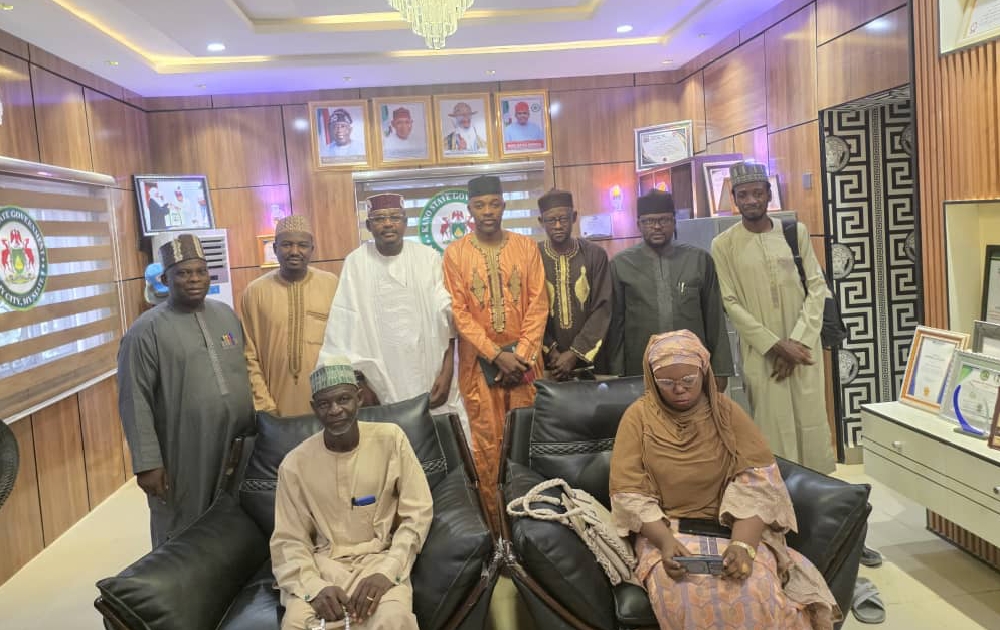
KANO FOCUS the coalition’s Co-Chair, Dr Auwalu Halilu, disclosed this on Wednesday during an advocacy visit to the Kano State Ministry of Public Procurement and Project Monitoring.
Dr Halilu said K-SAFE had monitored projects in more than six local government areas, covering interventions implemented by the State Universal Basic Education Board (SUBEB), Kano State Senior Secondary Education Management Board and Local Education Authorities (LEAs).
He explained that the monitoring exercise involved physical inspections and documentation of projects through photographs, videos and geographical locations.
According to him, reports of the findings had been submitted to relevant ministries, departments and agencies (MDAs), highlighting projects that met required standards and those requiring further attention.
He cited Rimin Gado Local Government Area, where the coalition tracked more than 80 education projects, adding that it planned to extend the exercise to all 44 local government areas of the state.
The K-SAFE Co-Chair said the visit was aimed at presenting the coalition’s activities to the ministry and exploring areas of collaboration in procurement and project monitoring.
He called for the inclusion of civil society organisations in procurement and monitoring processes, particularly tender board activities and field inspections, to strengthen independent oversight and provide them with firsthand information on government projects.
Dr Halilu also requested the ministry’s support in organising capacity-building programmes for civil society organisations on procurement procedures, due process, project standardisation, monitoring and evaluation.
He said such training would enhance civil society organisations’ understanding of procurement regulations and the technical requirements guiding project implementation.
Responding, the Commissioner for Public Procurement and Project Monitoring, Dr Nura Iro Ma’aji, welcomed the delegation and acknowledged the coalition’s contributions to supporting the state government’s efforts in the education sector.
He expressed the ministry’s readiness to collaborate with K-SAFE through information sharing and other relevant engagements to strengthen accountability and ensure compliance with due process.
“From our side, we are ready to work together because we know what they have been doing to support Kano State Government in the education sector,” he said.
Dr Halilu further disclosed that the coalition and its partner organisations had carried out the monitoring exercise without financial sponsorship, describing it as a demonstration of their commitment to transparency and accountability.
He reaffirmed K-SAFE’s commitment to sustaining engagement with relevant government agencies, civil society organisations and the media to strengthen oversight of education projects across Kano State.
Ibrahim Khalil
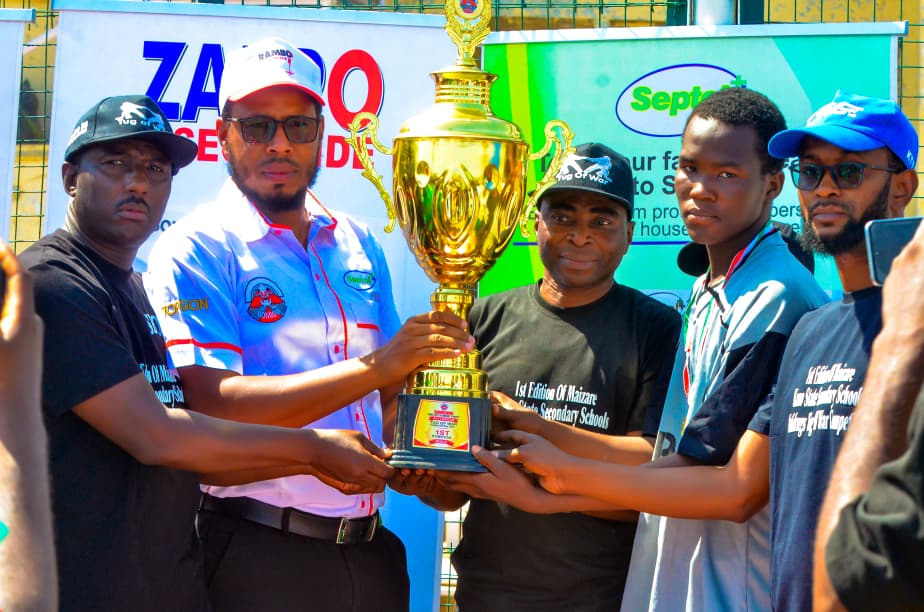
Government Secondary School (GSS) Army Day Bukavu has emerged champion in both the male and female categories of the maiden Kano State Secondary Schools Tug of War Competition.
KANO FOCUS reports that the school clinched the double victory at the competition, which ended on Wednesday at the Kano Pillars Stadium, Sabon Gari, Kano.
Governors College finished as runners-up in the male category, while Government Girls College (GGC) Kano secured second position in the female category.
The competition was organised by the Kano State Tug of War Association in collaboration with the state Ministry of Education, the National Drug Law Enforcement Agency (NDLEA) and the Kano State Sports Commission.
The maiden championship brought together secondary school students to promote teamwork, discipline, unity and sportsmanship, while raising awareness about the dangers of drug abuse.
Speaking at the closing ceremony, the Vice Chairman of the Kano State Tug of War Association, Jamilu Uba Adamu, described the competition as a successful initiative that had achieved its objectives.
He commended the Ministry of Education, Sports Commission, NDLEA, Gongoni Company Limited and MAGZO Pharmaceutical for supporting the event, particularly through the provision of T-shirts and Pocari Sweat drinks.
Also speaking, the Secretary of the Kano State Tug of War Association, Bashir Muhammad Sulaiman, who represented the Executive Chairman of the Sports Commission, Muhammad Tukur Babangida, reaffirmed the commission’s commitment to developing grassroots and school sports.
He said the initiative would help identify and nurture young sporting talents across the state.
The closing ceremony was attended by a member of the Kano State Football Association Board, Rilwanu Idris Malikawa Garu, representatives of the Ministry of Education, NDLEA, the Sports Commission and other stakeholders in the sports sector.
The organisers congratulated the winning schools and commended all participating institutions and partners for contributing to the success of the maiden edition.

Nafisah Yusuf Hassan, three others recommended for appointment as Kano high court judges

K-SAFE tracks nearly 1,000 education projects in Kano, seeks procurement monitoring role

GSS Army Day Bukavu Wins Maiden Kano Secondary Schools Tug of War Championship

Gov Yusuf Nominates Spokesperson, Sunusi Bature Dawakintofa as Commissioner

One Year Without Baba: A Son’s Tribute to Alhaji Yusuf Hassan

Indonesian scholar proposes waqf model to reform almajiri education in Nigeria

Veteran NTA manager Dahiru Biso loses wife at 58

Two suspected bandits killed, N10m ransom recovered in Kano

Gov Yusuf Joins APC Leaders at Kaduna Presidential Campaign Flag-Off as Kano Delegation Draws Attention

