
Headlines
Ganduje’s Covid-19 response strategy and the challenges By Muhammad Garba


While one is filled with hope that it is relatively safe now to say that the administration of Governor Abdullahi Umar Ganduje is tenaciously fighting the war against the deadly COVID-19 pandemic, given the numerous measures adopted to cushion the impact of the ravaging disease, the response strategy, right from the beginning, is faced with many unnerving challenges.
This is in view of the fact that the virus is a new challenge to the global health and particularly to developing nations like ours.
Some have even predicted that Kano, given its population and cosmopolitan nature will become Nigeria’s epicenter of the novel coronavirus pandemic considering the rising number of cases then which were attributed to the influx of people from states with confirmed cases of the virus into Kano.
This has created community transmission with asymptomatic carriers.
With no personal protective equipment then except surgical masks and lack of knowledge of the proper protocols on the preventive measures, 50 health workers in the frontline were infected with the virus.

Even the co-chair of the state Task Force on COVID-19, Prof. Abdulrazak Garba Habib and some other members were infected and have to be admitted to the isolation centre for treatment protocols.
This is in addition to the fact that from the onset many still think the coronavirus is a hoax, while others believe that a COVID-19 diagnosis is a death sentence, and do not want their neighbours to think they are infected.
So they avoid being tested, and try to behave as if all is normal.
They go to burials, and shake fellow mourners’ hands because it would be socially unacceptable not to.
They shop, barefaced, in crowded markets and even hold soccer tournaments in the city.
First to accept threat
It is also on record that Kano was one of the first states to decipher the threat even before it occurs and start planning ahead of the epidemic.
It was followed by momentous pecuniary investments into preparedness and surveillance in collaboration with the Presidential Task Force (PTF) on COVID-19, Federal Ministry of Health (FMOH), state Ministry of Health and the Nigeria Center for Disease Control (NCDC), which have been working closely with partners and other stakeholders to coordinate and review the response strategies and implementation activities on a daily basis in order to effectually contain the spread of COVID-19.
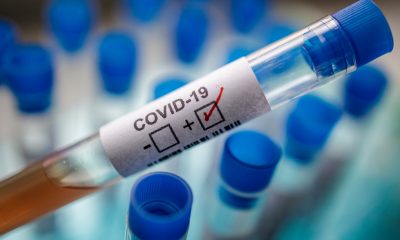
Testing for COVID-19 was started in Kano on April 21 with only one testing lab which had to close due to contamination.
At that time, samples have to be sent to Abuja for analysis where in the process, sometimes, the sample got contaminated.
That itself caused delay in announcing how many positive cases have been detected in the state.
A team of medical experts had to be deployed to Kano to facilitate in reopening the testing centre after it was fumigated.
In appreciation of the response strategy by the Ganduje administration, when he visited Kano as part of his assessment tour to the state to assess the state response to the pandemic, Director General of the NCDC, Dr Chikwe Ihekweazu, commended the state government’s response to the fight against the deadly COVID-19 pandemic in the state.
The DG was also quoted to have said recently in an NTA’s Good Morning Nigeria, that Kano is testing more than any state in the country.
While the NCDC sets 100 benchmark of sample collection per state and with five molecular testing centres to enhance detection and effective response to the pandemic, Kano state’s sample collection goes up to hundreds and strengthening and stabilizing the position also led to drastic drop of the pandemic in the state. Even with the five testing centres Kano still take some of its samples to Abuja for testing.
Mysterious deaths
However, when I watched one of the televised daily Presidential Task Force on COVID-19 briefing by the Hon. Minister of Health, Dr. Osagie Ehanire, announcing that 60% of the “mysterious” deaths recorded at the peak period of the COVID-19 pandemic in Kano may have been triggered by or due to the virus, I find it difficult to fathom the report.
One is not surprised at this because, even while the investigation then had yet to commence, coordinator of the Ministerial Team on COVID-19 and Permanent Secretary, FMOH sent to Kano, Dr. Nasir Sani Gwarzo, an indigene of Kano state and medical epidemiologist, jumped to the conclusion that suggested that COVID-19 was the cause of the deaths.
His claim was however, brushed by the minister of health when appeared before members of the House of Representatives during plenary.
He told members of the Green Chamber that investigations into the deaths are of three streams and there is no result yet linking them to COVID-19.
Ehanire even denied Gwarzo making that statement.
Said he: “There was never a case of him (the task force coordinator) saying 80 per cent of people died from that or any other disease at all….The person did not ever say that the people died from coronavirus.”
Based on my understanding of how this collaborative efforts aimed at battling the deadly pandemic works, the FMOH ought to have share its final report with the government of Kano state before sharing it with the media.
Verbal autopsies
That was what informed the decision by the government of Kano state to institute its combined team of experts from the state Ministry of Health and development partners, including the World Health Organization (WHO), National Centre for Disease Control (NCDC), AFENET and Lafiya Projects all under the under the leadership of Dr. Muktar A. Gadanya to undertake a study of the situation.
The report by the PTF team believed its “verbal autopsies” found that a total of 979 deaths were recorded in eight metropolitan local government areas in the state at a rate of 43 deaths per day, compared with the typical death rate of roughly 11 deaths per day, while the peak in deaths occurred in the second week of April, and that by the beginning of May, the death rate had gone back down to the normal rate.
However, the report of the team of experts by the Kano state government, which was presented to Governor Abdullahi Umar Ganduje, indicates that only 15.9 per cent of deaths recorded during the ugly incident between March and April has countered the comments made by the Minister of Health.
While presenting the Mortality Review (Verbal Autopsy) findings by the Team, the Lead Consultant, Muktar Gadanya, a Professor of infectious diseases from Bayero University Kano (BUK), disputed the minister’s comments which was based on findings by the Ministerial Taskforce Team on COVID-19, led by Dr. Gwarzo, which earlier stated the large number of the mysterious deaths were caused by COVID-19.
The team of researchers discovered that about 1,774 deaths were recorded, but were able to trace the relatives of about 1604 of the deceased, which represented over 90 per cent of the total figure.
He maintained that out of 1,604 cases traced, only 255 victims, representing 15.9 percent cases of deaths were linked to COVID-19 pandemic.
The team, however, alluded the remaining deaths to diseases related to hypertension, diabetes, malaria and other commonly identified ailments, including self-medication by victims.
As at July 24, 2020, 37, 512 samples were collected in the various testing centres, while 27, 219 of the samples were tested out of which 1, 452 have been confirmed representing 5.33 per cent.
Also, 1, 190 cases were discharged with 209 confirmed cases on treatment and 53 death which represents 3.65 per cent mortality rate. 3, 131 contact tracing were initiated and carried out.
Available data on date of releasing the result of cases under review indicate that the highest case of 80 was recorded in the state on May 5, 2020, while there was zero case on July 4, 2020.
Of the total 53 mortality rate recorded during the period under focus, nine patients died from the disease on the April 25.
As at July 24, 2020, 37, 512 samples were collected in the various centres, while 27, 219 of the samples were tested out of which 1, 452 have been confirmed representing 5.33 per cent. Also, 1, 190 cases were discharged with 209 confirmed cases on treatment and 53 death which represents 3.65 per cent mortality rate. 3, 131 contact tracing were initiated and carried out.
Also, available data on date of releasing the result of cases under review indicate that the highest case of 80 was recorded in the state on the May 5, 2020, while there was zero case on July 4, 2020.
Of the total 53 mortality rate recorded during the period under focus, nine patients died from the disease on the April 25.
Community sample collection
The state government also piloted community sample collection in 10 high risk settlements across two local governments of Gwale and Kano Municipal Council.
The sample collection was implemented across 62 wards of six local governments which resulted in the collection of over 24,000 samples.
This include Nassarawa with 11 wards and 3, 659samples collected from which 45 were confirmed positive; Gwarzo 11 wards, 4, 030 samples and 45 confirmed cases; Kumbotso 11 wards, 4, 165 samples and 51 confirmed cases. The rest are Wudil which has 11 wards, 5, 175 samples collected and 3 confirmed cases; Dambatta has 10 wards and 4,096 samples were collected with 10 cases confirmed; Tarauni with 10 wards where 3, 735 samples collected and 8 cases conformed.
There are also plans to scale up the collection to other local government in both rural and urban areas.
At the sample collection sites, measures adopted in the operation include identified and activated 16 sample collection sites within the metropolis, engaged public and private clinicians on referrals, linked Acute Coronary Syndromes (ACS) and contact tracing to sample collection sites, awareness through community and religious leaders, improved data management, decentralization of data collection to field teams, daily review of HF and Community (ACS) tracking, identification of hotspot through GIS, Home Base Care Management, Adopted and developed Home base care Standard Operating Protocols (SOP) for Kano State, rolled out Home Base care across the State, Sixty Two (62) patients on Home Base Care.
Capacity development
The COVID-19 response strategy involves aggressively improved staff capacity in disease surveillance and response, infection prevention and control, laboratory, risk communication and community engagement, case management and POE.
Since the beginning of the outbreak, 842 clinicians and response team were trained thrice on contact tracing and active case to improve number of persons reached, while 11 training sessions were organized for 9,036 health workers on case detection, triaging and management of health care waste.
To ensure effective focus on all sample collection, biosafety and sample transportation, lab personnel, 110 medical records officers were drilled, 9, 252 media personnel, religious leaders, traditional leaders on community sensitization and safe behavior practice, community referral and identification of suspected cases, 264 clinicians, local government Primary Health Care Team on Patient management and home base care, while 252 road transport workers were trained on Point of Entry (POE).
These training helped increase the capacity of health professionals to detect COVID019, as well as increased awareness and compliance with the NCDC’s take responsibility campaign amongst various groups.
Governor Ganduje engages media agencies during the fortnightly press briefing on COVID-19 at the state Government House.
Also as part of its risk communications activities, the Task Force in collaboration with other organisations has produced and shared multimedia content, including videos, infographics and audio jingles targeting different demographics. T
his has helped increase awareness about COVID-19 and enlightened many on how to protect themselves and stay safe.
Despite the daunting challenges and the successes being recorded in the COVID-19 response aimed at stemming further spread of the pandemic and the unrelenting commitment and political will in leading the response strategy, Kano is winning the war against COVID-19.
As evidenced by the above statistics which indicate a downward movement in the spread of the disease, the state is recording a major breakthrough in the curtailment of the pandemic.
Muhammad Garba is the commissioner, Information, Kano state.






Nasiru Yusuf Ibrahim
The Kano State Government has directed all civil servants who have attained their statutory retirement age or completed the required length of service to immediately vacate their offices and hand over government property in their possession.
KANO FOCUS reports that the directive was contained in Circular issued on Tuesday by the Establishment Directorate, Office of the Head of Civil Service, Kano State.
The circular, signed by the Permanent Secretary, Establishment, Abba A. Danguguwa, on behalf of the Head of Civil Service, was titled: “Unauthorized Continuance in Service After Statutory Retirement by Civil Servants in Ministries, Departments and Agencies (MDAs) of Government – Call for Immediate Handing Over of Official Documents, Properties.”
The government said it had observed that some civil servants continued to remain in office and operate in official capacities after reaching their statutory retirement period.
According to the circular, such conduct was a “negation to the reputation of the Civil Service of Kano State,” noting that the service had a long-standing tradition of ensuring seamless transition by retiring civil servants.
It described the continued stay in service after retirement as a direct infraction and aberration of relevant provisions of the State Civil Service Rules and other applicable service regulations.
The government stressed that it was legally and administratively untenable for any officer to remain in service or perform official functions beyond the statutory limit.
Consequently, all civil servants who had retired either by age or length of service were directed to immediately exit and hand over all official documents, government property and duties to their immediate subordinates in their respective ministries, departments and agencies.
The circular also directed all Accounting Officers, including Permanent Secretaries and Chief Executives, as well as Directors of Administration and Personnel Management, to ensure strict and immediate compliance with the directive.
It warned that any officer found aiding, abetting or condoning the continued stay of a retired officer in service would face appropriate disciplinary action in accordance with the Civil Service Rules.
The directive takes immediate effect, the circular stated.

Nasiru Yusuf Ibrahim
Kano State Governor Abba Kabir Yusuf says his administration has settled approximately N32 billion out of the N48 billion inherited backlog of gratuities and related liabilities owed to retirees in the state.
KANO FOCUS reports that Gov Yusuf disclosed this on Thursday while addressing residents at the 66th Independence Anniversary celebration held at the Sani Abacha Indoor Stadium in Kano.
The governor said the government had also sustained the regular payment of monthly pensions while increasing the minimum monthly pension from N5,000 to N20,000.
He said the welfare of workers and pensioners remained a priority of his administration, citing timely payment of salaries, improved remuneration and measures aimed at strengthening the public service.
According to him, the state has maintained the practice of paying workers’ salaries on or before the 25th of every month while implementing the N71,000 minimum wage for civil servants.
Gov Yusuf also said his administration was sponsoring public servants for professional training, including programmes at the Administrative Staff College of Nigeria (ASCON), to strengthen their administrative and leadership capacity.
He reaffirmed the government’s commitment to building a professional and motivated workforce, while ensuring that the contributions and sacrifices of serving workers and retirees were recognised and treated with dignity.

Nasiru Yusuf Ibrahim
Experts in reproductive health have called for improved access to contraceptive services in Nigeria, saying women and girls should be provided with accurate information and the freedom to make informed choices about family planning.
KANO FOCUS reports that they made the call on Wednesday during a virtual engagement organised by the Network of Reproductive Health Journalists of Nigeria (NRHJN) to mark the 2026 World Contraception Day.
Speaking at the event, Executive Director of the Centre for Bridging Health Gaps (CBHG), Dr Moriam Jagun, said misconceptions surrounding family planning remained a major barrier to contraceptive uptake.
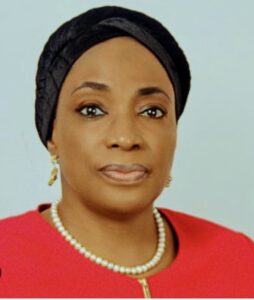
Dr Moriam Jagun
Jagun said neither Islam nor Catholicism was against family planning, urging the media and health stakeholders to address religious and cultural misconceptions with accurate information.
She said fears that contraceptive use could cause infertility, cancer, excessive bleeding and other health problems also discouraged some women from using family planning methods.
According to her, such concerns should not simply be dismissed as myths, but should be addressed through honest counselling and evidence-based information that enables women to make informed decisions.
Jagun said contraceptive prevalence remained low in Nigeria, putting the national average at about 15 per cent, compared with 31 per cent in Lagos.
She also cited research showing that educated people were more likely to embrace family planning than those with lower levels of education.

She therefore called for greater attention to marginalised, vulnerable and underserved communities, saying national averages could conceal significant inequalities in access to reproductive health services.
Jagun said access should not be measured simply by whether contraceptives were available in health facilities.
She identified financial, physical, social, cultural and religious, as well as informational barriers that could prevent women from accessing services even when contraceptives were available.
“Availability is not the same as access,” she stressed, noting that a woman could have contraceptives available at a health facility but still be unable to obtain them because of cost, distance, stigma, provider attitudes or lack of information.
She also cautioned healthcare providers against allowing personal beliefs or biases to interfere with professional responsibilities, particularly when dealing with young and unmarried women seeking contraception.
According to her, providers should inform and support clients rather than make reproductive decisions on their behalf.
Jagun further urged stakeholders to prioritise adolescents, rural women, women with disabilities and other underserved populations in the design and delivery of family planning services.

She said the success of family planning should not be measured only by the number of women accepting contraceptives, but also by whether clients were properly informed, offered options, made voluntary choices and retained the freedom to change or discontinue a method.
On the role of the media, she urged journalists to rely on accurate and evidence-based information and avoid sensational reporting.
She also advised the media to clearly distinguish family planning and contraception from abortion in their reporting to prevent misinformation and confusion.
Presenting on the theme “A Choice for All: Agency, Intention, Access,” Executive Director of Media, Health and Rights Initiative of Nigeria (MHR), Mrs Alu Azege, said contraceptive access should be viewed beyond the mere availability of commodities.

Mrs Alu Azege
Azege, who is also Chair of the Media and Visibility Subcommittee of the 9th Nigerian Family Planning Conference, said genuine access required women to have information, options, privacy, affordability, respectful counselling and freedom from pressure or judgment.
She said the word “all” in the World Contraception Day theme was particularly significant, stressing that contraceptive access should include unmarried young women, adolescents, widows, market women, students and other groups that could face barriers to services.
Azege described the media as an important channel for reproductive health information, particularly as young people increasingly encounter contraceptive information through social media before meeting healthcare providers.
She said traditional media could complement social media by verifying information, debunking myths, amplifying questions from young people and holding authorities accountable for gaps in health service delivery.
She also highlighted both the opportunities and risks associated with artificial intelligence, saying AI could provide personalised, private and accessible reproductive health information, but warned that bias, misinformation and unequal access to technology could undermine its benefits.
In her welcome address, President of NRHJN, Mrs Oluyinka Shokunbi, said every Nigerian woman and girl should have access to safe contraception and the ability to decide if, when and how often to have children.

Mrs Oluyinka Shokunbi
Shokunbi said contraceptive access could help prevent unintended pregnancies, improve maternal and child health and advance women’s ability to pursue education, careers and participation in public life.
She said cultural, religious and information barriers continued to limit access to contraception, while young people were increasingly turning to social media and artificial intelligence for sexual health information.
She called for unhindered access to accurate information and contraceptive choices, particularly for women and girls who remain underserved by existing health systems.
KANO FOCUS reports that the engagement was held under the 2026 World Contraception Day theme,“No Barriers, Just Choices: Contraceptive Access Now!”

Kano Govt Orders Retired Civil Servants to Vacate Offices, Hand Over Government Property

Nigeria’s Data Demand Surges 47% as Stakeholders Seek Fresh Investment in Digital Infrastructure

Kano must make government procurement work for made-in-Kano

Kano Settles N32bn Pension, Gratuity Liabilities, Says Gov Yusuf

Family Planning: Experts Urge Nigeria to Remove Barriers to Contraceptive Access

Kano leads again as NECO successes rise to 74,413
Kano tops states in 2026 NECO results, Governor Yusuf hails students

INEC holds campus debate on elections, democracy at BUK

Kano Govt Suspends Durbar Processions, Horse Riding in Metropolis

