
News
Broadband: Pantami, Danbatta assure of FG’s plans to bridge infrastructure deficit


Nasiru Yusuf
Ongoing policy directions and regulatory measures being put in place by the Nigerian Government towards bridging identified broadband infrastructure gaps shall be sustained in order to facilitate increased access to the Internet by citizens across the country.
KANO FOCUS reports that the Minister of Communications and Digital Economy, Isa Ali Ibrahim Pantami, and the Executive Vice Chairman of the Nigerian Communications Commission (NCC), Umar Garba Danbatta, gave the assurance in their presentations during the recently-concluded virtual African Internet Governance Forum 2021 (vAFIGF2021).
The three-day annual forum which held in-person and virtually, was organised with the theme: “Advancing Digital Transformation in Africa in the Face of Crisis”, and hosted by the Nigerian government.

The forum was attended by many stakeholders within the African Information and Communication Technology (ICT) ecosystem.
Pantami, who was represented at the forum by a Director at NCC, who doubles as Adviser to the Honourable Minister on Technical Matters, Sahalu Balarabe Junaidu, said the objective of the forum was to harness digital technology and innovation, transform societies and economies, and eradicate poverty for social and economic development in the Continent.
The Minister said, with the challenges thrown up by the outbreak of COVID-19 pandemic, the demand for Internet services has increased dramatically.
He called on African citizens to access the broadband/internet services to carry out their personal and official task more effectively and effectively.
“The COVID-19 pandemic has accelerated the increased need to embrace the digital culture. So, as Africans, one of the ways by which we can respond to the challenge thrown by the pandemic is to accelerate our digital transformation,” he said.
Pantami explained that the digital transformation strategy for Africa should be established on key foundational pillars which include an enabling environment, policy regulation, digital infrastructure, digital skills and human capacity, as well as digital innovation, and entrepreneurship.
He said critical sectors such as digital trade and financial services, digital government, digital education, digital health, and digital agriculture, are also underlining pillars of the transformation. Additionally, he said the drivers of digital transformation include digital content and applications, digital identification, emerging technology, cyber security, privacy and personal data protection, as well as research and development.
Pantami recalled that Internet usage in sub-Saharan Africa is still not encouraging, according to report by the International Finance Corporation ( IFC ) and World Bank. However, the Minister asserted that Nigeria, with its current over 140 million Internet users, has one of the largest subscriptions in the sub-region.
The Minister said the various policies, including the National Digital Economy Policy and Strategy (2020-2030), and the Nigerian National Broadband Plan (NNBP) 2020-2025, emplaced to address infrastructure challenges and enhance the country’s migration to a more robust digital economy, will also ensure that more citizens are able to have access to the Internet in the coming years.
He mentioned the recent successful auction of 3.5 gigahertz (GHz) spectrum band for the scheduled deployment of Fifth Generation (5G) networks as another important policy and strategic step taken by the Nigerian government to boost broadband penetration in the country.
Pantami also listed the enforcement and implementation of the National Cyber Security Policy and Strategy 2021, and the review of the Cybercrimes Act of 2015 to build an inclusive Internet governance ecosystem and boost digital cooperation, as well as the ongoing linking of citizens National identification Number (NINs) with the Subscriber Identification Module (SIM) as worthy state actions that will yield great benefits.
Other initiatives cited by the Minister include the ongoing effort to address high Right of Way (RoW) charges, tackling multiple taxation in the ecosystem, and increasing stakeholder collaboration.
Meanwhile, the Director, New Media and Information Security, NCC, Dr. Al-Hassan Haru, who represented Danbatta at the forum, reiterated the Commission’s commitment to ensuring broadband penetration through stimulating continuous roll-out of broadband infrastructure.
He said the Commission is well positioned to drive government policy direction to tackle digital infrastructure deficit in the telecoms sector, as well as to explore necessary options to improve the nation’s digital ecosystem.
“The future is digital, and we should be committed to supporting and collaborating with African countries to maximise opportunities inherent in digital technologies.
“We should also be ready to avoid the pitfalls by instituting appropriate regulations as we are doing in NCC,” he added.
Other stakeholders at the event included eminent policy experts, leading technology managers from the private sector, representatives of governmental organisations, civil society organisations, non-governmental organisations, the academia, and Internet end-users, who actively participated in the discourses during the three-day forum.

Nasiru Yusuf Ibrahim
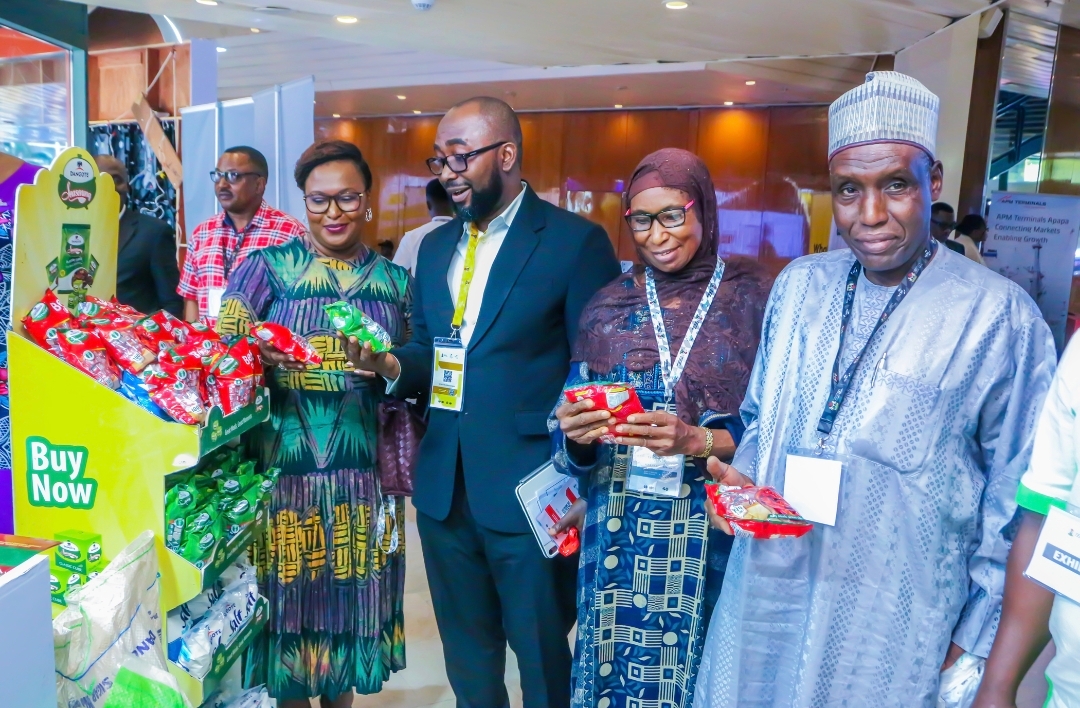
Nascon Allied Industries Plc, a subsidiary of Dangote Industries Limited, and manufacturer of the popular Dangote Salt and Dangote Seasoning brands is set to unveil its research-driven seasoning products at the 2026 Kano Trade Fair.
KANO FOCUS reports that the diversified food products portfolio will be unveiled during the Dangote Special Day on Thursday December 3, 2026, at the ongoing Kano International Trade Fair.
The new seasoning range, comprising Dangote Classic, Dangote Beef Seasoning and Dangote Chicken Seasoning, will be unveiled to customers and participants at the Kano Trade Fair by the Regional Director and Senior Adviser to the President of Dangote Group, Fatima Wali-Abdurrahman, and the Managing Director/Chief Executive Officer of NASCON Allied Industries Plc, Aderemi Saka, in collaboration with the Kano Chamber of Commerce, Industry, Mines and Agriculture (KACCIMA).
Dangote Industries Limited is one of the sponsors of the 47th Kano International Trade Fair with the theme: Repositioning Nigeria’s Economy Through Industrialization, Innovation and Sustainable Trade Development Strategy.
A statement from the Branding and Corporate Communication Department of the company said other strategic business units of the company participating in the Kano Trade Fair include: Dangote Cement Plc, Dangote Sugar Refinery, Dangote Sinotruk, Dangote Packaging, Dangote Fertiliser Limited and Dangote Petroleum Refinery.
However, the unveiling of Nascon’s new seasoning range is expected to be one of the major highlights of the Dangote Group Special Day.
The statement said: “Kano’s rich commercial heritage, extensive distribution networks and strategic position as one of West Africa’s leading trading centres make it a vital market for Nascon and the Dangote brand.
“We therefore invite consumers, visitors and other stakeholders to visit our pavilion to discover and experience our new Dangote Seasoning products. We also extend a warm invitation to distributors, prospective investors and business partners interested in exploring opportunities and becoming part of our expanding distribution network.”
Speaking on Dangote’s sponsorship, participation and unveiling of new products, President of the Kano Chamber of Commerce, Industry, Mines and Agriculture (KACCIMA), Ambassador Ambassador Usman Hassan Darma commended the company for the partnership, adding that the new research-based Seasonings will be accepted by customers and consumers, not only in Kano, but the entire Northern Nigeria.
He said the KACCIMA was ready to partner with the company in deepening market acceptability for the newly innovative products, adding that the KACCIMA-Dangote relationship has come a long way.
He said: “Kano has remained one of West Africa’s foremost commercial centres, with a rich trading heritage that predates modern Nigeria. For generations, the city has built a strong reputation as a hub for commerce, agriculture, textiles, manufacturing and enterprise.
“Its vibrant entrepreneurial culture is driven by a well-established network of traders, manufacturers, distributors and small and medium-sized enterprises, making Kano a critical player in Nigeria’s commercial and industrial landscape.
“Beyond Kano, Northern Nigeria holds immense economic potential across key sectors, including agriculture, livestock, mining, solid minerals, food processing, renewable energy and manufacturing. These sectors offer significant opportunities for investment, industrial growth, job creation and sustainable economic development.
Nasiru Yusuf Ibrahim
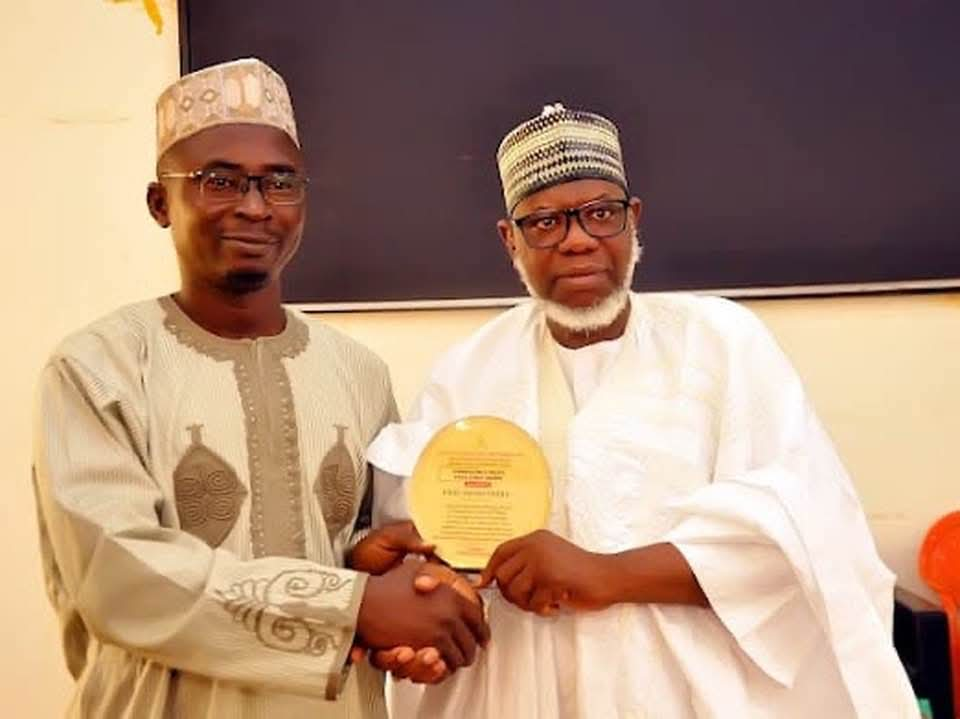
The Ahmadu Bello University (ABU), Zaria, Kaduna State, has honoured the Executive Secretary of the Nigerian Educational Research and Development Council (NERDC), Professor Salisu Shehu, for his contributions to educational advancement.
KANO FOCUS reports that the honour, titled Curriculum and Policy Excellence Award, was conferred on Prof Shehu by ABU’s Faculty of Education during its Roundtable on Education Sector Reforms held on Tuesday.
The NERDC disclosed this in a post on its official Facebook page on Thursday.
Prof Shehu participated in the roundtable as a discussant, where he shared insights on curriculum development and educational policy.
According to the council, the faculty recognised his expertise in curriculum dynamics and education policy, noting that his contributions had enriched discussions on national education sector reforms.
The award recognises his work in advancing curriculum development and shaping education policy in Nigeria.
Headlines
Islamic Forum defends NERDC boss, Prof. Salisu Shehu, over allegations surrounding curriculum reforms
Nasiru Yusuf Ibrahim
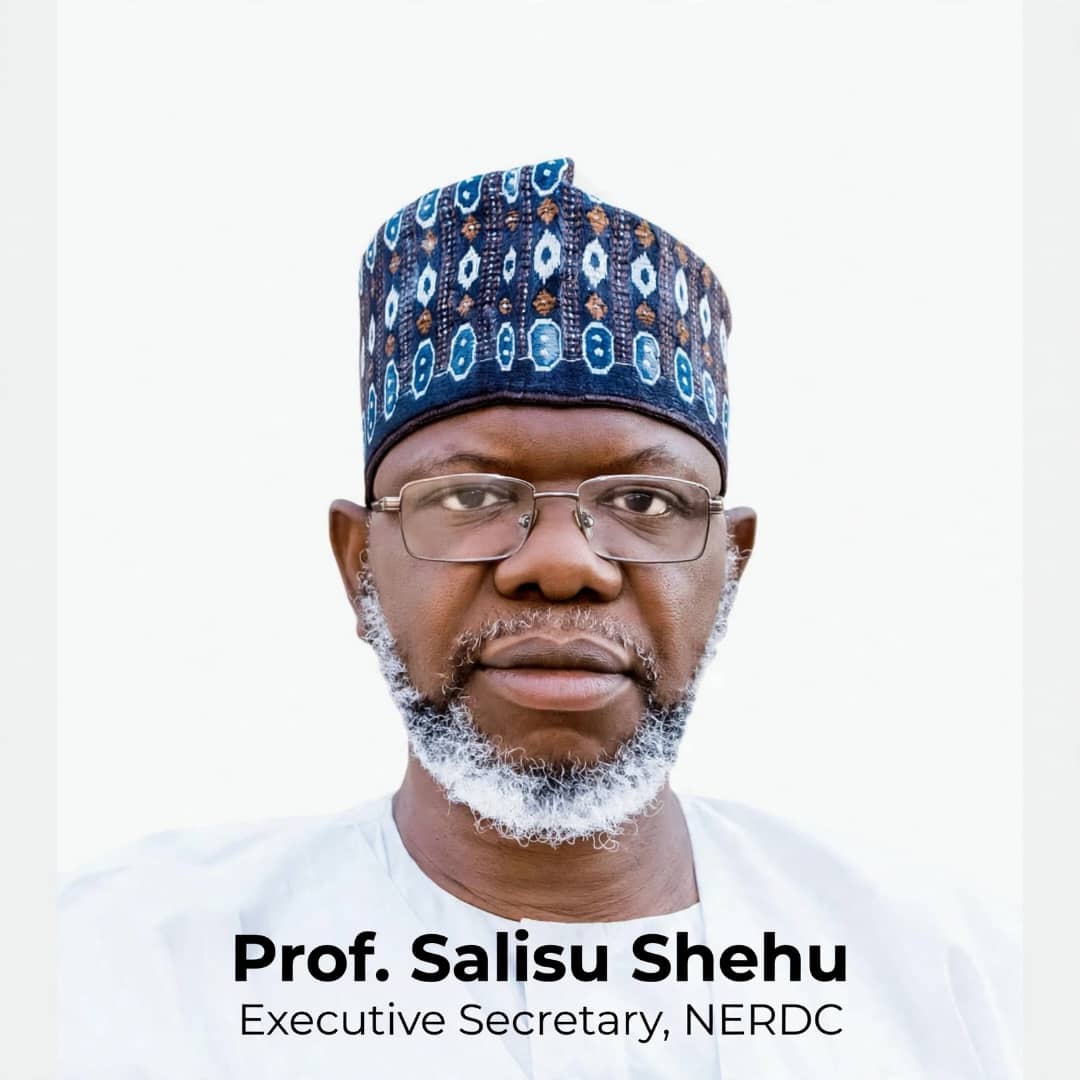
The Islamic Forum of Nigeria (IFN) has defended the Executive Secretary of the Nigerian Educational Research and Development Council (NERDC), Professor Salisu Shehu, against allegations and religious profiling over his leadership of the council and the ongoing national curriculum reforms.
KANO FOCUS that the Forum described the allegations as baseless and misleading, insisting that Professor Shehu’s professional record and performance should be assessed on the basis of verifiable facts rather than his religious identity.
In a statement issued on Tuesday and signed by its Acting Executive Secretary, Dalhatu Muhammad Gwarzo, the organisation said attempts to portray Shehu’s religious background and scholarly contributions to Islamic thought as evidence of an alleged hidden agenda at NERDC were unfair.
It said public institutions and their leaders could be scrutinised, but such assessments should be guided by facts, objectivity and national interest.
The Forum said Shehu’s appointment by President Bola Tinubu in December 2024 was based on his academic and administrative experience, describing him as a professor of Educational Psychology at Bayero University, Kano, with a doctorate from Usmanu Danfodiyo University, Sokoto.
It cited his previous positions at Bayero University, including pioneer Director of the Institute of Continuing Education and pioneer Dean of the School of Continuing Education, where it said he helped expand access to higher education for working-class and non-traditional learners.
The organisation also highlighted his tenure as Director of the Centre for Islamic Civilization and Interfaith Dialogue at the university, saying he promoted religious harmony, interfaith dialogue and peaceful coexistence.
It further cited his service as pioneer Vice-Chancellor of Al-Istiqamah University, Sumaila, Kano State, where it said he oversaw the institution’s take-off, secured regulatory approvals and established academic programmes.
According to the Forum, Shehu also served for a decade as Executive Secretary of the Islamic Forum of Nigeria and as Deputy Secretary-General of the Nigerian Supreme Council for Islamic Affairs before focusing fully on his national assignment in 2025.
On his performance at NERDC, the organisation said Shehu had initiated institutional reforms, including the refurbishment and reactivation of the council’s printing press at its South-West Zonal Office in Lagos.
It also cited the modernisation of the NERDC library and the establishment of an Academic Programmes Committee to strengthen educational research.
On the controversial national curriculum reforms, the Forum said the review followed the council’s statutory multi-stakeholder process across the six geopolitical zones.
It explained that curriculum development involved subject specialists, educators and representatives of different religious and regional backgrounds, with the process subject to institutional and ministerial approval.
The revised curriculum, it said, was designed to reduce subject overload, strengthen core competencies and practical vocational skills, and reintroduce Nigerian History alongside Citizenship and Heritage Studies.
The Forum also said Shehu had maintained a zero-tolerance approach to administrative malpractice, including issuing public disclaimers against fraudulent schemes seeking to exploit the curriculum review exercise.
It urged media organisations, commentators and members of the public to examine the approved national curriculum and assess the NERDC chief based on his competence, character and performance.
The organisation reaffirmed its confidence in Shehu’s integrity and commitment to an inclusive education system, saying Nigeria’s education reforms required experienced scholars and administrators.

Dangote Salt To Unveil New Seasoning Formulas at 2026 Kano Trade Fair

ABU honours NERDC Executive Secretary Salisu Shehu for contributions to education

Islamic Forum defends NERDC boss, Prof. Salisu Shehu, over allegations surrounding curriculum reforms

WHO, UNICEF commend Kano govt over healthcare projects, 484 tricycle ambulances

Dangote Cement records 60% drop in road accidents, honours 35 drivers

Uganda woos Dangote for $billions oil refinery, fertiliser, salt investments

Governor Yusuf swears in six commissioners, three advisers, 19 permanent secretaries

Gov Yusuf Nominates Spokesperson, Sunusi Bature Dawakintofa as Commissioner

Kano Association of Persons with Disabilities Affirms New State Executive Through Consensus

