
Headlines
NCC’s TVWS framework will enhance delivery of digital economy – Pantami


Nasiru Yusuf
Minister of Communications and Digital Economy, Dr. Isa Ali Ibrahim Pantami, has said that the Television White Space (TVWS) framework being developed by the Nigerian Communications Commission (NCC), under the ministry’s supervision, will enhance the delivery of the digital economy agenda of the Federal Government.
The Minister stated this during the Industry Stakeholder Forum on the Guidelines on the use of TVWS in Nigeria, organised by the Commission at its Head Office in Abuja on Tuesday.
The programme was attended by several stakeholders, including the representatives of telecoms companies, the Association of Telecommunications Companies of Nigeria (ATCON), officials from the Ministries of Communications and Digital Economy, and Information and Culture, as well as collaborating agencies in both Ministries.
The Chairman of NCC Board of Commissioners, Prof. Adeolu Akande also led his colleagues on the Board to the forum which was attended by many other professionals from all walks of life, who gathered to make necessary inputs towards finalising the draft TVWS Guidelines.

The TVWS is the unused broadcasting spectrum which can be deployed to provide affordable broadband services to people at the grassroots.
Addressing the audience at the forum, Pantami said the TVWS Guidelines is in sync with the objective of the National Digital Economy Policy and Strategy (NDEPS) unveiled by President Muhammadu Buhari in November last year.
The Minister noted that TVWS issue came up “as a result of a resolution by the National Frequency Management Council (NFMC) in which NCC and National Broadcasting Commission (NBC) were urged to work together by setting up an inter-agency committee that will ensure the deployment and usage of the spectrum for TVWS.”
Dr. Pantami stated that TVWS is domiciled with NBC and can be used in bringing affordable broadband services to unserved and under-served areas and that it is part of the mandate of NCC to ensure universal access to telecoms services.
“It is because of this that NFMC urged both to work together for the effective utilisation of TVWS, which also supports the expanded mandate of the Ministry towards advancing government’s vision of promoting digital economy. In fact, the framework directly addresses two of the eight pillars of NDEPS, which are pillar one and three focusing on developmental regulations, and solid infrastructure, which has broadband access as a central component,” he said.
Dr. Pantami commended the efforts of NCC and NBC for complying with the rule-making process by organising the stakeholder forum to take inputs before finalising work on the TVWS regulations.
The Minister, however, charged the regulator “not to go to sleep” in constantly developing subsidiary regulations as may be necessary, in view of the fast-paced advancement in the global ICT industry.
Prof. Adeolu Akande, Chairman, Board of Commissioners, who commended the Honourable Minister for his support, said the Board of NCC will continue to provide necessary policy directions to the Commission for effective regulations of the telecoms industry.
He stated further that countries such as the United States of America, Singapore, United Kingdom, Canada, Kenya, Namibia and South Africa, have made significant progress towards the optimisation, utilisation and regulation of TVWS, and Nigeria will do so too. He promised that the Board will support the NCC in ensuring that Nigeria is counted on the list of such countries.
Earlier, Prof. Umar Garba Dambatta, Executive Vice Chairman and Chief Executive Officer of NCC, told the stakeholders that the forum was organised specifically to discuss the use of TVWS at finalising the draft Guidelines on the deployment of this technology, in line with the Commission’s commitment towards bridging the digital divide between different strata and sectors of the society.
“A draft of the Regulatory Framework has been concluded and as usual, we have invited you all to this meeting today to present what has been a result of a whole year of hard work, collaboration and consultations, to you for your comments and feedback on the draft document. This will lead to its eventual finalisation and operationalisation,” the EVC said.





Nasiru Yusuf Ibrahim
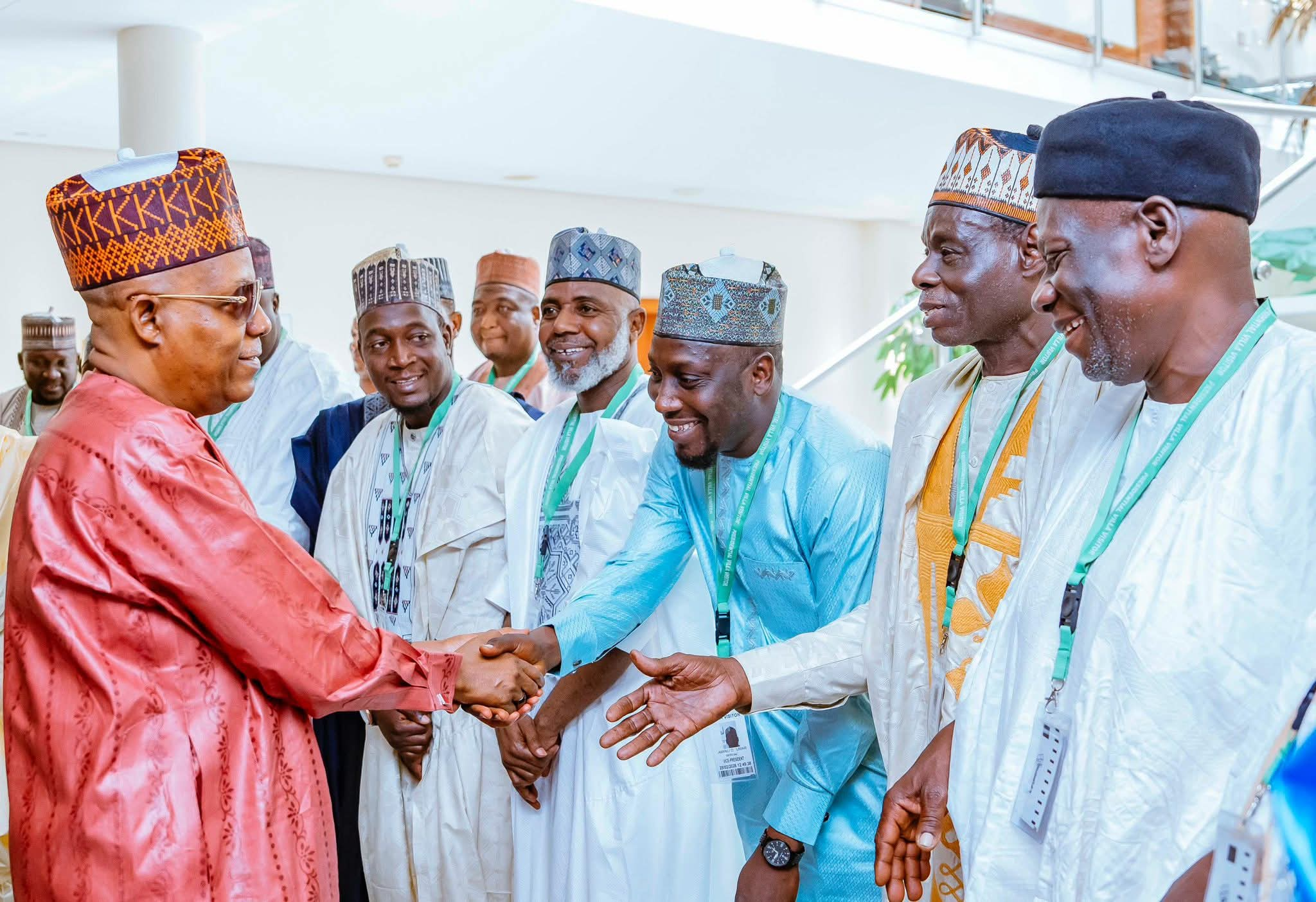
Nigeria’s Vice President, Kashim Shettima, on Tuesday received a delegation from the Association of Kano Business Community at the Presidential Villa, Abuja, during a thank-you visit to President Bola Ahmed Tinubu.
KANO FOCUS reports that the delegation expressed appreciation to the Federal Government for its support to traders and other victims affected by the recent fire incident that razed several sections of the popular Singer Market in Kano.
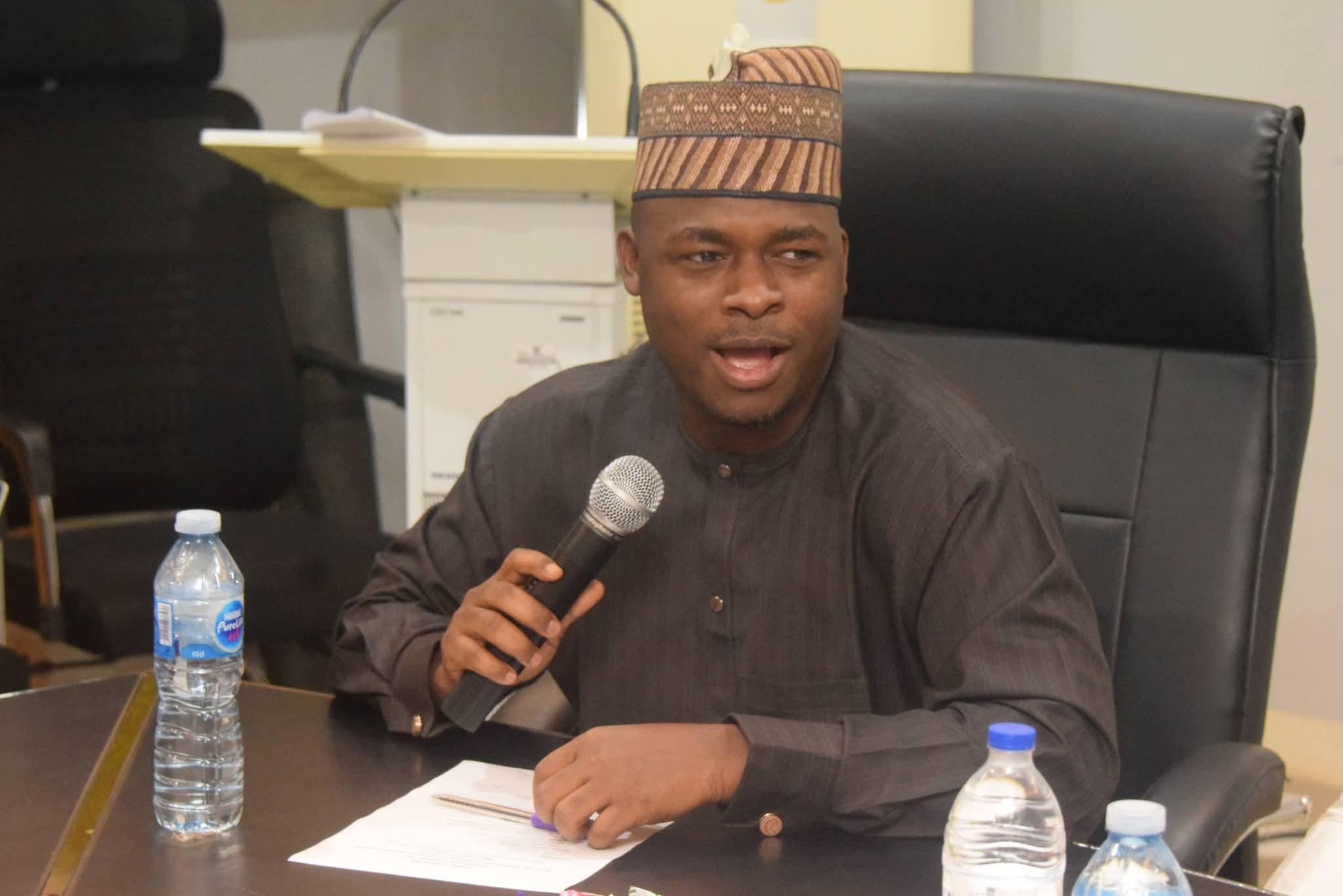
Speaking during the meeting, the Vice President reaffirmed the Federal Government’s commitment to collaborating with the Kano State Government and relevant agencies to prevent a recurrence of fire outbreaks in markets across the state.
He assured the delegation that President Tinubu has the interests of Kano people at heart, noting that the N5 billion approved as immediate relief for victims was based on the findings of a preliminary assessment of the damage caused by the inferno.
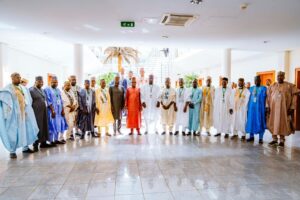
Shettima reiterated that the Federal Government would continue to support efforts aimed at restoring commercial activities and strengthening safety measures in markets to protect lives and property.
Nasiru Yusuf Ibrahim
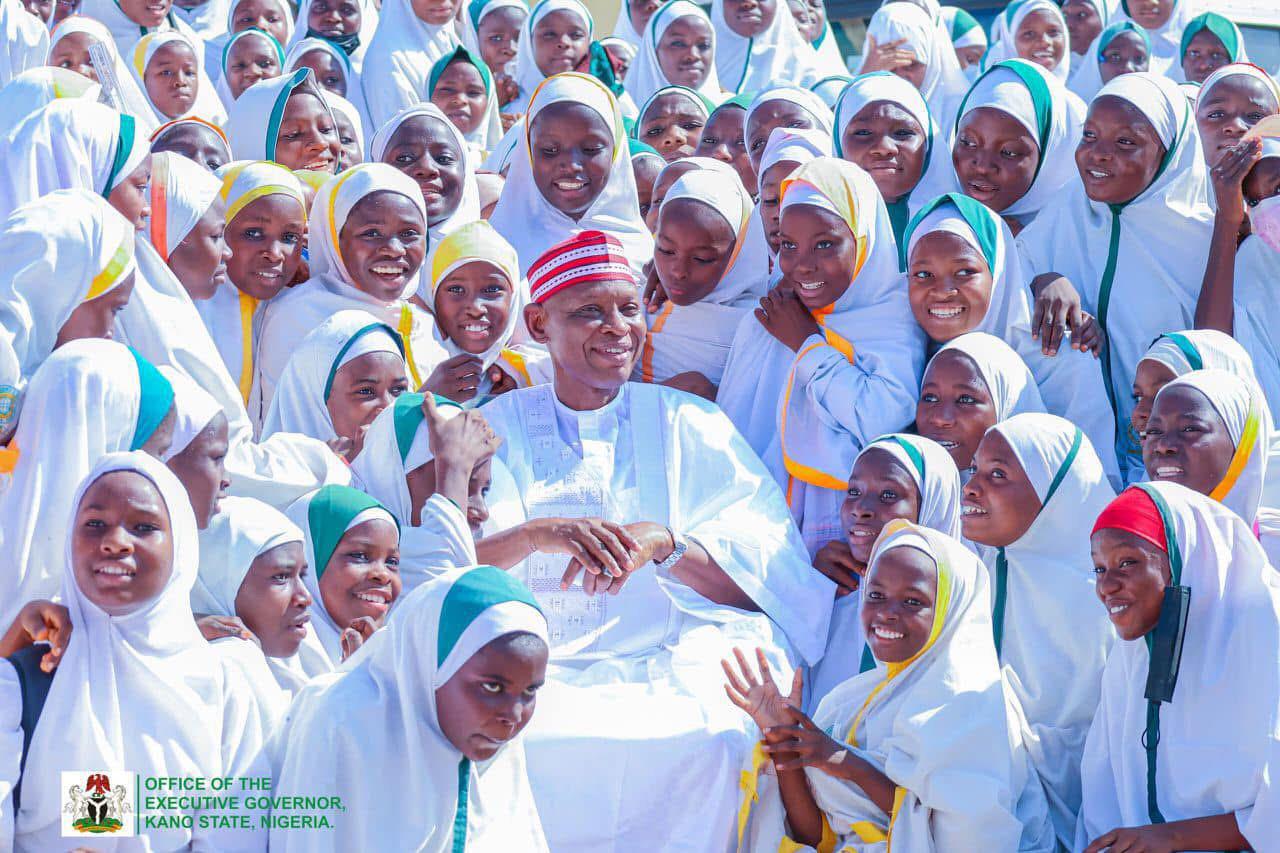
The Kano State Government has inaugurated a 23-member committee to oversee the transparent and equitable distribution of financial assistance and relief materials to victims of the recent Singer Market fire disaster.
KANO FOCUS reports that the inauguration was carried out on behalf of the Secretary to the State Government, Umar Faruq Ibrahim, who chairs the committee. The event was presided over by the state Attorney-General and Commissioner for Justice, Abdulkarim Kabiru Maude.
According to the Attorney-General, the committee comprises representatives from key government agencies, security services, the Kano Emirate Council, religious leaders, and affected traders.
He said the panel’s mandate includes assessing the extent of losses, verifying genuine victims, ensuring timely distribution of support, and recommending measures to prevent future fire incidents.
The intervention follows support approved by President Bola Ahmed Tinubu, as well as contributions from the APC Governors Forum. It also comes in addition to earlier assistance provided by Governor Abba Kabir Yusuf and the Deputy Senate President, Barau I. Jibrin.
The state government reaffirmed its commitment to supporting victims of the disaster and restoring commercial activities at Singer Market.
Nasiru Yusuf Ibrahim
The Kano State Government has announced Saturday, March 1, 2026, as the commencement date for the Eid-el-Fitr break for all public and private primary and post-primary schools in the state.
KANO FOCUS reports that the announcement, contained in the approved 2025/2026 academic calendar, applies to both day and boarding schools across the state.
According to a statement issued by the Director of Public Enlightenment, Musbahu Aminu Yakasai, parents and guardians of pupils and students in boarding schools are expected to convey their wards home by the early hours of Friday, February 28, 2026.
The statement further explained that boarding school students are to resume on Sunday, March 22, 2026, while day students are to resume on Monday, March 23, 2026.
It added that the second term will continue from Sunday, March 22, 2026, and end on Saturday, April 18, 2026.
The government directed all public and private schools in the state to comply strictly with the directive, warning that non-compliance would be treated as a breach of government instructions.
The Commissioner for Education, Ali Haruna Abubakar Makoda, urged parents and guardians to ensure full compliance with the approved resumption dates.
He appreciated parents and residents of the state for their continued cooperation and support to the ministry, and wished pupils and students a successful completion of the Ramadan fast and hitch-free Sallah celebrations.

Kano business community thanks FG for N5bn Singer market relief

Kano Govt inaugurates 23-member committee to disburse Singer market fire relief

Kano Govt announces March 1 for schools’ Ramadan break

NCC board chair hosts licensed telecoms operators in Lagos

Stakeholders seek stronger nutrition financing at local government level

Lami Maccido, first person to appear on screens of NTA Kano, CTV 67, dies at 72

Governor Yusuf Appoints Acting DG for Pilgrims Board, Names Provost for Anti-Corruption Institute

Kano govt investigates reported disease outbreak in Garko community

K-SAFE appeals to Kano Executive Council to pass revised education bill

