
Headlines
Telecommunications contributes N2.3trn to GDP


Nasiru Yusuf
Despite the economic impact of the COVID-19 pandemic, Nigeria’s telecommunications and information services sectors have contributed N2.3 trillion or 14.30% of Gross Domestic Product (GDP) in the second quarter of 2020.
Kano Focus reports that the data released by National Bureau of Statistics show that the contribution of the sector translates to N2.272 trillion, up from N1.821 trillion in the first quarter of the year.
This, according to NBS figures indicates an increase of 31.43 per cent.
While the entire Information and Communication Technology (ICT) industry recorded 17.83 per cent in the second quarter, the 14.30 per cent contribution of the telecoms sub-sector was unprecedented, far and above oil and gas, and other non-oil sectors’.

Checks showed that, in 2015, telecoms’ contribution to GDP stood at eight per cent and has grown significantly quarter-on-quarter and year-on-year to reach the current milestone of 14.30 per cent.
Computer professionals support NCC in deploying 5G in Nigeria
COVID-19 virtual hackathon: NCC to award N9m research grants to 3 winners
COVID-19: NCC, Danbatta receive awards for keeping Nigerians connected
Meanwhile, industry stakeholders attributed the second quarter contribution of telecoms sector, which represents a leap from the 10.88 per cent in Q1 2020, to the sound regulatory environment enthroned by the Nigerian Communications Commission (NCC).
The stakeholders, including the Association of Telecoms Companies of Nigeria, (ATCON), Association of Licensed Telecoms Operators (ALTON), and the National Association of Telecoms Subscribers (NATCOMS), who spoke with Journalists on the matter, commended the regulatory framework driving the digital frontiers in the last five years.
The ALTON Chairman, Gbenga Adebayo, thanked all industry players for their resilience and consistency of purpose.
Adebayo hinged the growth on so many factors including the investor friendly policy and regulatory environment championed by the leadership of NCC, commitment of all stakeholders, consistent investment on network maintenance and expansion, and sacrifice by sector operators.
To sustain this growth, the ALTON Chairman said the country should continue to invest in network expansion and maintenance operations, access to foreign exchange to procure network critical equipment, consistency in policy and policy environment.
Mr Adebayo said there should be access to spectrum and friendly policies around its allocation, assignment and cooperation between the stakeholders.
ATCON President, Olusola Teniola, said: “telecoms industry has remained bullish owing to the quality of leadership at the helm of affairs at the Commission.”
He added that NCC had become reference point in telecoms regulatory ecosystem in Africa and beyond.
In the same vein, President of National Association of Telecoms Subscribers of Nigeria (NATCOMS) Adeolu Ogunbajo, said the proactive regulatory approach of Danbatta has helped made telecoms “the oxygen that keeps economic activities afloat during the lockdowns and consumers are appreciative of the fact that the Commission, working with its supervising Ministry, didn’t allow consumer to suffer serious disruption to quality of service and quality of experience.”
Checks showed that effective regulatory regime, backed by various initiatives of the Commission and efforts of the supervising Ministry of Communications and Digital Economy at addressing industry challenges, is providing the needed digital valves that have supported the economy from collapse, since the outbreak of COVID-19 pandemic in the country.
The increase in broadband penetration, Internet usage, number of access to telephone and several other initiatives by the Commission, especially in the areas of driving tech innovations, employment creation, promotion of digital inclusiveness, which are policy directions of NCC, an industry regulator, have, in the last five years, boosted the sector’s contribution to GDP.
These policy activities have also enhanced growth of digital-based activities across other sectors of economy increasing efficiency and effectiveness in economic operations.
Speaking recently at the Commission’s first virtual telecoms consumer parliament (VTCP), the Executive Vice Chairman of NCC, Umar Garba Danbatta, noted that the NCC, ensured has always been innovative and proactive in its regulatory activities by ensuring that the economy remains afloat despite the restrictions occasioned by the pandemic.


Nasiru Yusuf Ibrahim
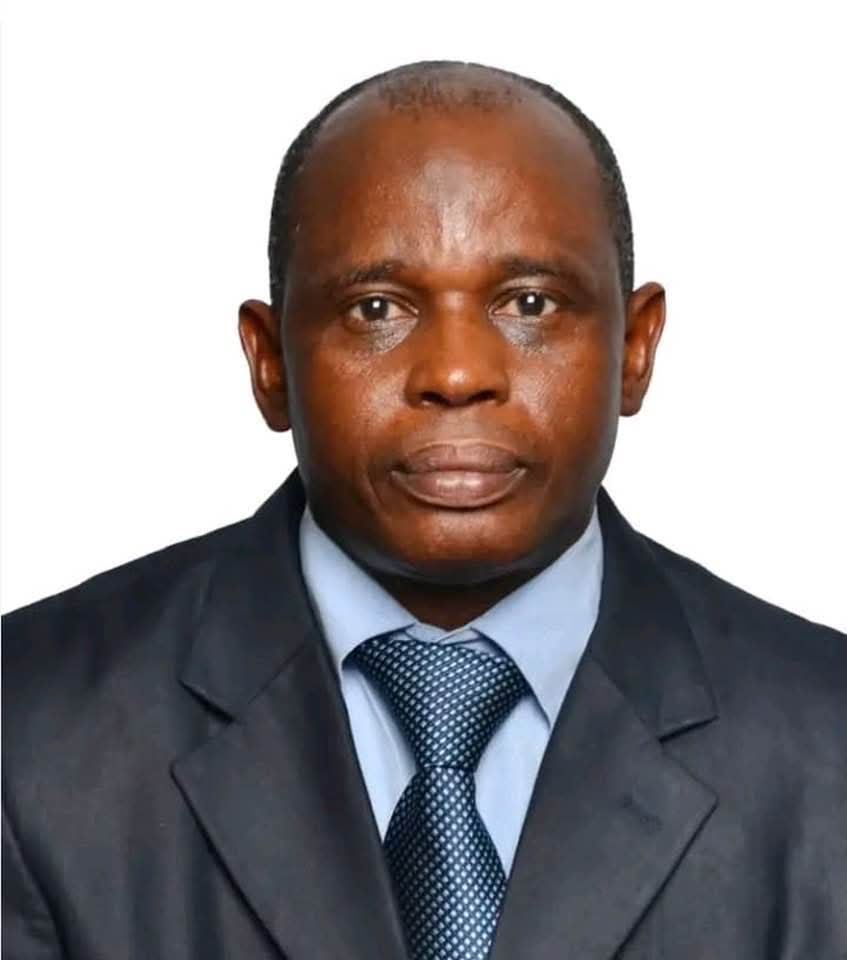
Governor Abba Kabir Yusuf has expressed deep sorrow over the death of former Kano State Commissioner of Finance and renowned academic, Professor Kabiru Isa Dandago.
KANO FOCUS reports that the governor’s reaction was contained in a statement issued on Wednesday by his spokesperson, Sunusi Bature Dawakin Tofa, Director General, Media and Publicity, Government House, Kano.
Governor Yusuf described the late Prof. Dandago as a dedicated public servant and accomplished scholar whose contributions to education and governance left lasting footprints in Kano State.
He noted that the former finance commissioner served the state with integrity and commitment and was widely respected for his professionalism, humility and passion for knowledge.
According to the governor, Kano State has lost a valuable son whose experience and wisdom greatly enriched both public service and the academic community.
Governor Yusuf extended his heartfelt condolences to the family of the deceased, the academic community and the people of Kano State over what he described as an irreparable loss.
He prayed that Almighty Allah forgives the shortcomings of the late Prof. Dandago, grants him Aljannatul Firdaus and gives his family and loved ones the fortitude to bear the loss.
Nasiru Yusuf Ibrahim
The National President of the Government Arabic Teachers College Gwale Old Students Association (GATCOSA), Professor Kabiru Isa Dandago, is dead.
KANO FOCUS reports that Prof. Dandago, a renowned Professor of Accountancy at Bayero University Kano, died on Wednesday evening. His passing has thrown the academic community and associates into mourning.
In a message shared on GATCOSA’s WhatsApp platform, a Director at the Kano State Ministry of Higher Education, Alhaji Nura Dandago, announced that the funeral prayer for the late professor would be held on Thursday at 9:00 a.m. at his residence in Rijiyar Zaki Quarters, Kano.
Until his death, Prof. Dandago served as the National President of GATCOSA and was widely respected for his contributions to education and public service. He previously served as Commissioner for Finance in Kano State during the administration of former Governor Abdullahi Umar Ganduje.
Just last Saturday, the late academic presented a paper on economic challenges in Northern Nigeria at a Ramadan Lecture organised by the Islamic Forum of Nigeria, where he spoke passionately about strategies for economic reform and regional development.
Colleagues and admirers described Prof. Dandago as a dedicated scholar and public servant who was deeply committed to building a prosperous and self-reliant nation. His death marks the end of a distinguished career in academia and public service.
Nasiru Yusuf Ibrahim
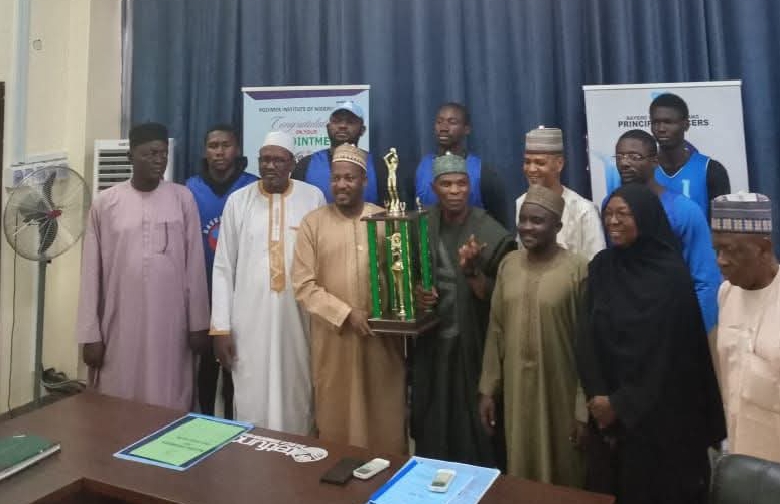
The basketball team of Bayero University Kano (BUK) has emerged champions of the Northwest 3×3 Basketball Championship hosted by Ahmadu Bello University (ABU), Zaria.
KANO FOCUS reports that the victorious team presented the championship trophy to the Vice-Chancellor, Prof. Haruna Musa, following their impressive performance at the tournament, which featured six universities from across Northern Nigeria.
BUK went unbeaten throughout the competition, winning all six matches and sealing the title with a thrilling 20–18 victory over the host institution, ABU Zaria, in the final.
In the group stage, BUK recorded a 10–0 win against Northwest University, Kano, and defeated the Air Force Institute of Technology 33–20. The team also edged the Federal University of Education, Kano, 11–9, before securing another dominant 10–0 victory over the Federal University of Transportation, Daura. They capped their remarkable run with the narrow 20–18 triumph in the final.
The victory marks BUK’s second championship title in the history of the competition, reinforcing the university’s growing reputation in collegiate sports.
Receiving the team, the Vice-Chancellor congratulated the athletes for bringing pride to the institution and urged them to sustain and surpass their current achievements. He reaffirmed the management’s commitment to strengthening sports development in the university and pledged continued institutional and individual support for the players’ sporting careers.
The presentation ceremony concluded with the formal handover of the trophy and cash rewards to the athletes in recognition of their discipline, teamwork and excellence.

Gov. Yusuf mourns former Kano finance commissioner, Prof. Dandago

Abba Care: A Lifeline of Compassion in Kano State
GATCOSA President, Prof. Kabiru Isa Dandago is dead

BUK clinches Northwest 3×3 basketball title at ABU Zaria

Kano rolls out emergency medical services, deploys 20 Ambulances

Lami Maccido, first person to appear on screens of NTA Kano, CTV 67, dies at 72

Kano begins Ramadan food distribution as Gov. Yusuf constitutes feeding committee

Kano Police announce movement restrictions ahead of assembly by-elections

K-SAFE appeals to Kano Executive Council to pass revised education bill

