
Headlines
Emefiele commissions N15 billion ultra-modern Gerawa rice mills in Kano


Nasiru Yusuf
The Governor of the Central Bank of Nigeria (CBN), Godwin Emefiele, has on Tuesday commissioned a N15 billion ultra-modern Gerawa Rice mills, a private owned plant in Kano.
KANO FOCUS reports that the rice mills has the capacity to produce 420 metric tons per day.
Speaking at the occasion Emefiele urged rice mills in the country to embrace the Bank’s backward integration initiative aimed at conserving foreign exchange reserves, revamping local production capacity and creating employment.
Emefiele stressed the need for rice millers in Nigeria to get involved in paddy production to guarantee sustainable supply of paddy to their mills and also complement the supply from the smallholder farmers through the CBN’s partnership with the Rice Farmers Association (RIFAN) and prime anchors.


He noted that the nrumber of rice mills in Nigeria had grown from less than ten, with a combined capacity of less than 350,000 metric tons, prior to the launch of the Anchor Borrowers’ Programme (ABP) in 2015, to over 60 integrated rice mills, with a combined capacity of about 3 million metric tons as at January 2022, with about 10 more mills scheduled to be commissioned later this year.
Furthermore, the Governor said the increasing number of rice mills, which were complemented by hundreds of small-scale mills located in every State of the Federation, attested to the conducive environment the CBN had been able to create in the rice value chain through its initiatives and stakeholders’ collaboration.
While stressing the need to match the increasing milling capacity of rice nationwide with increased paddy production, Emefiele charged millers to take advantage of the Anchor Borrowers’ Programme and the Private-Sector Led Accelerated Agriculture Development Scheme (P-AADS) of the Bank, which provide long-term financing option to millers to finance commercial farms, land development, irrigation facilities and other agricultural infrastructure that will enhance their respective production plans.
Also noting that the quality of milled rice in Nigeria could match most foreign brands, he expressed gladness that the Bank’s collaboration with the fiscal authorities had helped to curtail the proliferation of Nigerian markets by sub-standard imported rice varieties. He therefore enjoined Nigerians to heed the call of President Muhammadu Buhari to “produce what we eat and eat what we produce,” by patronizing rice brands milled in Nigeria,

Godwin Emefiele,
Mr. Emefiele said the resuscitated Nigeria Commodity Exchange (NCX) will facilitate grading, sorting, quality assurance and storage infrastructure for key agricultural commodities and also enhance price discovery for smallholder farmers, adding that the exchange will provide aggregation hubs for millers to enhance paddy off-take and grow to providing futures for millers and farmers to lock in prices and operate under a controlled price regime.
In his remarks, the Kano Governor, Abdullahi Umar Ganduje, thanked the CBN Governor, for not only extending ABP facilities to Kano, but also assisting the State in the area of infrastructural development of facilities such as the Tiga and Chalawa hydro-electricity dam projects.
The promoter to the rice mill, Isa Muhammad Garewa commended the vision of the CBN Governor on initiating the Anchor Borrowers’ Programme (ABP), which has turned out to be the saving grace of Nigeria, especially with the outbreak of the Corona virus (COVID-19).
Gerawa, explained that the new facility will provide over 15,000 direct job opportunities with potential capacity to produce 420 tons of day.

He applauded the support of the CBN and other financial institutions that support the actualisation of the facility that aimed at enhancing the economic viability of Kano and Jigawa states.

Nasiru Yusuf Ibrahim
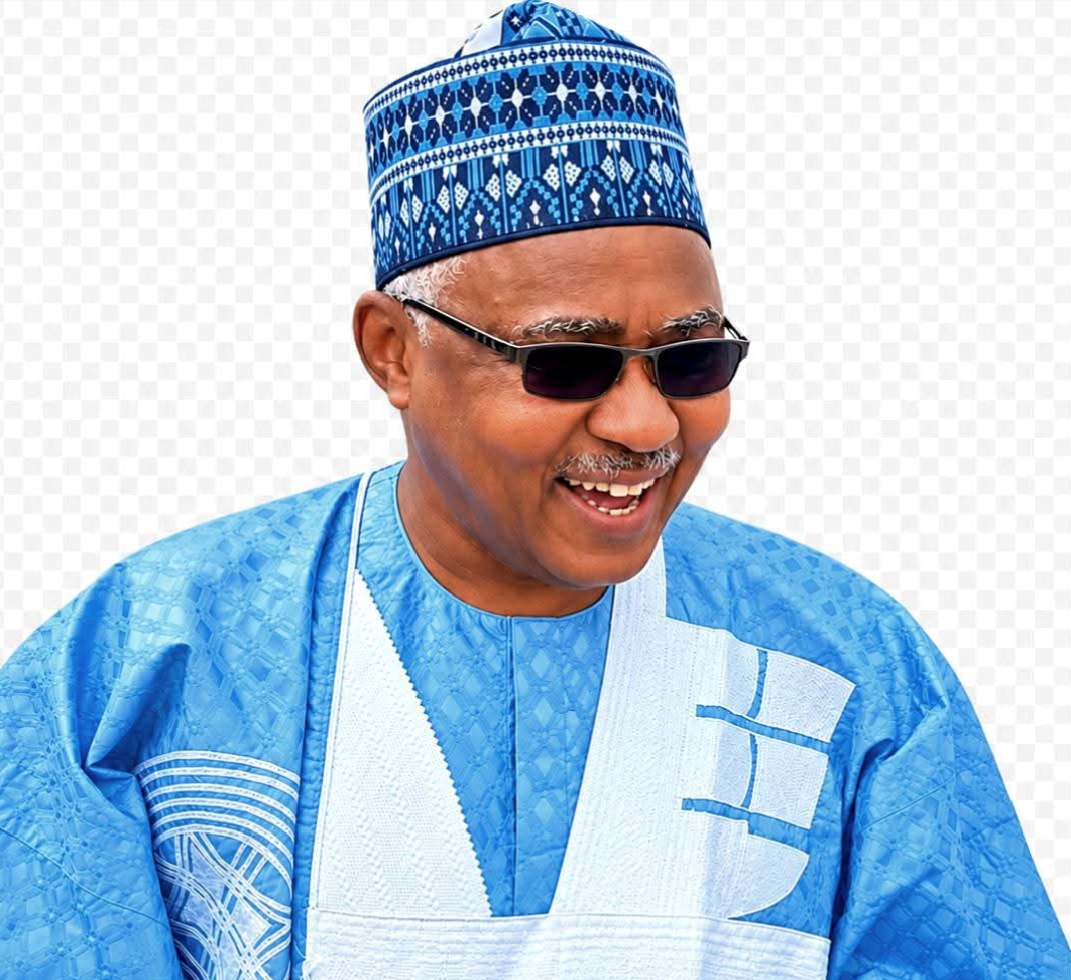
Political allies and loyalists of former Managing Director of the Nigerian Ports Authority (NPA), Arc Aminu Dabo, have begun resigning from the All Progressives Congress (APC) in Kano State following his withdrawal from the ruling party.
KANO FOCUS reports that the supporters, operating under the political group Dabo Alheri Ne, reportedly include members across Kano State’s 44 local government areas.
Barely two days after Dabo announced his resignation from the APC, a prominent stakeholder of the group, Garba Zakiru Dambatta, said members had welcomed the decision and were showing solidarity by submitting their resignation letters to their respective ward party chairmen.
Dambatta, a former APC chairman in Dambatta Local Government Area, said the group’s members were disappointed with what they described as the prolonged marginalisation of Mr Dabo and his supporters within the party.
According to him, despite Mr Dabo’s contributions to the APC and efforts to strengthen the party and manage disagreements among its members, some key stakeholders had continued to sideline him and his loyalists in party activities.
Dambatta reaffirmed the group’s commitment to standing by Mr Dabo’s political decisions and supporting his future political journey.
He also urged the former NPA managing director not to succumb to political pressure or reverse his decision to leave the party.
“This step you have taken, we have the conviction that it is the beginning of a new chapter of goodness in your life,” Dambatta said.
Among the prominent members of the group identified as supporting Mr Dabo’s decision are Abba Rabee’u, a former Senior Special Assistant on Political Awareness; Almustapha Jilani Danmalam, a former Senior Special Assistant on Education; Jamilu Abdullahi Zangon-Mata, a former Senior Special Assistant on Entrepreneurship; and Fahd A. Dabo, a former Special Assistant on Youth Mobilisation.
The individuals reportedly served during the second term of former Kano State Governor Abdullahi Umar Ganduje.
The group also said several other party loyalists and supporters were backing Dabo following his resignation.
However, the statement did not provide the number of members who had formally resigned from the APC or indicate whether the party leadership had responded to the development.
Nasiru Yusuf Ibrahim
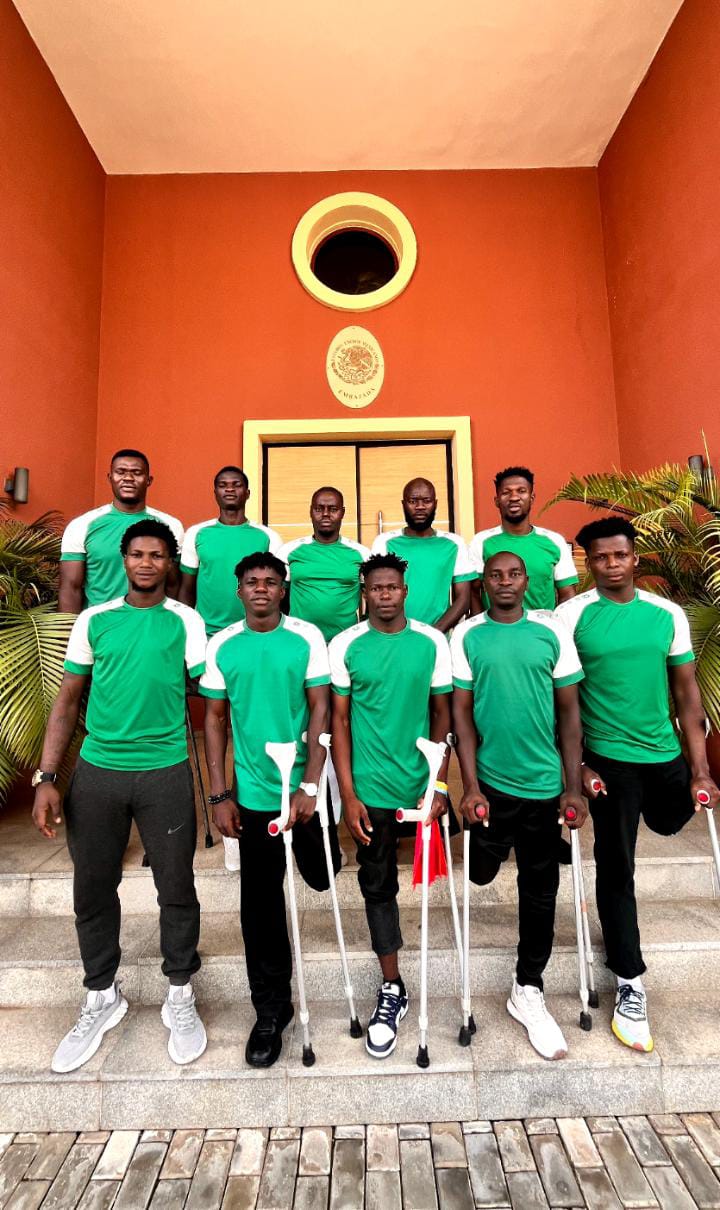
Five players of Kano Pillars Amputee Football Club have been invited to the national camp of Nigeria’s Special Super Eagles ahead of the 2026 Amputee Football World Cup in Mexico.
KANO FOCUS reports that invited players are Isah Yusuf, Abba Musa, Habu Friday, Emanuel Betel and Usman Ahmed. They are currently in Abuja with the national team as preparations intensify for the global tournament.
The Team Manager of Kano Pillars Amputee Football Team, Jamilu Uba Adamu, disclosed this in an interview with Ashiru Rabiu Gidan Tudu, Information Officer of the Kano State Sports Commission.
Adamu described the invitation as recognition of the players’ dedication, discipline and outstanding performances.
He expressed confidence that the players would represent Kano State and Nigeria with honour at the championship.
According to him, the call-up also demonstrates Kano Pillars’ commitment to nurturing talented amputee footballers and contributing to the development of the sport in Nigeria.
The 2026 Amputee Football World Cup is scheduled to take place from November 13 to 22 in San Juan de los Lagos, Mexico. A total of 24 countries, including seven African nations, are expected to participate.
The Executive Chairman of the Kano State Sports Commission, Muhammad Tukur Babangida, congratulated the five players on their invitation, describing it as well deserved.
Babangida expressed confidence that they would justify the confidence reposed in them by the national team selectors.
He assured the players of the commission’s continued support and urged them to remain focused, disciplined and committed to making Kano State and Nigeria proud on the international stage.
Ibrahim Khalil
A chieftain of the All Progressives Congress (APC) in Kano State, Aminu Dabo, has resigned as the party’s caucus chairman in Dambatta Local Government Area and withdrawn his membership of the ruling party.
KANO FOCUS reports that Dabo, a former Managing Director of the Nigerian Ports Authority (NPA), announced his resignation in a letter dated October 7, 2026, addressed to the APC chairman of Dambatta Gabas Ward.
In the letter, personally signed by him, Dabo said he took the decision after careful consideration of personal reasons and his future endeavours.
He confirmed his resignation during a telephone conversation from Abuja on Wednesday, saying he had formally submitted the letter to the appropriate party officials in Dambatta for necessary action.
“I remain grateful for the cordial relationship I enjoyed and appreciative of the experience gained during my time of service,” he said.
The former NPA managing director also thanked the party’s leadership for the opportunity and confidence reposed in him to contribute to its development and progress during his membership.
“I sincerely appreciate the support and opportunity I have received from the party leadership,” he added.
A statement issued by Abdullahi Othman, Media and Publicity Aide to Dabo Dabo, said the former NPA MD did not disclose further details about his reasons for leaving the APC in the resignation letter.

Dabo’s resignation triggers wave of defections from APC in Kano

Five Kano Pillars Amputee Players Invited to Special Eagles Camp Ahead of World Cup

BUK Professor advocates microfinance to tackle food insecurity, poverty

General Elections 2027: Abba Kabir Yusuf traverses the path to victory
Former NPA MD Aminu Dabo resigns as APC caucus chairman in Dambatta

Kano leads again as NECO successes rise to 74,413
Kano tops states in 2026 NECO results, Governor Yusuf hails students

Kano Govt Suspends Durbar Processions, Horse Riding in Metropolis

ACF begins Dangote Refinery IPO sensitisation campaign in Kano

