
Headlines
Name and shame perpetrators of curruption – NUJ Chair tells journalists

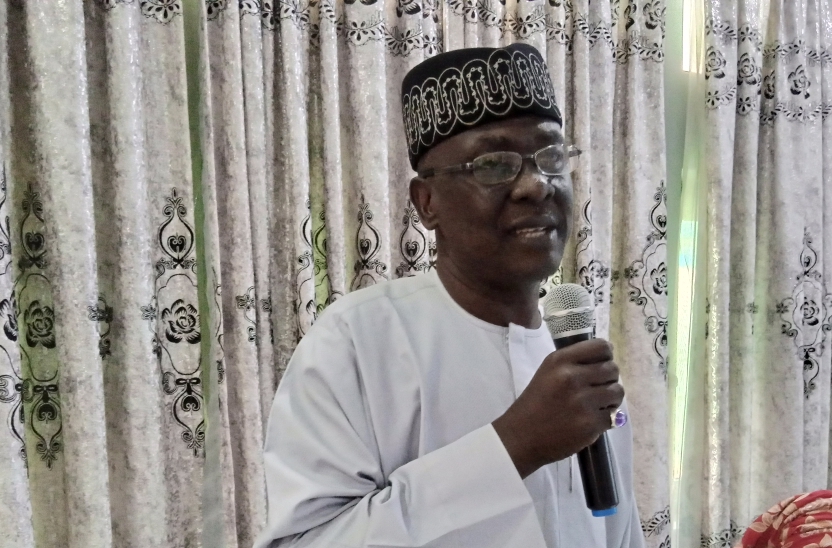
Nasiru Yusuf
The chairman of Nigeria Union of Journalists (NUJ), Kano state council Comrade Abbas Ibrahim has charged journalists to name and shame perpetrators of curruption in their reportage.
KANO FOCUS reports that Mr Ibrahim made the call during a training for journalists on anti corruption and accountability issues, held in Kano.
He advised journalists to develop a corruption convicts register to enable people access the data of those convicted of corrupt practices.
Ibrahim, described corruption as a monster that has done so much damage on the country.

He reiterated that journalists have significant role to play in ensuring that credible leaders are elected in 2023.
Mr Ibrahim charged journalists to always display professionalism and stick to the ethics of the profession.
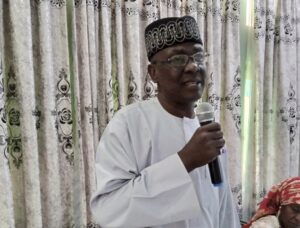
Comrade Abbas Ibrahim
He highlighted that, as watch dogs of the society whom the public rely for factual information, it becomes paramount for newsmen, to discharge their duties effectively and hold leaders accountable where the need arise.
As professional Journalists, Mr Abbas admonished newsmen to desist from seeking gratification as prerequisite of publishing news report.
In his remarks, the Executive Director, Civil Society Legislative Advocacy Centre (CISLAC), Auwal Ibrahim Musa Rafsanjani, tasked the media to commit those seeking political offices in 2023 to reforms.
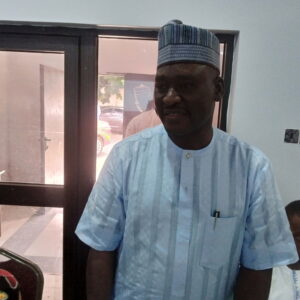
Auwal Musa Rafsanjani
Rafsanjani asked media practitioners to prioritize anti-corruption and accountability issues as they take on politicians during campaigns towards 2023 general elections.
He expressed concern that politicians hardly talk about how to tackle corruption or address decadence in the education sector. This Rafsanjani felt, was not encouraging considering the damage done by corruption in Nigeria.
“We should put these issues at the front burner as politicians begin their campaigns because the fact that they are not talking about it is of great concern,” he stated.
CISLAC boss also recalled the recently concluded primary elections that witnessed heavy financial inducement and warned that Nigerians must not go into general elections with a mindset to induce voters.
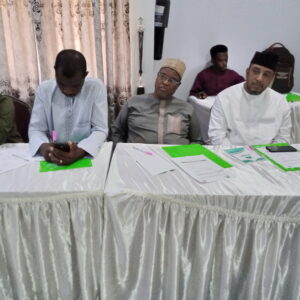
Cross section of participants
Rafsanjani noted that: “When there is compromise or poor handling of how to deal with the nation’s challenges, there is a huge consequence. Kano had a lot of industries in the past but because of corruption in the power sector, a lot of them have closed down, leaving many people jobless.
“A lot of people have left Nigeria because of the problems of joblessness and insecurity. It is only in Nigeria that schools will close for six months and those in charge of education have not resigned.”
He added: “The Academic Staff Union of Universities (ASUU) got salary review since 2009 and everyone knows how expensive the country has become. Politicians and Legislators earn as much as N17 to N19million monthly aside other benefits while a Professor after spending 30 years teaching, earns about N416,000 monthly.
“If politicians are earning so much, why look down on teachers? This is basterdization of public institutions,” he stated.
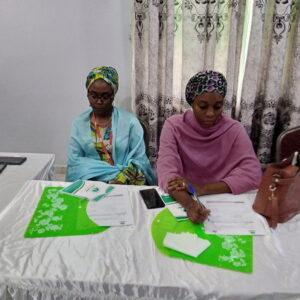
Cross section of participants
On the security situation bedeviling the country, he said: “When you allow criminals to come in with weapons because of the little graft they offer, it is a challenge.”
He lamented how people come into the country freely with drugs and guns because of the compromise of agencies charged with the responsibility of manning the border.
“We just have to understand the consequences of corruption. It has destroyed our value system and helped to undermine development, yet we move as if everything is alright.
“We must make politicians to be committed to proper reforms. In the last seven years, some people promised to fight corruption, provide jobs and fight insecurity. But we have all seen what is happening.”
Rafsanjani therefore urged journalists to confront politicians with appropriate questions as a way of committing them into actions and be able to demand accountability from them when they default.
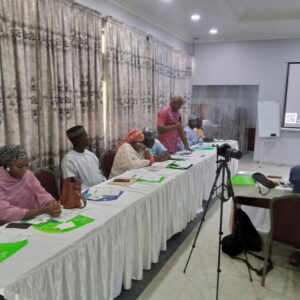
Cross section of participants
While commending their past efforts, he further tasked them to help checkmate politicians, noting that without the media, it will be difficult to get the people informed as well as hold government accountable.
Speaking, the Executive Director, Women in Media Communications Initiative, Hajiya Halima Ben Umar, stressed that the media should be bold enough to demand explanation from political office seekers on how to tackle Nigeria’s problems.
“We want issue-based campaign; journalists must ask questions on what they have to offer in addressing mirage of problems confronting the country, especially with regards to women, disabled and vulnerable groups.”

The General Secretary, Kano State Civil Society Forum Peter Hassan Tijani stated that the media is key in the mission to rescue Nigeria, adding that journalists must engage in more serious issues rather than political distractions as have been trending in the media recently.
He charged journalists to focus on people-orientated issues that are capable of changing the narratives of what citizens are facing in the country. He also stressed the need for CSOs to partner the media in order to save the country from corrupt leaders.

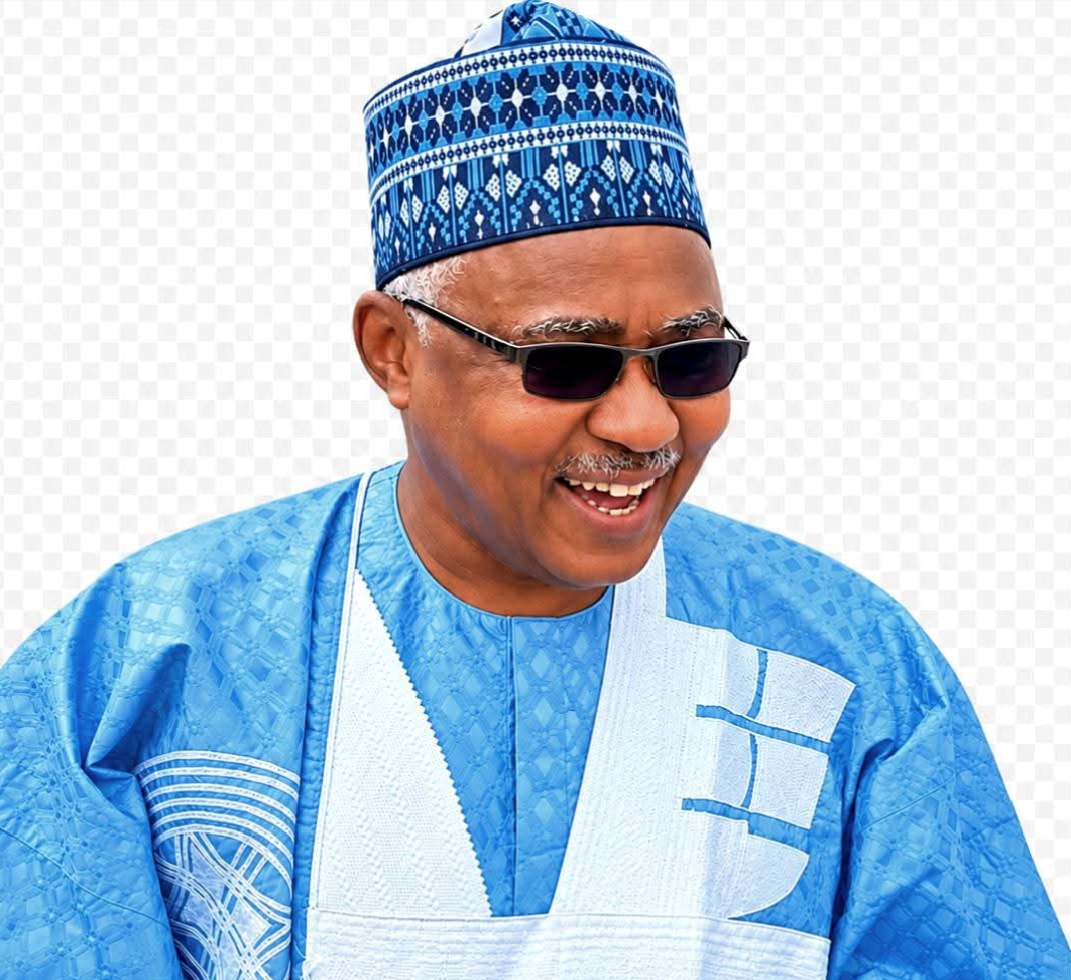
Nasiru Yusuf Ibrahim
Political allies and loyalists of former Managing Director of the Nigerian Ports Authority (NPA), Arc Aminu Dabo, have begun resigning from the All Progressives Congress (APC) in Kano State following his withdrawal from the ruling party.
KANO FOCUS reports that the supporters, operating under the political group Dabo Alheri Ne, reportedly include members across Kano State’s 44 local government areas.
Barely two days after Dabo announced his resignation from the APC, a prominent stakeholder of the group, Garba Zakiru Dambatta, said members had welcomed the decision and were showing solidarity by submitting their resignation letters to their respective ward party chairmen.
Dambatta, a former APC chairman in Dambatta Local Government Area, said the group’s members were disappointed with what they described as the prolonged marginalisation of Mr Dabo and his supporters within the party.
According to him, despite Mr Dabo’s contributions to the APC and efforts to strengthen the party and manage disagreements among its members, some key stakeholders had continued to sideline him and his loyalists in party activities.
Dambatta reaffirmed the group’s commitment to standing by Mr Dabo’s political decisions and supporting his future political journey.
He also urged the former NPA managing director not to succumb to political pressure or reverse his decision to leave the party.
“This step you have taken, we have the conviction that it is the beginning of a new chapter of goodness in your life,” Dambatta said.
Among the prominent members of the group identified as supporting Mr Dabo’s decision are Abba Rabee’u, a former Senior Special Assistant on Political Awareness; Almustapha Jilani Danmalam, a former Senior Special Assistant on Education; Jamilu Abdullahi Zangon-Mata, a former Senior Special Assistant on Entrepreneurship; and Fahd A. Dabo, a former Special Assistant on Youth Mobilisation.
The individuals reportedly served during the second term of former Kano State Governor Abdullahi Umar Ganduje.
The group also said several other party loyalists and supporters were backing Dabo following his resignation.
However, the statement did not provide the number of members who had formally resigned from the APC or indicate whether the party leadership had responded to the development.
Nasiru Yusuf Ibrahim
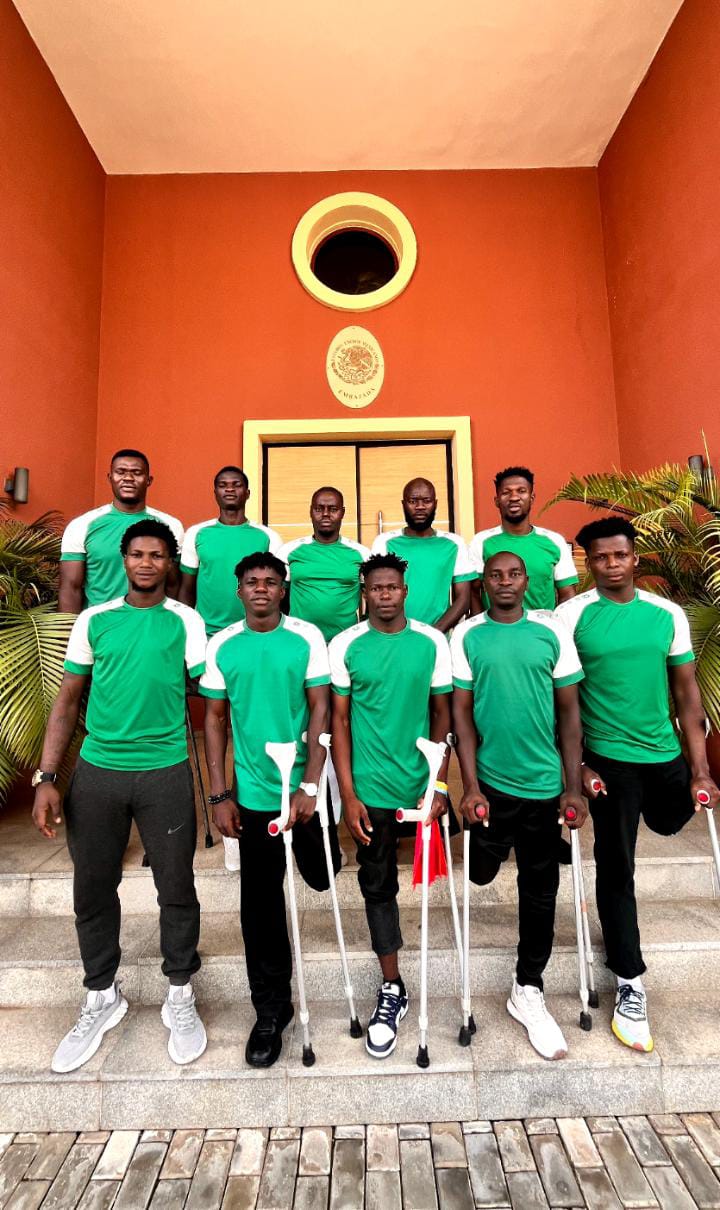
Five players of Kano Pillars Amputee Football Club have been invited to the national camp of Nigeria’s Special Super Eagles ahead of the 2026 Amputee Football World Cup in Mexico.
KANO FOCUS reports that invited players are Isah Yusuf, Abba Musa, Habu Friday, Emanuel Betel and Usman Ahmed. They are currently in Abuja with the national team as preparations intensify for the global tournament.
The Team Manager of Kano Pillars Amputee Football Team, Jamilu Uba Adamu, disclosed this in an interview with Ashiru Rabiu Gidan Tudu, Information Officer of the Kano State Sports Commission.
Adamu described the invitation as recognition of the players’ dedication, discipline and outstanding performances.
He expressed confidence that the players would represent Kano State and Nigeria with honour at the championship.
According to him, the call-up also demonstrates Kano Pillars’ commitment to nurturing talented amputee footballers and contributing to the development of the sport in Nigeria.
The 2026 Amputee Football World Cup is scheduled to take place from November 13 to 22 in San Juan de los Lagos, Mexico. A total of 24 countries, including seven African nations, are expected to participate.
The Executive Chairman of the Kano State Sports Commission, Muhammad Tukur Babangida, congratulated the five players on their invitation, describing it as well deserved.
Babangida expressed confidence that they would justify the confidence reposed in them by the national team selectors.
He assured the players of the commission’s continued support and urged them to remain focused, disciplined and committed to making Kano State and Nigeria proud on the international stage.
Ibrahim Khalil
A chieftain of the All Progressives Congress (APC) in Kano State, Aminu Dabo, has resigned as the party’s caucus chairman in Dambatta Local Government Area and withdrawn his membership of the ruling party.
KANO FOCUS reports that Dabo, a former Managing Director of the Nigerian Ports Authority (NPA), announced his resignation in a letter dated October 7, 2026, addressed to the APC chairman of Dambatta Gabas Ward.
In the letter, personally signed by him, Dabo said he took the decision after careful consideration of personal reasons and his future endeavours.
He confirmed his resignation during a telephone conversation from Abuja on Wednesday, saying he had formally submitted the letter to the appropriate party officials in Dambatta for necessary action.
“I remain grateful for the cordial relationship I enjoyed and appreciative of the experience gained during my time of service,” he said.
The former NPA managing director also thanked the party’s leadership for the opportunity and confidence reposed in him to contribute to its development and progress during his membership.
“I sincerely appreciate the support and opportunity I have received from the party leadership,” he added.
A statement issued by Abdullahi Othman, Media and Publicity Aide to Dabo Dabo, said the former NPA MD did not disclose further details about his reasons for leaving the APC in the resignation letter.

Dabo’s resignation triggers wave of defections from APC in Kano

Five Kano Pillars Amputee Players Invited to Special Eagles Camp Ahead of World Cup

BUK Professor advocates microfinance to tackle food insecurity, poverty

General Elections 2027: Abba Kabir Yusuf traverses the path to victory
Former NPA MD Aminu Dabo resigns as APC caucus chairman in Dambatta

Kano leads again as NECO successes rise to 74,413
Kano tops states in 2026 NECO results, Governor Yusuf hails students

Kano Govt Suspends Durbar Processions, Horse Riding in Metropolis

ACF begins Dangote Refinery IPO sensitisation campaign in Kano

