
Headlines
APC Chairmanship: Search For Ganduje’s Replacement Begins

Nasiru Yusuf Ibrahim
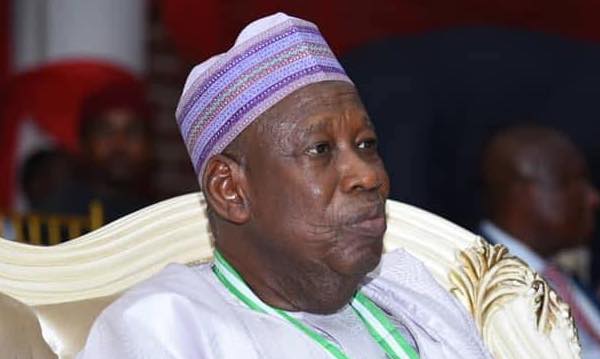
There are indications that the Presidency may have given the green light for stakeholders to begin the search for a replacement of the All Progressives Congress (APC) national chairman, Dr Abdullahi Ganduje, LEADERSHIP gathered.
KANO FOCUS gathered that the Villa, which has been silent over Ganduje’s recent political travail, is said to have “commissioned” APC governors from the North Central geo-political zone to begin a search for a new chairman from the region as originally planned by the party.
A top party source told LEADERSHIP Newspaper that besides the North Central zone producing the next chairman, the Villa might be open to allowing the Congress for Progressive Change (CPC) camp within the party to produce Ganduje’s replacement as part of appeasement moves.

It was further learnt that those opposed to Ganduje’s continued stay, including a serving senator who was former governor of a South South state, listed his perceived handling of the Edo and Ondo primaries as well as the unfolding drama surrounding the probe into his tenure as Kano State governor.
Ganduje’s woes, it was also gathered, is being compounded by an alleged plan for New Nigeria Peoples Party (NNPP) presidential candidate in 2023, Rabiu Musa Kwankwaso, to return to the APC, a claim confirmed to LEADERSHIP Friday by a former commissioner and APC chieftain in Kano State, Musa Ilyasu Kwankwaso.
Also, the agitation by APC stakeholders in the North Central zone for the return of the chairmanship position to their zone has not helped Ganduje’s case. The immediate past governor of Kano State is from the North West zone.
The APC chairman has been locked in an intriguing legal battle in Kano State over moves to suspend him in his ward by some persons claiming to be APC executives.
They hinged their suspension on the probe into Ganduje’s administration over alleged financial misappropriation by Governor Abba Yusuf.
While Ganduje blames the NNPP-led administration in the state for his travails, the APC leadership, at federal and state levels, has since distanced themselves from the suspension moves.
However, the embattled chairman is fighting back and battling to salvage his job. Party sources told LEADERSHIP Friday that he had reached out to some governors to help him stave off those angling to remove him from office.
It was gathered that he recently pleaded with a governor from a North Central State to urge an aggrieved aspirant to withdraw his suit seeking to stop him from parading himself as chairman.
A serving senator and former national chairmanship aspirant is said to have also been recruited to ensure the case is dropped.
KANO FOCUS recalls that an APC chairmanship aspirant in 2022, Muhammad Etsu, is seeking a legal injunction to stop Ganduje from parading himself as national chairman.
He had earlier argued for the national chairmanship seat to return to the North Central zone.
In the build-up to the 2022 national convention, the APC had zoned the position to the North Central which saw Senator Abdullahi Adamu emerge as national chairman.
He resigned in 2023 paving the way for Ganduje, who hails from North West, to become chairman.
However, the party source told LEADERSHIP Friday that another North Central governor is backing the move to remove Ganduje.
The governor, according to a party source, is seeking Ganduje’s removal because he appears to have taken sides with the governor’s political opponent (a top government official) in the state.
Attempts to get Ganduje’s reaction on the issues were not successful as calls and messages to his media handlers were not responded to.
Meanwhile, it was learnt that the APC-led presidency adopted the silence option over Ganduje’s ordeal, in light of unfolding political intrigues in the North ahead of the 2027 presidential election.
With the frayed political romance between President Bola Tinubu and some of his allies in the region, it might “be convenient to forge new alliances which might involve making tough decisions,” a source said.
The source, who neither confirmed nor denied the Kwankwaso angle, however said the president would need to firm his base in the region, having seemingly fallen out with some politicians, like former Kaduna governor, Nasir el-Rufai.
“So he might be firmer to ask himself what political value the embattled chairman has to him ahead of 2027. Kano State is a strategic state that any incumbent or presidential candidate would need to have on his side,” the party chieftain said.
Another APC chieftain, who also pleaded not to be named, said Tinubu is keeping quiet on the issues about Ganduje because he single handedly brought him to the position.
The source said: “Unlike in the case of Adams Oshimhole who was elected at a national convention and was not the then President Muhammadu Buhari candidate, hence he was allowed to sink, Ganduje is more or less an appointee of the president and, though the quietness, he is enjoying the protection of Villa.
“Unlike Buhari, Tinubu could be blunt to tell Ganduje to go if he is not satisfied with his leadership as the APC chairman. Also, in the case of Oshiomhole, the APC governors were not on his side but it seems the governors are with Ganduje or they simply are not interested in what is happening.”
A former APC national vice chairman, North-west, Salihu Lukman, said the only strong qualification of Ganduje as the party’s chairman is his close relationship with the president.
Source: Leadership Newspaper.

Nasiru Yusuf Ibrahim
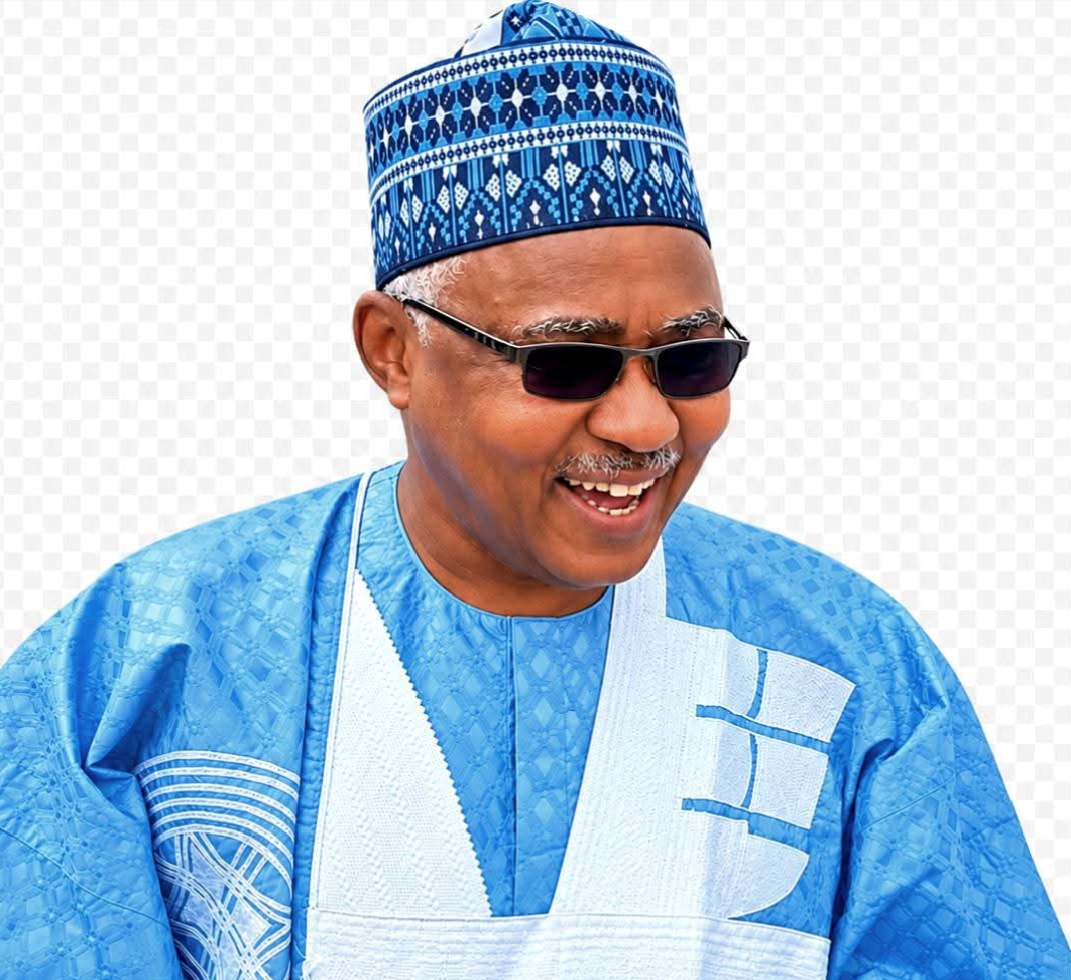
Political allies and loyalists of former Managing Director of the Nigerian Ports Authority (NPA), Arc Aminu Dabo, have begun resigning from the All Progressives Congress (APC) in Kano State following his withdrawal from the ruling party.
KANO FOCUS reports that the supporters, operating under the political group Dabo Alheri Ne, reportedly include members across Kano State’s 44 local government areas.
Barely two days after Dabo announced his resignation from the APC, a prominent stakeholder of the group, Garba Zakiru Dambatta, said members had welcomed the decision and were showing solidarity by submitting their resignation letters to their respective ward party chairmen.
Dambatta, a former APC chairman in Dambatta Local Government Area, said the group’s members were disappointed with what they described as the prolonged marginalisation of Mr Dabo and his supporters within the party.
According to him, despite Mr Dabo’s contributions to the APC and efforts to strengthen the party and manage disagreements among its members, some key stakeholders had continued to sideline him and his loyalists in party activities.
Dambatta reaffirmed the group’s commitment to standing by Mr Dabo’s political decisions and supporting his future political journey.
He also urged the former NPA managing director not to succumb to political pressure or reverse his decision to leave the party.
“This step you have taken, we have the conviction that it is the beginning of a new chapter of goodness in your life,” Dambatta said.
Among the prominent members of the group identified as supporting Mr Dabo’s decision are Abba Rabee’u, a former Senior Special Assistant on Political Awareness; Almustapha Jilani Danmalam, a former Senior Special Assistant on Education; Jamilu Abdullahi Zangon-Mata, a former Senior Special Assistant on Entrepreneurship; and Fahd A. Dabo, a former Special Assistant on Youth Mobilisation.
The individuals reportedly served during the second term of former Kano State Governor Abdullahi Umar Ganduje.
The group also said several other party loyalists and supporters were backing Dabo following his resignation.
However, the statement did not provide the number of members who had formally resigned from the APC or indicate whether the party leadership had responded to the development.
Nasiru Yusuf Ibrahim
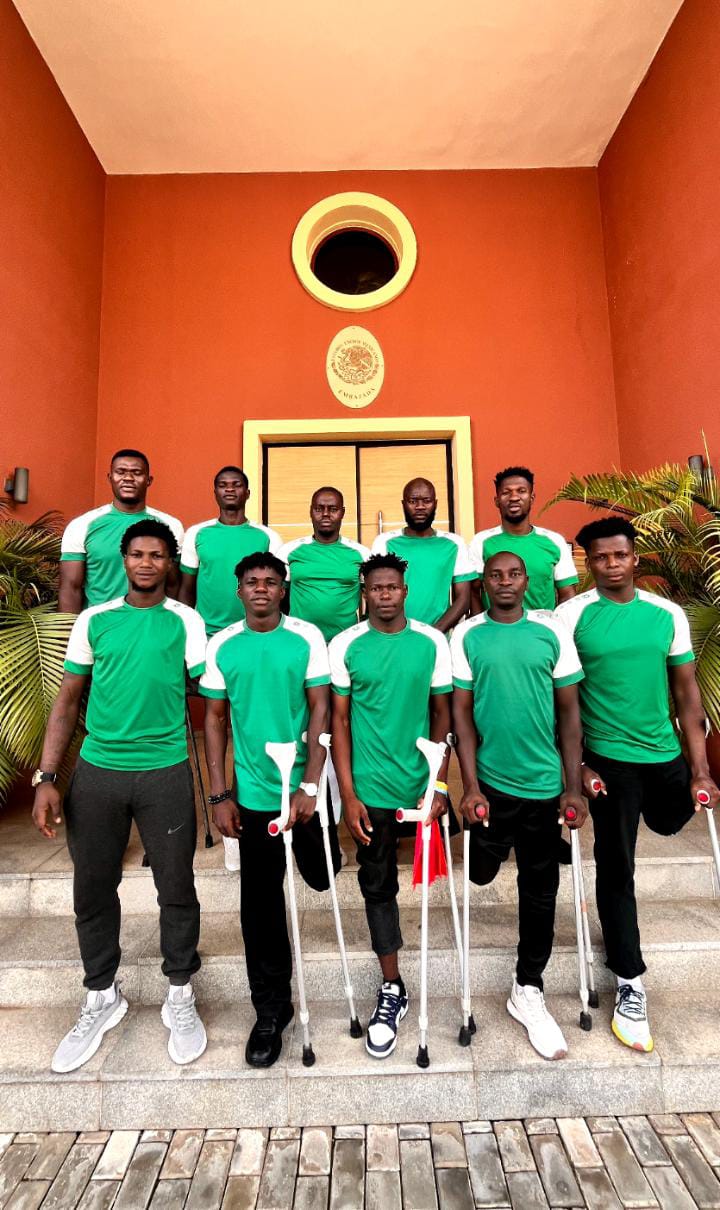
Five players of Kano Pillars Amputee Football Club have been invited to the national camp of Nigeria’s Special Super Eagles ahead of the 2026 Amputee Football World Cup in Mexico.
KANO FOCUS reports that invited players are Isah Yusuf, Abba Musa, Habu Friday, Emanuel Betel and Usman Ahmed. They are currently in Abuja with the national team as preparations intensify for the global tournament.
The Team Manager of Kano Pillars Amputee Football Team, Jamilu Uba Adamu, disclosed this in an interview with Ashiru Rabiu Gidan Tudu, Information Officer of the Kano State Sports Commission.
Adamu described the invitation as recognition of the players’ dedication, discipline and outstanding performances.
He expressed confidence that the players would represent Kano State and Nigeria with honour at the championship.
According to him, the call-up also demonstrates Kano Pillars’ commitment to nurturing talented amputee footballers and contributing to the development of the sport in Nigeria.
The 2026 Amputee Football World Cup is scheduled to take place from November 13 to 22 in San Juan de los Lagos, Mexico. A total of 24 countries, including seven African nations, are expected to participate.
The Executive Chairman of the Kano State Sports Commission, Muhammad Tukur Babangida, congratulated the five players on their invitation, describing it as well deserved.
Babangida expressed confidence that they would justify the confidence reposed in them by the national team selectors.
He assured the players of the commission’s continued support and urged them to remain focused, disciplined and committed to making Kano State and Nigeria proud on the international stage.
Ibrahim Khalil
A chieftain of the All Progressives Congress (APC) in Kano State, Aminu Dabo, has resigned as the party’s caucus chairman in Dambatta Local Government Area and withdrawn his membership of the ruling party.
KANO FOCUS reports that Dabo, a former Managing Director of the Nigerian Ports Authority (NPA), announced his resignation in a letter dated October 7, 2026, addressed to the APC chairman of Dambatta Gabas Ward.
In the letter, personally signed by him, Dabo said he took the decision after careful consideration of personal reasons and his future endeavours.
He confirmed his resignation during a telephone conversation from Abuja on Wednesday, saying he had formally submitted the letter to the appropriate party officials in Dambatta for necessary action.
“I remain grateful for the cordial relationship I enjoyed and appreciative of the experience gained during my time of service,” he said.
The former NPA managing director also thanked the party’s leadership for the opportunity and confidence reposed in him to contribute to its development and progress during his membership.
“I sincerely appreciate the support and opportunity I have received from the party leadership,” he added.
A statement issued by Abdullahi Othman, Media and Publicity Aide to Dabo Dabo, said the former NPA MD did not disclose further details about his reasons for leaving the APC in the resignation letter.

Dabo’s resignation triggers wave of defections from APC in Kano

Five Kano Pillars Amputee Players Invited to Special Eagles Camp Ahead of World Cup

BUK Professor advocates microfinance to tackle food insecurity, poverty

General Elections 2027: Abba Kabir Yusuf traverses the path to victory
Former NPA MD Aminu Dabo resigns as APC caucus chairman in Dambatta

Kano leads again as NECO successes rise to 74,413
Kano tops states in 2026 NECO results, Governor Yusuf hails students

Kano Govt Suspends Durbar Processions, Horse Riding in Metropolis

ACF begins Dangote Refinery IPO sensitisation campaign in Kano

