
News
Enforce the PIA act on crude supply, Dangote urges NUPRC


Nasiru Yusuf Ibrahim
Management of Dangote Petroleum Refinery has urged the Nigerian Upstream Petroleum Regulatory Commission (NUPRC), to enforce the domestic crude supply obligation as specified in the Petroleum Industry Act (PIA), insisting that refineries in Nigeria should be allowed to buy crude directly from the companies that produce it in Nigeria rather than from international middlemen, as enshrined in the PIA act.
KANO FOCUS reports that the Spokesperson of the Dangote Group, Anthony Chiejina said on Friday: “We are in receipt of NUPRC’s statement that they have facilitated the allocation of 29 million barrels of crude oil to the Dangote Petroleum Refinery and Petrochemicals, we would like to thank them for this allocation but at the same time we wish to let them know that we are yet to receive these cargoes.

“Aside from the term supply we bilaterally negotiated with NNPCL, so far NUPRC has only facilitated the purchase of one crude cargo from a domestic producer. The rest of the cargoes we have processed were purchased from international traders.”
Chiejina said that: “All we are asking for, is for refineries in Nigeria to buy crude directly from the companies that produce it in Nigeria rather than from international middlemen. This is specified in the PIA. Unfortunately, the NUPRC has effectively admitted in their statement, that they will be unable to enforce the domestic crude supply obligation as specified in the PIA citing “sanctity of contracts” as an excuse.
It would be recalled that Dangote Petroleum Refinery management had insisted that it was not yet getting enough crude required for the effective optimization of its refinery from the Nigerian National Petroleum Corporation Limited (NNPCL).
The Refinery Management, in a release signed by, Group Chief, Branding and Communications Officer, Anthony Chiejina revealed that, “we therefore still insist that we are unable to secure our full crude requirement from domestic production and urge the Nigerian Upstream Petroleum Regulatory Commission (NUPRC), to fully enforce the domestic crude supply obligation as mandated by the PIA.”
Chiejina clarified that his company has never accused NNPC of not supplying “…us with crude. Our concern has always been NUPRC’s reluctance to enforce the domestic crude supply obligation and ensure that we receive our full crude requirement from NNPC and the IOCs.”
He further explained that “For September, our requirement is 15 cargoes, of which NNPC allocated six. Despite appealing to NUPRC, we’ve been unable to secure the remaining cargoes. When we approached IOCs producing in Nigeria, they redirected us to their international trading arms or responded that their cargoes were committed.
“Consequently, we often purchase the same Nigerian crude from international traders at an additional $3-$4 premium per barrel which translates to $3-$4 million per cargo.”

Nasiru Yusuf Ibrahim
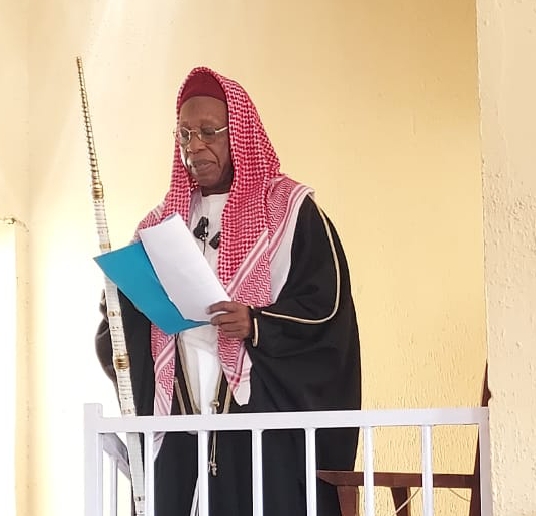
Dr Goni Faruk Umar has urged Muslims to embrace Taqwa in their daily lives, describing it as a foundation of Islam and a key to righteous conduct and success in this world and the hereafter.
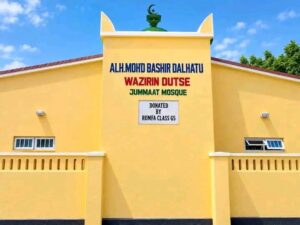
KANO FOCUS reports that the Islamic scholar made the call while delivering a Juma’a sermon at the New Juma’a Mosque, Rumfa College, Kano.
In the sermon, Dr Goni Faruk Umar explained the meaning of Taqwa using classical Islamic scholarship, including an account involving Umar ibn al-Khattab and the companion Ubayy ibn Ka’b to illustrate the concept.
According to the account cited in the sermon, Sayyadina Ubayy once asked Khalifa Umar bin Khattab whether he had ever walked along a thorny path. When Khalifa Umar bin Khattab answered in the affirmative, Sayyadina Ubayy asked how he navigated it. Khalifa Umar bin Khattab replied that he gathered his clothes and proceeded cautiously to avoid being pricked.
Sayyadina Ubayy then explained that this was the essence of Taqwa: being constantly mindful of one’s actions and carefully avoiding what displeases Allah.
Dr Goni Faruk Umar said Taqwa should not be limited to acts of worship but should also guide Muslims’ conduct in contemporary society, particularly in their use of digital platforms and social media, control of the tongue, and relationships within the family.
He urged worshippers to exercise restraint in their speech, act responsibly online and uphold their obligations to family members in accordance with Islamic teachings.
The cleric also highlighted the spiritual and worldly benefits of Taqwa, including relief from hardship, ease in personal affairs, forgiveness of sins and increased rewards in the hereafter.
Quoting verses from the Qur’an, he cited Allah’s promise in Surah At-Talaq, verses 2 and 3, that whoever fears Him will be granted a way out of difficulties and provided for from sources they could not have anticipated.
He also referred to Qur’an 65:4–5, which promises ease in affairs, the removal of sins and the multiplication of rewards for those who maintain Taqwa.
The scholar reminded Muslims that worldly life is temporary and that the hereafter is their permanent destination. He therefore urged them to regard Taqwa as the best provision for the journey beyond this life.
Citing Qur’an 2:197, he emphasised that the best provision for the hereafter is Taqwa, urging believers to remain conscious of their responsibilities to Allah.
The sermon also featured prayers and salutations upon Prophet Muhammad (peace be upon him), his family and companions, in accordance with the Qur’anic instruction in Surah Al-Ahzab, verse 56.
Dr Goni Faruk Umar concluded by encouraging Muslims to remain steadfast in faith, follow the guidance of the Prophet and make righteousness a guiding principle in their daily lives.
Nasiru Yusuf Ibrahim
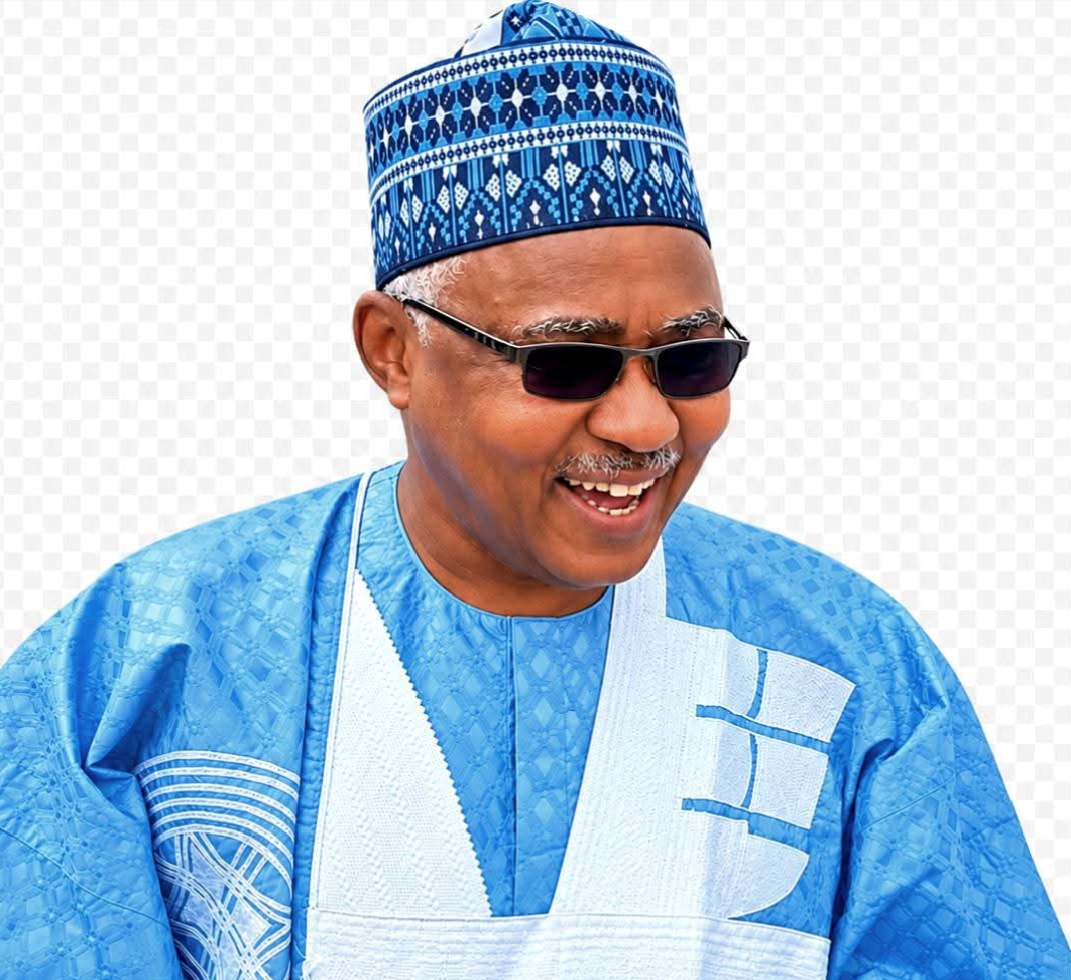
Political allies and loyalists of former Managing Director of the Nigerian Ports Authority (NPA), Arc Aminu Dabo, have begun resigning from the All Progressives Congress (APC) in Kano State following his withdrawal from the ruling party.
KANO FOCUS reports that the supporters, operating under the political group Dabo Alheri Ne, reportedly include members across Kano State’s 44 local government areas.
Barely two days after Dabo announced his resignation from the APC, a prominent stakeholder of the group, Garba Zakiru Dambatta, said members had welcomed the decision and were showing solidarity by submitting their resignation letters to their respective ward party chairmen.
Dambatta, a former APC chairman in Dambatta Local Government Area, said the group’s members were disappointed with what they described as the prolonged marginalisation of Mr Dabo and his supporters within the party.
According to him, despite Mr Dabo’s contributions to the APC and efforts to strengthen the party and manage disagreements among its members, some key stakeholders had continued to sideline him and his loyalists in party activities.
Dambatta reaffirmed the group’s commitment to standing by Mr Dabo’s political decisions and supporting his future political journey.
He also urged the former NPA managing director not to succumb to political pressure or reverse his decision to leave the party.
“This step you have taken, we have the conviction that it is the beginning of a new chapter of goodness in your life,” Dambatta said.
Among the prominent members of the group identified as supporting Mr Dabo’s decision are Abba Rabee’u, a former Senior Special Assistant on Political Awareness; Almustapha Jilani Danmalam, a former Senior Special Assistant on Education; Jamilu Abdullahi Zangon-Mata, a former Senior Special Assistant on Entrepreneurship; and Fahd A. Dabo, a former Special Assistant on Youth Mobilisation.
The individuals reportedly served during the second term of former Kano State Governor Abdullahi Umar Ganduje.
The group also said several other party loyalists and supporters were backing Dabo following his resignation.
However, the statement did not provide the number of members who had formally resigned from the APC or indicate whether the party leadership had responded to the development.
Nasiru Yusuf Ibrahim
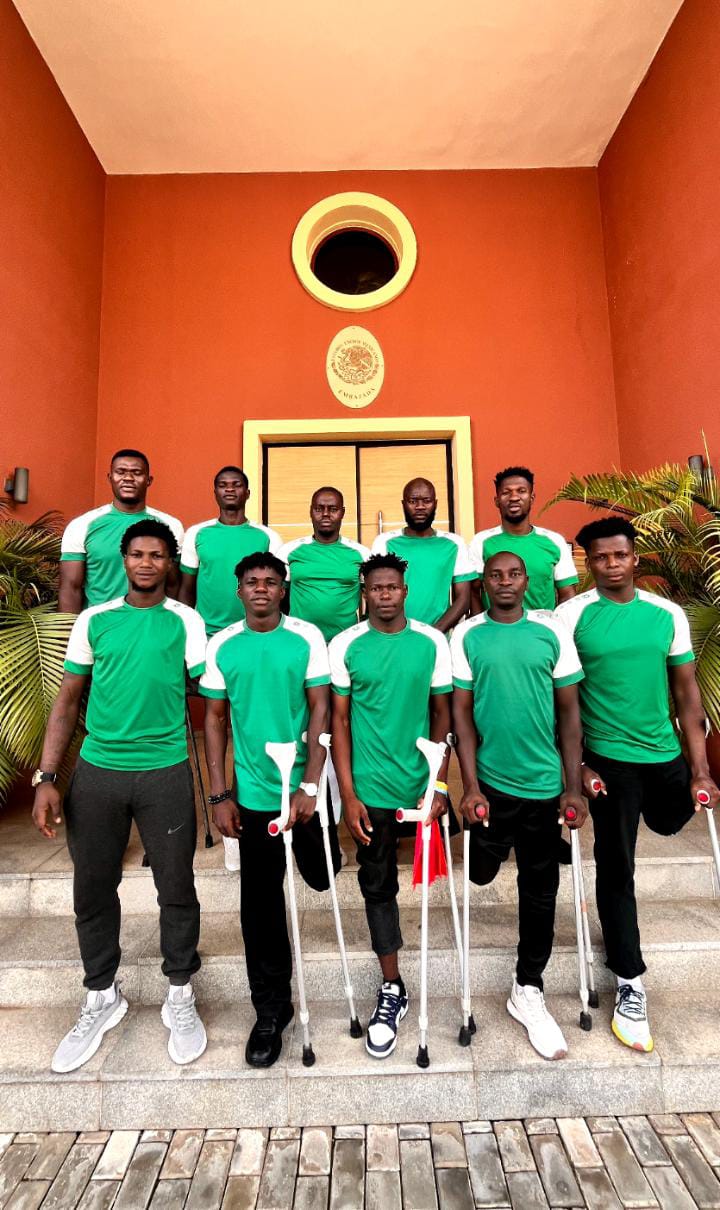
Five players of Kano Pillars Amputee Football Club have been invited to the national camp of Nigeria’s Special Super Eagles ahead of the 2026 Amputee Football World Cup in Mexico.
KANO FOCUS reports that invited players are Isah Yusuf, Abba Musa, Habu Friday, Emanuel Betel and Usman Ahmed. They are currently in Abuja with the national team as preparations intensify for the global tournament.
The Team Manager of Kano Pillars Amputee Football Team, Jamilu Uba Adamu, disclosed this in an interview with Ashiru Rabiu Gidan Tudu, Information Officer of the Kano State Sports Commission.
Adamu described the invitation as recognition of the players’ dedication, discipline and outstanding performances.
He expressed confidence that the players would represent Kano State and Nigeria with honour at the championship.
According to him, the call-up also demonstrates Kano Pillars’ commitment to nurturing talented amputee footballers and contributing to the development of the sport in Nigeria.
The 2026 Amputee Football World Cup is scheduled to take place from November 13 to 22 in San Juan de los Lagos, Mexico. A total of 24 countries, including seven African nations, are expected to participate.
The Executive Chairman of the Kano State Sports Commission, Muhammad Tukur Babangida, congratulated the five players on their invitation, describing it as well deserved.
Babangida expressed confidence that they would justify the confidence reposed in them by the national team selectors.
He assured the players of the commission’s continued support and urged them to remain focused, disciplined and committed to making Kano State and Nigeria proud on the international stage.

Dr Goni Faruk Umar calls on muslims to embrace taqwa in daily life

Dabo’s resignation triggers wave of defections from APC in Kano

Five Kano Pillars Amputee Players Invited to Special Eagles Camp Ahead of World Cup

BUK Professor advocates microfinance to tackle food insecurity, poverty

General Elections 2027: Abba Kabir Yusuf traverses the path to victory

Kano leads again as NECO successes rise to 74,413
Kano tops states in 2026 NECO results, Governor Yusuf hails students

Kano Govt Suspends Durbar Processions, Horse Riding in Metropolis

ACF begins Dangote Refinery IPO sensitisation campaign in Kano

