
News
Kano State Politics Set for a Major Shift as Kwankwaso and Ganduje’s Influence Wanes: What’s Next for the Power Dynamics in 2027?


By Suleiman Abdullahi Gashuwa
Suleimanasuleiman476@gmail.com
As Kano populace describe their politics in Hausa language “Siyasar Kano, Sai Kano” has proven of what we are seeing today in the political landscape of the state is a replica of what might happen in the 2027 come general election.
it’s no more news that Kano State, a key political centre in Nigeria, has been significantly influenced by two to three persons i.e. Rabi’u Musa Kwankwaso, and former governor and now APC national Chairman Abdullahi Umar Ganduje. Their longstanding dominance is now facing challenges, suggesting a potential shift in the political landscape by 2027.
Kwankwaso and Ganduje’s adversary as its stands has left Kano states political atmosphere in a tensed and uncertainty of the state future, which many are of the opinion it’s time to either they address their grievances or what is happening in the state will lead to the emergence of fresh Dark Horses to change the narratives.

Kwankwaso and Ganduje’s strained relationship has led to factionalism, and is now weakening their influence and opening doors for new political figures, and led to the agitation for the emergence of new younger and fresher politicians through social media and grassroots efforts, challenging the Kwankwaso, Shekarau and Ganduje’s dominance that lead Kano to the state it founds itself in at present, with fresh ideas.
Economic challenges and corruption have led to voter fatigue, increasing demands for accountability and effective governance.
The recent Dan Bello’s revelations of various degree of corruption involving the former Kano state local government commissioner Murtala Sule Garo and Ganduje’s wife Hafsat Abdullahi Umar Ganduje, and Kwankwaso’s Nephew Garba Kwankwaso has nature and increase the need for change of the narratives in Kano politics.
Thuggery and increase in number youth going into drug abuse, has left many calling for the emergence of fresh and dark horses who will reform Kano, and revive morality and curb the menace thuggery has caused for decades in the state.
As the 2027 elections approach, the political dynamics in Kano are expected to evolve, especially the crisis likely to be faced by the top three political parties in the state.
Despite been the main opposition party in Kano,, the APC has its internal crisis, which will later expose itself, and might consume the party, and make it lose its influence in upcoming elections.
Having strong Figures growing their Ambitions as governors come 2027, the race is expected to be tough, with Ganduje likely to be at the centre wanting to influence the parties flag bearer, which posed a great treat to the party.
Kano North Powerful Horses:
Kano north might likely be the nerve centre of crisis for the APC in Kano state with powerful politicians likely to contest for the 2027 gubernatorial election.
As various powerful figures within the party assert their ambitions, Ganduje’s ability to maintain control may diminish. The conflicts and rivalries can erode his support base, as loyalty might shift towards emerging leaders who promise change or new opportunities.
The internal crisis within the APC could significantly weaken Abdullahi Ganduje’s longstanding influence in Kano politics because of the tactics implored by Barau Jibrin, Murtal Sule Garo, Abdulahi Tijjani Muhammad Gwarzo.
For instance Barau Jibrin (Maliya), who is Nigeria’s Deputy Senate President, has been fostering his political ambitions since 2023. Till then his influence and aspirations may lead to friction within the party, especially if his goals conflict with those of other prominent figures.
The growing power and ambitions of figures like Barau Jibrin may overshadow Ganduje’s influence, leading to a decline in his ability to dictate party dynamics and candidate selection.
Barau Jibrin’s role at the national level provides him with broader political connections and influence, which can be leveraged to gain support within the party, especially with Ganduje out as the APC National Chairman. Though the duos are currently on the same page and interest but only time will tell.
Barau’s potential to appeal to younger and disillusioned voters through fresh perspectives and policies aligns with the current demand for change in Kano. Age has been on his side, and carrying youth along he has a chance of Becoming the dark horse.
But has a great challenge of his long term rival Murtala Sule Garo from the same Kabo Local government, the fight will be very tough for Barau. Because Murtala has been among the three persons funding the APC at state level. He has also empowered many individuals from different category which made him a deciding factor in the coming race.
There are high tendencies that if Barau emerges the gubernatorial candidate for APC, Garo may be forced to leave the APC, because no matter what, with Barau as Governor, no senator will come out from same local government from Kano north, and that leaves him with no various options.
If Murtala Garo’s candidacy, could either split the vote or force strategic alliances, even though speculations has it that he might potentially defecting to the PDP due to his familial ties with Atiku Abubakar, a issues which stirred interest in Kano’s political scene.
If these rumours were to materialize, Garo’s move could have significant implications for both the NNPP and the APC, and more impact to Barau Jibrin.
For the PDP, Garo’s defection could serve as a much-needed boost, potentially reinvigorating the party’s presence in Kano. His influence and connections could attract disillusioned voters from the APC and even some from the NNPP, enhancing the PDP’s status as a credible opposition.
His relationship with Atiku could also facilitate strategic alliances and resource mobilization, making the PDP and Atiku Abubakar’s presidential ambition bid a more formidable force in the upcoming elections.
Conversely, Garo’s departure from the APC would represent a considerable loss for the party. As a significant player within the APC, his exit could weaken the party’s structure in Kano, especially if he takes loyal supporters with him.
This could create a power vacuum that rivals, particularly the NNPP, would be keen to exploit. The APC would need to reassess its strategies to maintain its influence in the region and prevent further erosion of its base.
Another top possible contender is the state minister for Housing Dr Abdullahi Tijjani Muhammad Gwarzo (Ruwa Baba), who Barau floors during the APC primary that returned him back to the assembly in 2015.
T Gwarzo has been a gubernatorial candidate under CAN which was where he gained his close relationship with the then presidential candidate and Nigeria’s current president Bola Ahmed Tinubu.
With him at the centre and the desperation of Barau Jibrin to maintain his control over the votes in Gwarzo local government, and Kano North he still needs to strategize and look at options to work ahead of them.
Apparently, Dr. Nasiru Yusuf Gawuna having contested for the governorship previously, Gawuna is likely to re-contest. His candidacy could clash with a lot of interests from various quarters because of how he enjoins the overwhelming support if Abdullahi Umar Ganduje in the previous election, thought unconfirmed reports says that he might be forced to contest for the Kano senatorial senator, for fears that he might not be accepted by Kano populace, and until now he hasn’t gotten a federal appointment, which many sees it as a means of manoeuvring him out of the race tactically.
Coming in is Hon Baffa Babba DanAgundi who now occupies the position of the director General of the national centre for Productivity and he hails from Kano Central, he is positioning himself as a potential running mate for any gubernatorial candidate.
His strategic positioning could create alliances or rivalries, depending on the dynamics and support he garners. But he might face serious opposition from many party angles because of stepping on many toes that will rather not having him as a deputy
Each option presents both opportunities and challenges for the respective parties, underscoring the fluidity and unpredictability of the region’s political dynamics.
The NNPP , Kwankwaso, Corruption and other rumbles:
Coming in to the internal crisis brewing within the New Nigeria Peoples Party (NNPP) which multifaceted and poses significant challenges to its dominance in Kano.
Kwankwaso control factor remains a critical point, his influence shapes party dynamics. His leadership is now under scrutiny due to corruption scandals involving himself at the Economic and Financial Crimes Commission EFCC, his close relatives and some key officials in Abba Kabir Yusuf’s government, which could undermine public trust and party integrity, from Kano populace.
Furthermore, the NNPP is currently facing a potential defection of prominent figures like Kawu Sumaila and Al-Hassan Rurum because of their different views on the new Kano Emirate law, and accusation of been sidelined on things related to Kano and decisions taking within the party at state levels, which of allowed to leave could weaken the party’s structure and support base.
Their discontent reflects broader dissatisfaction within the party, exacerbated by perceived sidelining of influential members such as Ali Madakin Gini who is the minority leader of the House of Representatives. This marginalization could alienate important factions and erode loyalty among supporters and even him decamping back to the APC especially with his relationship with Barau Jibrin as In-laws.
With only a year remaining to solidify its position and execute various projects to showcase for a re-election by the state governor Abba Kabir Yusuf, the NNPP faces an uphill battle. The combination of internal strife, corruption allegations, and key defections could hinder its effectiveness and electoral prospects in Kano. If not addressed, these issues may lead to a significant decline in the party’s influence, complicating efforts to maintain a stronghold in the region as political dynamics evolve.
Equally one thing that has starts to manifest if the possibility of bigger crisis within the NNPP after the local governments elections. There have been speculations that many chairmanship aspirants where not endorsed by Kwankwaso, and that Kwankwaso anointed persons loyal to him which many sees that it might jeopardised the parties future.
The Tootles Bull dog fighting for survival:
The crisis within the People’s Democratic Party (PDP) has further weakened its influence in Kano politics, allowing other parties like the APC to gain ground. Key figures such as Aminu Wali, Ibrahim Shekarau, Yunusa Dangwani, and Ibrahim Littles are engaged in a power struggle that has fragmented the party and diluted its effectiveness as the primary opposition.
Despite having notable leaders, the PDP’s inability to present a cohesive front has led to a perception of disarray. The ongoing rivalry among these influential figures not only hampers strategic decision-making but also alienates potential supporters. Each leader’s quest for dominance often overshadows collective goals, making it difficult for the PDP to mobilize effectively.
The internal crises faced by the PDP, APC, and NNPP could indeed pave the way for a political revolution in Kano, potentially leading to significant changes in the political landscape. As dissatisfaction grows within these established parties, disillusioned voters may seek alternatives that better address their needs and aspirations.
Despite these analysis only time can tell, what will happen in Kano state politics, with all presidential contenders eyeing to control the state due to the densely concentrated votes there .
As its slogan by its town criers “Kano ta Dabo, Jalla Babbar Hausa, ko da me ka zo am Fika”.

Nasiru Yusuf Ibrahim
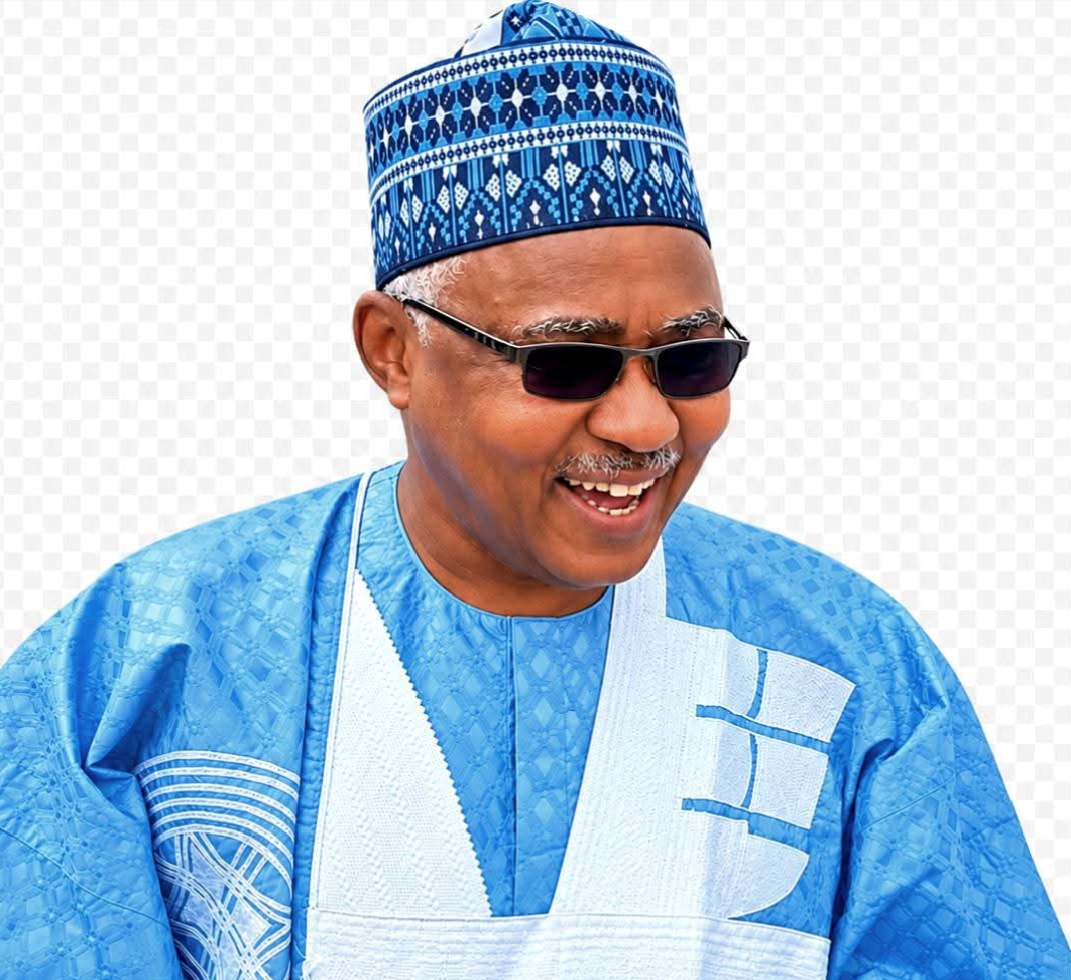
Political allies and loyalists of former Managing Director of the Nigerian Ports Authority (NPA), Arc Aminu Dabo, have begun resigning from the All Progressives Congress (APC) in Kano State following his withdrawal from the ruling party.
KANO FOCUS reports that the supporters, operating under the political group Dabo Alheri Ne, reportedly include members across Kano State’s 44 local government areas.
Barely two days after Dabo announced his resignation from the APC, a prominent stakeholder of the group, Garba Zakiru Dambatta, said members had welcomed the decision and were showing solidarity by submitting their resignation letters to their respective ward party chairmen.
Dambatta, a former APC chairman in Dambatta Local Government Area, said the group’s members were disappointed with what they described as the prolonged marginalisation of Mr Dabo and his supporters within the party.
According to him, despite Mr Dabo’s contributions to the APC and efforts to strengthen the party and manage disagreements among its members, some key stakeholders had continued to sideline him and his loyalists in party activities.
Dambatta reaffirmed the group’s commitment to standing by Mr Dabo’s political decisions and supporting his future political journey.
He also urged the former NPA managing director not to succumb to political pressure or reverse his decision to leave the party.
“This step you have taken, we have the conviction that it is the beginning of a new chapter of goodness in your life,” Dambatta said.
Among the prominent members of the group identified as supporting Mr Dabo’s decision are Abba Rabee’u, a former Senior Special Assistant on Political Awareness; Almustapha Jilani Danmalam, a former Senior Special Assistant on Education; Jamilu Abdullahi Zangon-Mata, a former Senior Special Assistant on Entrepreneurship; and Fahd A. Dabo, a former Special Assistant on Youth Mobilisation.
The individuals reportedly served during the second term of former Kano State Governor Abdullahi Umar Ganduje.
The group also said several other party loyalists and supporters were backing Dabo following his resignation.
However, the statement did not provide the number of members who had formally resigned from the APC or indicate whether the party leadership had responded to the development.
Nasiru Yusuf Ibrahim
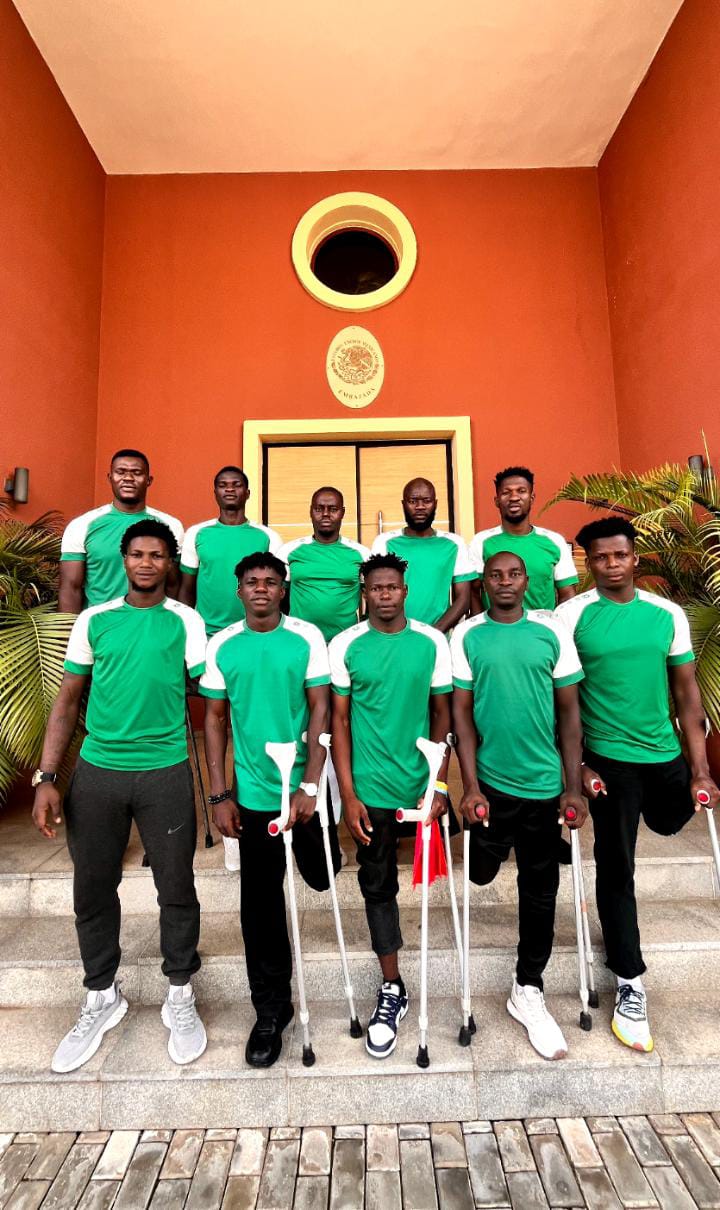
Five players of Kano Pillars Amputee Football Club have been invited to the national camp of Nigeria’s Special Super Eagles ahead of the 2026 Amputee Football World Cup in Mexico.
KANO FOCUS reports that invited players are Isah Yusuf, Abba Musa, Habu Friday, Emanuel Betel and Usman Ahmed. They are currently in Abuja with the national team as preparations intensify for the global tournament.
The Team Manager of Kano Pillars Amputee Football Team, Jamilu Uba Adamu, disclosed this in an interview with Ashiru Rabiu Gidan Tudu, Information Officer of the Kano State Sports Commission.
Adamu described the invitation as recognition of the players’ dedication, discipline and outstanding performances.
He expressed confidence that the players would represent Kano State and Nigeria with honour at the championship.
According to him, the call-up also demonstrates Kano Pillars’ commitment to nurturing talented amputee footballers and contributing to the development of the sport in Nigeria.
The 2026 Amputee Football World Cup is scheduled to take place from November 13 to 22 in San Juan de los Lagos, Mexico. A total of 24 countries, including seven African nations, are expected to participate.
The Executive Chairman of the Kano State Sports Commission, Muhammad Tukur Babangida, congratulated the five players on their invitation, describing it as well deserved.
Babangida expressed confidence that they would justify the confidence reposed in them by the national team selectors.
He assured the players of the commission’s continued support and urged them to remain focused, disciplined and committed to making Kano State and Nigeria proud on the international stage.
Nasiru Yusuf Ibrahim
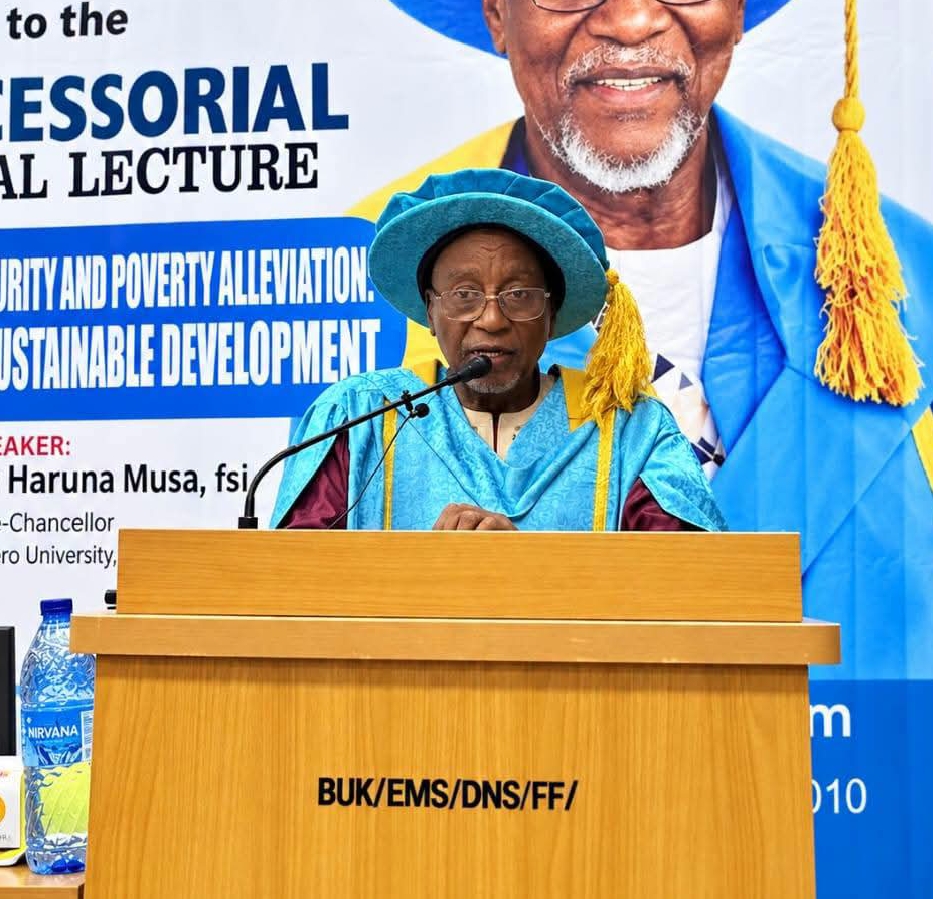
Professor Muhammad Ahmad Makarfi of Bayero University, Kano (BUK), has identified inclusive microfinance as a critical tool for addressing food insecurity and poverty in Nigeria.
KANO FOCUS reports that Prof. Makarfi, of the Department of Agricultural Economics and Extension, made the recommendation while delivering the university’s 64th Professorial Inaugural Lecture on Thursday, October 14, 2026, at the CBN Centre of Excellence.
The lecture, titled *“Innovative Options for Nigeria’s Food Security and Poverty Alleviation: The Microfinance Pathway to Sustainable Development,”* examined how improved access to affordable financing could boost agricultural production and strengthen rural livelihoods.
The professor said that despite Nigeria’s vast agricultural resources, food production and rural livelihoods continued to face challenges, including limited access to affordable finance, insecurity, climate change, inadequate infrastructure and low agricultural productivity.
He argued that expanding access to agricultural finance, particularly for smallholder farmers, would encourage investment, improve productivity and strengthen the country’s food security.
Prof. Makarfi reviewed Nigeria’s agricultural financing policies and interventions, highlighting the need for innovative credit delivery systems that would make funding more accessible, affordable and sustainable for farmers.
He identified microfinance institutions and Islamic finance models as potential avenues for improving access to agricultural credit.
In his recommendations, the professor said sustainable food security and poverty reduction required policies that prioritised increased domestic agricultural production through better access to finance, modern technologies, quality farm inputs and markets.
He also called for stronger microfinance institutions, expanded farmer-friendly financing mechanisms and an enabling environment to attract investment across the agricultural value chain.
According to him, such measures would improve agricultural productivity, enhance livelihoods and accelerate Nigeria’s sustainable development.
Earlier, the Vice-Chancellor of BUK, Professor Haruna Musa, who chaired the lecture, was represented by the Deputy Vice-Chancellor, Academics, Professor Ahmad Muhammad Tsauni.
Prof. Musa commended the lecturer for choosing a topic that addressed critical issues surrounding food insecurity, livelihoods and agricultural development.
The Dean of the Faculty of Agriculture, Professor Aminu Sulaiman, who presented the lecturer’s citation, said Mr Makarfi had published more than 150 local and international publications, contributed 10 book chapters and authored eight books.
Professor Mahmoud Ibrahim Daneji, who represented the Head of the Department of Agricultural Economics and Extension, delivered the vote of thanks.

Dabo’s resignation triggers wave of defections from APC in Kano

Five Kano Pillars Amputee Players Invited to Special Eagles Camp Ahead of World Cup

BUK Professor advocates microfinance to tackle food insecurity, poverty

General Elections 2027: Abba Kabir Yusuf traverses the path to victory
Former NPA MD Aminu Dabo resigns as APC caucus chairman in Dambatta

Kano leads again as NECO successes rise to 74,413
Kano tops states in 2026 NECO results, Governor Yusuf hails students

Kano Govt Suspends Durbar Processions, Horse Riding in Metropolis

ACF begins Dangote Refinery IPO sensitisation campaign in Kano

