
News
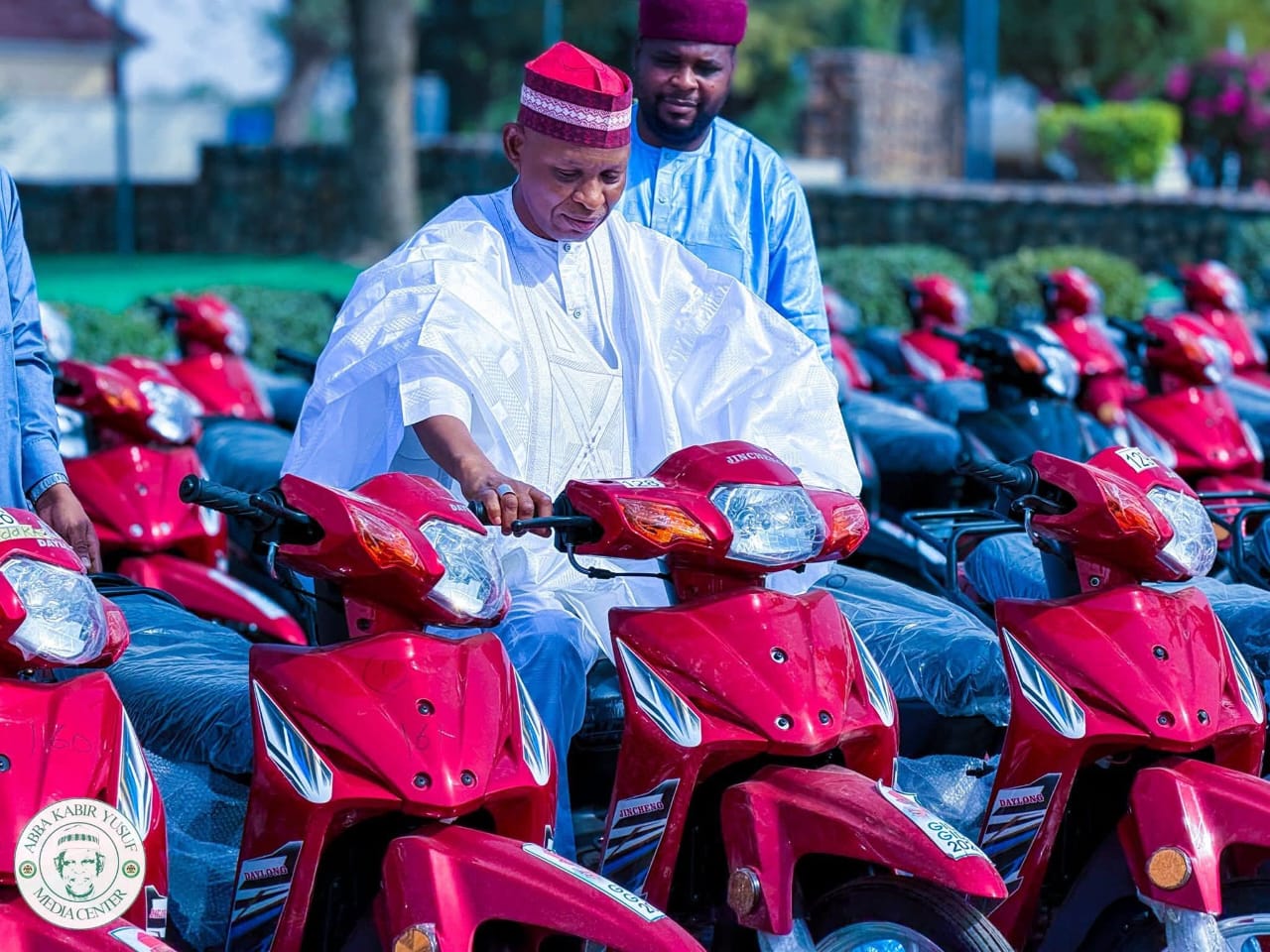
Gov. Yusuf distributes 600 motorcycles to social nedia influencers in Kano

Nasiru Yusuf Ibrahim
Kano State Governor, Alhaji Abba Kabir Yusuf, has distributed 600 motorcycles to social media influencers and digital content creators across the state to enhance coverage and dissemination of government activities.

KANO FOCUS reports that the development was disclosed in a statement issued on Saturday by the Governor’s spokesperson, Sunusi Bature Dawakin Tofa.
According to the statement, the initiative is aimed at empowering social media practitioners and strengthening the flow of information between the government and the people at the grassroots.
Governor Yusuf said the motorcycles would enable beneficiaries to move freely across communities to report government programmes, policies and development projects more effectively.
He noted that social media plays a critical role in shaping public opinion, promoting transparency and deepening citizens’ engagement in governance.
The Governor urged the beneficiaries to use the motorcycles responsibly and professionally in the discharge of their duties, while adhering to ethical standards and traffic regulations.
He further reaffirmed his administration’s commitment to supporting young people and media practitioners as strategic partners in development.
Some of the beneficiaries, who spoke at the event, expressed appreciation to the Governor, describing the gesture as timely and impactful. They pledged to continue promoting government policies and projects in a truthful, balanced and constructive manner.






Nasiru Yusuf Ibrahim
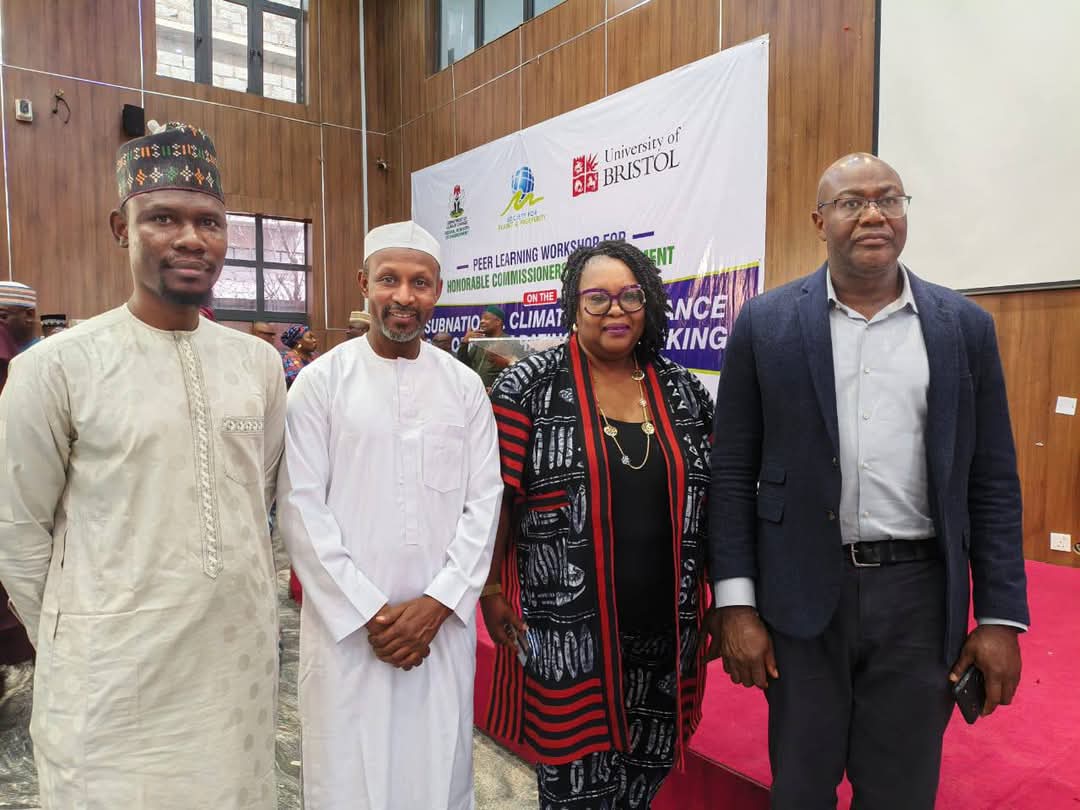
Kano State has strengthened its position as a leading subnational actor in climate governance following a strategic departmental meeting of the Kano State Ministry of Environment and Climate Change.
KANO FOCUS reports that a major highlight of the meeting was the state’s intensified support for Nigeria’s Second Biennial Transparency Report (BTR2) under the United Nations Framework Convention on Climate Change (UNFCCC). The ministry disclosed that ongoing collaboration with sectoral ministries, departments and agencies (MDAs) across Energy, Agriculture, Forestry and Other Land Use (AFOLU), Waste and Industrial Processes is ensuring credible and harmonised greenhouse gas emissions data in line with the transparency requirements of the Paris Agreement.
In what officials described as a significant milestone, Kano has been selected as one of three pilot states under the UK PACT programme to develop a Measurement, Reporting and Verification (MRV) system. The initiative is expected to institutionalise structured emissions reporting, strengthen accountability mechanisms and support tracking of Nigeria’s Nationally Determined Contributions (NDCs).
In a statement signed by Dr. Umar Saleh Anka, Director of Climate Change, the ministry also announced the commencement of preparations for the third edition of the Climate Governance Performance Ranking. The exercise aims to enhance methodological rigour, promote peer learning, improve transparency and deepen stakeholder engagement in climate action.
Further consolidating the state’s leadership role, the Commissioner for Environment was recently appointed Regional Lead (North West) of the Community of Practice for Environment and Climate Change, a move expected to strengthen regional collaboration and policy coordination.
The statement added that, the state government reaffirmed its commitment to strengthening institutional systems, improving emissions transparency and advancing coordinated climate action across Nigeria.
Nasiru Yusuf Ibrahim
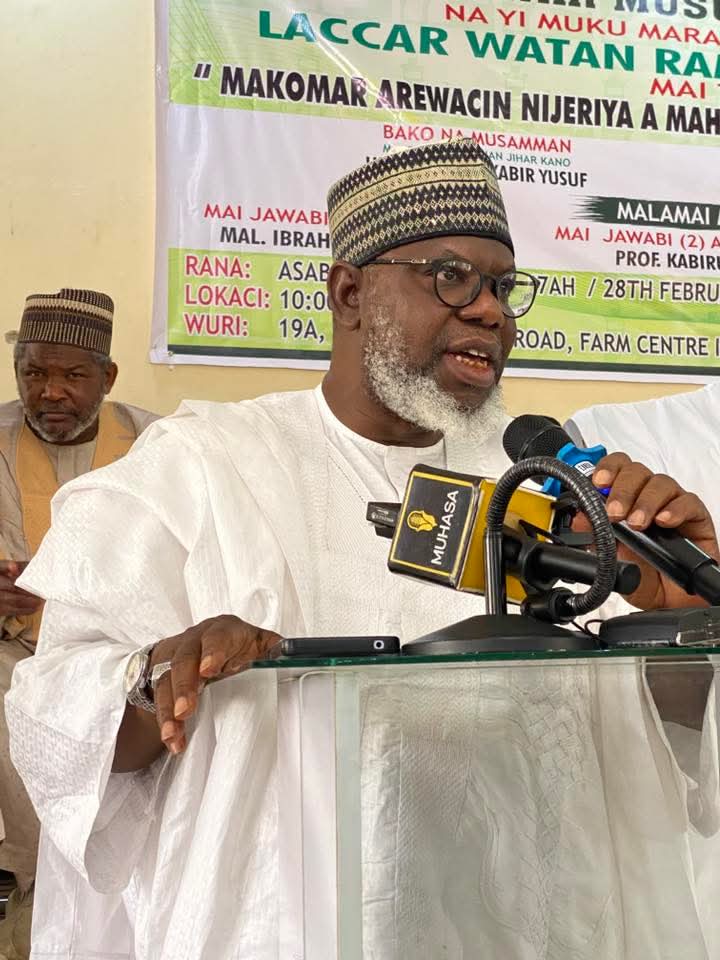
The Executive Secretary of the National Educational Research and Development Council, Prof. Salisu Shehu, has disclosed that only 30 per cent of school-age children in Northern Nigeria are currently attending school.
KANO FOCUS reports that Prof. Shehu made the revelation on Saturday while delivering a lecture at the 10th Ramadan Lecture organised by the Islamic Forum of Nigeria in Kano.
He said Nigeria presently has over 20 million out-of-school children, a figure he noted is rising due to armed banditry in the North-West and insurgency in the North-East. According to him, the closure of many schools in some states as a result of insecurity has further worsened the situation.
The educationist also expressed concern over the shortage of teachers in schools, despite increasing retirements, deaths, transfers and career changes among teaching staff. He lamented that examination malpractice, combined with weak oversight, has led to what he described as a collapse of the education system in Northern Nigeria.
“Products of examination malpractice are now becoming teachers and lecturers, thereby perpetuating the cycle,” he said.
Prof. Shehu warned that lack of access to education is contributing to thuggery and banditry in the region, stressing that education produces responsible citizens, while ignorance breeds irresponsibility.
He urged Northern governors to declare a state of emergency in the education sector and prioritise funding and reforms. He also advised citizens to establish education endowment funds, citing examples from Bangladesh and Malaysia where Muslim communities have addressed similar challenges through charitable initiatives.
The professor criticised what he described as misplaced priorities, questioning why some governors sponsor pilgrimages while many citizens lack access to basic education and quality healthcare.
Presenting a paper on the fate of Northern Nigeria in terms of security, Alhaji Ibrahim Ado Kurawa linked climate change and global warming to the worsening security challenges in the North-East. He identified the longstanding farmer-herder conflict as a root cause of banditry in the North-West.
Kurawa noted that insecurity has contributed to making the North-East and North-West the poorest regions in the country. He expressed dismay that Northern Nigeria has failed to effectively address the issues of almajiranci and out-of-school children since the First Republic.
He called for sincerity in governance, political reforms and greater collaboration among Northern groups such as the Arewa Consultative Forum (ACF) and the Northern Elders Forum (NEF), alongside the Islamic Forum of Nigeria.
On the economic outlook of the region, Prof. Kabiru Isa Dandago decried rising poverty, unemployment, overdependence and the high cost of living as major challenges confronting Northern Nigeria. He advocated for a strategic development plan and urged voters to elect credible leaders as a pathway to change.
In his address, the Chairman of the Islamic Forum of Nigeria, Gen. Ahmad Muhammad Daku, said the 2026 edition marked the 10th anniversary of the annual Ramadan lecture series. Represented by Alhaji M.T. Bello, he noted that the topics were carefully selected to address contemporary issues affecting Northern Nigeria.
The Acting Executive Secretary of the Forum, Alhaji Dalhatu Gwarzo, appreciated the lead presenters, particularly Prof. Shehu, for their contributions. He announced that a team of rapporteurs had been constituted to compile the papers and comments for a post-Ramadan roundtable discussion with stakeholders.
Gwarzo also revealed plans to publish a compendium of the ten Ramadan lectures delivered over the past decade for the benefit of the Muslim community. He urged Muslims to pray for Northern Nigeria, the country and the world amid prevailing challenges.
He further appealed to political leaders to ensure proper implementation of the new Computer-Based Test (CBT) policy for candidates sitting for the West African Examinations Council (WAEC) senior secondary school examinations.
Former Secretary to the Kano State Government, Alhaji Sule Yahaya Hamma, said 80 per cent of Northern Nigeria’s problems could be addressed by governors, urging them to take decisive action in their respective states.
Chairman of the Council of Ulama, Malam Ibrahim Khalil, emphasised patriotic leadership as a solution to current challenges, citing the example of Khalifa Umar bin Abdulaziz as a model of responsible governance.
Other dignitaries at the event included the Emir of Rano, Amb. Muhammad Isa Umaru, and the Madakin Zazzau, Alhaji Munir Jafaru.
Nasiru Yusuf Ibrahim
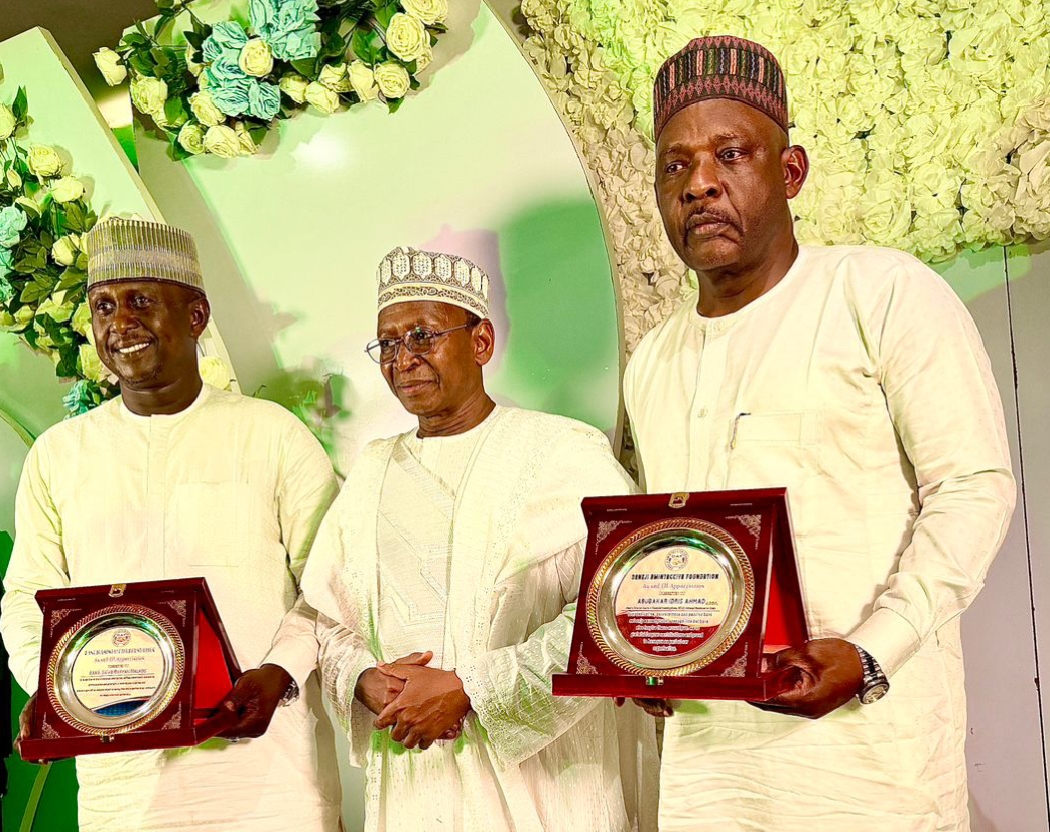
The Daneji community, under the auspices of the Daneji Amintacciyya Foundation has honoured ACGN Abubakar Idris Ahmad, former Strategic Commander of the National Drug Law Enforcement Agency (NDLEA) in Kano, for his outstanding service in the fight against drug trafficking and related crimes.
KANO FOCUS reports that the foundation commended Ahmad’s dedication, perseverance and unwavering commitment to combating illicit drug activities across Kano Municipal and the wider Kano State during his tenure.
The chairman of the foundation Alhaji Ahmad Idris (Ajiyan Hausa) made the commendation at a special Iftar organised in honour of the former commander at Daneji quarters.
The community noted that under his leadership, enforcement mechanisms were strengthened, community collaboration was enhanced and operational strategies were improved, leading to significant gains in public safety and youth protection.
Ahmad, who currently serves as Vice Chairman of the Arewa Consultative Forum (ACF), Kano State Chapter, has now assumed a new role in Abuja as a Director.
The foundation expressed confidence that his experience, integrity and professionalism would continue to yield positive results at the national level.
Daneji Amintacciyya Foundation, alongside its partner associations, congratulated him on his new appointment and wished him continued success, describing his career as one defined by dedication to national service and the pursuit of a drug-free society.
Responding, ACGN Abubakar Idris Ahmad thanked the Daneji Amintacciyya Foundation for the honour and pledged to justify the confidence reposed in him by the community throughout his service career.
ACGN Ahmad was accompanied at the event by the Secretary of the Arewa Consultative Forum, Dr. Aminu Usman Jibrin, and the Publicity Secretary, Nasiru Yusuf Ibrahim.

Kano emerges as MRV pilot state, advances climate governance

Only 30% of school-age children attend school in Northern Nigeria – Prof. Shehu

Daneji community honours former Kano NDLEA commander

Kano state Police command suspends Tashe cultural performance

Kano business community thanks FG for N5bn Singer market relief

Lami Maccido, first person to appear on screens of NTA Kano, CTV 67, dies at 72

Governor Yusuf Appoints Acting DG for Pilgrims Board, Names Provost for Anti-Corruption Institute

Kano govt investigates reported disease outbreak in Garko community

Kano begins Ramadan food distribution as Gov. Yusuf constitutes feeding committee

