
Opinion
From Grade Level 03 to Director: A 35-Year Journey of Resilience and Service

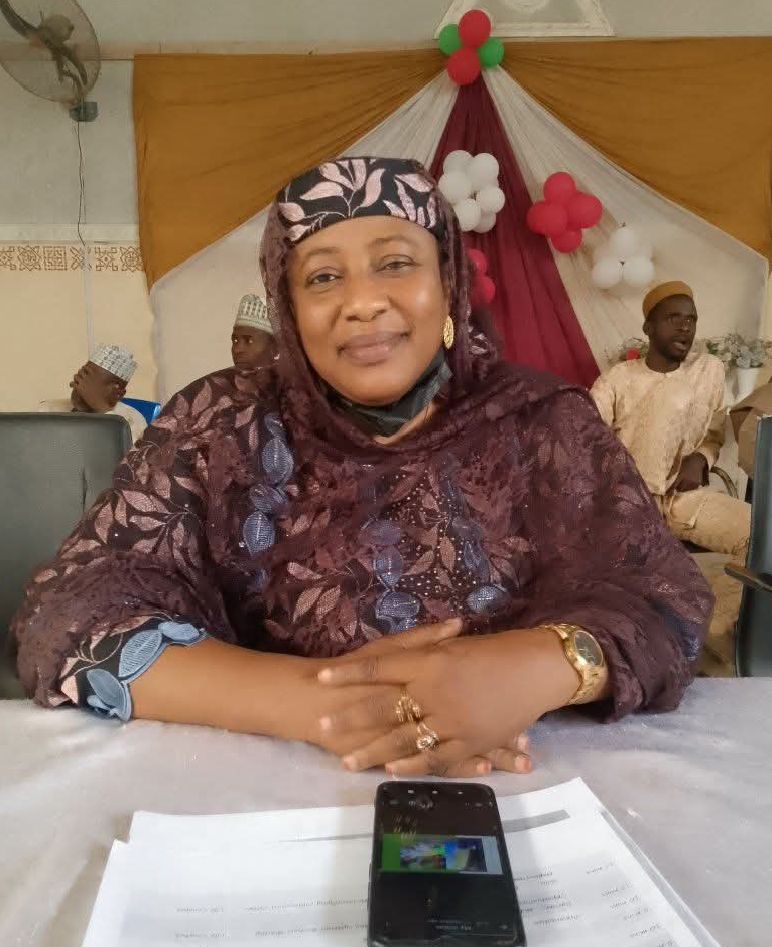
Binta Bala, PhD
Thirty-five years ago, on August 18, 1991, I walked into the Kano State Ministry of Education as a Grade Level 03 Laboratory Attendant, armed with an SSCE certificate, hope and a determination to build a meaningful career.
Today, August 18, 2026, I close that chapter of my life as a substantive Director on Grade Level 16, having served in charge of Persons with Special Needs.
When I look back at the journey, the first words that come to my mind are: Alhamdulillah. Alhamdulillah.
My career was never simply about climbing the civil service ladder. It was a journey marked by dreams, challenges, learning, perseverance and, above all, service to humanity.

I am a woman living with a physical disability and a survivor of polio. I walk with the support of a walking stick, but I have never allowed my physical condition to define who I am or determine what I can achieve.
There were obstacles. There were difficult moments. There were times when the journey demanded more courage than I thought I possessed. But I refused to surrender.
I resisted. I persevered. I kept moving forward.
My walking stick supported my steps, but it was faith, determination, education, courage and resilience that carried me through the larger journey. I chose to concentrate on my abilities rather than my limitations.
That decision changed my life.
After 35 years of service, I retire with a PhD and the privilege of having served as a pioneer Director in charge of Persons with Special Needs under the Ministry of Women Affairs, Children and Persons with Special Needs, Kano State.
For me, this is more than a career achievement. It is a testimony that disability is not inability.
Circumstances may influence the road we travel, but they do not necessarily determine our destination.
My family, my colleagues
I owe a profound debt of gratitude to my family. Thank you for your love, sacrifices, prayers and unwavering support. Thank you for believing in my abilities rather than allowing my disability to become the focus of my identity.
To my colleagues, mentors, friends and well-wishers, I say thank you for making the journey easier and more meaningful.
To every child, woman and person with special needs whose life we have had the privilege of touching, I also say thank you.
You taught me resilience, courage and the true meaning of service. You reminded me every day why inclusion matters.
My greatest reward has never been the positions I attained. It has been the opportunity to serve humanity, promote inclusion, challenge barriers and contribute, in whatever way I could, to improving the lives of others.
A message to persons with disabilities
My journey carries a message for every person who has ever been told, directly or indirectly, that they cannot succeed because of a disability.
Do not give up. Believe in yourself. Keep moving.
Your limitation does not have to become the limit of your destiny.
I know what it means to encounter barriers. I also know what it means to overcome them. The journey may be difficult, but difficulty should never be mistaken for impossibility.
Asking for forgiveness
As I retire from active public service, I wish to sincerely apologise to everyone I may have offended, disappointed or wronged during the course of my career, whether knowingly or unknowingly.
I ask for your forgiveness and understanding.
At the same time, I wholeheartedly forgive everyone who may have wronged, offended or hurt me throughout my career.
I choose to leave the past with a peaceful heart and move into the next chapter with gratitude, forgiveness and goodwill.
The work continues
Retirement from active public service does not mean retirement from the cause of inclusion.
Kano will always have my support and goodwill. My commitment to the protection, inclusion and empowerment of persons with disabilities remains strong.
I therefore appeal to all stakeholders to continue the work of safeguarding and empowering persons with disabilities.
My door remains open. The work must continue.
I hand the baton to you all.
As I close this chapter, I thank Allah, my family, colleagues, mentors, friends and everyone who contributed to this remarkable journey.
I say nagode, nagode.
Alhamdulillah bi ni‘imatihi tatimmus-salihat.
May Allah accept the service, forgive the shortcomings and bless the next chapter.
Thirty-five years of service.
One remarkable journey.
A lifetime of gratitude.
Alhamdulillah.
Binta Bala, PhD is a apioneer Director in charge of Persons with Special Needs under the Ministry of Women Affairs, Children and Persons with Special Needs, Kano State.

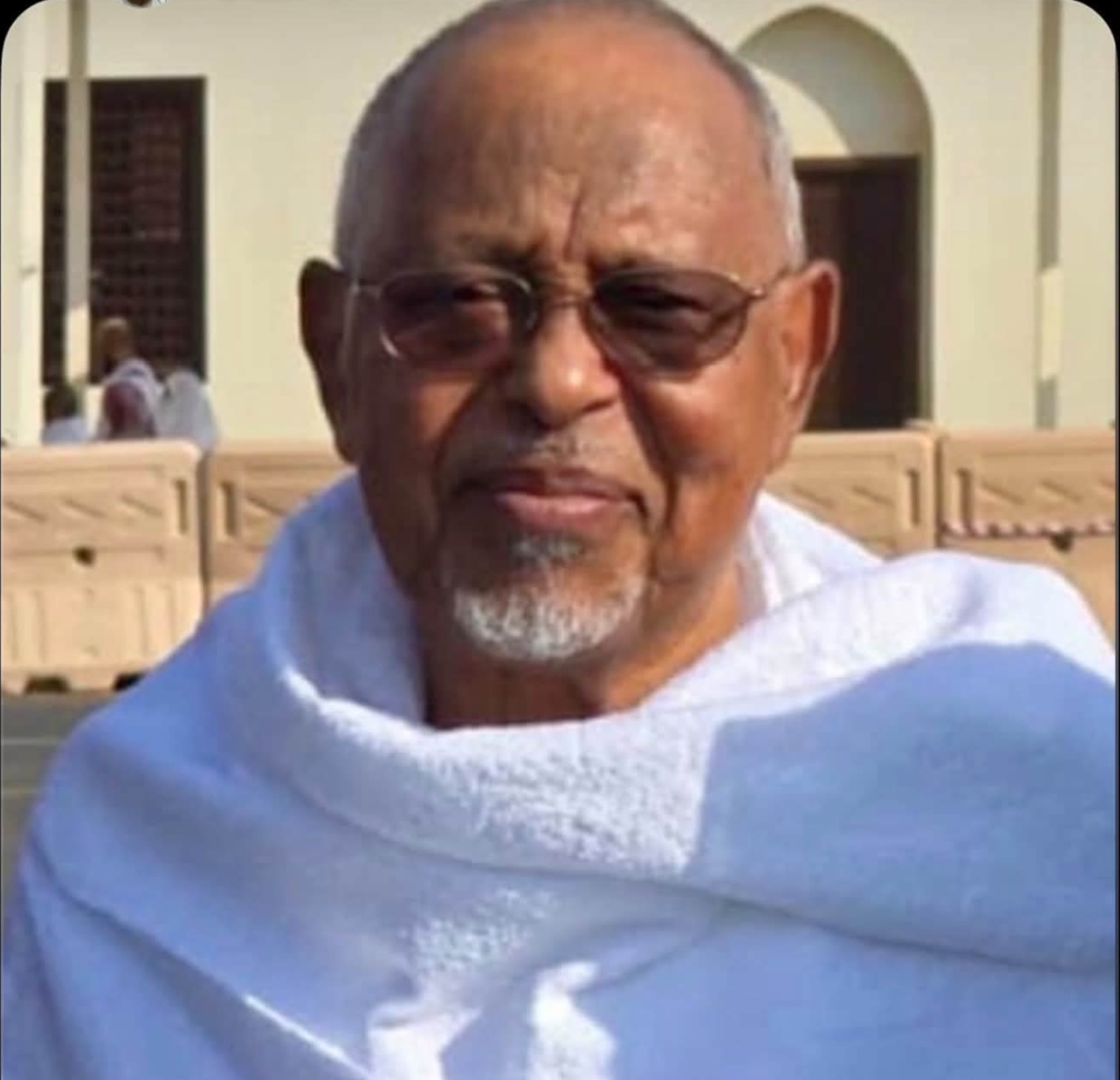
Hashim Yusuf Hassan
It is strange how the world keeps turning. The sun still rises, the seasons still change, and people continue to go about their daily lives. But there is now a quiet space in my world, a silence where your voice used to be. It is a silence that has taught me more about love and loss than words could ever express.
I still find myself reaching for my phone to tell you something, seek your advice or simply hear you say, “Don’t worry, it’ll be alright.” I still see you in the most unexpected places—in a particular shade of blue in the sky or in the way someone leans back in their chair. For a fleeting moment, it feels as though you are still here. Then the moment passes, and the ache reminds me that you are no longer with us.
But here is the truth I am learning to live with: you are not truly gone. You are woven into the very fabric of who I am. I am the person I am today because of the lessons you taught me, not just through your words but also through the way you lived. You taught me what quiet strength looks like. You taught me that integrity means doing the right thing, even when no one is watching. You taught me how to be strong, but, more importantly, you taught me how to be kind.
When I look in the mirror, I see your eyes. When I hear my own laughter, I sometimes hear yours. When I stand up for something I believe in, I feel your hand on my shoulder. You remain the compass that guides me and the voice in my head that says, “You can do this.” You are the reason I know what it feels like to be truly and unconditionally loved.
I will not pretend that I have no regrets. I wish I had called you more often. I wish I had listened more. I wish I had told you “I love you” one more time, or a thousand more times. I wish you could see all that I have accomplished and the person I have become. But I choose to believe that, somehow, you know. I choose to believe that you are proud of me.
Grief, I have learned, is simply love with nowhere to go. And my love for you is an ocean. Now that you are gone, it has nowhere to land, so it washes over me, sometimes in gentle waves and sometimes in a tide that threatens to pull me under. It is the price of having loved you so deeply, and it is a price I would gladly pay a million times over.
Thank you, Baba, for everything, for the laughter, the lessons, the protection and the love. You were my first hero, my protector and my safe place. Even now, you remain my anchor.
I miss you more than words can ever express. I will carry you with me in every step I take, in every choice I make, and in every moment of joy and sorrow. I will strive to live a life that would make you proud. I promise.
Allah Ubangiji Ya yi maka rahama.
Your son, forever and always.
Hashim Yusuf Hassan.
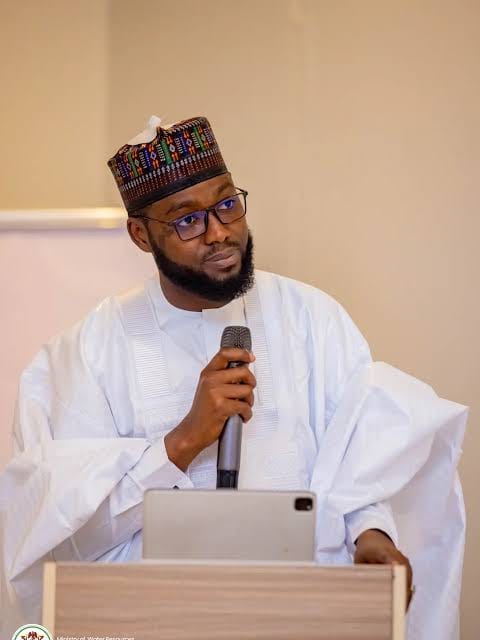
By Dr Dahir M. Hashim
Outgoing Commissioner for Environment and Climate Change and Commissioner for Water Resources, Kano State.
Looking back on my time at the Kano State Ministry of Environment and Climate Change, one of the achievements I value most is the growing recognition of environmental protection as a shared responsibility and a critical component of public health, community wellbeing, livelihoods and the future of our state.
Over time, environmental issues became more prominent in public discourse, with more residents participating in government programmes, supporting interventions and demanding accountability. This growing public engagement remains one of the most rewarding aspects of our work.
For this, I am deeply grateful to the people of Kano State.
My journey at the ministry began on January 6, 2025, when His Excellency, Governor Abba Kabir Yusuf, entrusted me with the responsibility of leading the Ministry of Environment and Climate Change.
I assumed office at a time when the sector faced significant challenges. Public facilities had deteriorated, existing policies required updating, enforcement mechanisms were weak, and frontline workers were owed outstanding payments. However, the governor recognised the enormous potential of the ministry and provided the political backing and institutional support needed to begin the process of rebuilding it.
Rebuilding environmental infrastructure
One of the areas where we recorded significant progress was the restoration of government-owned tree nurseries. Eight previously non-functional facilities were fully rehabilitated, restoring the state’s capacity to produce seedlings locally and sustainably.
Building on the administration’s three-million-tree planting programme in 2024, the initiative expanded to five million seedlings in 2025 and ten million in 2026. Significantly, all the seedlings were raised in government-owned nurseries.
Beyond the impressive numbers, the achievement represented the revival of public infrastructure and the restoration of the state’s capacity to sustain its environmental programmes without depending entirely on external sources of seedlings.
We also prioritised the restoration of the Kano State Pollution Control Laboratory. The facility was renovated, equipped and recommissioned, providing the state with renewed scientific capacity to test and monitor pollution, generate environmental data and strengthen regulatory enforcement.
To consolidate these efforts, we operationalised the Environmental Pollution Control Law and developed the Environmental Pollution and Waste Control Regulations, providing a stronger legal and institutional framework for environmental protection.
Improving waste management and flood control
At the Refuse Management and Sanitation Board (REMASAB), we introduced reforms aimed at improving the coordination of waste collection, evacuation and disposal. These interventions made waste management operations more organised and responsive, supporting the evacuation of approximately one million metric tonnes of waste.
We also restored the Dorayi Compost Plant to operation, reviving its capacity to convert organic waste into useful compost. Beyond addressing waste disposal challenges, the facility offers opportunities for investment, employment and the development of a circular economy.
Recognising the recurring threat of flooding in several communities, we undertook drainage construction, clearance and erosion-control interventions across flood-prone areas.
The stormwater harvesting intervention in Toranke and the development of the Kano State Drainage Master Plan were particularly important components of our broader strategy to strengthen flood management and move towards more sustainable urban drainage planning.
Our approach was not limited to responding to immediate environmental challenges. We also sought to establish a framework for long-term resilience and better management of the state’s environmental resources.
Restoring public parks and recreational spaces
Another area of progress was the rehabilitation of public parks and recreational facilities.
We restored four public parks, with additional facilities undergoing similar interventions. Parks that had suffered years of neglect were given new management arrangements and clearer maintenance responsibilities.
These interventions were designed to restore public spaces where families could relax, children could play and residents could enjoy a healthier urban environment.
The reforms also produced encouraging financial results, with the combined annual revenue generated by the parks increasing from approximately ₦5 million to ₦90 million.
This demonstrated that properly managed public recreational facilities can serve both social and economic purposes while contributing to the state’s revenue base.
Building a stronger policy and climate governance framework
Perhaps one of the most important aspects of our work was the effort to strengthen the policy and legislative foundations of environmental governance in Kano State.
During my tenure, we developed the Kano State Climate Change Policy, alongside its implementation plan and results framework. We also advanced the Climate Change Bill and undertook a review of the state’s Forestry Law, which had remained largely unchanged for more than five decades.
In addition, we developed the Climate Finance Reform Action and Implementation Plan and the Green Bond Framework to position Kano State to attract investment for environmental protection, climate adaptation and sustainable development.
These initiatives were intended to ensure that environmental governance would not depend solely on individual administrations or isolated interventions but would be supported by policies, laws and institutions capable of sustaining progress over time.
Kano State’s third-place finish in the 2026 Climate Governance Performance Ranking and the opportunity to present our work at COP30 in Belém, Brazil, were encouraging milestones.
They demonstrated the potential of consistent institutional support, strategic planning and collective action to improve the state’s standing in environmental and climate governance.
However, such recognition should not be viewed merely as an award or international exposure. It should serve as a reminder of the responsibility to sustain the reforms and deliver tangible benefits to the people.
Putting environmental workers at the centre of reforms
I have always believed that environmental reforms cannot succeed without the commitment and welfare of the people who implement them.
Street sweepers, sanitation workers, environmental inspectors and forest guards constitute the backbone of environmental management. Unfortunately, many of these frontline workers had experienced difficult working conditions and outstanding payment challenges.
With the support of Governor Yusuf, we cleared nine months of salary arrears owed to 2,369 verified street sweepers and doubled their stipends.
We also re-engaged environmental inspectors and forest guards while doubling the stipends of 875 sanitation vanguards.
These interventions were not merely administrative decisions. They were an acknowledgement of the dignity of labour and the indispensable contribution of frontline workers to maintaining a clean, safe and healthy environment.
I remain grateful to these men and women whose daily sacrifices often go unnoticed but whose contributions are essential to the wellbeing of our communities.
A legacy of collective responsibility
As Governor Abba Kabir Yusuf restructures the ministries and appoints a new Commissioner for Environment and Climate Change, my overriding feeling is one of gratitude.
I am particularly grateful to His Excellency for the confidence he reposed in me, the opportunity to serve and the support he provided throughout my tenure. His willingness to listen to proposals and support difficult but necessary decisions made it possible for us to undertake many of the reforms highlighted in this account.
I also appreciate the staff of the ministry and its agencies, community leaders, development partners, civil society organisations, young volunteers, private-sector operators and residents who contributed to our work.
Their participation, constructive criticism, patience and cooperation helped shape our interventions and improve their implementation.
I must emphasise that these achievements are not the accomplishment of one individual. They are the product of collective effort, institutional commitment and the contributions of many people who believed that Kano deserved a cleaner, greener and more environmentally sustainable future.
To the incoming Honourable Commissioner, I extend my congratulations and wish you success in this important responsibility. I also assure you of my willingness to offer any necessary support to sustain the progress already made and advance the environmental agenda of our dear state.
Public service is ultimately about the people and the institutions we build to serve them. Positions may change, and responsibilities may be transferred, but the obligation to contribute to society remains.
Serving Kano State as Commissioner for Environment and Climate Change has been a profound privilege. I leave with gratitude for the opportunity, satisfaction in the progress recorded and the hope that the foundations we have laid will continue to support a cleaner, greener and more resilient Kano.
Thank you, Kano State, for the trust and support.
Dr Dahir M. Hashim is the Commissioner for Water Resources and outgoing Commissioner for Environment and Climate Change, Kano State.

Dr Saleh Adamu Kwaru
Adding a staggering $20.52 billion and €1.05 billion to Nigeria’s debt burden is more than an economic miscalculation; it is a source of heartbreak for a nation already brought to its knees. At a time when millions of citizens are struggling to afford a single meal, grappling with historic inflation and watching their futures slip away, the government’s response appears to be to pile yet another mountain of debt on the country. This raises a painful question for every suffering Nigerian: When will our leaders finally acknowledge the pain their decisions inflict, and when will the bleeding stop?
The timing of this massive loan request is particularly troubling. Seeking to secure huge foreign loans on the eve of intense political activity and election seasons, when public anxiety is high and attention is divided, risks depriving citizens of the robust accountability the country deserves. Rather than looking inward, exercising fiscal discipline and improving public revenue management, the government appears to be rushing to mortgage the nation’s collective future. It feels less like responsible governance and more like a desperate attempt to lock in liabilities before the public can challenge them.
Nigeria’s national debt profile is already a ticking time bomb, placing enormous pressure on every sector of society. Every additional dollar borrowed increases the country’s financial obligations and diverts revenue that could otherwise support schools, equip hospitals and protect vulnerable citizens. Adding more than $20 billion to this burden risks pushing the country closer to the brink of a debt crisis, threatening to leave future generations trapped in a cycle of economic dependence. How much more hardship can ordinary Nigerians endure before the consequences of unsustainable borrowing become overwhelming?
We are repeatedly offered the same promises that these loans will transform electricity, roads, healthcare and education. But good intentions without transparency and accountability are not enough. Where is the visible evidence that previous loans have translated into better living conditions for ordinary Nigerians? Instead of seeing the promised improvements, many citizens continue to grapple with rising poverty while the country’s debt burden grows. When projects fail to generate sufficient economic returns to justify their costs, the burden ultimately falls on ordinary citizens through higher taxes, deteriorating public services and deeper economic hardship.
Before anyone commits future generations to repaying billions of dollars in new loans, the government must look Nigerians in the eye and explain how existing public resources are being managed. Why does borrowing appear to be the easiest option while systemic corruption and inefficiencies in public spending remain major concerns? Nigerians are exhausted by a system that leaves them bearing the consequences of decisions over which they have little control.
The country does not need another mountain of debt built on promises alone. It needs leaders committed to transparency, fiscal discipline, prudent resource management and the welfare of the people they have sworn to serve. Any new borrowing must be justified by clear development objectives, independently verifiable benefits and a credible repayment plan.
Nigeria cannot borrow its way out of every economic challenge. The government must demonstrate that it has exhausted reasonable alternatives, established safeguards against waste and corruption, and put the public interest above political convenience. Without these assurances, further borrowing risks deepening the hardship Nigerians already face and transferring an even heavier burden to generations yet unborn.
Dr Saleh Adamu Kwaru, is former staff of Central Bank of Nigeria.

Nafisah Yusuf Hassan, three others recommended for appointment as Kano high court judges

K-SAFE tracks nearly 1,000 education projects in Kano, seeks procurement monitoring role

GSS Army Day Bukavu Wins Maiden Kano Secondary Schools Tug of War Championship

Gov Yusuf Nominates Spokesperson, Sunusi Bature Dawakintofa as Commissioner

One Year Without Baba: A Son’s Tribute to Alhaji Yusuf Hassan

Indonesian scholar proposes waqf model to reform almajiri education in Nigeria

Veteran NTA manager Dahiru Biso loses wife at 58

Two suspected bandits killed, N10m ransom recovered in Kano

Gov Yusuf Joins APC Leaders at Kaduna Presidential Campaign Flag-Off as Kano Delegation Draws Attention

