
Headlines
Prof Ibrahim Bello-Kano faults claim that Dangote Is a ‘Disciplined Fulani’


Ibrahim Khalil
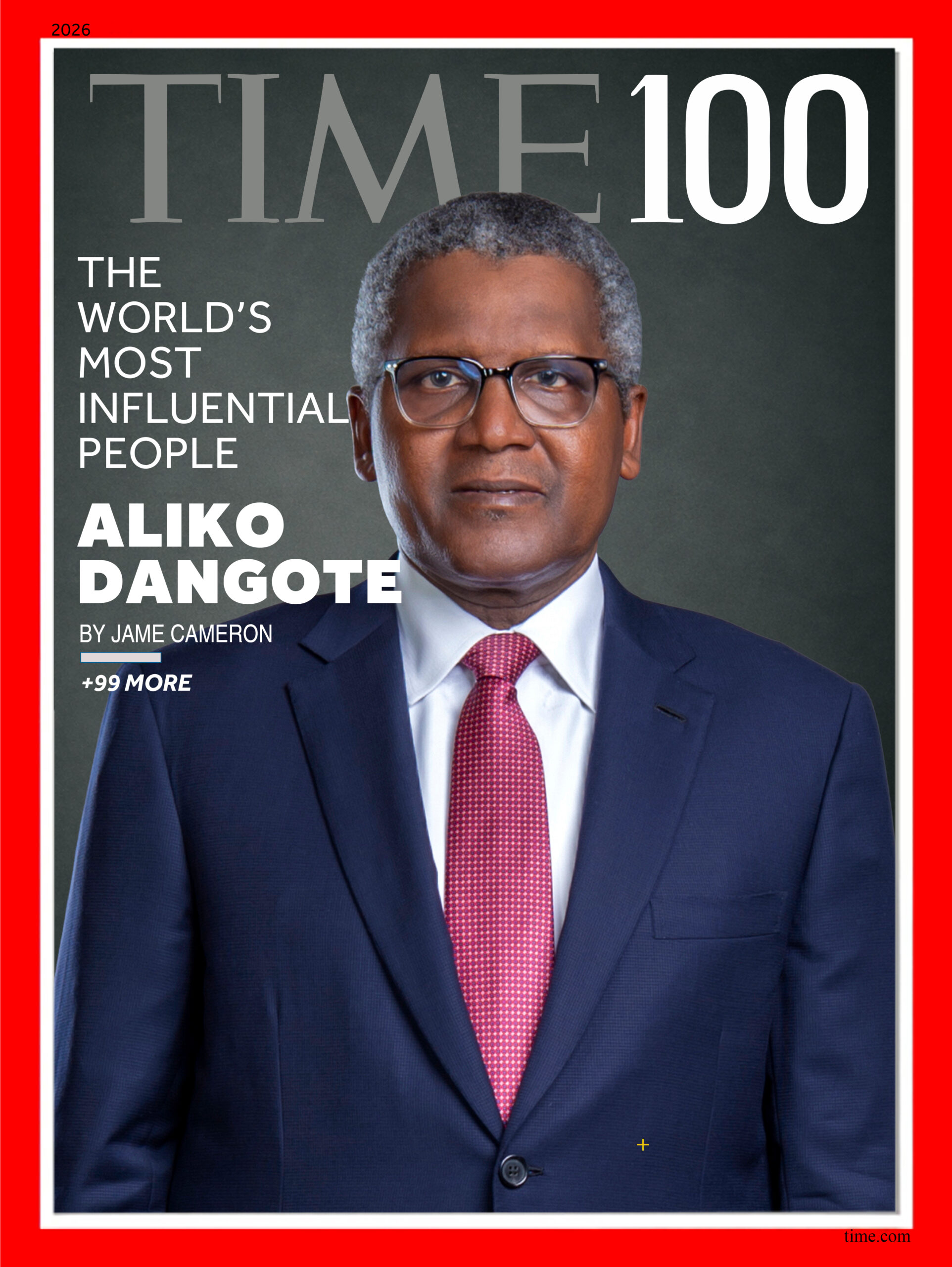
Kano-based academic Prof Ibrahim Bello-Kano popularly known as IBK has criticised a recent comment describing business mogul Aliko Dangote as a “disciplined Fulani,” arguing that the description reflects a misunderstanding of Kano’s history, ethnic identity and the background of the Dangote family.

KANO FOCUS reports that Prof IBK, in a lengthy response addressed to a professor he identified as Prof. DAO, said the claim that Dangote’s success was connected to his being a “disciplined Fulani” was historically and ethnographically questionable.
He argued that the Dangote family’s paternal lineage is rooted in the ancient city of Kano, and urged the professor to study the history of indigenous Hausa merchants and entrepreneurs in the region.
According to him, Kano had a long-established commercial culture predating the emergence of modern Nigerian industry, citing accounts by European travellers and colonial administrators as evidence of the city’s longstanding mercantile tradition.
Prof IBK referenced the writings of Lord Lugard, Heinrich Barth, Staudinger and Cailié, among others, arguing that their accounts documented the commercial activities, guild systems and manufacturing traditions that existed in Kano.
He also referred to historical accounts of wealthy merchants in Kano, including Kundila, while citing a recent intervention by the Emir of Kano, Muhammadu Sanusi II, in which the monarch reportedly listed prominent indigenous Kano and Hausa businessmen in response to comments about Dangote’s wealth.
Prof IBK further argued that ethnic identity in northern Nigeria cannot always be reduced to rigid categories of “Hausa” or “Fulani”.
He said centuries of migration, intermarriage, language, religion and cultural interaction had produced considerable ethnic and cultural hybridity across the region.
“Ethnic hybridity is the rule,” he argued, adding that claims of completely “pure” Hausa or Fulani identities could overlook the complex history of communities across northern Nigeria and neighbouring regions.
The academic also challenged the concept of describing Dangote as a “disciplined Fulani”, arguing that the phrase could inadvertently reinforce stereotypes about both Hausa and Fulani people.
He questioned the assumption that commercial success, discipline or industrial achievement should be associated with one particular ethnic identity.
Prof IBK urged the professor to examine Dangote’s family history and speak with members of his family in Koki, an old quarter of Kano, to better understand his ancestry and cultural background.
He also used examples of intermarriage, multilingualism, religious affiliation and cultural assimilation to argue that individuals in northern Nigeria may possess multiple layers of identity that do not fit neatly into a single ethnic category.
The academic further criticised what he described as the professor’s broader argument about how culture and tradition shape individual behaviour, saying such an argument did not adequately explain the historical and socioeconomic factors behind Dangote’s success.
Prof IBK concluded by arguing that critical social theory could be used to examine and challenge assumptions about ethnicity and cultural identity.
He maintained that discussions about Dangote’s success should focus on historical, economic, institutional and entrepreneurial factors rather than attributing his achievements to an ethnic description such as “disciplined Fulani”.






Nasiru Yusuf Ibrahim
Nafisah Yusuf Hassan, a magistrate in Kano State, has been recommended for appointment as a judge of the Kano State High Court by the National Judicial Council (NJC).
KANO FOCUS reports that Hassan is among four judicial officers from Kano State recommended for elevation to the High Court bench out of 28 candidates selected nationwide.
The other nominees are Halima Yahuza Ahmad, Abdullahi Abdulsalam Bature and Musa Ibrahim Umar.
The NJC disclosed the recommendations in a statement issued by its Deputy Director of Information, Kemi Babalola-Ogedengbe, following its consideration of candidates for judicial appointments across the country.
The council said all recommended candidates were expected to be sworn in by their respective state governors without delay.
Hassan’s recommendation follows her years of service in the Kano State judiciary, where she has reportedly distinguished herself through diligence, professionalism and careful handling of cases.
She has been commended for her commitment to judicial ethics, diligence and fairness in the discharge of her responsibilities, achievements that contributed to her career progression within the judiciary.
Her elevation is part of a broader development in the Kano State judiciary, with four magistrates from the state successfully scaling the selection process for appointment to the High Court.
The four nominees were reportedly assessed during the selection exercise and demonstrated strong professional competence, while their service records were found to be free of adverse remarks.
Their recommendation marks a significant step in their judicial careers and is expected to strengthen the judicial workforce in Kano State upon their formal appointment.
Nasiru Yusuf Ibrahim
The Kano State Accountability Forum on Education (K-SAFE) says it has tracked nearly 1,000 education projects across the state as part of efforts to promote transparency, accountability and effective service delivery in the education sector.
KANO FOCUS the coalition’s Co-Chair, Dr Auwalu Halilu, disclosed this on Wednesday during an advocacy visit to the Kano State Ministry of Public Procurement and Project Monitoring.
Dr Halilu said K-SAFE had monitored projects in more than six local government areas, covering interventions implemented by the State Universal Basic Education Board (SUBEB), Kano State Senior Secondary Education Management Board and Local Education Authorities (LEAs).
He explained that the monitoring exercise involved physical inspections and documentation of projects through photographs, videos and geographical locations.
According to him, reports of the findings had been submitted to relevant ministries, departments and agencies (MDAs), highlighting projects that met required standards and those requiring further attention.
He cited Rimin Gado Local Government Area, where the coalition tracked more than 80 education projects, adding that it planned to extend the exercise to all 44 local government areas of the state.
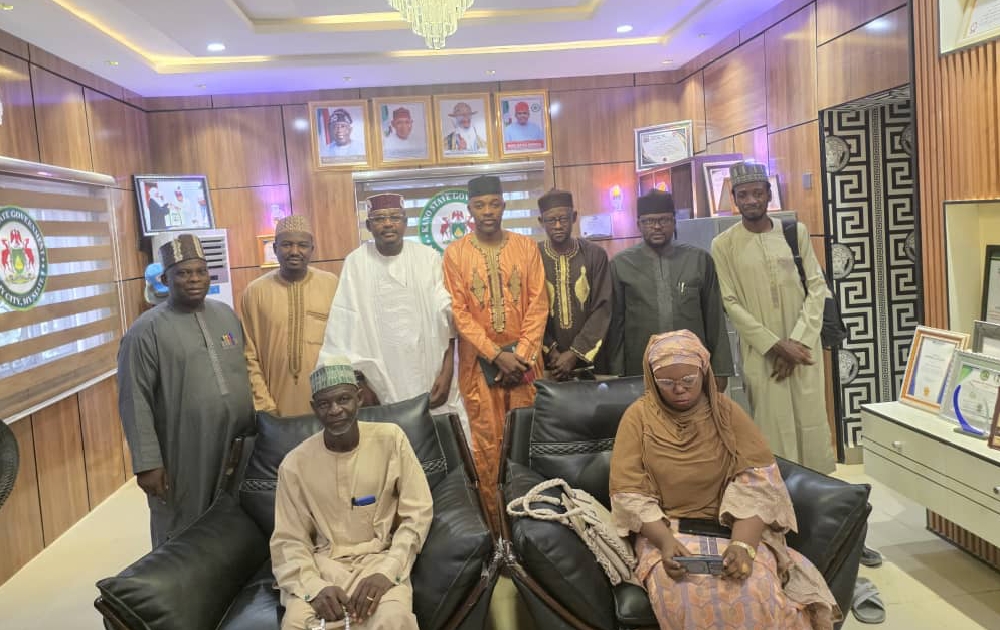
The K-SAFE Co-Chair said the visit was aimed at presenting the coalition’s activities to the ministry and exploring areas of collaboration in procurement and project monitoring.
He called for the inclusion of civil society organisations in procurement and monitoring processes, particularly tender board activities and field inspections, to strengthen independent oversight and provide them with firsthand information on government projects.
Dr Halilu also requested the ministry’s support in organising capacity-building programmes for civil society organisations on procurement procedures, due process, project standardisation, monitoring and evaluation.
He said such training would enhance civil society organisations’ understanding of procurement regulations and the technical requirements guiding project implementation.
Responding, the Commissioner for Public Procurement and Project Monitoring, Dr Nura Iro Ma’aji, welcomed the delegation and acknowledged the coalition’s contributions to supporting the state government’s efforts in the education sector.
He expressed the ministry’s readiness to collaborate with K-SAFE through information sharing and other relevant engagements to strengthen accountability and ensure compliance with due process.
“From our side, we are ready to work together because we know what they have been doing to support Kano State Government in the education sector,” he said.
Dr Halilu further disclosed that the coalition and its partner organisations had carried out the monitoring exercise without financial sponsorship, describing it as a demonstration of their commitment to transparency and accountability.
He reaffirmed K-SAFE’s commitment to sustaining engagement with relevant government agencies, civil society organisations and the media to strengthen oversight of education projects across Kano State.
Ibrahim Khalil
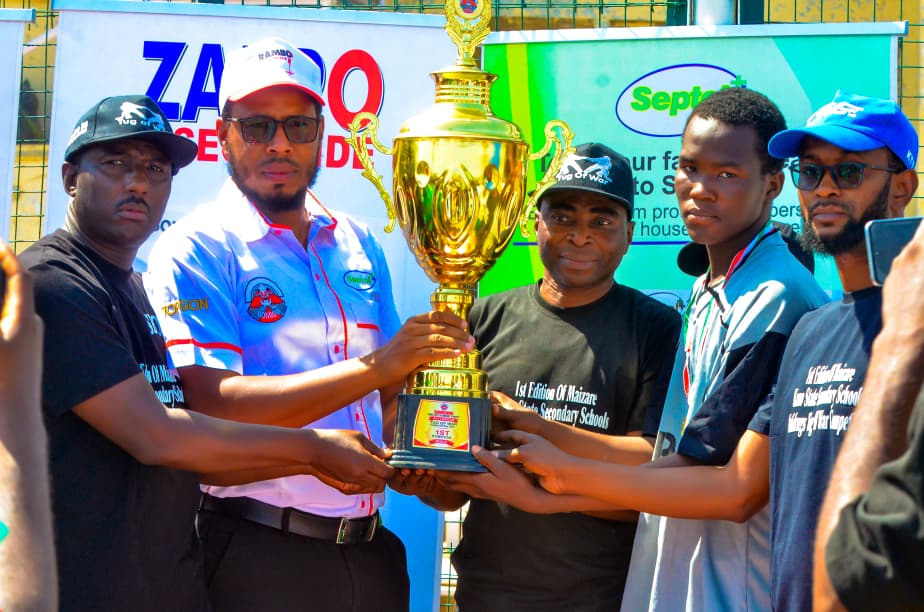
Government Secondary School (GSS) Army Day Bukavu has emerged champion in both the male and female categories of the maiden Kano State Secondary Schools Tug of War Competition.
KANO FOCUS reports that the school clinched the double victory at the competition, which ended on Wednesday at the Kano Pillars Stadium, Sabon Gari, Kano.
Governors College finished as runners-up in the male category, while Government Girls College (GGC) Kano secured second position in the female category.
The competition was organised by the Kano State Tug of War Association in collaboration with the state Ministry of Education, the National Drug Law Enforcement Agency (NDLEA) and the Kano State Sports Commission.
The maiden championship brought together secondary school students to promote teamwork, discipline, unity and sportsmanship, while raising awareness about the dangers of drug abuse.
Speaking at the closing ceremony, the Vice Chairman of the Kano State Tug of War Association, Jamilu Uba Adamu, described the competition as a successful initiative that had achieved its objectives.
He commended the Ministry of Education, Sports Commission, NDLEA, Gongoni Company Limited and MAGZO Pharmaceutical for supporting the event, particularly through the provision of T-shirts and Pocari Sweat drinks.
Also speaking, the Secretary of the Kano State Tug of War Association, Bashir Muhammad Sulaiman, who represented the Executive Chairman of the Sports Commission, Muhammad Tukur Babangida, reaffirmed the commission’s commitment to developing grassroots and school sports.
He said the initiative would help identify and nurture young sporting talents across the state.
The closing ceremony was attended by a member of the Kano State Football Association Board, Rilwanu Idris Malikawa Garu, representatives of the Ministry of Education, NDLEA, the Sports Commission and other stakeholders in the sports sector.
The organisers congratulated the winning schools and commended all participating institutions and partners for contributing to the success of the maiden edition.

Nafisah Yusuf Hassan, three others recommended for appointment as Kano high court judges

K-SAFE tracks nearly 1,000 education projects in Kano, seeks procurement monitoring role

GSS Army Day Bukavu Wins Maiden Kano Secondary Schools Tug of War Championship

Gov Yusuf Nominates Spokesperson, Sunusi Bature Dawakintofa as Commissioner

One Year Without Baba: A Son’s Tribute to Alhaji Yusuf Hassan

Indonesian scholar proposes waqf model to reform almajiri education in Nigeria

Veteran NTA manager Dahiru Biso loses wife at 58

Two suspected bandits killed, N10m ransom recovered in Kano

Gov Yusuf Joins APC Leaders at Kaduna Presidential Campaign Flag-Off as Kano Delegation Draws Attention

