
Headlines
JIBWIS chairman calls for firm prosecution of drug offenders in Kano

Nasiru Yusuf Ibrahim
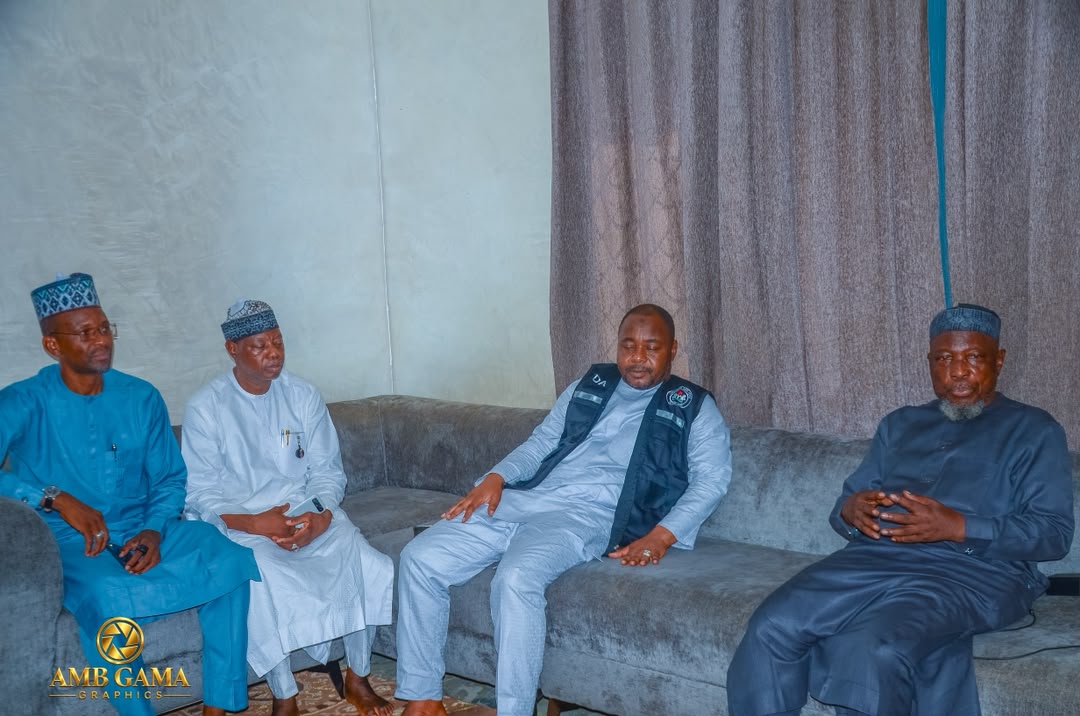
The Chairman of Jama’atu Izalatil Bidi’a Wa Ikamatus Sunnah (JIBWIS), Kano State, Professor Abdullahi Saleh Pakistan, has called for firm and decisive action against drug offenders, saying effective prosecution is critical to addressing the growing social challenges associated with drug abuse and illicit trafficking.
KANO FOCUS reports that Professor Pakistan, a former Chairman of the National Hajj Commission of Nigeria (NAHCON), made the call when the Chairman of the Kano State Multi-Agency Task Force on Drug Abuse and Illicit Trafficking, Barrister Muhuyi Magaji Rimin Gado, paid him a courtesy visit in Kano.

According to a statement by Lamara Garba, Secretary of the Media and Publicity Committee of the task force, Professor Pakistan identified inadequate prosecution of drug offenders as one of the factors contributing to worsening social challenges in the state.
He urged the government to ensure that those involved in drug abuse and illicit trafficking face appropriate legal consequences.
Professor Pakistan commended Governor Abba Kabir Yusuf for establishing the multi-agency task force, describing it as an important step towards confronting drug abuse and illicit trafficking in Kano State.
He said effective control of the sale and consumption of illicit drugs could help address several social vices and security challenges confronting the state.
The JIBWIS chairman pledged the organisation’s support for the task force and urged religious, traditional and community leaders to join the campaign against drug abuse.
He also advised the task force to organise special engagements with identified thugs and other vulnerable groups in communities across the state.
Professor Pakistan suggested that ward and village heads should facilitate such meetings, while Islamic scholars and respected elders from affected communities should be invited to counsel young people on the dangers of drug abuse, violence and other social vices.
He stressed that combating drug abuse was a collective responsibility requiring the involvement of government agencies, religious leaders, traditional institutions, community leaders, parents and other stakeholders.
The JIBWIS chairman also pledged to mobilise members of the Ulama to offer prayers for the success of the task force and the campaign against drug abuse in Kano.
He prayed for Governor Yusuf and described the establishment of the task force as a strategic initiative to confront a major challenge facing society.
Task Force Seeks Ulama’s Support
Earlier, Barr Rimin Gado said the visit was part of the task force’s strategic engagement with critical stakeholders to build partnerships and secure support for its mandate.
He described the Ulama as strategic partners in the fight against drug abuse and illicit trafficking, noting that religious leaders wield significant influence in mobilising communities and raising awareness about the dangers of drug abuse.
Barr Rimin Gado said the task force would continue to engage religious and traditional institutions, community leaders and other stakeholders as part of efforts to prevent drug abuse, combat illicit trafficking and protect young people from drug-related harm.
He expressed appreciation to Professor Pakistan for his willingness to support the task force, saying the collaboration would strengthen community mobilisation, public enlightenment and the collective response to the drug menace in Kano State.



Nasiru Yusuf Ibrahim
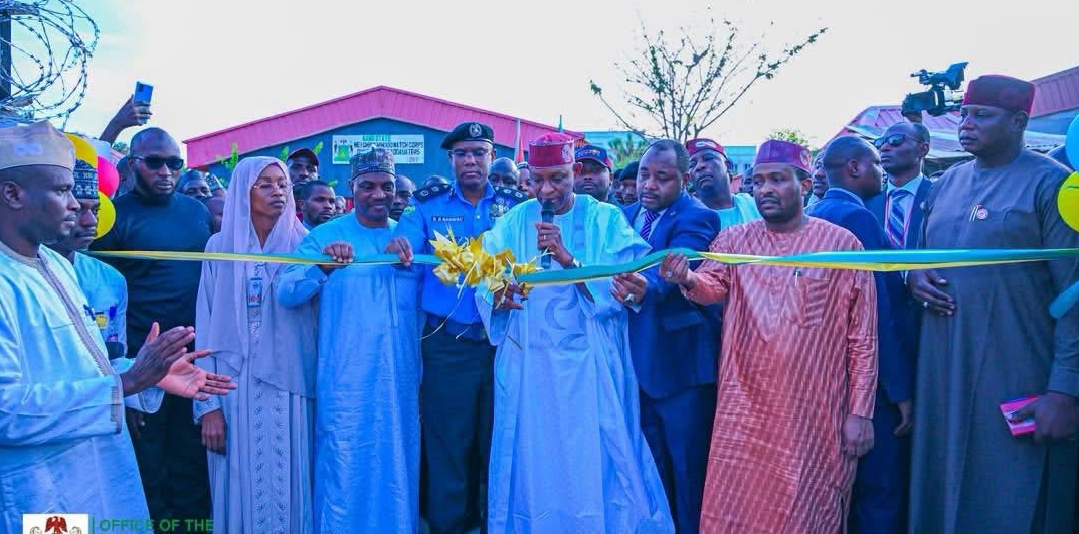
Kano State Governor, Abba Kabir Yusuf, has commissioned a Quick Response Squad of the Multi-Agency Task Force on Drug Abuse and Illicit Trafficking, alongside operational equipment worth hundreds of millions of naira, as part of efforts to intensify the fight against drug abuse, thuggery and illicit trafficking.
KANO FOCUS reports that the commissioning took place on Thursday, marking another step in the state government’s efforts to tackle substance abuse through enforcement, rapid response, rehabilitation, skills acquisition and reintegration of affected persons into society.
Speaking at the ceremony, Gov Yusuf expressed satisfaction with what he described as progress recorded in the fight against drug abuse across the state.
“I am the happiest man in Kano today as we continue to push drug abuse down to the barest minimum,” he said.
The governor said the newly established squad would strengthen the operational capacity of the task force by enabling it to respond promptly to reports, drug-related incidents and emerging threats associated with illicit trafficking.
He explained that the provision of operational equipment was part of his administration’s commitment to equipping relevant agencies with the necessary tools to address the drug menace.
Gov Yusuf, however, stressed that the campaign should go beyond arrest and prosecution, noting that rehabilitated persons must be given opportunities to acquire skills and engage in legitimate economic activities.
He said the government would sustain skills acquisition and apprenticeship programmes to keep rehabilitated persons meaningfully engaged and reduce the risk of relapse into drug use and other criminal activities.
The governor commended the chairman and members of the task force for their dedication and commitment, saying the achievements recorded within a relatively short period demonstrated the importance of collaboration among government agencies and other stakeholders.
Accompanied by the Speaker of the Kano State House of Assembly, Jibril Ismaila Falgore, and other senior government officials, Gov Yusuf inspected the newly commissioned facility and the equipment procured for the task force.
In his remarks, the Chairman of the Multi-Agency Task Force on Drug Abuse and Illicit Trafficking, Barr Muhyi Magaji Rimin Gado, said the Quick Response Squad and the newly acquired equipment would enhance the agency’s capacity to respond effectively to drug-related challenges.
He reaffirmed the task force’s commitment to sustaining its operations against substance abuse and illicit trafficking, assuring the governor that it would not relent in carrying out its mandate.
Barr Rimin Gado expressed appreciation to the governor for providing political and operational support, which he said had strengthened the task force’s activities.
He noted that tackling drug abuse required collective responsibility, involving government institutions, security and regulatory agencies, traditional and religious leaders, parents, communities and educational institutions.
The chairman pledged that the task force would sustain its preventive, enforcement, rehabilitation and reintegration programmes while strengthening collaboration with relevant stakeholders to reduce substance abuse and illicit drug trafficking in the state.

Nasiru Yusuf Ibrahim
Nafisah Yusuf Hassan, a magistrate in Kano State, has been recommended for appointment as a judge of the Kano State High Court by the National Judicial Council (NJC).
KANO FOCUS reports that Hassan is among four judicial officers from Kano State recommended for elevation to the High Court bench out of 28 candidates selected nationwide.
The other nominees are Halima Yahuza Ahmad, Abdullahi Abdulsalam Bature and Musa Ibrahim Umar.
The NJC disclosed the recommendations in a statement issued by its Deputy Director of Information, Kemi Babalola-Ogedengbe, following its consideration of candidates for judicial appointments across the country.
The council said all recommended candidates were expected to be sworn in by their respective state governors without delay.
Hassan’s recommendation follows her years of service in the Kano State judiciary, where she has reportedly distinguished herself through diligence, professionalism and careful handling of cases.
She has been commended for her commitment to judicial ethics, diligence and fairness in the discharge of her responsibilities, achievements that contributed to her career progression within the judiciary.
Her elevation is part of a broader development in the Kano State judiciary, with four magistrates from the state successfully scaling the selection process for appointment to the High Court.
The four nominees were reportedly assessed during the selection exercise and demonstrated strong professional competence, while their service records were found to be free of adverse remarks.
Their recommendation marks a significant step in their judicial careers and is expected to strengthen the judicial workforce in Kano State upon their formal appointment.
Nasiru Yusuf Ibrahim
The Kano State Accountability Forum on Education (K-SAFE) says it has tracked nearly 1,000 education projects across the state as part of efforts to promote transparency, accountability and effective service delivery in the education sector.
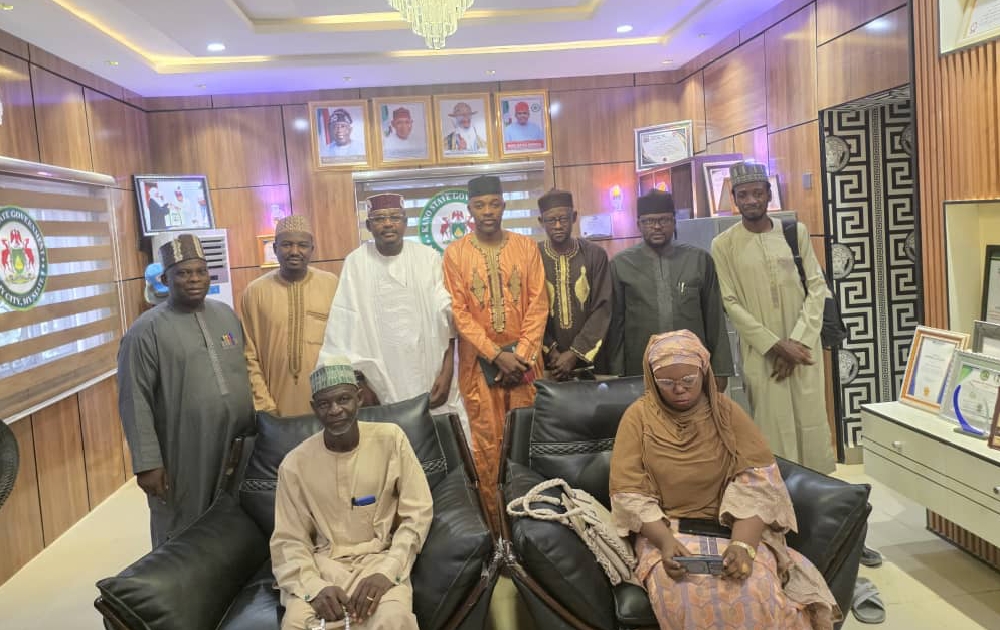
KANO FOCUS the coalition’s Co-Chair, Dr Auwalu Halilu, disclosed this on Wednesday during an advocacy visit to the Kano State Ministry of Public Procurement and Project Monitoring.
Dr Halilu said K-SAFE had monitored projects in more than six local government areas, covering interventions implemented by the State Universal Basic Education Board (SUBEB), Kano State Senior Secondary Education Management Board and Local Education Authorities (LEAs).
He explained that the monitoring exercise involved physical inspections and documentation of projects through photographs, videos and geographical locations.
According to him, reports of the findings had been submitted to relevant ministries, departments and agencies (MDAs), highlighting projects that met required standards and those requiring further attention.
He cited Rimin Gado Local Government Area, where the coalition tracked more than 80 education projects, adding that it planned to extend the exercise to all 44 local government areas of the state.
The K-SAFE Co-Chair said the visit was aimed at presenting the coalition’s activities to the ministry and exploring areas of collaboration in procurement and project monitoring.
He called for the inclusion of civil society organisations in procurement and monitoring processes, particularly tender board activities and field inspections, to strengthen independent oversight and provide them with firsthand information on government projects.
Dr Halilu also requested the ministry’s support in organising capacity-building programmes for civil society organisations on procurement procedures, due process, project standardisation, monitoring and evaluation.
He said such training would enhance civil society organisations’ understanding of procurement regulations and the technical requirements guiding project implementation.
Responding, the Commissioner for Public Procurement and Project Monitoring, Dr Nura Iro Ma’aji, welcomed the delegation and acknowledged the coalition’s contributions to supporting the state government’s efforts in the education sector.
He expressed the ministry’s readiness to collaborate with K-SAFE through information sharing and other relevant engagements to strengthen accountability and ensure compliance with due process.
“From our side, we are ready to work together because we know what they have been doing to support Kano State Government in the education sector,” he said.
Dr Halilu further disclosed that the coalition and its partner organisations had carried out the monitoring exercise without financial sponsorship, describing it as a demonstration of their commitment to transparency and accountability.
He reaffirmed K-SAFE’s commitment to sustaining engagement with relevant government agencies, civil society organisations and the media to strengthen oversight of education projects across Kano State.

Mother of former Kano NUJ chairman Abbas Ibrahim dies at 91

Kano commissions Quick Response Squad to tackle drug abuse, thuggery

Nafisah Yusuf Hassan, three others recommended for appointment as Kano high court judges

K-SAFE tracks nearly 1,000 education projects in Kano, seeks procurement monitoring role

GSS Army Day Bukavu Wins Maiden Kano Secondary Schools Tug of War Championship

Indonesian scholar proposes waqf model to reform almajiri education in Nigeria

Veteran NTA manager Dahiru Biso loses wife at 58

Two suspected bandits killed, N10m ransom recovered in Kano

Gov Yusuf Joins APC Leaders at Kaduna Presidential Campaign Flag-Off as Kano Delegation Draws Attention

