
Headlines
Insecurity, unemployment, climate change driving irregular migration — Official


Nasiru Yusuf Ibrahim
Insecurity, climate change, limited livelihood opportunities and youth unemployment are among the major factors driving irregular migration, the National Commission for Refugees, Migrants and Internally Displaced Persons (NCFRMI) has said.

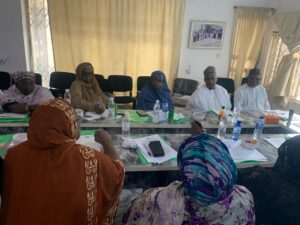
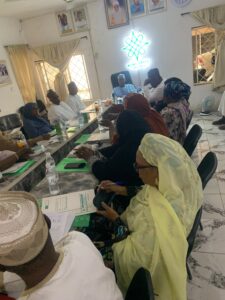
KANO FOCUS reports that the Principal Executive Officer of the NCFRMI, Kano Office, Ibrahim Isah, stated this in Kano at a training for civil society organisations, women’s groups and local authorities on gender-responsive migration governance and climate adaptation, organised by the African Health Information and Promotion Initiative (AHIP), in collaboration with the International Organization for Migration (IOM) and the Economic Community of West African States (ECOWAS) under the ROOTS Project.
Isah said irregular migration exposes migrants to several dangers, including trafficking, exploitation and smuggling through dangerous desert and sea routes.
He said insecurity, climate change, limited livelihood opportunities and youth unemployment were contributing to both internal and outward migration.
He urged intending migrants to make informed decisions by assessing their needs, obtaining reliable information, considering potential risks, planning safely and exploring available alternatives before embarking on any journey.
According to him, risk mitigation should begin before departure and involve community-level actors, reliable information sources and appropriate protection mechanisms.
Isah stressed that community leadership remains central to migration governance because of its trust and legitimacy, local knowledge, capacity for early prevention and support for reintegration.
He added that community leaders could also serve as a bridge between communities and government institutions in promoting safer migration and protecting vulnerable people.
The Executive Director of AHIP, Dr Mairo Bello, said the initiative was aimed at strengthening community capacity to address migration challenges and climate-related vulnerabilities.
Participants shared experiences of irregular migration, highlighting hardships faced by migrants in some destination countries, including exploitation, detention, illness and other forms of abuse after falling into the hands of criminal networks and unscrupulous individuals.
KANO FOCUS reports that the participants called for stronger community-based measures to promote safe and informed migration, improve access to reliable information and protect vulnerable groups from trafficking and exploitation. They stressed that closer collaboration among communities, government institutions and relevant stakeholders would be critical to tackling the drivers of irregular migration and strengthening protection for migrants before, during and after their journeys.




The Eurodite scholar alleges that insurgents continue to exert influence in parts of the North, while the summit calls for stronger security measures and urgent action to address the plight of affected communities.
Nasiru Yusuf Ibrahim
Dr Usman Bugaje, a scholar and political activist, has criticised Nigeria’s political leadership over persistent insecurity in Muslim-majority communities, describing the Muslim-Muslim presidential ticket as a “fraud” allegedly used to win voters’ support without addressing their challenges.
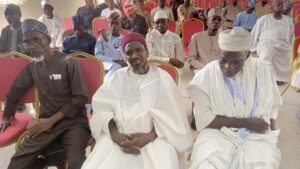
KANO FOCUS reports that Bugaje spoke at a one-day summit organised by the Islamic Forum of Nigeria in Kano on Saturday, with the theme, “Dilemma of Muslims in Nigeria: The Way Forward.”
The summit brought together Islamic scholars, professionals and other stakeholders to discuss insecurity, economic hardship, religious discrimination and other challenges confronting Muslims in the country.
Dr Bugaje argued that the religious identity of political leaders had not translated into adequate protection for Muslim communities, despite the support they received from voters.
He said persistent insecurity and economic hardship raised questions about the benefits of political arrangements built around religious identity.
Citing the security situation in the North-East, Bugaje alleged that Boko Haram insurgents continued to wield influence in communities around Maiduguri, where they reportedly collected taxes and held court sessions to settle disputes among residents.
He also expressed concern over the security situation in Sokoto State, claiming that residents travelling from the state capital to Isa Local Government Area could do so only twice a week with the support of the Joint Task Force (JTF).
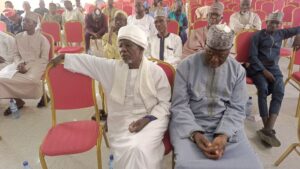
The scholar argued that the situation underscored the failure of political representation based on religious identity to guarantee safety and improve living conditions for the people.
He further raised concerns about Nigeria’s dependence on imported medicines, claiming that about 70 per cent of drugs used in the country were imported.
Dr Bugaje said strengthening domestic pharmaceutical production and protecting the country’s territorial integrity were important measures of national independence.
He also warned about drug abuse among young people and women, describing it as a threat to the social and economic wellbeing of Muslim communities.
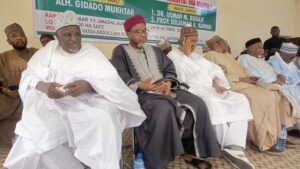
Earlier, Professor Sulaiman Abdullahi Karwai of Ahmadu Bello University, Zaria, said the Muslim-Muslim presidential ticket did not necessarily represent Muslim interests, arguing that politicians had adopted the arrangement as an electoral strategy because of the large Muslim population in Nigeria.
Prof Karwai lamented the economic hardship facing Nigerians, citing inflation, fuel subsidy removal, exchange-rate changes and tax reforms as factors contributing to the difficulties experienced by citizens.
He also raised concerns about insecurity, including the reported abduction and killing of a professor and a nurse at Ahmadu Bello University, Zaria, as well as what he described as inadequate federal capital projects in Muslim-majority states.
Recalling the late General Sani Abacha’s establishment of the Petroleum Trust Fund (PTF), Karwai said its interventions helped support health and educational institutions amid increases in fuel prices.
The summit’s chairman, Alhaji Gidado Mukhtar, said Nigeria was a multi-religious country in which citizens should be free to practise their faith.
He said the summit was convened to examine challenges confronting Muslims, including insecurity, religious discrimination and persecution.
The National Chairman of the Islamic Forum of Nigeria, General Ahmad Daku (rtd), represented by his deputy, Alhaji Muhammad Tukur Bello, said the meeting was intended to assess the situation of Muslims and identify a way forward.
The forum’s Acting Executive Secretary, Alhaji Dalhatu Muhammad Gwarzo, said the discussions addressed major challenges affecting Muslim communities, particularly banditry, kidnapping and religious discrimination.
Alhaji Gwarzo said the summit called on state governors and members of the National and State Assemblies to remember the plight of affected communities and take concrete steps to address their problems.
He added that the leaders had been urged to act decisively, noting that Allah was aware of the situation confronting the people.
He also called on Muslims and other Nigerians to intensify prayers for divine intervention, while urging Imams to pray for Allah’s guidance and solutions to the country’s challenges and sensitise the Muslim community, particularly during Friday sermons.
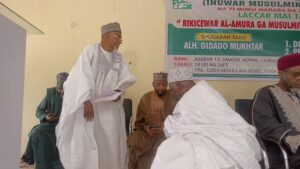
The forum said a committee would be constituted to review the summit’s resolutions and develop an actionable plan for implementation.
In its communiqué, the summit called for stronger security measures, a review of economic policies it said were worsening hardship, fairness in federal appointments, protection of the right to wear hijab and greater cooperation among Muslim organisations.
It also urged Muslim communities and organisations to invest in education, healthcare, economic empowerment and Islamic social finance as part of efforts to tackle poverty and improve human development.
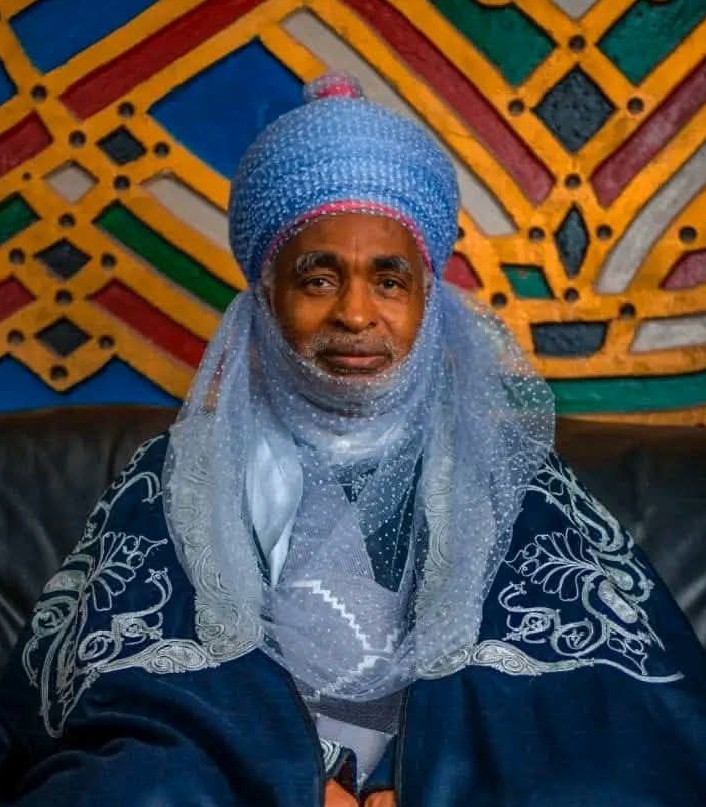
The Arewa Consultative Forum (ACF), Kano State Chapter, has appointed Alhaji (Dr) Isyaku Umar Tofa, OON, popularly known as Makaman Bichi, as interim chairman following the resignation of Dr Goni Faruk Umar.
Tofa will lead a three-member interim leadership team tasked with steering the affairs of the chapter alongside the remaining members of its executive committee until a substantive chairman is elected.
KANO FOCUS reports that the other members of the interim team are Ambassador Bala Mohammed Sani, mni, and Hajiya Rabia Husaini Adamu.
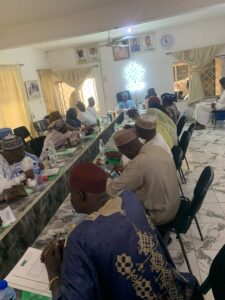
The appointments were announced by General Haliru Akilu (rtd) at a joint meeting of members of the ACF Board of Trustees representing Kano State and the chapter’s executive committee held on Saturday at the Late Amina Habib ACF Secretariat, Gidan AHIP, Maiduguri Road, Kano.
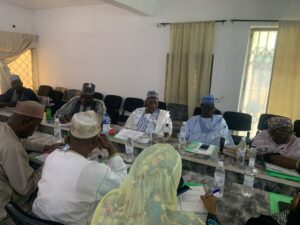
General Akilu (rtd) said the interim team would manage the chapter’s affairs for the remainder of the current executive committee’s tenure, pending the election of a new chairman.
He explained that the decision was part of efforts to promote reconciliation, restore mutual understanding and strengthen cooperation among members following disagreements that had affected the smooth running of the chapter.
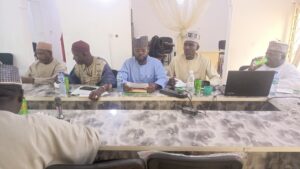
He urged members to put aside their differences and work collectively in the interest of the forum, stressing that the meeting was convened to resolve outstanding issues rather than revive past controversies.
“The spirit that should guide every one of us is the same: consultation before decision, integrity before convenience and service before self,” General Akilu (rtd) said.
He called on members to embrace patience, humility and constructive dialogue, adding that their contributions should focus on finding lasting solutions to the chapter’s challenges.
General Akilu (rtd) also confirmed receipt of Umar’s resignation letter, in which the outgoing chairman cited the demands of his busy schedule.
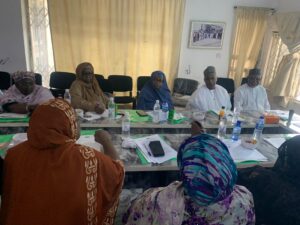
He expressed appreciation for Umar’s service, commending the time, energy and commitment he had devoted to the forum. He also wished him well in his other responsibilities and expressed hope that he would continue to offer advice and support to the chapter.
The retired general further commended Assistant Controller-General of Narcotics, Alhaji Abubakar Idris Ahmed, for serving as acting chairman for approximately four months during the outgoing chairman’s absence.
He praised Ahmed’s dedication and contributions, noting that his service had helped sustain the chapter’s activities during the period.
In their separate remarks, the three interim leaders—Tofa, Ambassador Sani and Hajiya Adamu—expressed appreciation for the confidence reposed in them and pledged to justify the trust through dedicated service.
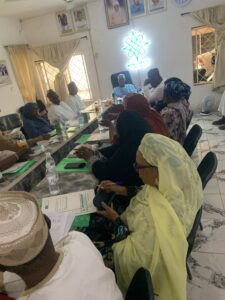
They are expected to work with the remaining executive committee members to promote unity, rebuild confidence and ensure the effective administration of the chapter until a substantive chairman is elected.
General Akilu (rtd) said a united and purposeful ACF Kano Chapter would be better positioned to contribute to the development of Kano State and Northern Nigeria, particularly in addressing challenges relating to insecurity, poverty, education, youth empowerment and peaceful coexistence.
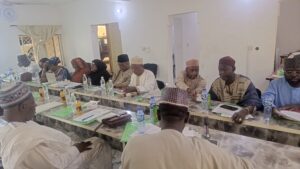
He urged members to support the interim leadership and embrace teamwork, noting that practical resolutions and collective commitment were essential to restoring stability and strengthening the forum’s activities.
Nasiru Yusuf Ibrahim
Publicity Secretary II
Arewa Consultative Forum (ACF), Kano State Chapter.
Nasiru Yusuf Ibrahim
The Commander-General of the Kano State Hisbah Board, Sheikh Aminu Ibrahim Daurawa, has declared that he is not a politician and will not campaign for any political candidate.
KANO FOCUS reports that Sheikh Aminu Daurawa, a renowned Islamic cleric, made the declaration in a post on his Facebook page, where he prayed for the success of leaders committed to justice, protecting the rights of the poor and improving the welfare of citizens.
“I am not a politician, and I will not campaign for anyone. However, I hope that Allah grants victory to whoever will uphold justice, show compassion to the poor, protect their rights and work to improve their lives,” he wrote in Hausa.
The cleric also prayed for the emergence of leaders who would demonstrate honesty, trustworthiness and the fear of Allah in the discharge of their responsibilities.
He urged that public officeholders should prioritise the needs of the people above their personal interests.
“May Allah give us leaders who are truthful, trustworthy and God-fearing, and who will place the needs of the people above their personal interests. Amin, O Lord of the worlds,” he added.
KANO FOCUS reports that Sheikh Daurawa’s message emphasised the importance of justice, accountability and people-centred leadership, without endorsing any particular political party or candidate.

Rumfa Old Boys Class ’84 launches three-year academic improvement programme

CS-SUNN mourns Niger state television journalist Habiba Alabura

Dangote Cement Strengthens Driver Safety Measures Across Africa

Veteran NTA manager Dahiru Biso loses wife at 58

Insecurity: Bugaje faults Muslim-Muslim ticket, says leaders failed to protect Muslims

Kano must make government procurement work for made-in-Kano

Indonesian scholar proposes waqf model to reform almajiri education in Nigeria

Nigeria’s Data Demand Surges 47% as Stakeholders Seek Fresh Investment in Digital Infrastructure

Kano Settles N32bn Pension, Gratuity Liabilities, Says Gov Yusuf

