
Headlines
NAPTIP seeks family of 11-year-old boy abandoned at Kano airport

Ibrahim Khalil
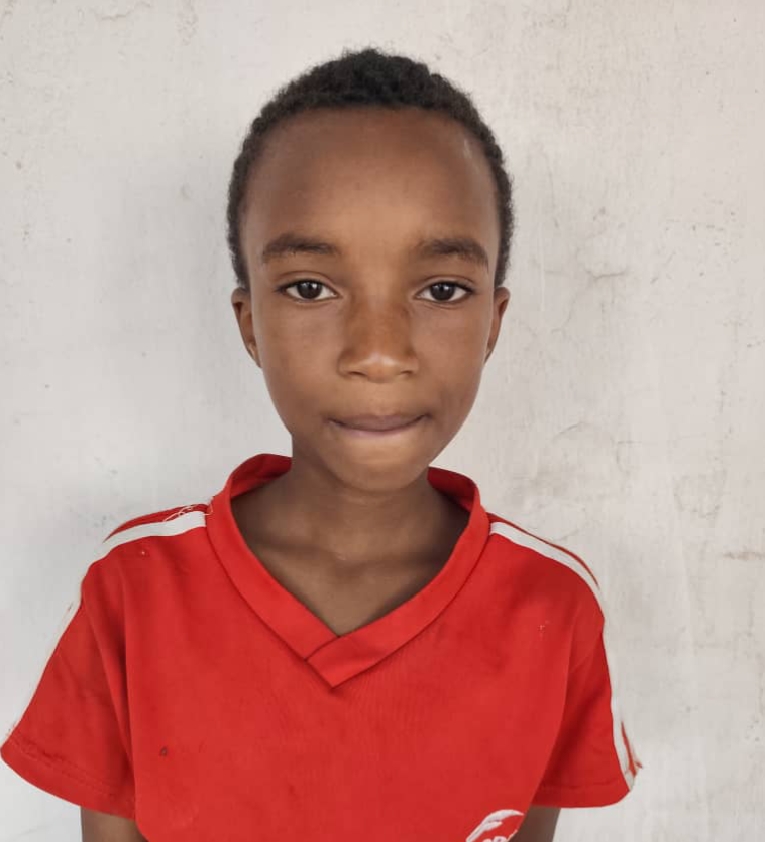
The National Agency for the Prohibition of Trafficking in Persons (NAPTIP), Kano Zonal Command, has appealed to the public to help trace the family of an 11-year-old boy, Abubakar Mohamed, reportedly abandoned at the Malam Aminu Kano International Airport.
KANO FOCUS reports that the boy, who said he hails from Bafoussam town in Cameroon, reportedly told the agency that his stepmother brought him to Kano and left him at the airport motor park.
According to the agency, the boy has no identification documents but provided some details that could help locate his family.

He identified his father as Baffa and his mother as Inna, while naming his siblings as Manu, Dahiru, Bahi, Zainab and Hauwa.
The boy is currently in the care of NAPTIP’s Kano Zonal Command, located at No. 98, Foundation Road, Farm Centre, Nasarawa, Kano.
In an appeal to the public, Umar Muhammad, Head of Public Enlightenment at the command, urged anyone with useful information that could help trace the boy’s family to contact the agency.
Members of the public can reach NAPTIP Kano on 07080601800 or via email at infokano@naptip.gov.ng.
The agency called for public support to facilitate the boy’s reunion with his family.





Nasiru Yusuf Ibrahim
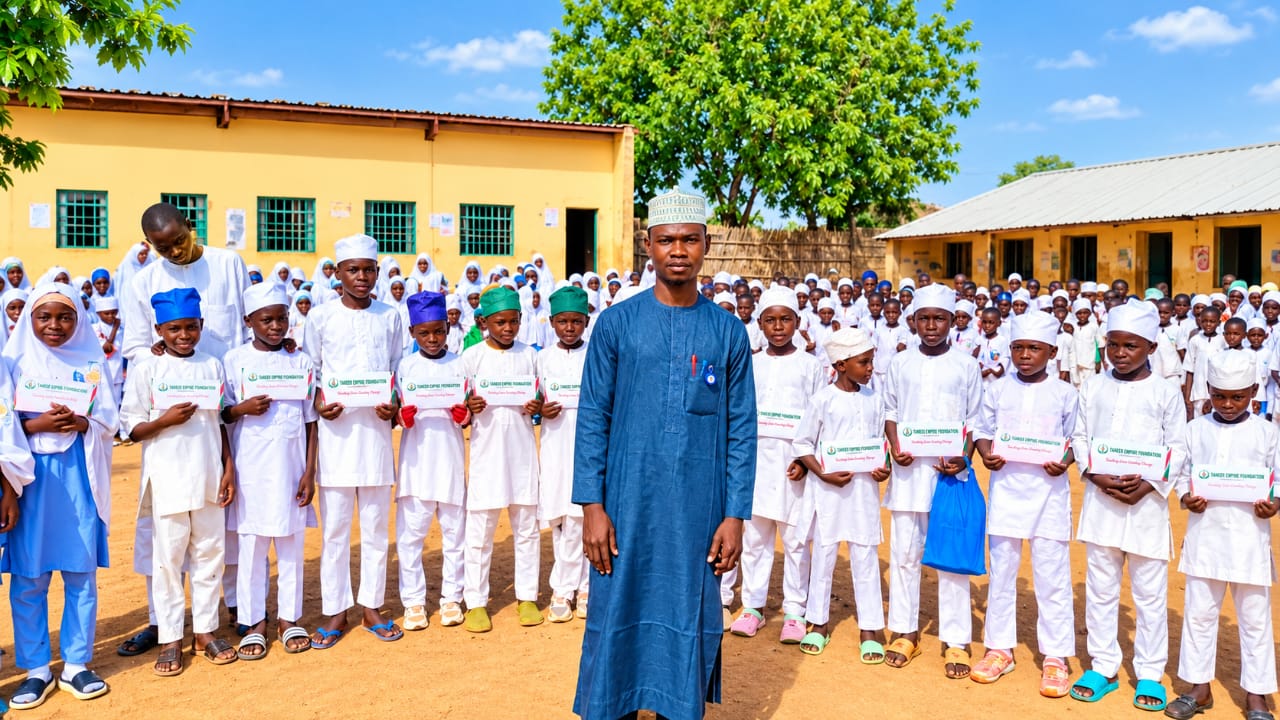
Tahir Empire Foundation has provided learning materials to 50 outstanding pupils of Tsakuwa Central Primary School, Tsakuwa town, Dawakinkudu local government area, Kano state, as part of its maiden intervention to support education and improve teaching and learning.
KANO FOCUS reports that the foundation distributed the materials on Monday, to pupils who secured positions from first to tenth in their respective classes.
In addition to supporting the pupils, the foundation also provided materials to assist teachers in carrying out their duties effectively and creating a more conducive teaching and learning environment.
The founder of the foundation, Tahir Sulaiman Inuwa, expressed appreciation to the school’s management for its cooperation and support, which he said contributed to the successful implementation of the initiative.
He described the intervention as the beginning of the foundation’s planned activities, aimed at supporting education and contributing to community development.
The foundation reaffirmed its commitment to pursuing its objectives and called for continued cooperation from the school and other stakeholders to sustain its efforts.
The initiative marks the first project undertaken by Tahir Empire Foundation since the commencement of its activities.
In a separate appreciation message, the leadership of the Tsakuwa Mu Farka Sustainable Development Association and the wider community commended the foundation for investing in the education of children in the area.
The association’s Secretary-General, Abdurrashid Salisu Babah, described the intervention as a significant contribution to the educational development of the community, particularly in supporting pupils from less privileged backgrounds.
He said the foundation’s commitment to providing educational materials, scholarships and encouragement would help improve learning opportunities and inspire children to strive for academic excellence.
The association prayed for Allah’s blessings upon the founder, his family and the foundation, expressing hope that the initiative would be sustained and expanded to benefit more pupils.
The foundation’s intervention underscores the importance of community-driven initiatives and private support in complementing government efforts to improve access to quality education.
Nasiru Yusuf Ibrahim
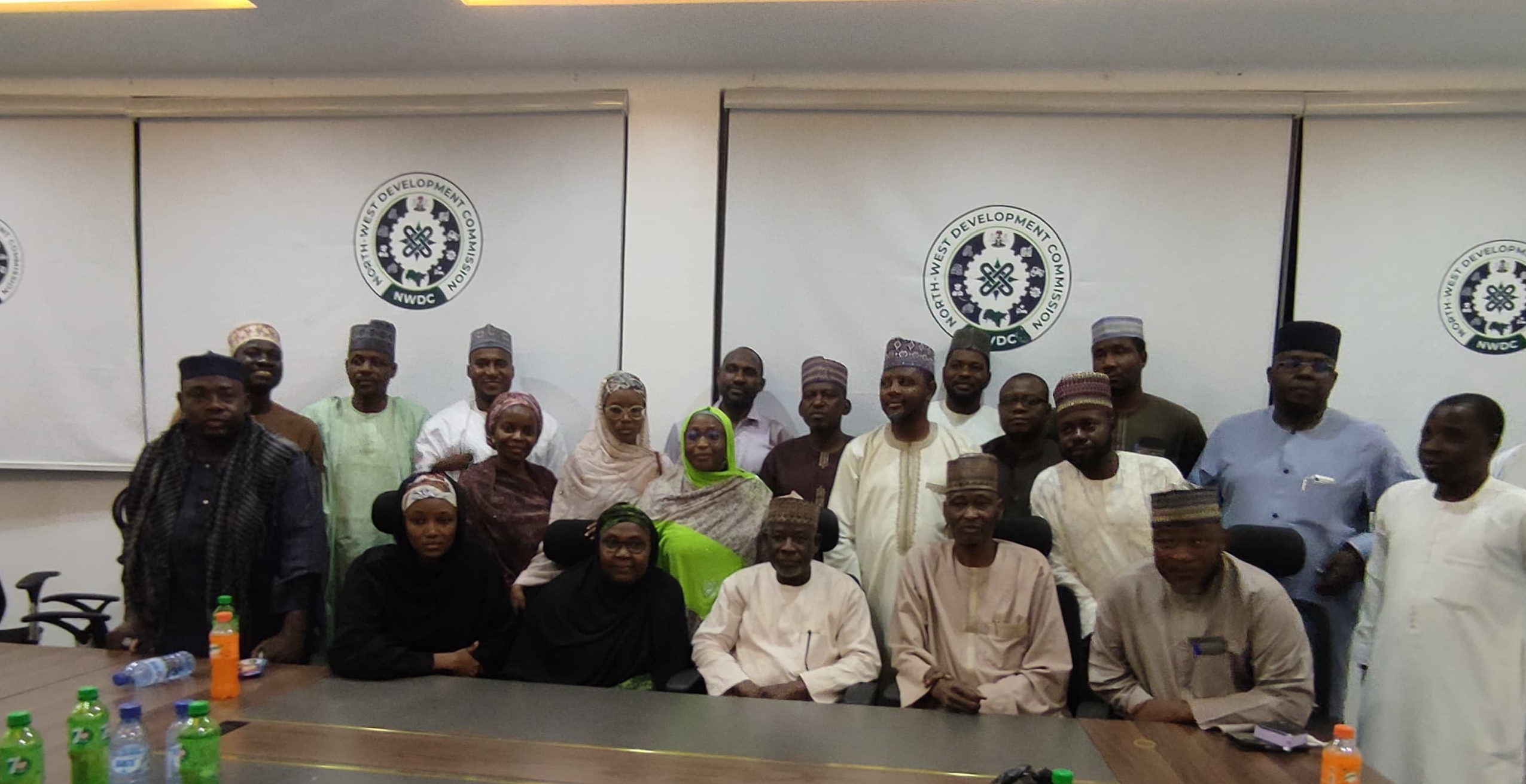
The Managing Director of the North-West Development Commission (NWDC), Prof. Shehu Abdullahi Ma’aji, has called on civil society organisations (CSOs) to support the commission in monitoring projects, promoting transparency and ensuring effective implementation of development interventions across the region.
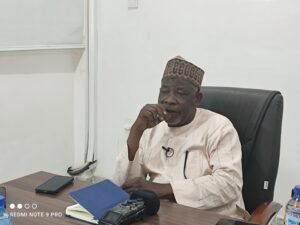
Prof. Shehu Abdullahi Ma’aji
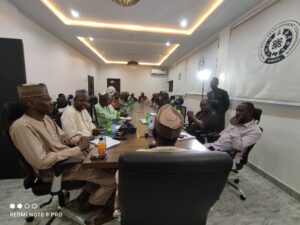
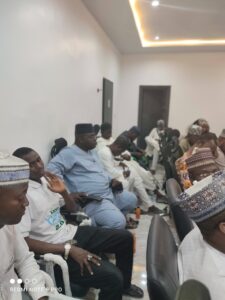
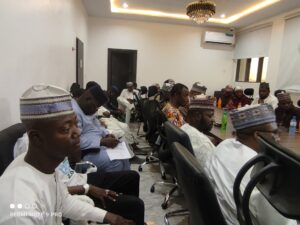
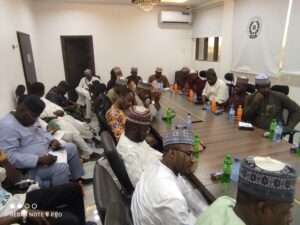
KANO FOCUS reports that Prof. Ma’aji made the call on Saturday during a meeting with civil society representatives in Kano, where he outlined the commission’s plans to address insecurity, improve education and healthcare, develop infrastructure and stimulate economic growth across the seven states of the North-West.
He described the NWDC as a Federal Government intervention agency established to accelerate socio-economic development, reduce poverty and unlock the region’s human and natural resources.
The commission covers Jigawa, Kaduna, Kano, Katsina, Kebbi, Sokoto and Zamfara states, which Prof. Ma’aji said collectively account for about one-third of Nigeria’s population.
He explained that the commission was established under the North-West Development Commission (Establishment) Act, 2024, signed into law by President Bola Ahmed Tinubu on July 24, 2024.
According to him, the initiative was conceived by Deputy Senate President Barau Jibrin during the ninth National Assembly and achieved during the 10th Assembly. The commission’s pioneer governing board was inaugurated in September 2024, while it received its first take-off grant in January 2026.
Prof. Ma’aji said the commission was established to address development gaps in the region rather than compete with state and local governments.
He identified its seven areas of intervention as security; education and health; industry and energy; agriculture; infrastructure; environment; and youth and women development.
On security, the managing director disclosed that the commission had procured 49 Hilux vehicles, bulletproof jackets, helmets, walkie-talkies and whistles to support community policing and assist vigilante volunteers in tackling banditry across the seven states.
He added that the commission was also providing capacity-building programmes for vigilante volunteers to strengthen their role in community security.
On education, Prof. Ma’aji said the commission was undertaking school construction projects featuring six classrooms, four toilets for male and female pupils, concealed roofing, five solar-powered streetlights and motorised boreholes.
He said the projects formed part of efforts to improve access to educational infrastructure and provide a more conducive learning environment for children across the region.
The commission is also implementing healthcare interventions, including the construction of 10-bed model primary healthcare centres in each of the seven states, alongside the provision of mobile clinics.
Prof. Ma’aji disclosed that plans were in place to introduce telemedicine services across clusters of five wards, with a resident medical doctor supporting service delivery.
He added that periodic medical outreaches would be conducted in communities and schools, while 14 ambulances had been procured for tertiary hospitals, teaching hospitals and federal medical centres across the region.
In the energy sector, the managing director said the commission planned to construct solar mini-grids with capacities ranging from 120 to 124 kilowatts at teaching hospitals and federal medical centres to improve electricity supply and support healthcare delivery.
He also highlighted the commission’s commitment to local content development and community participation in project execution.
According to him, the commission has signed agreements with service providers requiring at least 25 per cent of their products to be locally produced, while unskilled workers are to be recruited from the communities where projects are located.
Prof. Ma’aji said community-based organisations were being engaged as whistleblowers to report contractors who abandoned project sites, failed to maintain a presence at construction locations or executed substandard work.
He urged civil society organisations to collaborate with the commission in monitoring projects and reporting irregularities to promote accountability and ensure value for public funds.
The managing director further explained that the commission could access loans from financial institutions, subject to the required presidential approval, to finance development initiatives. He added that its mandate also permitted commercial ventures, including the establishment of banks and airlines.
He assured the stakeholders that the commission was committed to interventions that would address existing development gaps and improve the living conditions of people across the North-West.
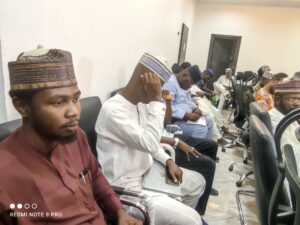
Speaking at the meeting, the Executive Director of Democratic Action Group, Dr Mustapha Muhammad, commended the commission for initiating the engagement and called for sustained consultations with civil society organisations.
Dr. Muhammad assured the commission of the support of CSOs in achieving its mandate, noting the importance of cooperation between public institutions and citizens in addressing development challenges.
Similarly, the Co-chair of the Open Government Partnership in Kano, Abdurrahman Abdu, advised the commission to replicate the engagement in other North-West states to strengthen collaboration and broaden stakeholder participation.
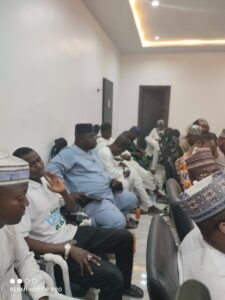
Safiyanu Bichi of the Kano Budget Working Group called for citizens to be involved from the budget conception stage through preparation and implementation.
He said early and continuous citizen participation would promote transparency, accountability and ensure that government interventions reflected the actual needs of communities.
The meeting highlighted the importance of collaboration between the NWDC and civil society organisations in monitoring projects, strengthening accountability and ensuring that development interventions deliver measurable benefits to communities across the North-West.
Ibrahim Khalil
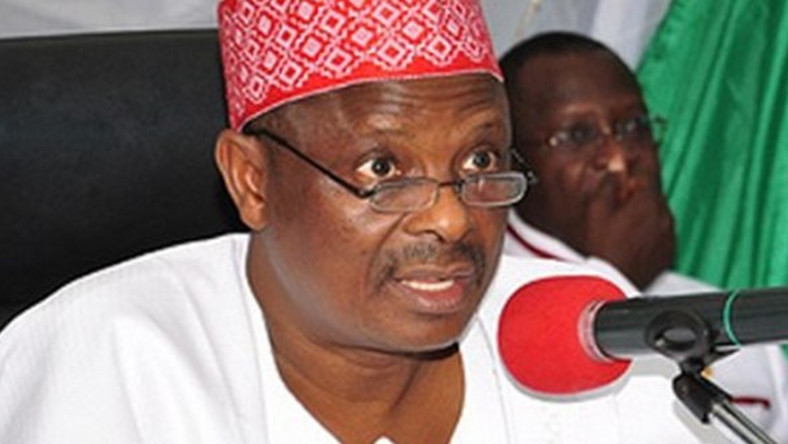
Former Kano State Governor and vice-presidential candidate of the Nigeria Democratic Congress (NDC), Rabiu Musa Kwankwaso, has ruled out withdrawing from the presidential race in favour of the African Democratic Congress (ADC), accusing its campaign team of engaging in unnecessary attacks against him, presidential candidate Peter Obi and their party.
KANO FOCUS reports that Kwankwaso stated this in a post on his Facebook account on Saturday, insisting that the NDC presidential ticket remained committed to contesting the election and offering Nigerians an alternative to the ruling All Progressives Congress (APC).
He accused the ADC Presidential Campaign Council (ADC-PCC) of attempting to create the impression that the NDC ticket was working for the ruling party or planning to withdraw from the race at the last minute in favour of the ADC candidate.
“The attacks directed at me, our presidential candidate His Excellency Peter Obi, and our party, the Nigeria Democratic Congress (NDC), are unnecessary and unhelpful,” he said.
According to Kwankwaso, political parties should concentrate on presenting their candidates’ competence, credibility and capacity to Nigerians rather than attacking their opponents.
He argued that the ADC campaign team would be better served responding to allegations reportedly levelled against its candidate by Vice-President Kashim Shettima instead of targeting the NDC leadership.
Kwankwaso also warned that the ADC campaign might attempt to mislead NDC supporters shortly before the election by claiming that his party intended to withdraw in favour of its candidate.
“Let me state clearly and unequivocally: we will not withdraw our candidature for the ADC or any other party. We remain confident in our capacity, competence, and readiness to lead Nigeria,” he declared.
He further denied any alliance with the APC, stressing that the NDC ticket, which he referred to as the “OK ticket,” was neither working for the ruling party nor acting on behalf of any of its candidates.
The former governor maintained that there was no reason for the NDC to abandon the presidential contest, describing reports suggesting otherwise as unfounded.
Assessing the political alternatives available to Nigerians, Kwankwaso criticised the APC-led government, saying it had failed the country, while arguing that the ADC did not offer a better alternative.
He described the NDC ticket as a credible and viable option, citing its record, capacity and support across Northern and Southern Nigeria.
According to him, the ticket is committed to promoting national unity and addressing major challenges confronting the country, including insecurity, education, agriculture, infrastructure, healthcare and economic development.
Kwankwaso also described the NDC as the country’s most formidable and viable opposition party, urging supporters and Nigerians sympathetic to its cause to remain committed to its electoral success.
He concluded his message with the slogan, “Nigeria will be OK.”

Police arrest suspected bandit, recover AK-47 in Kano’s Falgore forest

NAPTIP seeks family of 11-year-old boy abandoned at Kano airport

Tahir Empire Foundation Supports 50 Outstanding Pupils in Tsakuwa

NWDC seeks CSO support to monitor projects, combat insecurity in North-West

Kwankwaso rules out withdrawal, accuses ADC of attacking NDC ticket

Kano leads again as NECO successes rise to 74,413
Kano tops states in 2026 NECO results, Governor Yusuf hails students

Kano Govt Suspends Durbar Processions, Horse Riding in Metropolis

ACF begins Dangote Refinery IPO sensitisation campaign in Kano

