
Headlines
UNICEF urges ethical reporting to protect children, promote trust

Nasiru Yusuf Ibrahim
Media practitioners in Kano and Jigawa States have been urged to uphold ethical standards in reporting, particularly on issues involving children, to safeguard their dignity and promote societal trust.

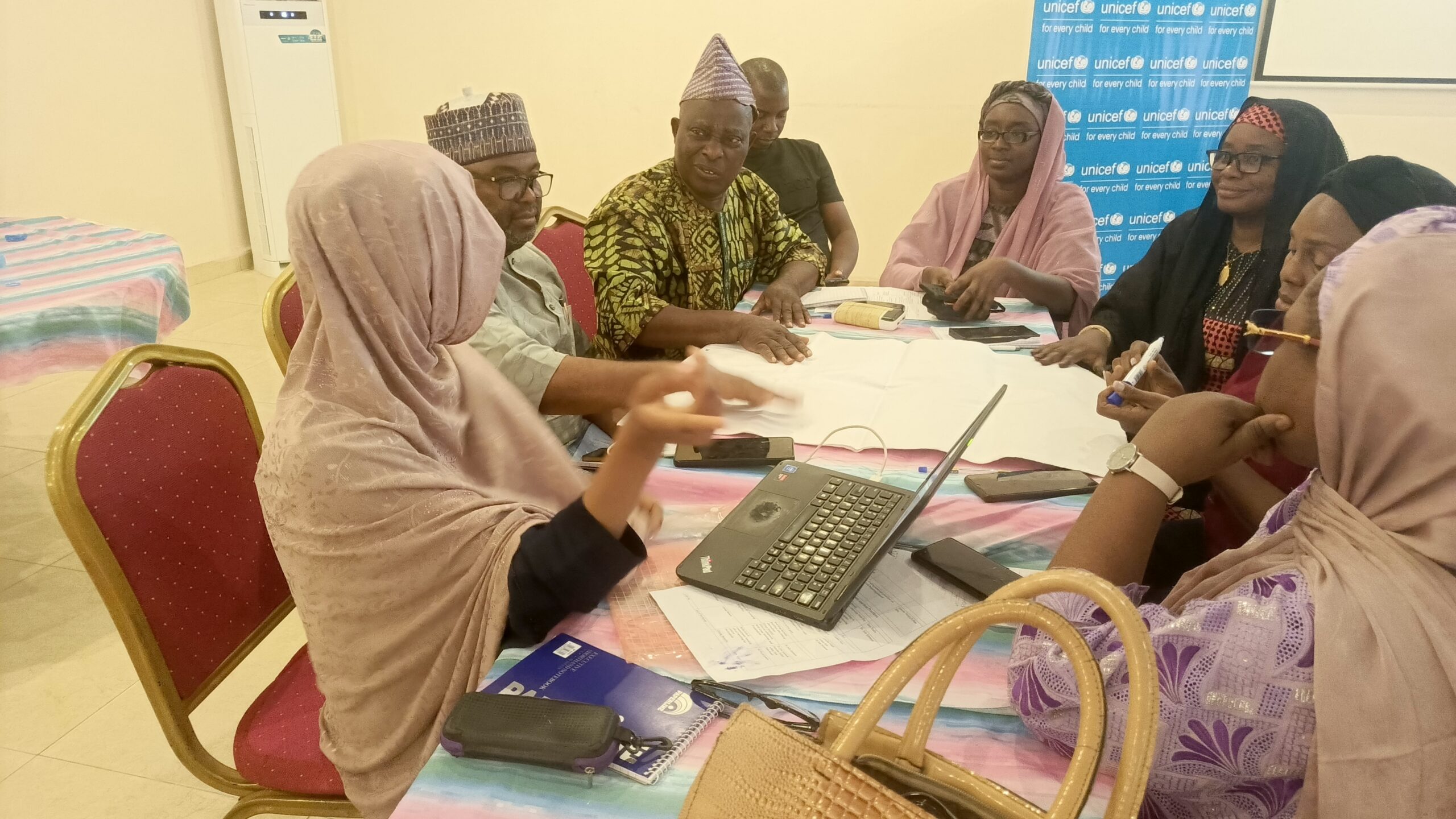
KANO FOCUS reports that this call was made by Dr. Karanveer Singh, Officer-in-Charge and Chief of Field Office, UNICEF Kano, during a keynote address at a training on Ethical Journalism and Child Rights held in Dutse on Wednesday.
Addressing participants, Dr. Singh commended journalists in the region for their dedication, noting that they often operate under challenging conditions to inform the public. He described journalism as a vital service to democracy and community development.
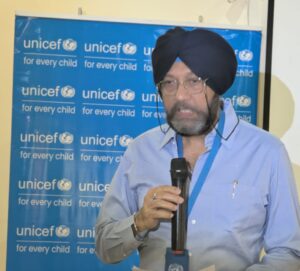
Dr. Karanveer Singh
He stressed that ethical reporting of children is not merely a workshop theme but a fundamental pillar for building a responsible society, especially in regions facing insecurity and social tensions.
According to him, ethical journalism fosters trust and helps bridge divisions in diverse societies. He explained that accurate, fair and balanced reporting can counter misinformation and hate speech, while irresponsible journalism could inflame tensions and worsen conflicts.
Dr. Singh also emphasised the need to protect vulnerable groups, particularly children, noting that they are highly impressionable and easily affected by how they are portrayed in the media.
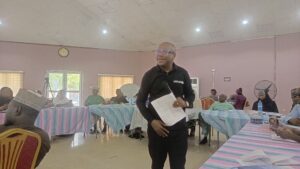
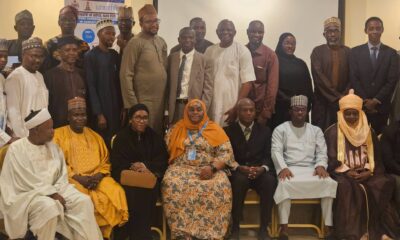
A Cross Section of the Participants
“Children are not miniature adults. Ethical reporting requires protecting their identity, ensuring their dignity, and prioritising their best interests at all times,” he said.
He warned against practices such as publishing identifiable details of child victims, using graphic images, or conducting exploitative interviews, stressing that such actions could cause long-term psychological harm and social stigma.
The UNICEF official highlighted that ethical journalism enhances credibility and professionalism, especially in an era dominated by unverified information on social media. He urged media practitioners to distinguish themselves through integrity and adherence to professional standards.
A Cross Section of the Participants at the training
While acknowledging the pressures journalists face, including security risks and political influence, he urged them to remain committed to truth, fairness and responsibility.
Dr. Singh further called on journalists to play an active role in promoting child rights by prioritising issues such as child protection, education, and wellbeing in their reporting.
He also challenged the media to hold political leaders accountable on child-focused policies, particularly as Nigeria prepares for future elections.
“The choices journalists make every day—what to report, how to report it, and whom to protect—will shape the future of this region and its children,” he said.
The training aimed to strengthen the capacity of media practitioners to report responsibly on child-related issues while promoting ethical standards in journalism across Kano and Jigawa States.
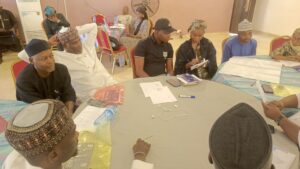
A Cross section of the participants at the training
Rano urges journalists to uphold ethics in child rights reporting
Speaking on behalf of the Managing Director of Radio Kano, Comrade Abubakar Adamu Rano, the station’s UNICEF Focal Person, Mustapha Ahmad Sani, emphasised the critical role journalists play in shaping public opinion and influencing government policies.
Sani, who conveyed the goodwill message of the Managing Director, expressed appreciation to UNICEF for organising the training and commended the resource persons for their commitment to knowledge sharing.
He noted that journalism carries significant responsibility, particularly when reporting on children, who are among the most vulnerable members of society.
“Children need protection, and careless reporting can harm their dignity, expose their identity, or create stigma. However, responsible reporting can safeguard their rights and contribute to building a better society,” he said.
He described the training as timely and essential, urging participants to take full advantage of the sessions by engaging actively, asking questions, and learning from one another.
The training, facilitated by seasoned experts including Dr. Jide Johnson, Jumoke Falayi, and Mr. Lekan Sote, is aimed at strengthening journalists’ capacity to report child-related issues ethically and responsibly.
Participants drawn from various media organisations across Kano and Jigawa States are expected to gain practical insights into best practices in child rights reporting.
Sani concluded by wishing the participants a productive and successful training on behalf of the management of Radio Kano.



Nasiru Yusuf Ibrahim
Nafisah Yusuf Hassan, a magistrate in Kano State, has been recommended for appointment as a judge of the Kano State High Court by the National Judicial Council (NJC).
KANO FOCUS reports that Hassan is among four judicial officers from Kano State recommended for elevation to the High Court bench out of 28 candidates selected nationwide.
The other nominees are Halima Yahuza Ahmad, Abdullahi Abdulsalam Bature and Musa Ibrahim Umar.
The NJC disclosed the recommendations in a statement issued by its Deputy Director of Information, Kemi Babalola-Ogedengbe, following its consideration of candidates for judicial appointments across the country.
The council said all recommended candidates were expected to be sworn in by their respective state governors without delay.
Hassan’s recommendation follows her years of service in the Kano State judiciary, where she has reportedly distinguished herself through diligence, professionalism and careful handling of cases.
She has been commended for her commitment to judicial ethics, diligence and fairness in the discharge of her responsibilities, achievements that contributed to her career progression within the judiciary.
Her elevation is part of a broader development in the Kano State judiciary, with four magistrates from the state successfully scaling the selection process for appointment to the High Court.
The four nominees were reportedly assessed during the selection exercise and demonstrated strong professional competence, while their service records were found to be free of adverse remarks.
Their recommendation marks a significant step in their judicial careers and is expected to strengthen the judicial workforce in Kano State upon their formal appointment.
Nasiru Yusuf Ibrahim
The Kano State Accountability Forum on Education (K-SAFE) says it has tracked nearly 1,000 education projects across the state as part of efforts to promote transparency, accountability and effective service delivery in the education sector.
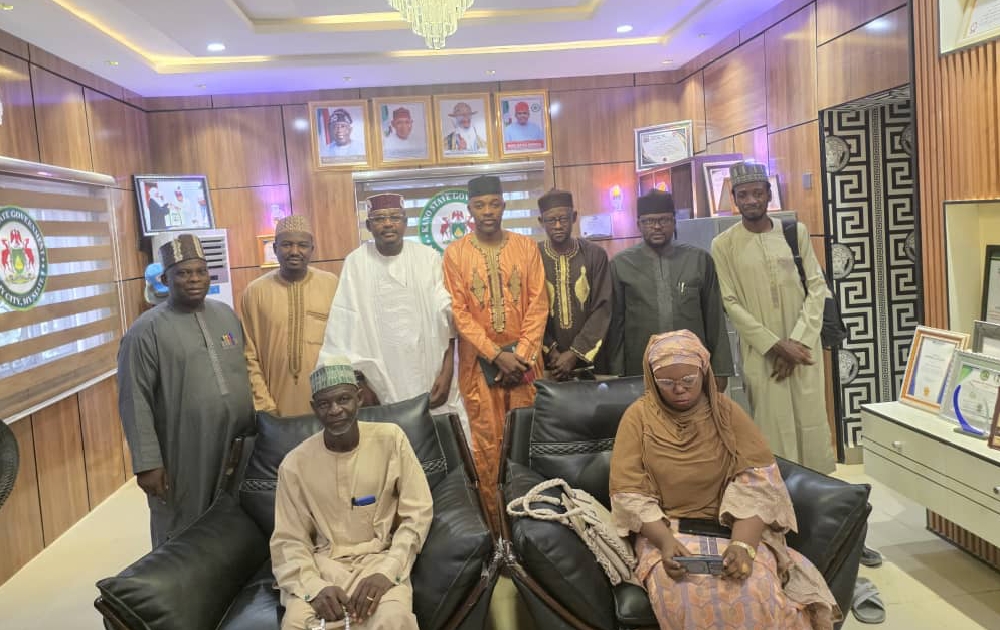
KANO FOCUS the coalition’s Co-Chair, Dr Auwalu Halilu, disclosed this on Wednesday during an advocacy visit to the Kano State Ministry of Public Procurement and Project Monitoring.
Dr Halilu said K-SAFE had monitored projects in more than six local government areas, covering interventions implemented by the State Universal Basic Education Board (SUBEB), Kano State Senior Secondary Education Management Board and Local Education Authorities (LEAs).
He explained that the monitoring exercise involved physical inspections and documentation of projects through photographs, videos and geographical locations.
According to him, reports of the findings had been submitted to relevant ministries, departments and agencies (MDAs), highlighting projects that met required standards and those requiring further attention.
He cited Rimin Gado Local Government Area, where the coalition tracked more than 80 education projects, adding that it planned to extend the exercise to all 44 local government areas of the state.
The K-SAFE Co-Chair said the visit was aimed at presenting the coalition’s activities to the ministry and exploring areas of collaboration in procurement and project monitoring.
He called for the inclusion of civil society organisations in procurement and monitoring processes, particularly tender board activities and field inspections, to strengthen independent oversight and provide them with firsthand information on government projects.
Dr Halilu also requested the ministry’s support in organising capacity-building programmes for civil society organisations on procurement procedures, due process, project standardisation, monitoring and evaluation.
He said such training would enhance civil society organisations’ understanding of procurement regulations and the technical requirements guiding project implementation.
Responding, the Commissioner for Public Procurement and Project Monitoring, Dr Nura Iro Ma’aji, welcomed the delegation and acknowledged the coalition’s contributions to supporting the state government’s efforts in the education sector.
He expressed the ministry’s readiness to collaborate with K-SAFE through information sharing and other relevant engagements to strengthen accountability and ensure compliance with due process.
“From our side, we are ready to work together because we know what they have been doing to support Kano State Government in the education sector,” he said.
Dr Halilu further disclosed that the coalition and its partner organisations had carried out the monitoring exercise without financial sponsorship, describing it as a demonstration of their commitment to transparency and accountability.
He reaffirmed K-SAFE’s commitment to sustaining engagement with relevant government agencies, civil society organisations and the media to strengthen oversight of education projects across Kano State.
Ibrahim Khalil
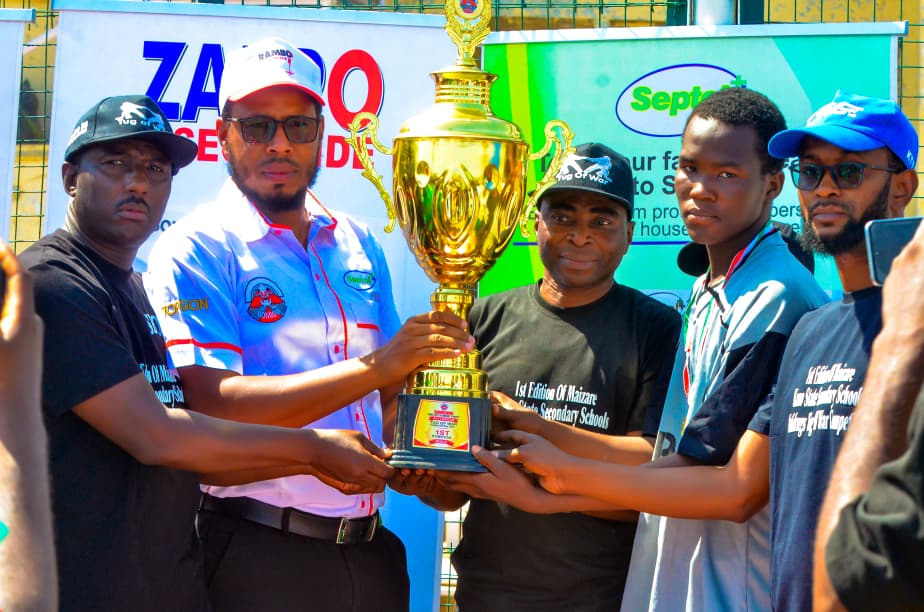
Government Secondary School (GSS) Army Day Bukavu has emerged champion in both the male and female categories of the maiden Kano State Secondary Schools Tug of War Competition.
KANO FOCUS reports that the school clinched the double victory at the competition, which ended on Wednesday at the Kano Pillars Stadium, Sabon Gari, Kano.
Governors College finished as runners-up in the male category, while Government Girls College (GGC) Kano secured second position in the female category.
The competition was organised by the Kano State Tug of War Association in collaboration with the state Ministry of Education, the National Drug Law Enforcement Agency (NDLEA) and the Kano State Sports Commission.
The maiden championship brought together secondary school students to promote teamwork, discipline, unity and sportsmanship, while raising awareness about the dangers of drug abuse.
Speaking at the closing ceremony, the Vice Chairman of the Kano State Tug of War Association, Jamilu Uba Adamu, described the competition as a successful initiative that had achieved its objectives.
He commended the Ministry of Education, Sports Commission, NDLEA, Gongoni Company Limited and MAGZO Pharmaceutical for supporting the event, particularly through the provision of T-shirts and Pocari Sweat drinks.
Also speaking, the Secretary of the Kano State Tug of War Association, Bashir Muhammad Sulaiman, who represented the Executive Chairman of the Sports Commission, Muhammad Tukur Babangida, reaffirmed the commission’s commitment to developing grassroots and school sports.
He said the initiative would help identify and nurture young sporting talents across the state.
The closing ceremony was attended by a member of the Kano State Football Association Board, Rilwanu Idris Malikawa Garu, representatives of the Ministry of Education, NDLEA, the Sports Commission and other stakeholders in the sports sector.
The organisers congratulated the winning schools and commended all participating institutions and partners for contributing to the success of the maiden edition.

Nafisah Yusuf Hassan, three others recommended for appointment as Kano high court judges

K-SAFE tracks nearly 1,000 education projects in Kano, seeks procurement monitoring role

GSS Army Day Bukavu Wins Maiden Kano Secondary Schools Tug of War Championship

Gov Yusuf Nominates Spokesperson, Sunusi Bature Dawakintofa as Commissioner

One Year Without Baba: A Son’s Tribute to Alhaji Yusuf Hassan

Indonesian scholar proposes waqf model to reform almajiri education in Nigeria

Veteran NTA manager Dahiru Biso loses wife at 58

Two suspected bandits killed, N10m ransom recovered in Kano

Gov Yusuf Joins APC Leaders at Kaduna Presidential Campaign Flag-Off as Kano Delegation Draws Attention

