
News
Nigeria’s Data Demand Surges 47% as Stakeholders Seek Fresh Investment in Digital Infrastructure


Nasiru Yusuf Ibrahim
Nigeria’s data consumption rose by almost 47 per cent year-on-year to about 1.6 million terabytes in July 2026, highlighting growing pressure on the country’s digital infrastructure, stakeholders have said.

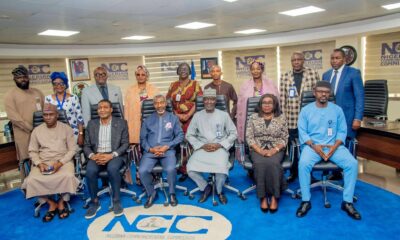
KANO FOCUS reports that the development was disclosed in a communiqué issued at the end of the Nigeria Digital Connectivity Investment Forum 2026, organised by the Nigerian Communications Commission (NCC) in partnership with Swedfund and Ookla in Abuja.
The forum, held from September 29 to 30 under the theme, “Unlocking Infrastructure Investment through Data, Transparency and Partnerships,” brought together government officials, regulators, investors, development finance institutions, mobile network operators, infrastructure companies and other stakeholders.
The participants said subscriptions were projected to increase from about 195 million currently to 350 million within the next 10 to 15 years, while growing demand from cloud computing and artificial intelligence would put additional pressure on telecommunications networks, data centres and power supply.
According to the communiqué signed by Nnenna Ukoha, Director, Public Affairs Department, NCC, on Sunday, telecommunications and information services contributed 9.72 per cent of Nigeria’s real Gross Domestic Product in the second quarter of 2026.
The participants consequently described digital connectivity as economic infrastructure, stressing its growing importance to trade, productivity and economic growth.
They, however, noted that while mobile broadband coverage had reached about 90 per cent of Nigerians, smartphone ownership remained at about 27 per cent, while broadband penetration stood at 57.4 per cent against a national target of 70 per cent.
The forum identified device affordability, digital skills and trust as major constraints to meaningful connectivity, saying expanding network coverage alone would not be sufficient to close the digital divide.
Participants also identified inadequate power supply and limited middle-mile connectivity as major constraints to further digital infrastructure deployment.
They noted that the high cost of inland connectivity had restricted data-centre and internet service investments largely to major metropolitan areas, calling for energy and connectivity investments to be planned together.
The forum further stressed the need for long-term financing for digital infrastructure, noting that such assets typically have a lifespan of 20 to 30 years and therefore require financing arrangements longer than the conventional five-year bank tenors.
Participants said infrastructure financing in Nigeria had grown from less than N70 billion in 2004 to N19.4 trillion in 2025, but stressed that access to long-term capital would depend on good governance, management capacity and policy predictability.
They also highlighted the impact of state-level policies on telecommunications investment, particularly Right of Way charges and permitting requirements.
According to the communiqué, a pilot of the Nigeria Digital Connectivity Index across 12 states showed that Right of Way reforms translated into fibre growth of between 22 per cent and 95 per cent in states that implemented reforms.
It added that the number of states charging zero Right of Way fees had increased to 12, from seven in December 2024.
The forum called on the Federal Government to accelerate the delivery of Project BRIDGE, the planned 90,000-kilometre national fibre backbone, as part of efforts to address the middle-mile connectivity gap.
It also urged the government to improve the availability and reliability of electricity for digital infrastructure and support financing mechanisms capable of reducing the cost of capital in the sector.
The NCC was urged to sustain reforms aimed at improving investment conditions, including tariff realignment, designation of critical national information infrastructure and engagement with states on Right of Way reforms.
The commission was also asked to publish the first national Nigeria Digital Connectivity Index report, advance open-access and wholesale regulation, and finalise the direct-to-device framework.
State governments were urged to reduce and harmonise Right of Way and site permit charges, adopt the federal model under which fibre operators are responsible for road reinstatement, and reduce permitting timelines.
The stakeholders also called on operators and technology companies to expand shared-infrastructure and neutral-host models to reduce the cost of rural and indoor coverage.
They recommended that investors and development finance institutions provide long-term naira financing for digital infrastructure and link funding to independently verified network performance.
The forum identified several priority actions, including securing funding within six months for community-owned rural networks powered by renewable energy in communities without connectivity.
Other actions include issuing open-access and wholesale regulations, publishing a wholesale rate card, completing broadband mapping, strengthening the Universal Service Fund framework and developing business cases for indoor coverage.
Within 18 to 24 months, participants recommended establishing a financing framework for telecommunications power and developing metro and access fibre through concessions, mapped against existing assets and integrated with Project BRIDGE.
The NCC said it would continue engaging participants and other stakeholders to advance the agreed actions and investment pathways.




Nasiru Yusuf Ibrahim
The Rumfa Old Boys Association, Class of 1984, has commenced a fully funded pilot programme aimed at improving learning outcomes among selected students of their alma mater through a structured three-year academic intervention.
The chapter’s chairman, Alhaji Ahmed Jibril, disclosed this in a statement sent to KANO FOCUS explaining that the programme would provide sustained academic support to students from Senior Secondary School One (SS1) to SS3.
According to him, the initiative, known as the Targeted Academic Grooming Programme, is designed to address learning challenges through evidence-based interventions adapted to the realities of the Nigerian education system.
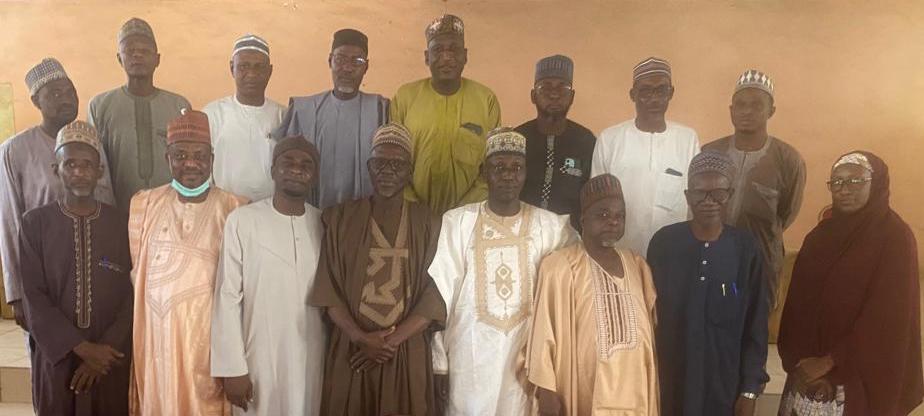
Jibril said the programme had commenced with a review and validation of its work plan organised by the old students, with key stakeholders participating in the exercise.
Those present included representatives of the Rumfa Old Boys Association’s national chapter, the Kano State Ministry of Education, the Zonal Education Office, the School-Based Management Committee (SBMC) and the Parent-Teacher Association (PTA).
The three-year initiative seeks to improve students’ academic performance through targeted teaching, teacher development, counselling, parental engagement and improved learning facilities.
Under the programme, all SS1 students will be observed throughout the academic session, after which an initial cohort of 50 students will be selected based on academic performance, attitude to learning, teachers’ assessments and a structured aptitude assessment.
The programme’s planners envisage that about 40 students may ultimately complete the intervention, with parents’ or guardians’ commitment assessed before enrolment.
In the second year, the selected students will form a dedicated class taught by some of the school’s strongest teachers. They will also receive quality learning materials, counselling support and other interventions to address barriers to effective learning.
Parents will be engaged every term, while the Old Boys Association and the wider community will receive periodic updates on the programme’s progress.
The final year will focus on consolidating students’ academic foundations and preparing them for the West African Senior School Certificate Examination (WASSCE). The programme will include two full mock examinations, while support will be provided for examination registration for students from indigent backgrounds.
At the end of the three-year cycle, the association plans to produce a comprehensive impact report documenting the programme’s achievements and lessons.
The programme is designed as a holistic intervention rather than a conventional remedial class, with emphasis on addressing challenges affecting students, teachers, parents, the learning environment and education support systems.
Its expected outcomes include at least 90 per cent of participating students obtaining five credits in the WASSCE, including English Language and Mathematics.
Other targets include retraining and equipping six subject teachers, refurbishing a dedicated classroom and developing a documented model that could be replicated by the state government or other development partners.
To ensure accountability, the programme will be supervised by a steering committee comprising representatives of the Old Boys Association, the school principal, programme coordinator, a parent representative, a community or traditional institution representative, and an advisory representative of the State Ministry of Education.
The committee will meet quarterly to review monitoring and evaluation data, approve expenditure and address implementation challenges. It will also report to the association’s annual general meeting, while the association reserves the right to commission an independent audit.
The association said the initiative reflects its commitment to giving back to the institution that shaped its members and investing in the academic future of subsequent generations.
It expressed the hope that the programme would establish a sustainable model for improving learning outcomes, strengthening teaching capacity and supporting future students beyond the pilot phase.
Nasiru Yusuf Ibrahim
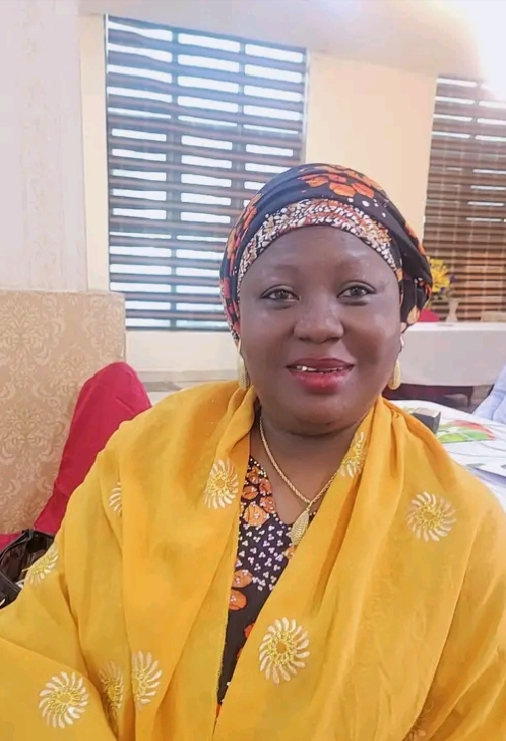
The Civil Society Scaling Up Nutrition in Nigeria (CS-SUNN) has expressed sorrow over the death of Habiba Dauda Alabura, a staff member of Niger State Television (NSTV) and a member of the Nigeria Association of Women Journalists (NAWOJ), Niger State Chapter.
KANO FOCUS reports that the organisation, in a condolence message, described the late journalist as a dedicated professional whose work contributed to informing the public and amplifying community voices.
CS-SUNN noted that journalists play a vital role in keeping critical issues, including nutrition, healthcare and the wellbeing of women and children, on the public agenda.
It said Alabura’s commitment to journalism and service to the people of Niger State would not be forgotten.
The organisation extended its condolences to her family, the leadership and members of NAWOJ in Niger State, the management and staff of NSTV, as well as her friends, colleagues and associates in the media community.
CS-SUNN also prayed for God to grant the deceased eternal rest and give her family and loved ones the strength to bear the loss.
The company’s management says protecting drivers’ lives takes priority over delivery targets as it warns against speeding, fatigue and reckless driving.
Nasiru Yusuf Ibrahim
Dangote Cement Plc has intensified efforts to improve road safety across its African operations, urging drivers to prioritise safe driving practices and comply with established safety standards.
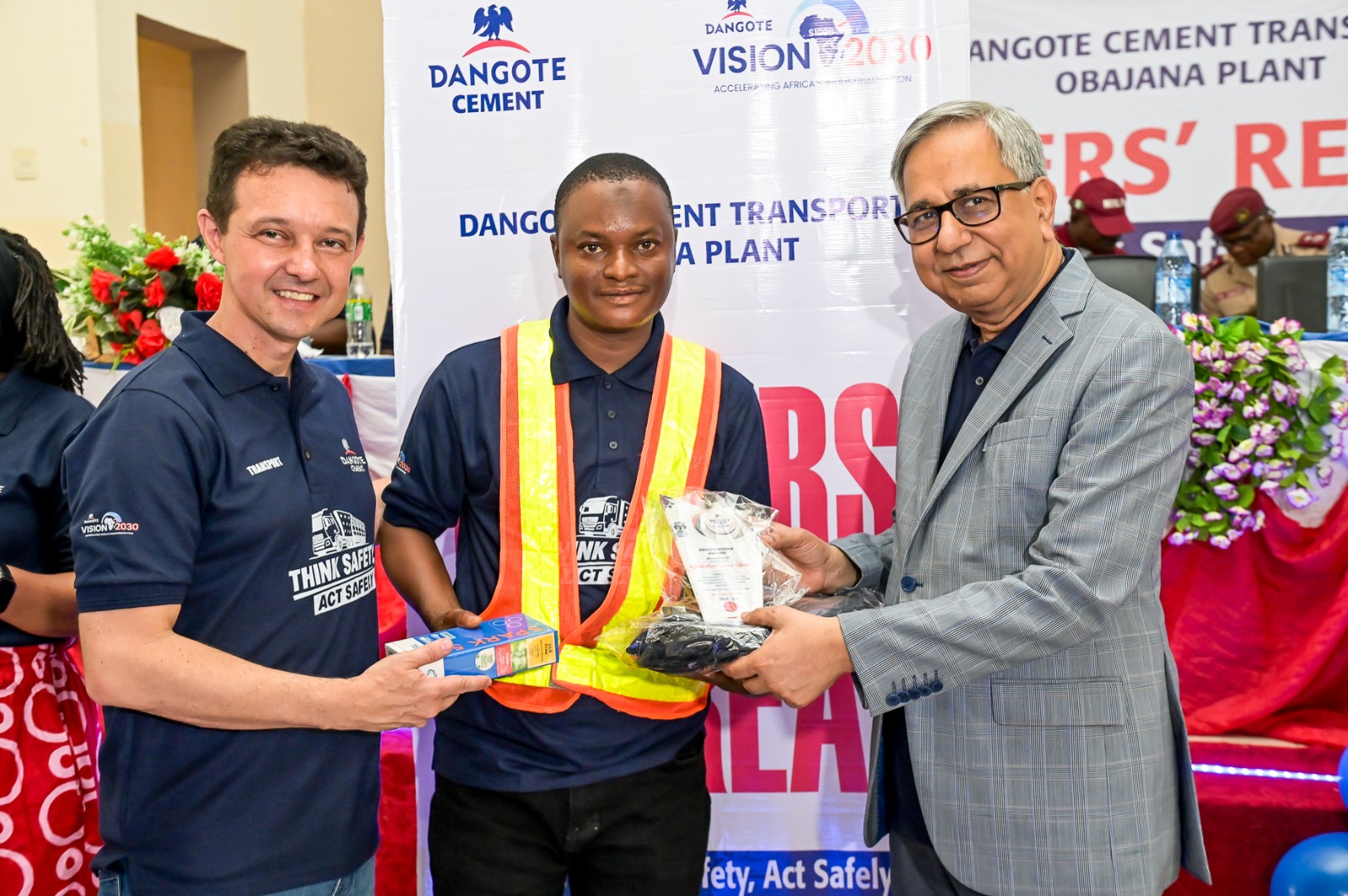
KANO FOCUS reports that the company’s Group Managing Director, Arvind Pathak, gave the charge at the 2026 Drivers Safety Retreat held at the Dangote Cement plant in Obajana, Kogi State, with the theme, “Think Safety, Act Safely”.
Pathak said the company remained committed to the safety and welfare of its drivers, stressing that no commercial target or business delivery was worth the loss of human life.
He said that while Dangote Cement placed a premium on the quality of its products, its drivers played a critical role in ensuring that the products reached customers safely and efficiently.
“Every time you get behind the wheel, you are carrying more than a product. You are carrying the reputation of this company, the trust of other road users and, most importantly, your own life. We can replace a truck; we cannot replace a human being,” he said.
Pathak described drivers as indispensable to the company’s growth and distribution network, assuring them that management would continue to invest in training, professional development and welfare initiatives to strengthen safety across its logistics operations.
He urged the drivers to avoid speeding, fatigue and other dangerous practices, noting that professional competence should be measured by arriving safely rather than completing journeys quickly.
“If you are tired, stop and rest. If a situation looks unsafe, do not take chances. The goal is not just to reach your destination; the goal is to return home safely to your family,” he said.
The retreat brought together drivers, transport personnel and management representatives to promote responsible driving, address welfare concerns and reinforce the company’s safety culture.
Dangote Cement’s Head of Transport, Murilo Silva, also cautioned drivers against reckless driving, proxy driving and other unsafe transportation practices, warning that such conduct would not be tolerated.
Silva urged the drivers to take personal responsibility for their actions and contribute to making Nigerian roads safer for motorists and other road users.
Similarly, Ebere Okonkwo, the company’s Group Head of Transport, Health, Safety and Environment for Pan Africa Nigeria, said the retreat was necessary to improve drivers’ safety awareness and reduce road accidents.
She urged drivers to take the training seriously, noting that safety violations could have serious consequences for both the drivers and the company.
The interactive session also provided an opportunity for drivers to raise concerns about their welfare and working conditions.
Issues raised included the rising cost of living, work-related expenses and the need for timely communication of drug test results.
Some drivers commended the company’s investment in their welfare, saying the retreat demonstrated management’s concern for their safety beyond their operational responsibilities.
They pledged to maintain high safety standards, protect the trucks entrusted to them and avoid practices that could endanger human lives.
As part of the programme, Dangote Cement recognised 10 outstanding drivers for their performance and commitment to safety. Ismaila Suleiman was named the most outstanding driver for the year under review.

Rumfa Old Boys Class ’84 launches three-year academic improvement programme

CS-SUNN mourns Niger state television journalist Habiba Alabura

Dangote Cement Strengthens Driver Safety Measures Across Africa

Veteran NTA manager Dahiru Biso loses wife at 58

Insecurity: Bugaje faults Muslim-Muslim ticket, says leaders failed to protect Muslims

Kano must make government procurement work for made-in-Kano

Indonesian scholar proposes waqf model to reform almajiri education in Nigeria

Nigeria’s Data Demand Surges 47% as Stakeholders Seek Fresh Investment in Digital Infrastructure

Kano Settles N32bn Pension, Gratuity Liabilities, Says Gov Yusuf

